Leave Your Message
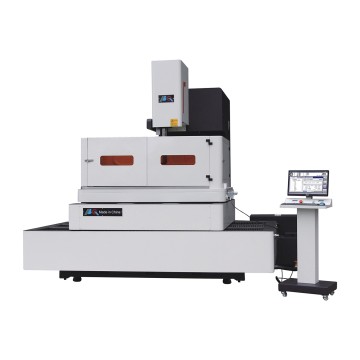
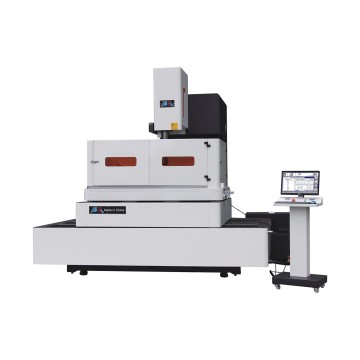
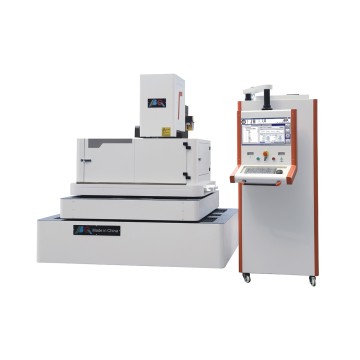
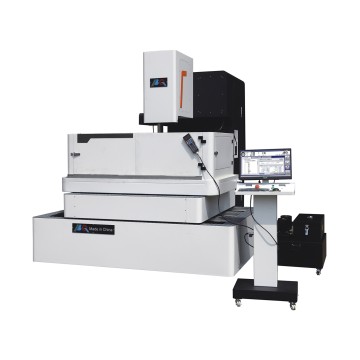
High-efficiency, multi-axis linkage CNC wire cutting systems designed to handle complex automotive engineering components and tooling.
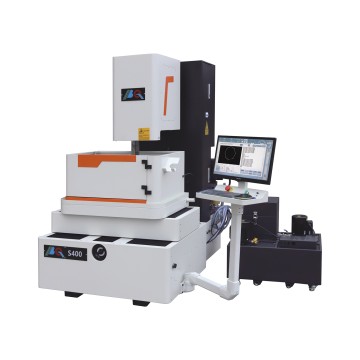
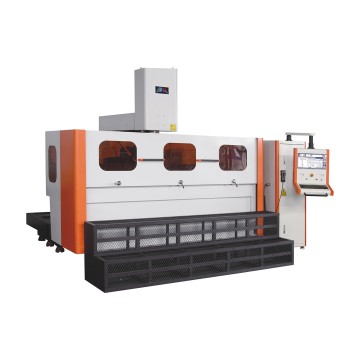
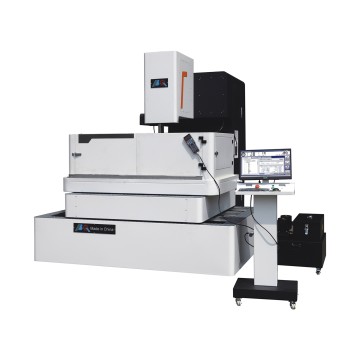
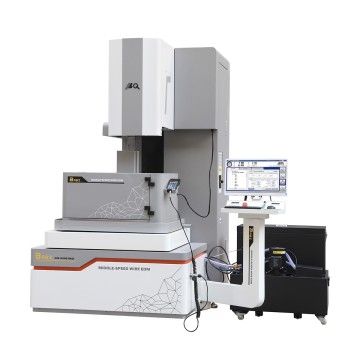
The automotive engineering sector is undergoing the most significant transformation in its history. The rapid transition from Internal Combustion Engines (ICE) to Electric Vehicles (EVs), hybrid systems, and autonomous driving architectures has forced manufacturers to re-evaluate their production technologies. In this context, the wire cutting machine for automotive engineering has emerged as an indispensable asset. Wire Electrical Discharge Machining (Wire EDM), particularly medium-speed CNC molybdenum wire cutting machines, offers the extreme precision, material versatility, and complex geometry capabilities required to produce next-generation automotive components.
Did you know? As EV battery tray designs, electric motor rotors, and lightweight structural components demand tighter tolerances, traditional milling and stamping processes are falling short. Wire EDM provides a non-contact machining alternative that eliminates mechanical stress and thermal distortion, achieving tolerances down to the micron level.
From a commercial perspective, the global automotive tool and die market is expanding rapidly. Automotive OEMs and Tier-1 suppliers require robust, reliable, and cost-efficient wire cutting machines to accelerate prototyping cycles and maintain high-volume production lines. CNC molybdenum wire EDM machines manufactured in China offer a highly competitive balance of speed, precision, and operational cost, making them the preferred choice for tooling shops worldwide.
Wire cutting technology is integrated into multiple stages of the automotive manufacturing lifecycle. Below, we explore the critical areas where CNC wire cutting machines deliver unmatched value:
Automotive body panels, structural brackets, and interior trim parts rely heavily on progressive stamping dies and injection molds. These tooling components are made from hardened tool steels (such as D2, H13, or tungsten carbide) that are incredibly difficult to machine using conventional cutting tools. A wire cutting machine slices through these materials regardless of their hardness, ensuring sharp internal corners, complex gear profiles, and perfect mating clearances. This directly translates to longer die life and fewer defects in the final stamped or molded automotive parts.
The heart of an electric vehicle is its traction motor. The efficiency of these motors depends on the precise alignment and minimal air gaps within the laminated steel cores of the rotor and stator. Wire EDM is widely used to cut prototype laminations and high-precision stacking dies. Because wire cutting does not introduce mechanical stress, the magnetic properties of the silicon steel sheets are preserved, maximizing the motor's energy efficiency and torque density.
Modern transmissions require complex internal splines, keyways, and helical gears to handle high torque loads smoothly. Multi-axis CNC wire cutting machines (such as 5-axis and 10-axis linkage systems) allow engineers to program and execute complex tapered cuts and non-linear profiles. This is crucial for developing custom gearboxes, differential gears, and drive shafts for both commercial vehicles and high-performance racing cars.
To meet strict emissions regulations and extend EV range, automotive engineers are increasingly adopting lightweight materials like titanium alloys, carbon fiber composites, and high-strength aluminum. Machining these materials with traditional rotary cutters often leads to rapid tool wear and material delamination. Wire cutting provides a thermal erosion process that vaporizes the material along a programmed path, ensuring clean edges and zero mechanical deformation.
As Industry 4.0 matures, wire cutting machines are evolving to meet the demands of smart factories. Key trends include:
While automotive engineering remains a core focus, our advanced EDM machines serve a wide spectrum of precision-critical industries.
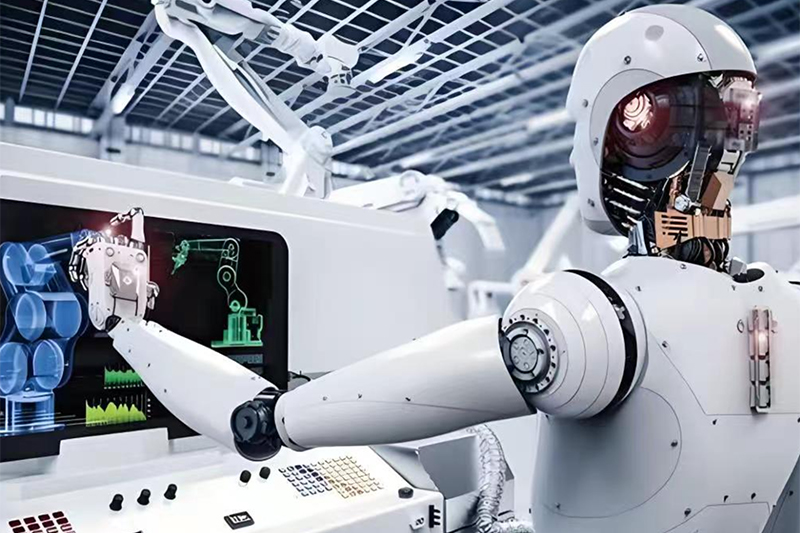
The medium speed molybdenum wire cutting spark machine (medium speed wire), with its core characteristics of high precision and stability, plays a vital role in robotic joint and gear manufacturing.
Read More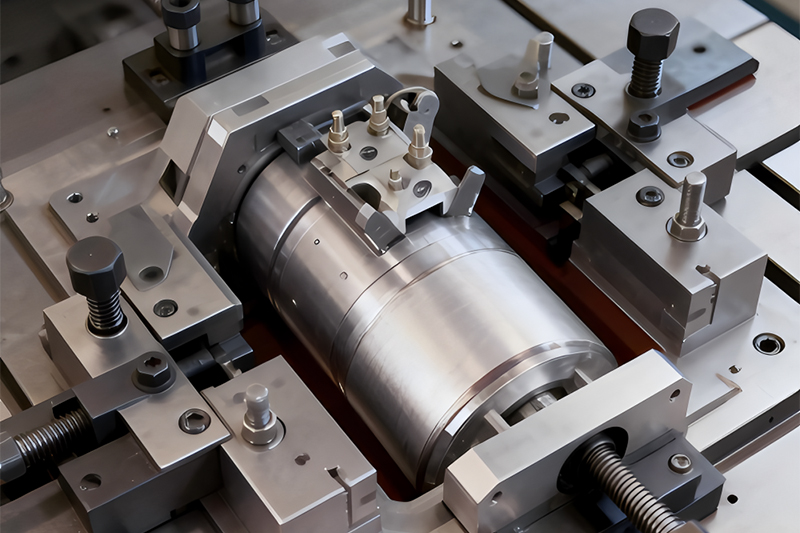
In the mechanical processing industry, wire cutting plays a dual role of universal machining supplement and precision tooling fabrication, handling hardened steels with ease.
Read More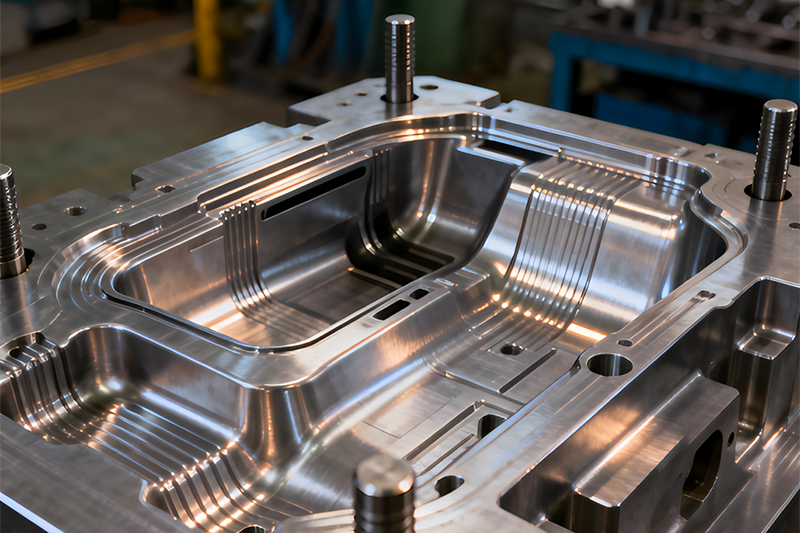
The core advantage of wire cutting in the automotive industry lies in its high efficiency, high precision, and stability, producing complex gears and custom powertrain components.
Read More
The application of wire cutting in the medical industry is a typical extension of its precision machining capabilities, fabricating surgical instruments and implants with bio-compatible materials.
Read More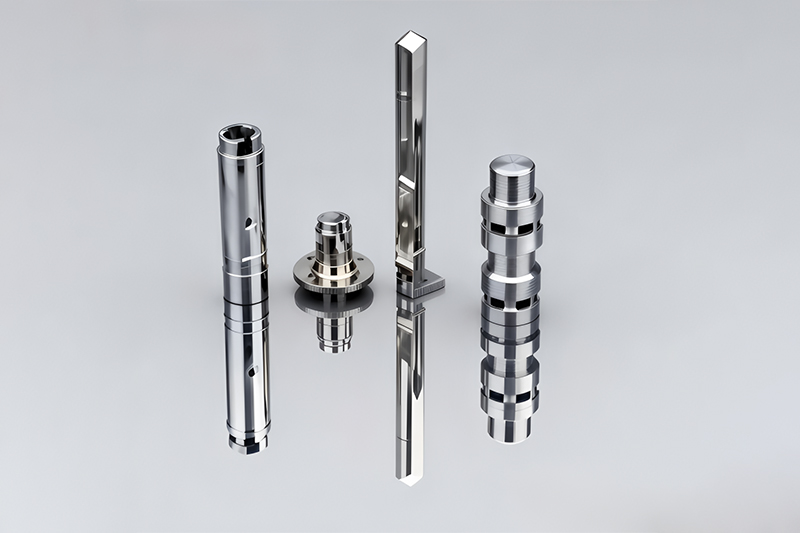
Wire-cutting EDM CNC machine tools (referred to as wire cutting) occupy an irreplaceable core position in the mold and tool industry, creating intricate die shapes and punches.
Read More
The application of wire cutting in the aerospace industry can be said to represent the pinnacle of its machining capabilities, working with high-temperature superalloys.
Read MoreSelecting the appropriate CNC wire cutting EDM machine is crucial for optimizing production efficiency and ensuring component quality. Automotive manufacturers must consider several critical parameters:
For standard 2D stamping dies, a basic 2-axis or 4-axis wire EDM may suffice. However, complex automotive parts like helical gears, steering components, or variable-pitch molds require 5-axis or even 10-axis linkage systems. These advanced systems coordinate the movement of the X, Y, U, V, and Z axes, enabling the machine to execute complex taper angles and curved profiles with high fidelity.
In automotive engineering, surface integrity directly impacts friction, wear, and fatigue life. Medium-speed wire EDM machines utilize multiple trim cuts to gradually refine the surface finish. A high-quality CNC molybdenum wire cutting machine can achieve surface roughness values of Ra ≤ 0.8 μm, minimizing the need for secondary manual polishing or grinding processes.
While high-speed brass wire EDM machines offer fast cutting rates, their operational costs are high due to single-use wire consumption. Medium-speed molybdenum wire EDM machines offer a highly economical alternative. By utilizing reusable molybdenum wire and advanced pulse power supplies, they provide comparable precision at a fraction of the operating cost, making them ideal for Tier-2 and Tier-3 automotive suppliers.
Look for machines equipped with user-friendly CNC controllers that support standard CAD/CAM file formats (like DXF, IGES, and STEP). Integration with intelligent programming software allows engineers to generate optimized cutting paths, simulate the machining process to prevent collisions, and estimate cycle times accurately.
Explore our full range of high-precision wire cutting machines, engineered for diverse industrial applications and mold manufacturing.