
Leave Your Message
High-rigidity medium-speed CNC wire-cut machines tailored for automotive progressive die cavities, large-swing trim tooling, and complex gear geometries.
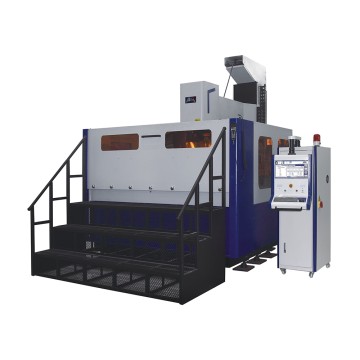
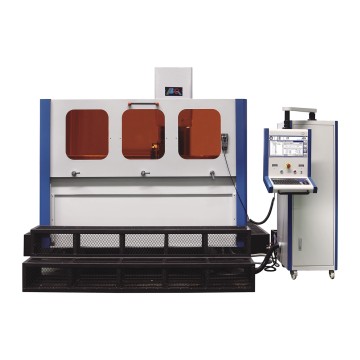
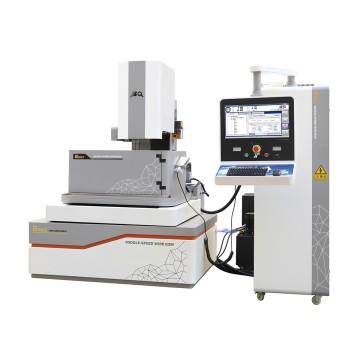
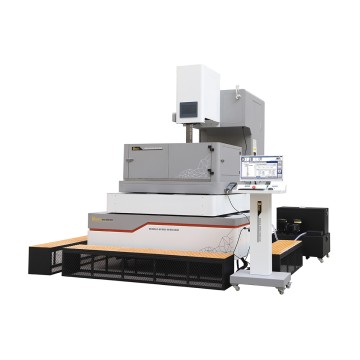
As vehicular architectures undergo profound transitions toward electric mobility, structural lightweighting, and automated precision, non-contact electrical discharge machining sets new production frontiers.
The global automotive manufacturing paradigm is undergoing the most radical disruption in its century-long history. The simultaneous convergence of New Energy Vehicle (NEV) adoption, rigid light-weighting mandates for battery-electric platforms, and autonomous driving mechatronics requires Tier-1 automotive suppliers and OEM tooling rooms to manufacture components with tighter geometric tolerances, micro-inch surface finishes, and zero mechanical distortion. In this hyper-demanding production ecosystem, Wire Cut Electrical Discharge Machining (Wire Cut EDM / WEDM) has transformed from an offline auxiliary toolroom machine into an indispensable, core production instrument for automotive engineering.
Unlike traditional rotary cutting operations such as 5-axis CNC high-speed milling, turning, or broaching—which inherently impart physical cutting forces, thermal deflection, and tool chatter on the workpiece—Wire Cut EDM operates through high-frequency electro-thermal erosion. With recurring microsecond electrical sparks discharging across a dielectric fluid channel between a continuously moving conductive wire electrode and the workpiece, metal melts and vaporizes seamlessly without mechanical friction. This fundamental non-contact nature eliminates residual internal stress, making Wire Cut EDM the primary process for machining ultra-hard alloys, hardened tool steels (such as Cr12MoV, DC53, SKD11, and heat-treated Martensitic stainless steels rated at 60–65 HRC), polycrystalline diamond inserts, and sintered tungsten carbides ubiquitous in modern automotive chassis stamping dies and powertrain tooling.
Thermal electro-spark erosion completely bypasses physical cutter loading, safeguarding fragile multi-cavity dies and wafer-thin motor stator walls from micro-fracturing and warping.
Delivering pitch repeat accuracy down to ±0.002 mm and mirror-level surface finishes (Ra ≤ 0.4 μm), drastically reducing downstream manual polishing on automotive stamping punches.
Advanced 5-axis to 10-axis synchronized CNC architectures enable high-taper cutting up to ±30° and ±60°, catering directly to complex 3D automotive exhaust geometries and bevel gears.
From ultra-high-strength steel stamping to intricate electric drive lamination dies, explore how wire cut EDM technology empowers high-throughput automotive manufacturing lines.
Automotive structural crash cages increasingly depend on hot-stamped Boron steel and ultra-high-strength dual-phase steels (DP980/DP1180) to maximize passenger safety while minimizing curb weight. The progressive and transfer dies used to punch and form these high-tensile components require tungsten carbide insert blocks, complex shear trim dies, and tight punch-to-die clearances commonly below 0.01 mm. Wire Cut EDM delivers the continuous path accuracy and consistent taper angle compensation necessary to ensure uniform cutting clearances across high-cavity stamping dies, multiplying die operational lifespan to millions of strokes before resharpening.
In traction motors powering electric vehicles, electrical efficiency directly dictates driving range. EV motor rotors and stators comprise hundreds of stacked, micro-thin silicon steel laminations (often 0.2 mm to 0.35 mm thick). Punching these ultra-thin sheets at speeds exceeding 400 strokes per minute without generating edge burrs requires carbide stamping dies machined to micron-level tolerance. Any burr exceeding 5 microns causes inter-laminar magnetic eddy current losses and motor overheating. Wire Cut EDM produces the intricate multi-slot lamination cavities with immaculate edge perpendicularity and minimal recast layer, ensuring maximum magnetic flux density.
Whether in dual-clutch automatic transmissions (DCT) or electric vehicle reduction gearboxes, torque transmission parts feature intricate internal involute splines, non-standard keyways, and steep spiral angles that cannot be machined with standard broaching cutters or conventional milling. Utilizing medium-speed wire cut EDM systems equipped with multi-axis synchronous indexing rotaries, automotive gear manufacturers can directly cut pre-hardened gear teeth, prototype custom tooth profiles without costly custom broach tooling, and maintain pitch concentricity within ±3 μm.
Modern internal combustion engines and hybrid powertrains rely on ultra-high fuel injection pressures (often surpassing 350 to 2,500 bar) to satisfy Euro 7 and EPA Tier 4 emission standards. The injector nozzles, valve needles, and metering plates incorporate micro-orifices and tiny spray channels requiring burr-free microscopic geometry. Wire Cut EDM, especially micro-wire EDM utilizing specialized molybdenum or fine wire configurations down to 0.05 mm, provides clean, non-deforming electrical erosion that prevents hydrodynamic turbulence in high-velocity spray paths.
Lithium-ion battery packs for electric vehicles require precision-cut oxygen-free copper and aluminum busbars for series-parallel connections, as well as ultra-thin roll-bonded or extruded aluminum cooling plates with complex serpentines. The specialized forming molds and extrusion dies for these high-thermal-conductivity materials demand smooth fluid-dynamic passages and high taper transitions. Multi-axis wire cut EDM fulfills these geometric requisites effortlessly, preventing thermal oxidation and providing reliable surface finishes.
Smart matrix LED and laser headlamps integrate complex micro-prisms and freeform light guide optics to deliver adaptive driving beam (ADB) patterns. The mold inserts for these optical lenses require sharp facet transitions, razor-thin rib gates, and steep draft angles without tool radiusing limitations. Wire cut EDM achieves internal corner radii as tight as R0.03 mm, allowing automotive lighting designers complete artistic and optical freedom without manufacturing compromises.
Unlocking unprecedented machining speed, energy reduction, and automated parameter convergence for automotive manufacturing excellence.
In global industrial practice, wire electrical discharge machining is broadly categorized into High-Speed Wire EDM (HS-WEDM), Low-Speed Brass Wire EDM (LS-WEDM), and Medium-Speed Wire EDM (MS-WEDM). While slow-speed brass wire machines offer high precision, their single-use wire consumption creates significant operational expenditure, rendering them cost-prohibitive for high-volume automotive tooling maintenance. Medium-Speed CNC Wire Cut EDM machines—utilizing high-strength reusable molybdenum wire paired with intelligent multi-skim cutting technology—have emerged as the optimal balance for the automotive sector. By executing an initial high-current roughing pass followed by multiple low-energy finishing and trimming passes, MS-WEDM machines achieve dimensional tolerances within ±0.005 mm and surface roughness values of Ra ≤ 0.6–0.8 μm at an operational cost roughly one-fifth that of brass wire systems.
A longstanding challenge in cutting thick automotive stamping blocks (ranging from 150 mm to over 500 mm in height) is the instability of gap discharge conditions. Thermal buildup, incomplete flushing of dielectric debris, and abnormal electrical arcs frequently trigger wire breakage, which permanently marks the workpiece surface and ruins costly die steel. The integration of modern AI-powered intelligent CNC control architectures has fundamentally resolved this bottleneck. Intelligent sensing arrays monitor high-frequency discharge waveforms millions of times per second, distinguishing between normal sparks, short circuits, and harmful continuous arcs.
When an abnormal spark concentration is detected—for instance, when traversing sudden variations in workpiece thickness or hollow internal cavities—the neural-network-driven CNC controller instantly modulates pulse width, pulse interval, wire tension, and dielectric flushing pressure in real time. This adaptive self-learning capability prevents wire rupture, stabilizes discharge energy, and achieves uninterrupted, 24/7 "lights-out" uncrewed production in automotive fabrication cells.
In the past, automotive stamping tool engineers expressed concern over the "white layer" or recast layer created during EDM—a thin layer of molten steel re-solidified on the surface possessing altered metallurgical grain boundaries and micro-tensile stress. Under repetitive high-impact cyclic loads on an automotive press line, micro-cracks can nucleate within this recast zone. Modern high-precision medium-speed EDM systems utilize ultra-short, high-frequency non-electrolysis pulsed power supplies. By reducing the single-pulse discharge energy in the final trimming stages, the thermal penetration depth is restricted to under 2 microns, effectively neutralizing micro-crack formation and matching the fatigue life of traditionally ground and polished die surfaces.
Our company is sincerely willing to cooperate with enterprises from all over the world to achieve a win-win situation.
21
October.2025
21
October.2025
21
October.2025
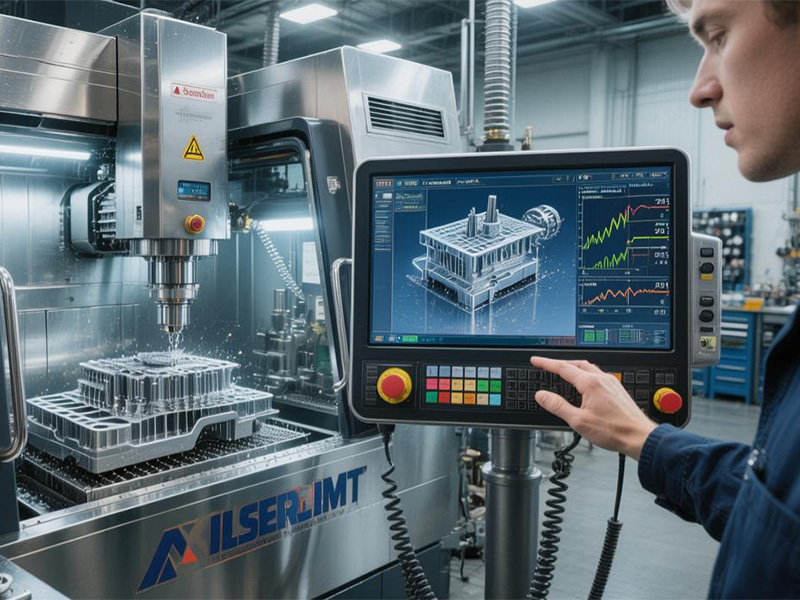
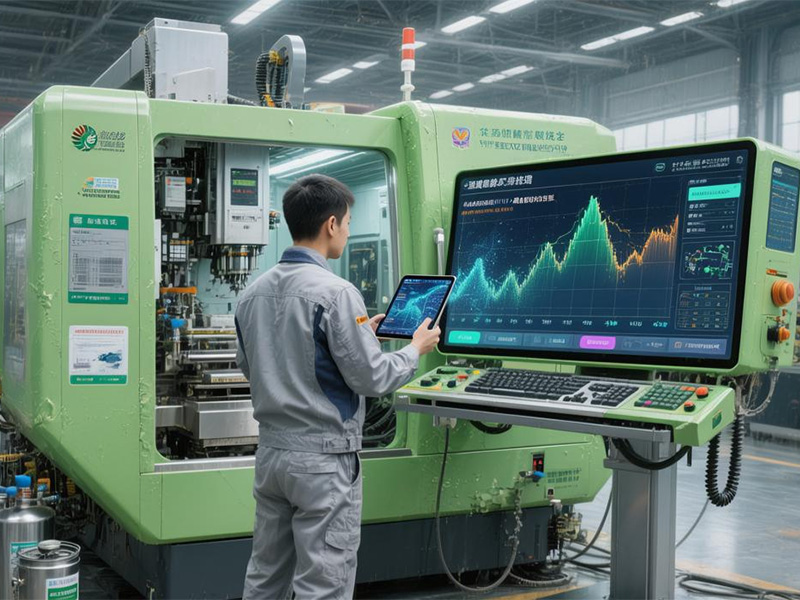
The world's first AI-powered intelligent CNC system has been released, enabling "self-learning" capabilities. On October 5, 2025, Huazhong CNC and Huazhong University of Science and Technology unveiled this revolutionary architecture, pioneering real-time autonomous discharge optimization for high-end manufacturing including automotive precision tooling.
Since 2025, China's "dual carbon" goals (peak carbon emissions and carbon neutrality) have driven the CNC machine tool industry to transform toward green digital operations. Eco-friendly water-based dielectrics, reduced energy standby states, and precision molybdenum wire recycling have become standard benchmarks for Tier-1 automotive equipment procurement.
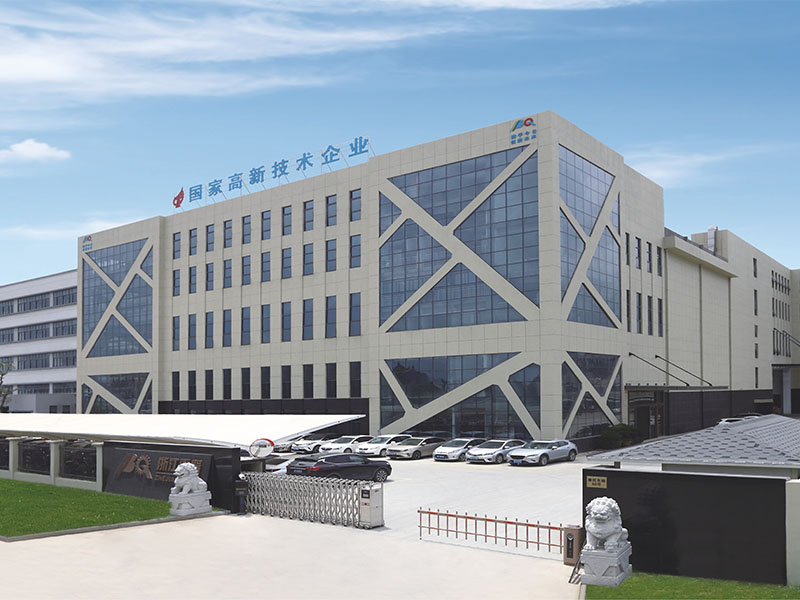
Baqi Intelligent Equipment Co., Ltd. has developed the world's first 11-axis, 10-linkage large-taper wire-cut EDM (Electrical Discharge Machining) CNC machine tool. This groundbreaking engineering marvel facilitates the direct single-setup machining of complex aerospace impellers and heavy automotive structural body dies with extreme taper profiles.
Explore our full line of multi-axis, medium-speed wire cutting EDM systems configured to support OEM stamping lines, powertrain prototyping, and precision mold manufacturing.
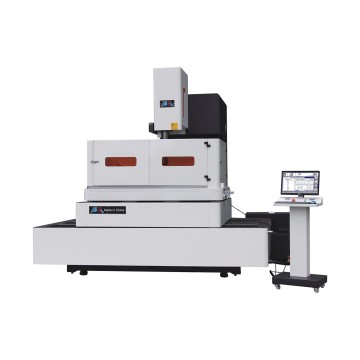
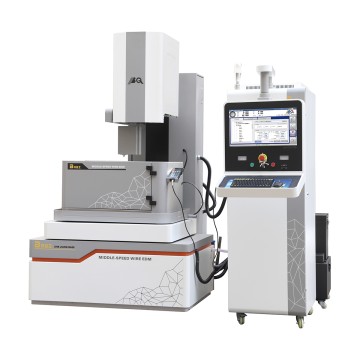
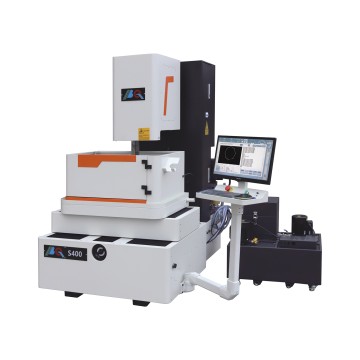
As the automotive industry strides toward autonomous driving, software-defined electric architectures, and carbon-neutral lifecycle benchmarks, production equipment must continually break conventional physics boundaries. Wire Cut EDM technology represents a linchpin capability that directly enables automotive OEMs and tier suppliers to conquer next-generation materials: from ultra-hard tungsten carbide punches and titanium alloy suspension mounts to silicon steel motor cores and composite thermal enclosures.
By blending 10-axis synchronous kinematic mechanisms, AI-driven adaptive spark control, and sustainable medium-speed molybdenum wire recyclability, our cutting-edge Wire Cut EDM machines offer the ideal harmony of sub-micron precision, low lifecycle ownership cost, and unyielding production uptime. Partner with us as we empower automotive engineering enterprises worldwide with intelligent, reliable, and future-ready manufacturing solutions.