
inquiry
Leave Your Message

Blog

What Is a CNC Gas Cutting Machine and How Does It Work?

What Is a CNC Gas Cutting Machine and How Does It Work?

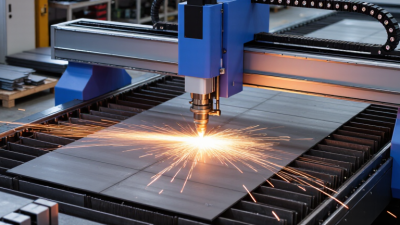
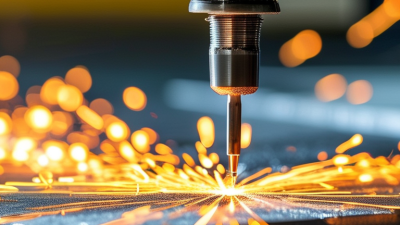
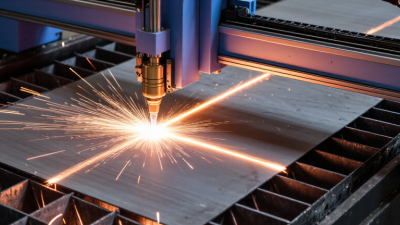
A CNC gas cutting machine is basically what it sounds like—it uses a fuel gas flame and oxygen to cut metal along a programmed path. The big difference from a hand-guided torch? It moves the cutting head on its own, in a controlled motion across the worktable. That's a game changer if you're making a bunch of the same shape—they come out way more consistent. That said, it's not magic. How accurate it actually is depends on your setup, the material, and how much the operator knows what they're doing. So here's how it all starts: you've got a digital cutting file. The operator gets everything dialed in—plate position, cutting speed, torch height, gas pressures. Then the torch fires up, heats the metal, and once it's hot enough, a stream of oxygen blasts away the molten stuff along the cut line. There's that steady hiss, and sparks are flying down underneath the plate. Honestly, small tweaks make a big difference. If the nozzle's worn, or the pressure's off, or the sheet isn't clamped down tight, you'll end up with rough edges or dimensions that just aren't right. CNC gas cutting is a go-to for steel plate, especially when you're dealing with big profiles or thicker material. That said, it's not magic — its practical limits really depend on your machine, the gas setup, the steel itself, and what kind of finish you're after. It's easy to think it can replace plasma or laser cutting everywhere, but it really can't. Before you start production, it's worth doing a test cut and double-checking the settings, and definitely follow the manufacturer's operating and safety guidance. Even then, you'll probably need to inspect and clean up the results a bit. If you take the time to understand how the machine actually works, it makes a big difference. Buyers can compare equipment more realistically, and operators are better able to tell when a cut is starting to go off and needs a tweak.
Read more »
Isabella By:Isabella - November 4, 2026
Best CNC Machine Tools in China for Global Buyers

Best CNC Machine Tools in China for Global Buyers

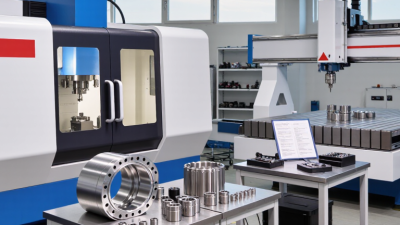
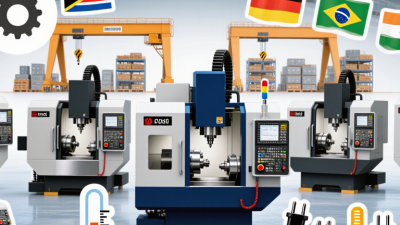
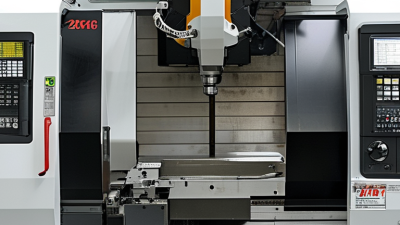
So, you're looking for the best Cnc Machine Tools in China, huh? It's easy to get caught up in price tags or spindle speeds—but honestly, that's only part of the story. What really matters for global buyers is finding a machine that fits how you actually produce: what materials you're working with, the tolerances you've got to hit, batch sizes, how often it'll be running, and—believe it or not—how much floor space you have to spare. You know, a compact vertical machining center might be perfect for a precision job shop. But if you're dealing with large aluminum parts, a high-speed gantry machine could be the better call. At the end of the day, the details really do matter. So, there’s this manufacturing systems scholar, Yoram Koren, and his work gives you a pretty useful way to look at things. In short, he basically says manufacturing systems should adapt as products and demand change. That’s a handy principle if you’re a buyer trying to figure out whether a machine can handle future part variations—not just whatever sample you’re looking at today. And when it comes to suppliers in China, you’ve got everyone from well-established brands to specialized builders. But here’s the catch: quality and service can vary quite a bit. Also, don’t assume every quote tells you the whole story. Okay, so when you're putting together a shortlist you can actually trust, don't just skim the brochure. Make sure they include verified specs, real component brands, factory inspection options, and documented acceptance tests. And here's a big one—ask them to run a machining demo using your material and your drawing. Don't skip that. Then, under agreed conditions, check things like positioning accuracy, repeatability, surface finish, and how tool changes perform. It's also worth asking for references from customers who run similar parts. And get everything about training, spare parts, remote support, and response times in writing. Sure, a low price might catch your eye at first, but that can be deceiving. Honestly, nobody wants downtime—simple as that. Before you place an order, it’s worth comparing not just prices but also shipping, installation, and commissioning requirements. This guide walks you through some of the leading Chinese CNC machine tools and practical things to check when buying internationally. That said, it’s not a substitute for an independent technical review, and you should definitely verify what suppliers claim. A little caution goes a long way.
Read more »
Isabella By:Isabella - October 31, 2026
10 Best CNC Coiling Machines for Global Buyers?

10 Best CNC Coiling Machines for Global Buyers?

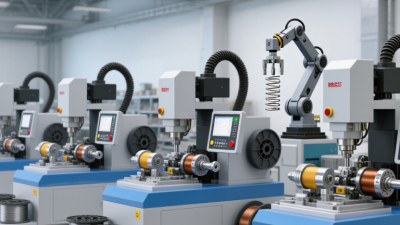
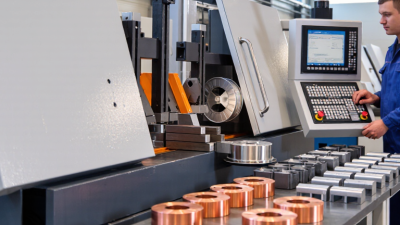
Honestly, choosing a Cnc Coiling Machine isn't just about comparing prices or counting servo axes—there's a lot more to it. If you're a global buyer, you really need to dig into things like wire diameter, coil pitch, forming speed, tooling flexibility, and after-sales support. I mean, a machine might look fantastic in a showroom, but then it totally struggles with thin stainless steel wire on a humid factory floor. Yeah, that's a common issue. So, Grand View Research reckons the global CNC machine market hit about $88.56 billion back in 2023. And they're predicting it'll keep growing through 2030, thanks to automation and precision manufacturing. Plus, the International Federation of Robotics says we had 541,302 industrial robots installed worldwide in 2023. That's a whole lot of robots, honestly. These numbers definitely show where modern production is headed. But here's the catch: they don't guarantee that every automated coiling system is gonna fit every factory. You know, it's not one-size-fits-all. You know, W. Edwards Deming—the guy who basically wrote the book on manufacturing quality—once said something that really sticks with me: “Quality comes not from inspection, but from the improvement of the production process.” And honestly, that idea applies perfectly when you're picking out equipment. You can't just trust the shiny brochure or the sales pitch. What you actually want to do is get your hands on some real production samples, measure the coil consistency yourself, and dig into those downtime records—like, the messy ones, not the pretty charts. Then, go ahead and ask the tough questions: What controller brands are they using? How easy is it to get spare parts? Do they offer decent operator training, and are software updates actually included or are they an upsell? Yeah, those small details can make or break your experience. Trust me, they matter way more than you'd think. Okay, so this guide is all about comparing ten top CNC coiling machine options if you're buying from overseas. We're looking at things like accuracy, productivity, energy usage, safety features, and of course, technical support. Now, the rankings? They're not set in stone, honestly. A lot depends on your region - like voltage standards, labor costs, and how good local support is. That can totally flip your decision. Also, just because a machine is super fast doesn't mean it's the best for you. Trust me, the right machine is the one that works reliably with your specific wire, your tooling, and what you need to produce day in, day out.
Read more »
Sophia By:Sophia - October 27, 2026
What Are the 10 Best Wire Cutting Machines?

What Are the 10 Best Wire Cutting Machines?

Picking the right Wire Cutting Machine? Honestly, it can be the difference between a precision part coming out great and one that quietly fails while you're running production. And in a busy workshop, you notice it in the little things—a steady spark, a clean corner, wire tension that stays consistent, and fewer tweaks from the operator. Sure, a machine might claim it can hit ±0.001 mm. But what actually happens on the shop floor? That depends on a lot of stuff—material thickness, how well you control the dielectric, flushing pressure, and whether you keep up with maintenance. The specs look great on paper, but numbers by themselves can lead you astray. So, Dr. Masanori Kunieda—someone who's pretty well respected in wire EDM research—once made a point that really sticks with you: precision comes down to how well you control discharge energy and wire movement. And honestly? That idea still holds up when you're looking at the big names, like Mitsubishi Electric, FANUC, Sodick, Makino, and GF Machining Solutions. What sets their machines apart? Things like generator design, automatic threading, how smart the software is, cutting speed, and—yeah—the quality of support you get. Honestly? The best choice usually isn't the most expensive model. It's the one that actually fits your factory — the materials it uses, the tolerances you're aiming for, how much you're producing, and how experienced your operators are. This guide takes a look at ten machines that people generally rate pretty highly, and it does so from a practical angle. We're talking cutting accuracy, surface finish, how reliable the threading is, energy use, how easy service access is, and total cost of ownership. It also goes past the glossy showroom claims. A machine might be fast, sure, but if flushing is weak, you can still end up with disappointing results. Likewise, a budget-friendly model can get expensive fast when spare parts take forever to show up. And honestly, some comparisons are never going to be perfect, since published test conditions aren't always the same. That limitation is definitely worth keeping in mind. Before you buy, though, you'll want to check samples yourself, look over finished workpieces, and ask for application trials. Think of the list below as a helpful starting point—not the final word. In the end, real production conditions are what really decide which one wins.
Read more »
Sophia By:Sophia - October 24, 2026
China Top 10 CNC Equipment Manufacturers for Global Buyers?

China Top 10 CNC Equipment Manufacturers for Global Buyers?

China has become a major sourcing destination for Cnc Equipment, serving automotive, aerospace, electronics, and precision engineering companies worldwide. Its manufacturers now offer machining centers, CNC lathes, turning systems, grinding machines, and automated production lines. This guide examines ten influential suppliers, including Haitian Precision, Shenyang Machine Tool, Dalian Machine Tool Group, Qinchuan Machine Tool Group, JIER Machine-Tool Group, Beijing No. 1 Machine Tool, BOOHI, Zhejiang Rifa Precision Machinery, Jiangsu Yawei, and Neway CNC Equipment. Their capabilities differ widely. Some focus on high-volume production, while others support customized or complex machining projects. Performance matters. Manufacturing quality expert W. Edwards Deming stated, “Quality comes not from inspection, but from the improvement of the production process.” That principle remains important when evaluating Chinese CNC manufacturers. Buyers should review spindle accuracy, controller compatibility, thermal stability, after-sales support, spare-parts availability, and documented testing procedures. Factory audits and sample machining can reveal more than brochures. No ranking is perfect. Public data can be uneven, and dealer claims may require verification. A lower-priced machine may also involve longer commissioning, training, or maintenance costs. This article therefore compares practical evidence, not marketing language alone. It considers export experience, certifications, production scale, engineering depth, customer support, and application suitability. The strongest supplier is not always the largest. It is the one that consistently matches a buyer’s material, tolerance, workload, budget, and service expectations.
Read more »
Sophia By:Sophia - October 20, 2026
10 Wire Cutting Equipment Buying Tips for Global Buyers

10 Wire Cutting Equipment Buying Tips for Global Buyers

Buying Wire Cutting Equipment isn’t just a price comparison. For global buyers, it’s really about matching machine performance to what’s actually happening on the production floor—service access and long-term risk matter just as much. Take the market numbers: Fortune Business Insights put the global wire and cable market at roughly USD 216.56 billion in 2023, and its report sees continued growth through 2032. The International Energy Agency’s Electricity 2024 report expects global electricity demand to grow by about 3.2% a year from 2024 to 2026. That’s good news for cable processing and cutting systems, sure. But market growth doesn’t automatically mean a machine fits your setup. A cutter that looks fast on paper might struggle with thick copper, flexible insulation, or coil tension that just won’t stay consistent. Automation is another big piece. The International Federation of Robotics reported 541,302 industrial robots installed worldwide in 2023. That says a lot about the push toward connected, repeatable manufacturing. So buyers should look closely at cutting accuracy, cycle time, blade life, software compatibility, safety design, and operator training. Ask suppliers for real sample tests. Check cut surfaces under bright light. Measure length variation across repeated batches. And honestly? No checklist is perfect. A low purchase price can get very expensive after six months of downtime. Some specs look impressive but don’t have practical factory evidence behind them. This guide offers ten buying tips for global buyers, covering total ownership cost, spare parts, regional support, certifications, energy use, and upgrade potential. Reliable decisions come from documented data, direct communication, and a willingness to question assumptions that sound too good to be true.
Read more »
Lila By:Lila - October 14, 2026
How to Choose CNC Equipment in 2026?

How to Choose CNC Equipment in 2026?

Honestly, picking Cnc Equipment in 2026 is about a lot more than price tags and spindle speeds. You need a machine that actually fits your materials, your production volume, your floor space, your operators, and where your shop is headed. A compact three-axis mill might be perfect for a prototype shop, while a five-axis machining center could cut down on setups for aerospace parts. The right call comes from evidence, not just glossy brochures. Experienced buyers don't stop at the spec sheet. They look at cutting tests, repeatability reports, how easy the controller is to use, and how fast service responds. Ask a supplier to run your actual aluminum, steel, or composite sample. Watch the tool change, check the surface finish, and measure the final part. Those little details matter. A smooth demo alone? Not enough. Total cost is another thing people forget. It includes tooling, software, training, maintenance, electricity, and downtime. In 2026, connected monitoring and energy-efficient drives might boost productivity, but new features can also add complexity. Before you sign anything, confirm data security, software compatibility, operator access, and the safety requirements that apply to you. And talk to current users, not just the sales team. Their feedback often uncovers noise issues, calibration delays, or support that's harder than it should be. No machine is perfect. Your first shortlist may still change once you test real workloads. That's not a failure; it's a useful reality check. Solid decisions come from documented requirements, independent checks, and realistic payback math. This guide will look at machine types, automation options, control systems, supplier credibility, and ownership risks. With a disciplined evaluation, manufacturers can choose Cnc Equipment that handles accurate work today and stays adaptable tomorrow.
Read more »
Lila By:Lila - October 11, 2026
China Top 10 CNC Machine Manufacturers for Global Buyers

China Top 10 CNC Machine Manufacturers for Global Buyers

China has quickly turned into a big go-to source for CNC equipment, especially for manufacturers buying internationally. You’ll find its suppliers working across automotive, aerospace, medical, electronics, and general engineering. So this guide takes a look at China’s top 10 Cnc Machine manufacturers for global buyers who want solid equipment and support they can actually count on. How did we pick them? We looked at product range, machining accuracy, factory experience, export history, technical service, and whether long-term parts are realistically available. Names like Shenyang Machine Tool, Dalian Machine Tool Group, Haitian Precision, Qinchuan Machine Tool, and BYJC all bring different strengths to the table. Some are built for high-volume production. Others lean toward heavy-duty turning, precision milling, or custom automation. Either way, each one deserves a closer look. And honestly, performance isn’t just about a shiny catalog. Buyers should check sample parts, spindle specs, control systems, positioning accuracy, and maintenance procedures. Factory video tours are useful, sure, but direct technical conversations usually tell you more. Ask for inspection reports and delivery schedules that aren’t just wishful thinking. The details really do matter. This article also gets into the practical side of ownership: operator training, software compatibility, installation support, warranty response, and replacement components. A lower sticker price doesn’t always mean lower total operating costs. Fit matters. No single ranking is going to make every factory happy. A small workshop might care most about flexibility, while an automotive plant may focus on cycle time and automation. Some conclusions will always be debatable, since performance can shift from one model to another and from one production setup to the next. That limitation is worth keeping in mind. Global buyers should treat this list as a starting point, then verify capabilities through testing, references, and clear commercial agreements. The right Cnc Machine isn’t just the most advanced one. It’s the machine that consistently fits the buyer’s material, tolerance, workload, budget, and service expectations.
Read more »
Lila By:Lila - October 7, 2026
7 Tips for Buying an Axis CNC Machine?

7 Tips for Buying an Axis CNC Machine?

Looking to buy an Axis Cnc Machine? Remember, it's more than just grabbing some metal, motors, and software—it's actually a pretty big decision that can really impact your production. Choosing the right machine can bump up your accuracy, cut down setup times, and help you avoid costly rework. But if you pick the wrong one, you might end up with an expensive machine just gathering dust on the shop floor. Peter Zelinski, the Editor-in-Chief of Modern Machine Shop, often reminds folks of this simple but important point: “A CNC machine isn’t just a standalone asset; it’s part of a larger manufacturing system.” That kind of thinking really matters when you’re weighing your options. When comparing seven key factors—like the machine’s travel, spindle speed, control quality, rigidity, tooling compatibility, operator support, and overall cost—it’s essential to dig deeper. Sure, a machine might look super impressive in the showroom, but will it actually handle your specific materials, tolerances, or batch sizes? Always measure twice—trust me on that. And experience can often bring out the details that aren’t shown in brochures. For instance, a compact Axis CNC Machine might fit nicely into a tight workshop, but if its working envelope is too small, it could limit your future contracts. Meanwhile, a machine with a powerful spindle might cut aluminum like butter, but it might not give you the finish you need for hardened steel. So, don’t just take their word for it—ask to see samples of actual parts, check how quickly they respond to service needs, and try out the control interface with a real operator. Brochures tend to oversimplify things, so it’s worth digging a little deeper. In this guide, I’ve put together seven practical tips to help you evaluate suppliers and machine specs. I also cover important practical aspects—like how much space you have, training needs, maintenance access, and what kind of return on investment you can realistically expect. Not all decisions will be perfect, and that’s totally normal. The point isn’t to find the perfect machine, but to pick one that reliably meets the kind of work you actually plan to do.
Read more »
Sophia By:Sophia - October 1, 2026
How to Choose the Best Plasma CNC Machine for Your Business

How to Choose the Best Plasma CNC Machine for Your Business

Picking the right Plasma Cnc Machine isn’t just about grabbing the biggest or fastest machine you see in a brochure. It really starts on your shop floor—thinking about what materials you cut, how thick they are, and how much you’ll be running the machine each week. For example, a small shop making mild steel brackets has completely different needs compared to a big production line dealing with long plates. And those differences show up in the practical details—like how clean and precise the cut is, how much time you need for setup, how often you need to change consumables, and even how much space you need around the table. Jim Colt, who’s pretty well-known in the plasma-cutting world, often shares useful tips about these systems and processes. Here’s a quick paraphrase (not an exact quote): "Pick a machine that matches the parts you actually cut, not just the top speed it boasts on paper." That’s a good rule of thumb, but it’s not the whole story. When shopping around, you’ll want to compare things like the power source, CNC controls, torch height control, software compatibility, exhaust requirements, and support in your area. Don’t forget to ask suppliers for sample cuts on your actual materials—check out the edges, bevels, and any dross yourself. And bring a real part drawing, instead of just a fancy demo file. Now, let’s talk numbers. Be sure to factor in costs like installation, training, consumables, maintenance, and potential downtime when estimating what you’ll actually spend over time. Even a machine that cuts super fast can end up being expensive if the setup process is a nightmare or if support takes forever to respond. Some specs can be pretty confusing—totally worth admitting that upfront. Make a list of your questions, verify claims with documentation, and if possible, chat with other users who already have the same or similar machines. Usually, the best option isn’t the machine with every feature under the sun, but the one your team can operate reliably, safely, and profitably—even as your orders fluctuate.
Read more »
Lila By:Lila - September 26, 2026
7 Tips for Choosing Wire Cutting Equipment?

7 Tips for Choosing Wire Cutting Equipment?

Picking out the right Wire Cutting Equipment isn’t just about scanning prices or rushing to find the fastest machine out there. You’ve gotta think about whether it really fits your materials, tolerances, how much you’re actually producing, and how much maintenance you’re willing to handle. For example, setting up a machine for hardened steel is totally different from copper, aluminum, or carbide—those little details really do matter. Masanori Kunieda, a well-known researcher in EDM, often stresses something simple but super important: “Stable discharge conditions are key for getting precise cuts.” That’s a good rule of thumb to keep in mind when choosing equipment. Just because a machine boasts impressive specs doesn’t mean it’ll give you perfect results. You might still end up with jagged edges, frequent wire breaks, or long cycle times. So, don’t just take marketers’ word for it—ask for real-world proof, like test results or case studies. In this guide, I’m sharing seven practical tips for choosing your wire cutting gear. We’re talking about things like cutting accuracy, machine robustness, control systems, how much wire it eats, automation features, support services, and overall running costs. Sometimes, a quick test cut will tell you a lot more than a fancy brochure. Check the corners for sharpness, look at the surface finish, and after the piece cools down, measure the final dimensions to be sure. And hey, don’t assume the cheapest option is always the best deal. Sometimes, going low-cost can turn out to be a costly mistake in the long run—lesson learned the hard way, right? Also, think about the people who’ll be working with the machine. If they’re not familiar with complex software, even the coolest features won’t help much. Plus, make sure spare parts are easy to find—that’s often what trips people up and causes days of downtime. Of course, no list or checklist is perfect. Your specific job might throw unexpected challenges those specs don’t cover. So, it’s smart to test machines under real working conditions, keep notes of what you find, and question every assumption before you decide on your wire cutting setup.
Read more »
Sophia By:Sophia - September 23, 2026
2026 Best CNC Machine Tools for Global Buyers

2026 Best CNC Machine Tools for Global Buyers

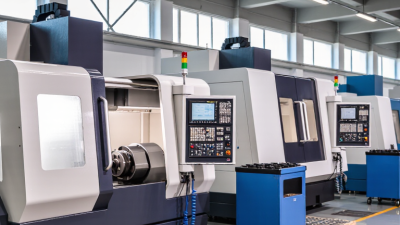
Choosing the best Cnc Machine Tools for 2026 isn't just about comparing spindle speeds or the price tags. Honestly, buyers around the world need more than that—they look for reliable accuracy, practical automation features, good service options, and clear ownership costs. Sure, a machine might look fantastic in the showroom, but it can totally underperform in a humid workshop or after running for long hours straight. The truth is, seeing real-world results matters a lot. Watching test-cut videos, reading verified user reviews, checking maintenance logs, and seeing factory acceptance reports can uncover details that fancy brochures rarely reveal. This guide dives into different kinds of machines—machining centers, turning centers, multi-axis setups, and compact production models—mostly from big names like Mazak, DMG MORI, Haas Automation, Okuma, and Makino. We’re looking at things like positional accuracy, thermal stability, how easy the controls are to use, how many tools they can hold, energy needs, and how safe they are for operators. Regional support is also a big deal; having spare parts available in places like Germany, Brazil, India, or South Africa can really make or break the total value of a machine. Honestly, there’s no one-size-fits-all winner here. A high-speed five-axis machine might be perfect for aerospace parts but totally overkill for a small job shop. On the flip side, a simple three-axis machine could give you way better bang for your buck if you’re working on repeatable components. Keep in mind that some comparisons aren’t perfect—basically, factory data can sometimes differ from how a machine actually performs in the field. So, don’t just take their word for it. Challenge those glowing claims, ask for sample parts, and do the math on possible downtime before you commit to buying. All in all, this 2026 review aims to keep things balanced—based on real experiences—to help you make smarter purchasing decisions, ensure smooth installation, and keep your production running reliably, no matter where you are in the world.
Read more »
Lila By:Lila - September 18, 2026
How to Choose a CNC Engraving Machine in 2026?

How to Choose a CNC Engraving Machine in 2026?

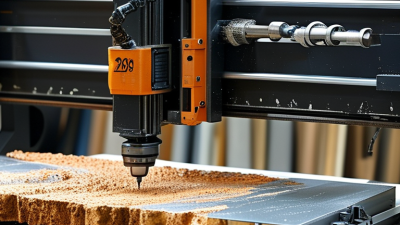
Deciding on a Cnc Engraving Machine in 2026 isn’t just about grabbing the one with the biggest spindle or the fastest specs you see advertised. Honestly, a smart choice starts with looking at your workbench setup. Think about the materials you'll be working with, how deep you need to engrave, the volume you're planning, the space available on your shop floor, and how comfortable the operator is with the machine. Like, a machine that works well for cutting aluminum really needs a different level of rigidity compared to one used for engraving wood, acrylic, or coated metals. You’ll notice these differences in the small stuff — like vibration marks around letters or dust gathering near the guide rails, which can tell you a lot about the machine’s suitability. Yoram Koren, a well-respected expert in CNC and manufacturing automation, once said, “The goal of automation is not to replace people, but to make their work more valuable.” That’s a really good mindset to keep in mind when you're comparing different CNC engraving machines. Things like good software, simple workholding, easy maintenance, and quick access to support can actually matter way more than having the fanciest specs. Make sure you check out the controller interface, ask for a live demo of cutting a real piece, and find out how fast they can get replacement parts if needed. Sometimes, going for the cheapest machine might end up costing you more down the line — with constant tool changes, calibration issues, or poor customer service eating up your time and budget. It happens, even to folks with experience. People often overlook stuff like dust extraction, noise levels, electrical needs, or how long it takes to get trained. This guide takes a closer look at things like machine structure, spindle performance, accuracy, software compatibility, safety features, and overall ownership costs. It also challenges some common assumptions — like bigger isn’t always better, and faster doesn’t automatically mean more productive. The key is choosing wisely — a machine that fits today’s projects but also leaves room for learning, upgrades, and the inevitable little mistakes that come with working hands-on.
Read more »
Isabella By:Isabella - September 14, 2026
What Is a Wire EDM Machine and How Does It Work?

What Is a Wire EDM Machine and How Does It Work?

So, a Wire Edm Machine works by melting away conductive material using controlled electrical sparks, rather than physically cutting through it. Basically, a thin brass wire moves back and forth between two guides, while dielectric water keeps everything cool during the process. Each spark little by little melts a tiny area of the material. Then, a flushing system whisks away the debris, keeping things clean. The cool part? There’s no direct force pushing on the workpiece — it’s all about those sparks doing their thing. If you look at industry reports, you'll see why this tech still holds its ground. For instance, Grand View Research pegged the global electrical discharge machining market at around USD 5.5 billion in 2023, and they’re betting it’ll keep growing right through to 2030. MarketsandMarkets points out that sectors like aerospace, medical devices, and automotive manufacturing are major demand drivers. But heads up — those reports often lump together different types of EDM like sinker EDM, hole-drilling EDM, and wire systems. So, their numbers aren’t just about Wire Edm Machines specifically. Now, John A. McGeough, a pretty well-respected guy in the world of non-traditional machining, sums up EDM as “material removal by electrical discharges between the tool and the workpiece.” That’s the core idea behind what makes these machines so powerful. They can create sharp internal corners, tough hardened steel profiles, and intricate carbide parts. A programmed wire can follow a precise shape, keeping a narrow cut (or kerf). But, here’s the catch — accuracy doesn’t happen just automatically. Things like wire tension, how well water conducts electricity, thermal distortion, and flushing pressure all influence the final shape. Even small mistakes can matter a lot. This is where good old hands-on experience really counts. Operators usually inspect the first cut closely, compare it with measurements, and tweak the machine’s offsets as needed. It might seem straightforward, but there’s a bit of a learning curve—something you kind of get a feel for over time. The bottom line? The Wire Edm Machine is a pretty powerful tool, but it’s not exactly effortless. Achieving great results depends a lot on proper setup, regular maintenance, understanding your materials, and keeping a close eye on things throughout the process.
Read more »
Isabella By:Isabella - September 11, 2026
What Are the 2026 Top Automated Machine Tools for Buyers?

What Are the 2026 Top Automated Machine Tools for Buyers?

Picking the right automated machine tool in 2026 isn’t just about comparing prices or glitzy specs. Honestly, you need to dig a little deeper—look at accuracy, cycle times, how stable the software is, energy efficiency, easy access for maintenance, and how well you or your team are trained to use it. The most impressive-looking machines in brochures won’t cut it if they don’t support real, measurable productivity. In this guide, I’ll walk you through some of the top automated systems from big names like FANUC, Siemens, Mazak, Haas Automation, and DMG MORI. We’ll consider how good their CNC controls are, whether they have robotic loading, how they monitor tools, the predictive maintenance features, and how well they can integrate with your existing factory software. If you’re serious about buying, ask for actual cutting trials on materials similar to what you’ll be working with. Small details can really make a difference—like a clear alarm screen that saves you precious minutes during a busy night shift or easily accessible filters that prevent routine maintenance delays. But beware— rankings aren’t everything. A machine’s real performance depends heavily on how well it’s programmed, installed, the workholding, and your production volume. Sometimes, a pricey model might not do so well in a small shop with limited support. So, it’s smart to compare verified data, check how fast their service response is, look into warranty terms, and see if spare parts are readily available. Independent testing and customer reviews are often more trustworthy than just marketing claims. Also, don’t forget to review safety features carefully, making sure they meet your local requirements. Keep in mind—no machine is perfect. Some might be lightning-fast but a nightmare to set up, while others are easier to operate but lack advanced automation options. The key is finding a balance that matches your capabilities, reliability needs, budget over its lifecycle, and your actual production needs. This intro should help you get a sense of the main models and what to consider before making your smart investment in 2026.
Read more »
Lila By:Lila - September 8, 2026