Leave Your Message
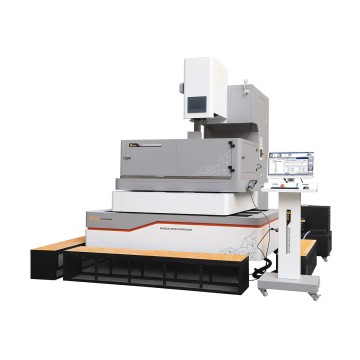
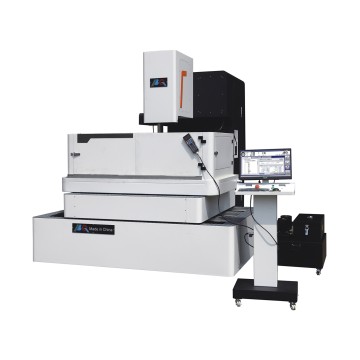
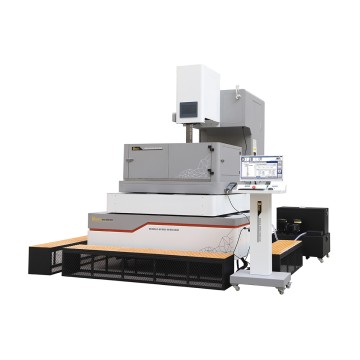
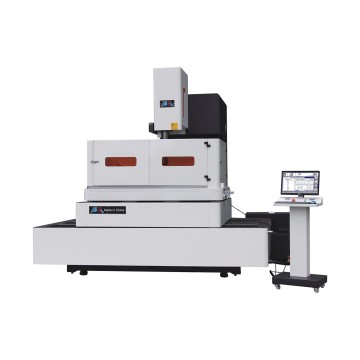
Our flagship medium-speed CNC wire cutting EDM machines deliver sub-micron precision required by the medical device industry — from orthopedic implants to cardiovascular stents.
The global medical device manufacturing industry is undergoing a profound transformation driven by the demand for smaller, more complex, and biocompatible components. Micro CNC machines — particularly wire-cut EDM (Electrical Discharge Machining) systems — have become indispensable tools in producing parts with tolerances measured in micrometers. Whether it is the lattice structures of titanium orthopedic implants, the razor-thin walls of cardiovascular stents, or the intricate geometries of minimally invasive surgical instruments, micro CNC machining enables a level of precision that traditional cutting methods simply cannot achieve.
🔬 Key Insight: According to industry reports, the global medical device CNC machining market is projected to exceed USD 14.5 billion by 2030, growing at a CAGR of over 6.8%. Wire EDM micro CNC machines represent the fastest-growing segment within this market, driven by the miniaturization of implantable devices and diagnostic equipment.
Unlike conventional milling or turning, wire EDM micro CNC machines use a precisely controlled electrical discharge to erode material without mechanical contact — eliminating cutting forces that could distort delicate medical-grade workpieces. This non-contact process is ideal for hard-to-machine materials such as titanium alloys, cobalt-chrome, nitinol (nickel-titanium), and medical-grade stainless steel, all of which are commonly used in implantable and surgical devices.
The numbers behind micro CNC machining's rise in medical device production
Why leading medical device OEMs and contract manufacturers choose wire EDM micro CNC technology
Wire EDM achieves dimensional tolerances of ±0.001mm or better — essential for implant surfaces, stent struts, and micro-surgical components where even a 5-micron deviation can affect device performance and patient safety.
5-axis to 10-axis CNC linkage enables the machining of complex tapered, helical, and freeform geometries in a single setup — reducing errors introduced by multiple fixturing operations critical in cleanroom environments.
The absence of mechanical cutting forces eliminates workpiece deformation and residual stress — a decisive advantage when machining thin-walled implants, fragile nitinol structures, or miniature bone screws.
Titanium (Ti-6Al-4V), cobalt-chrome alloys, medical stainless steel (316L), and nitinol are all machinable regardless of hardness — wire EDM cuts by spark erosion, not mechanical force, making material hardness irrelevant.
Wire EDM produces inherently burr-free edges — a critical requirement for implantable devices where any sharp protrusion could cause tissue damage, thrombosis, or device rejection in vivo.
Modern micro CNC wire EDM machines integrate intelligent control software with adaptive parameter optimization — automatically adjusting cutting speed, wire tension, and discharge energy for consistent quality across long production runs.
From cardiovascular implants to diagnostic microfluidics — how micro CNC wire EDM serves every medical device segment
Coronary stents require laser-thin strut widths (80–150 µm) with perfectly smooth surfaces to prevent platelet aggregation. Micro CNC wire EDM machines cut these ultra-fine geometries from nitinol or cobalt-chrome tubing with unmatched repeatability, achieving Ra surface roughness values below 0.4 µm without secondary polishing in many cases.
Spinal cages, bone plates, and hip/knee components demand complex 3D geometries with porous lattice structures to encourage osseointegration. Multi-axis wire EDM enables the cutting of intricate profiles in titanium alloy blocks that would be impossible with conventional milling, especially for patient-specific custom implants.
Laparoscopic scissors, forceps jaws, biopsy punches, and micro-surgical needle holders all contain precision-cut edges and pivot mechanisms. Micro CNC EDM machines produce these components with consistent edge geometry across high-volume batches — critical for regulatory compliance under FDA 21 CFR Part 820 and ISO 13485.
Insulin pump housings, inhalation device nozzles, and implantable drug reservoirs require micro-scale orifices and channels with precise dimensional control. Wire EDM can cut these features in stainless steel or titanium to tolerances of ±2 µm, ensuring accurate drug dosing and reliable device performance.
The rapid growth of point-of-care diagnostics has created demand for microfluidic chip molds with channel widths below 100 µm. Micro CNC wire EDM machines produce these injection mold inserts in hardened tool steel with the surface finish and dimensional accuracy required for reliable micro-channel replication.
Titanium dental implant screws, abutments, and zirconia crown milling fixtures demand thread profiles and surface textures precisely engineered for osseointegration. Multi-axis CNC wire EDM systems cut these complex helical forms with thread pitch accuracy exceeding conventional thread milling operations.
The forces reshaping how medical devices are designed, prototyped, and manufactured at scale
As medical technology advances toward less-invasive procedures, implants are shrinking. Micro CNC machines are the only viable production platform for next-generation devices like leadless cardiac pacemakers, cochlear implant electrodes, and retinal prosthetics with feature sizes below 50 µm.
Leading CNC machine manufacturers now embed AI-driven adaptive control systems that use real-time sensor feedback to optimize cutting parameters dynamically. Digital twin simulation of the machining process reduces setup time by up to 40% and eliminates trial-cut waste — crucial for expensive medical-grade materials.
3D imaging-to-machining workflows now enable custom implants designed from a patient's CT scan to be manufactured in 24–48 hours. Micro CNC wire EDM is the finishing step for many of these custom titanium and cobalt-chrome implants, providing the surface quality and dimensional accuracy that additive manufacturing alone cannot achieve.
FDA, EU MDR, and ISO 13485 compliance demands complete traceability of machining parameters for every produced part. Modern micro CNC wire EDM control systems log all process parameters digitally, enabling automated quality reports and audit trails that satisfy regulatory inspectors and streamline device approval timelines.
Post-pandemic supply chain disruptions have driven medical OEMs to reshore or nearshore precision component manufacturing. Compact micro CNC wire EDM machines with small footprints are ideal for cleanroom-adjacent manufacturing cells, enabling medical companies to bring critical component production in-house.
Wire EDM is inherently more material-efficient than subtractive milling — the kerf width is typically 0.1–0.3mm, minimizing expensive medical-grade material waste. Combined with closed-loop dielectric fluid recycling systems, modern micro CNC EDM machines align with the medical industry's growing sustainability mandates.
Our mission is to make their choices firm and correct, to create greater value for customers and to realize their own value
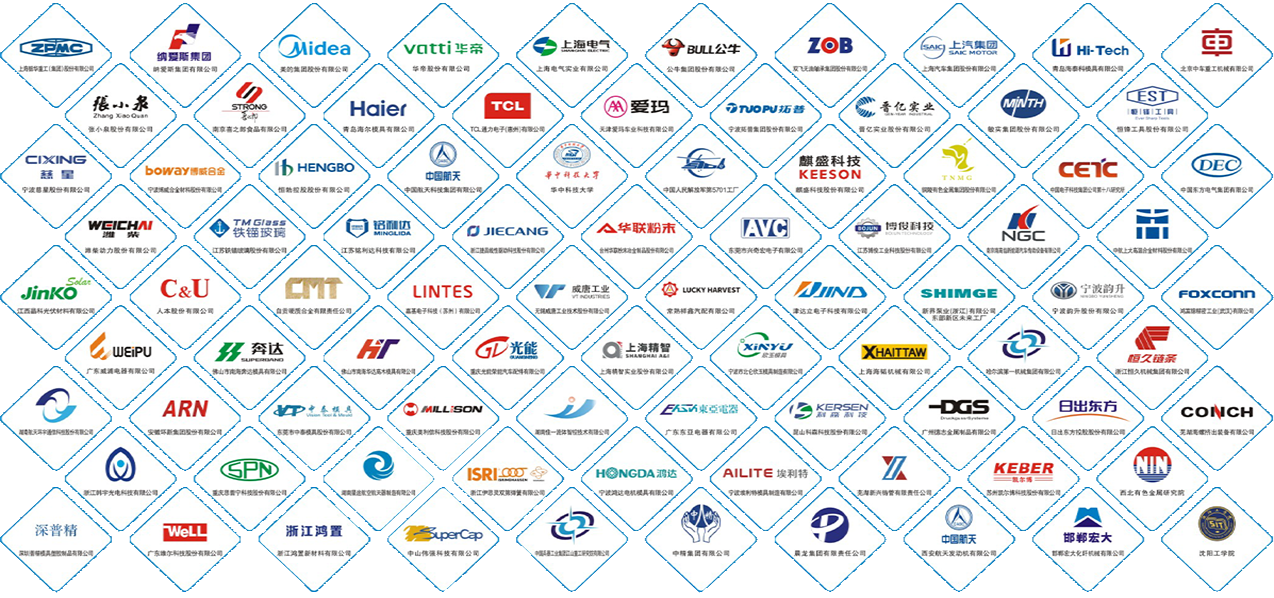
Quality first, customer first, and credit-based — our certifications validate our commitment to medical-grade manufacturing excellence
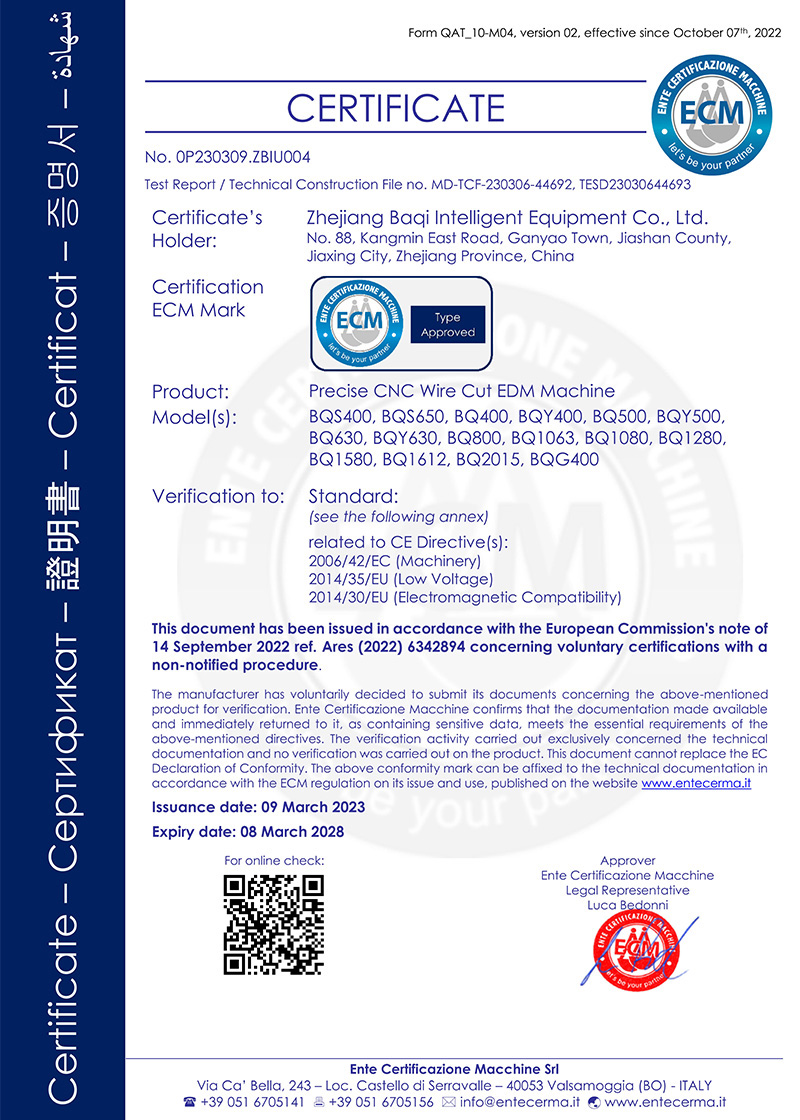
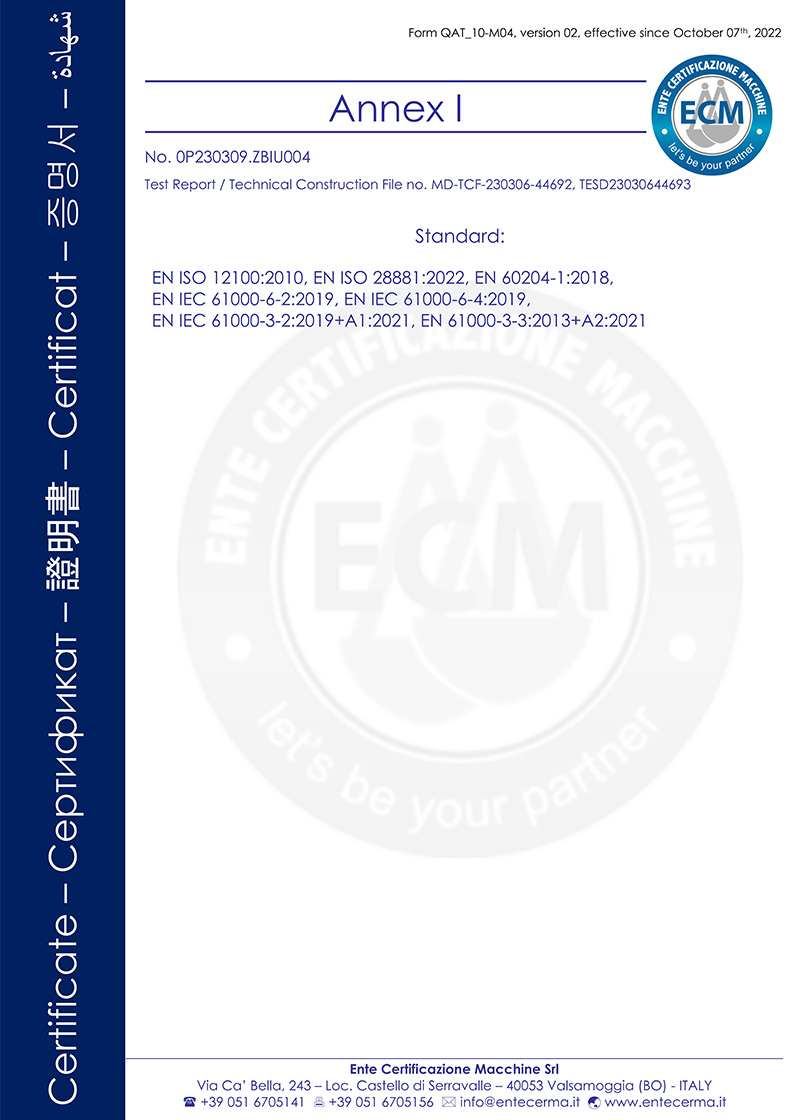
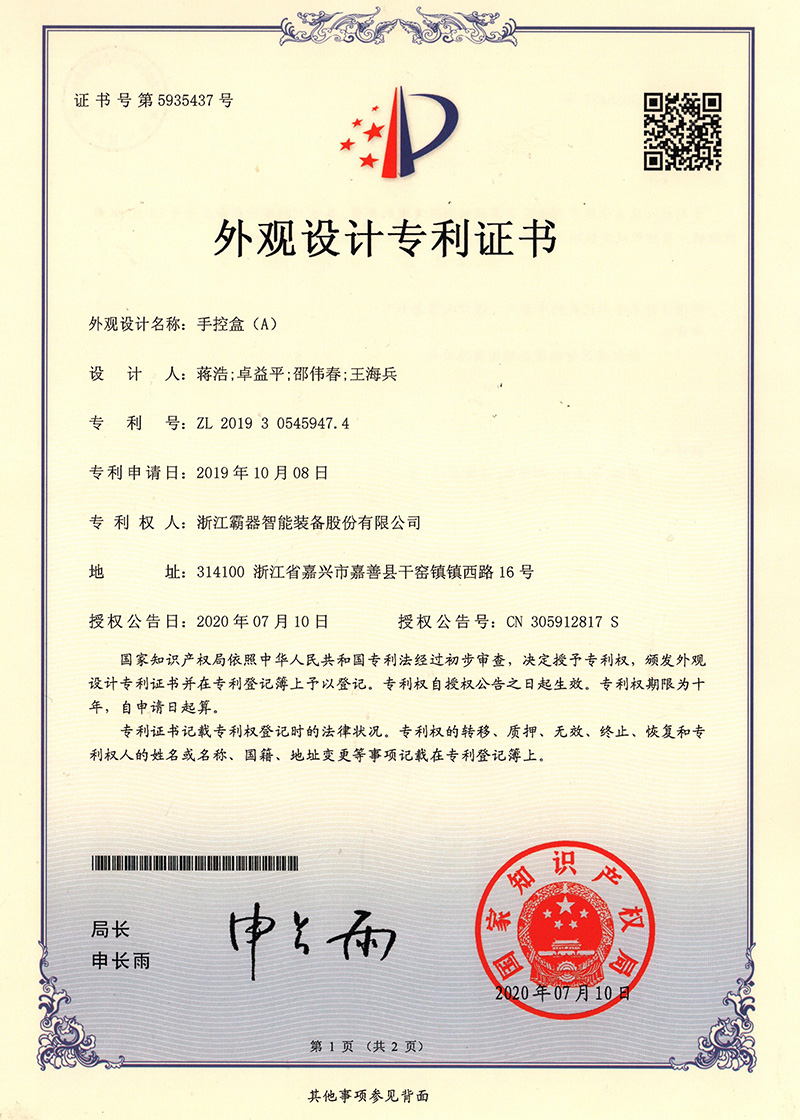
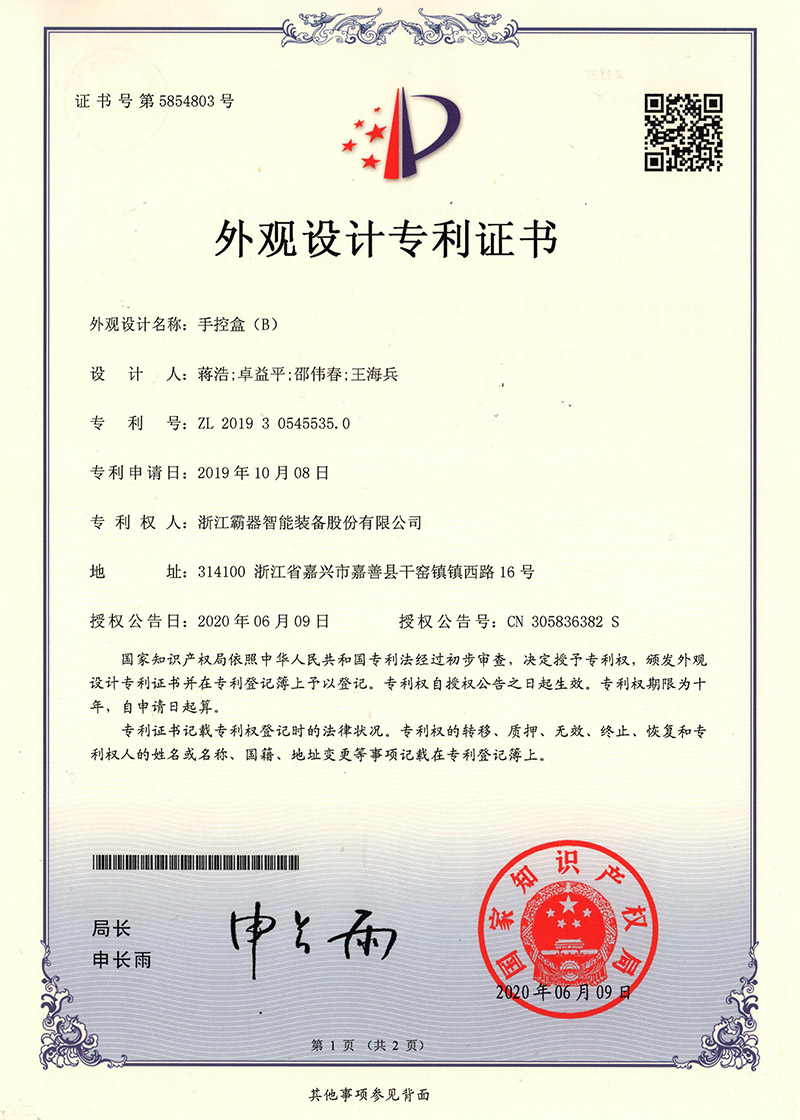
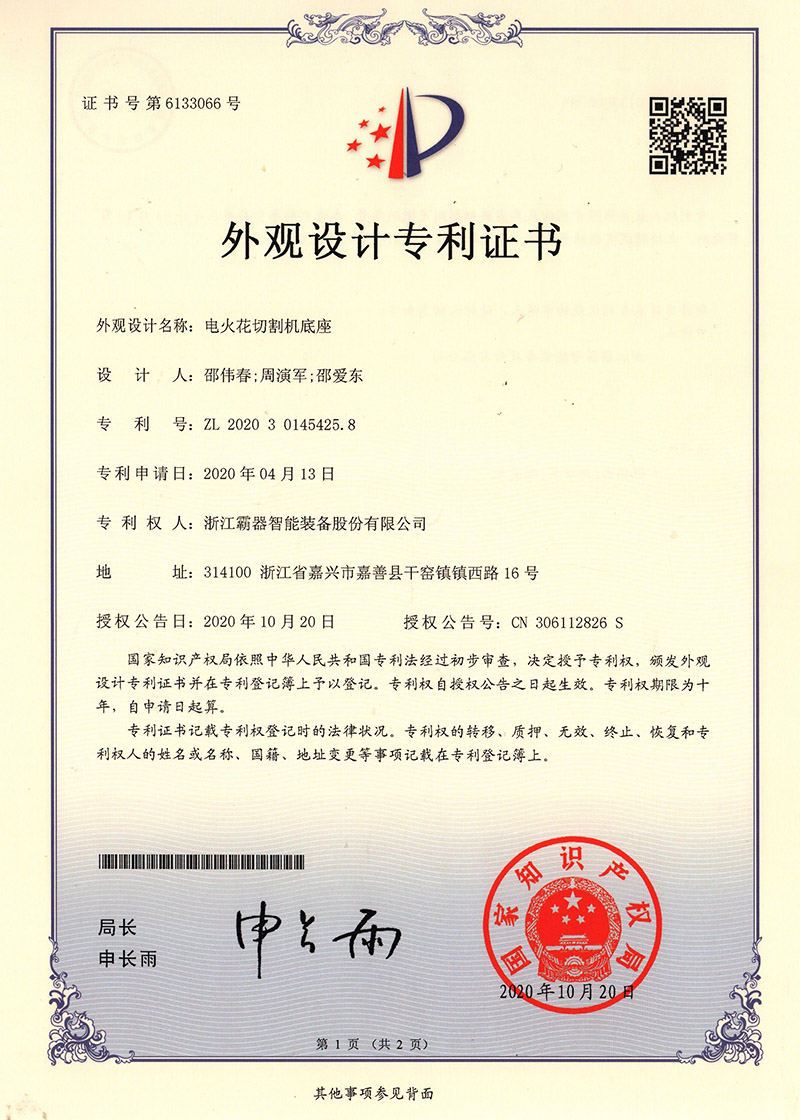
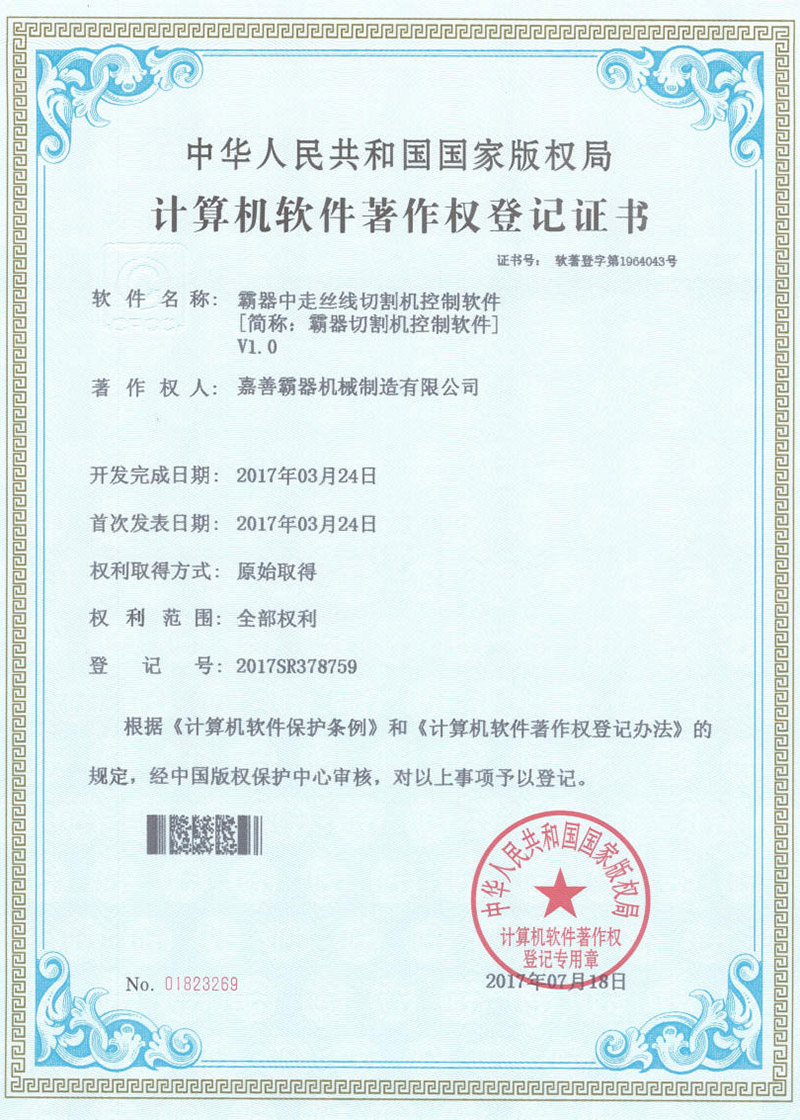
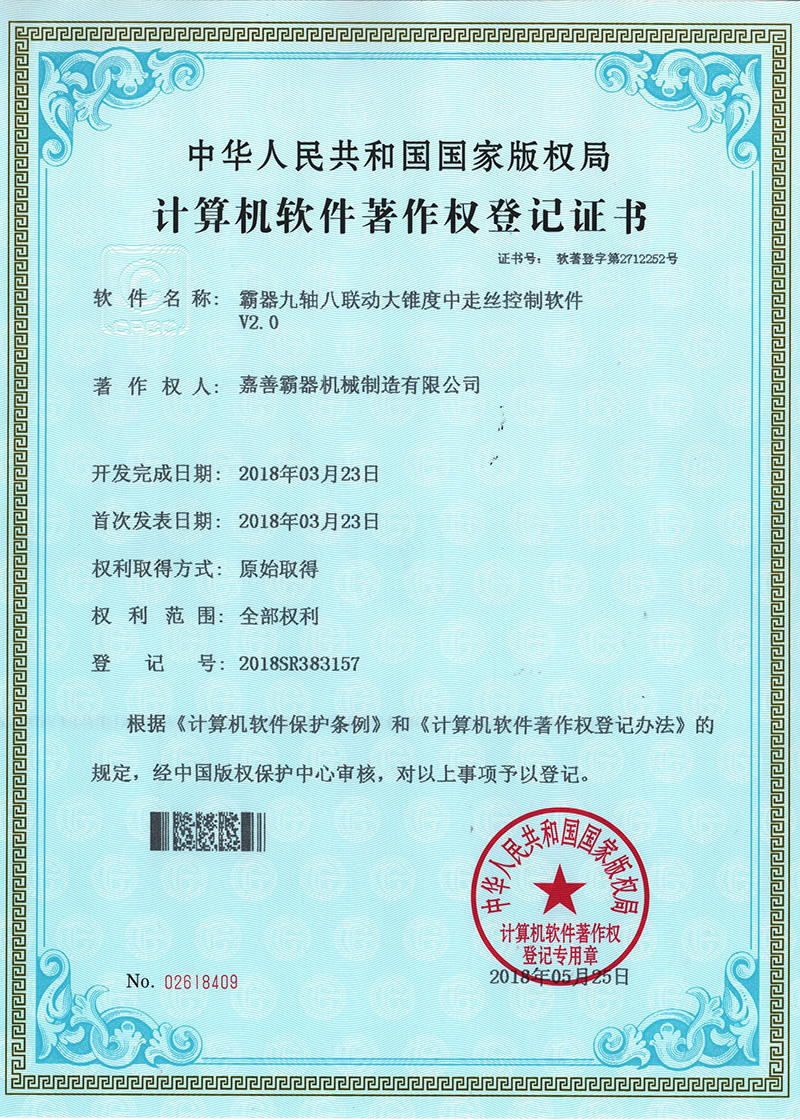
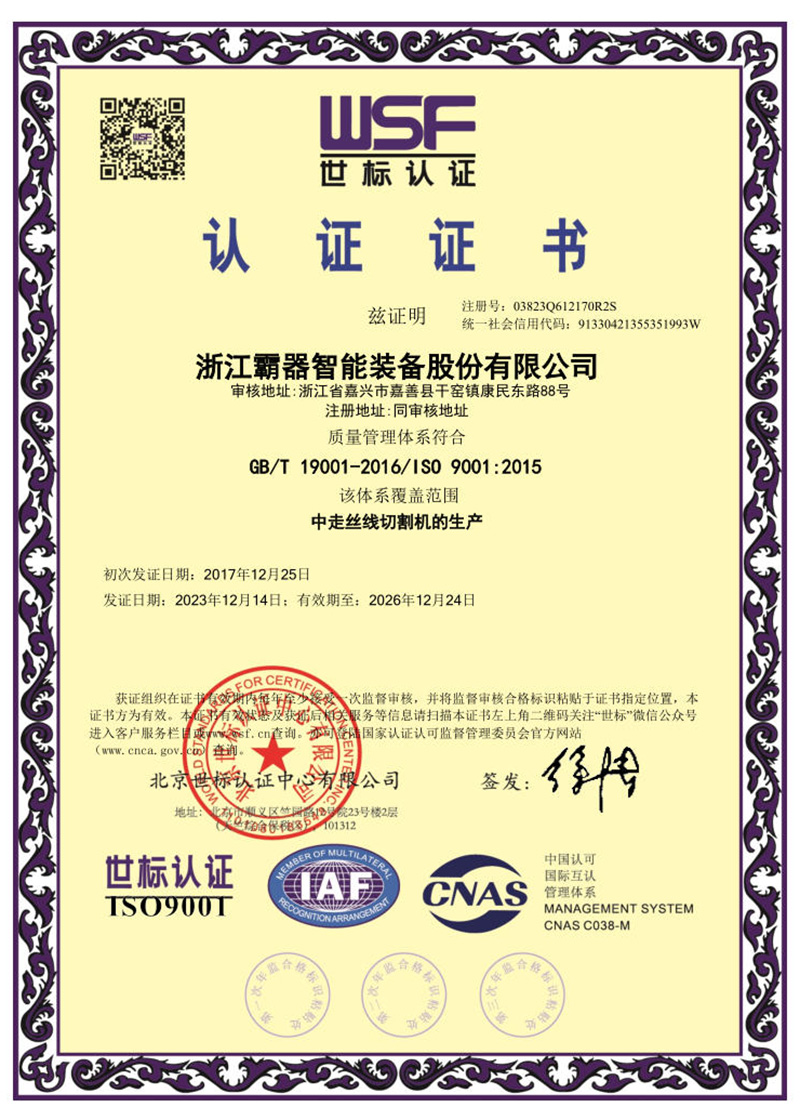
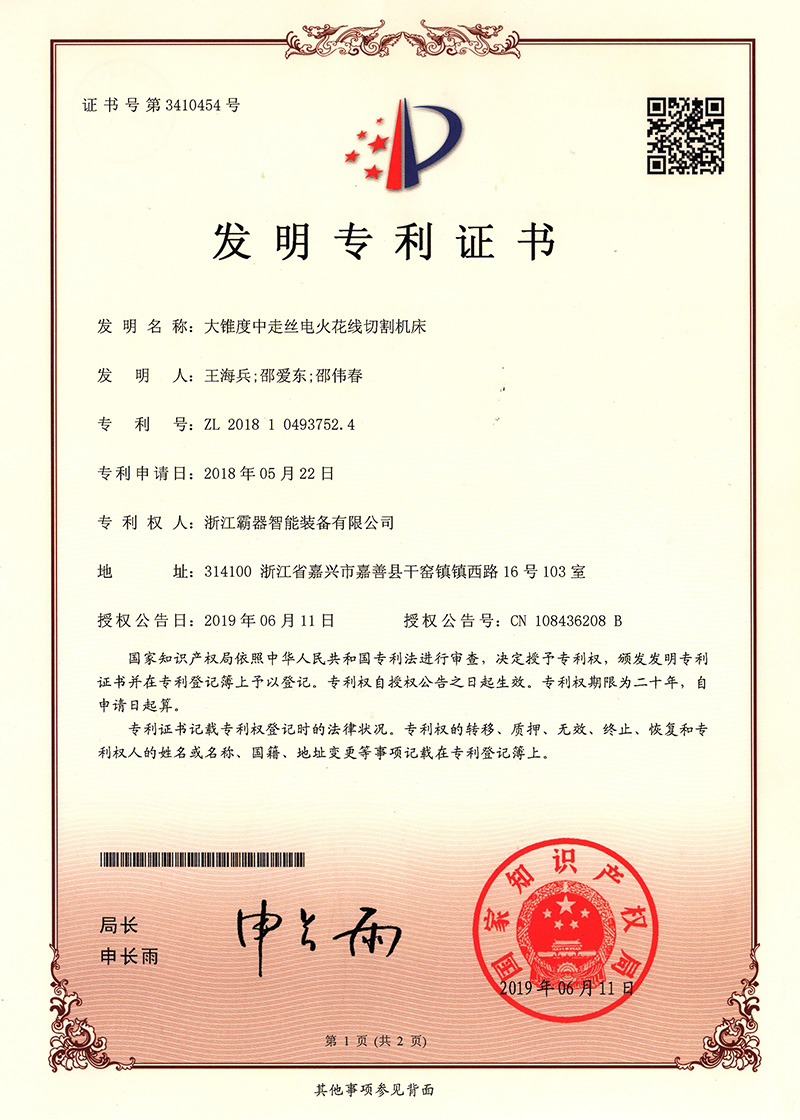
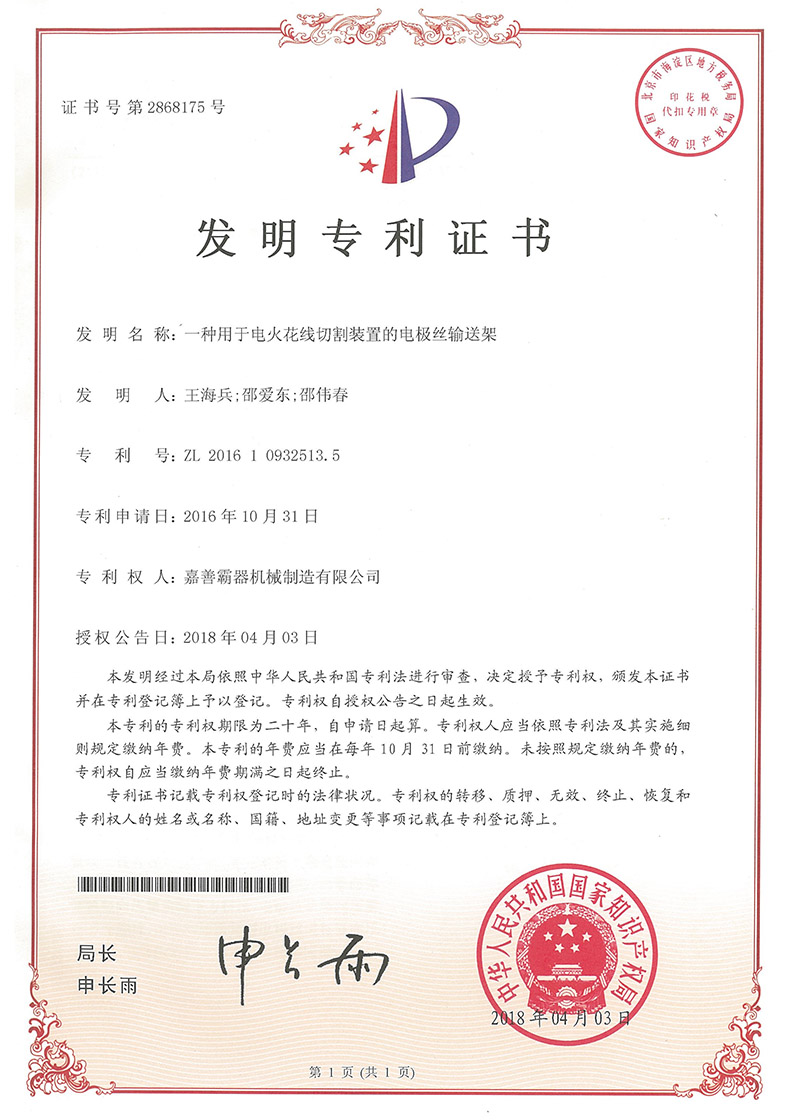
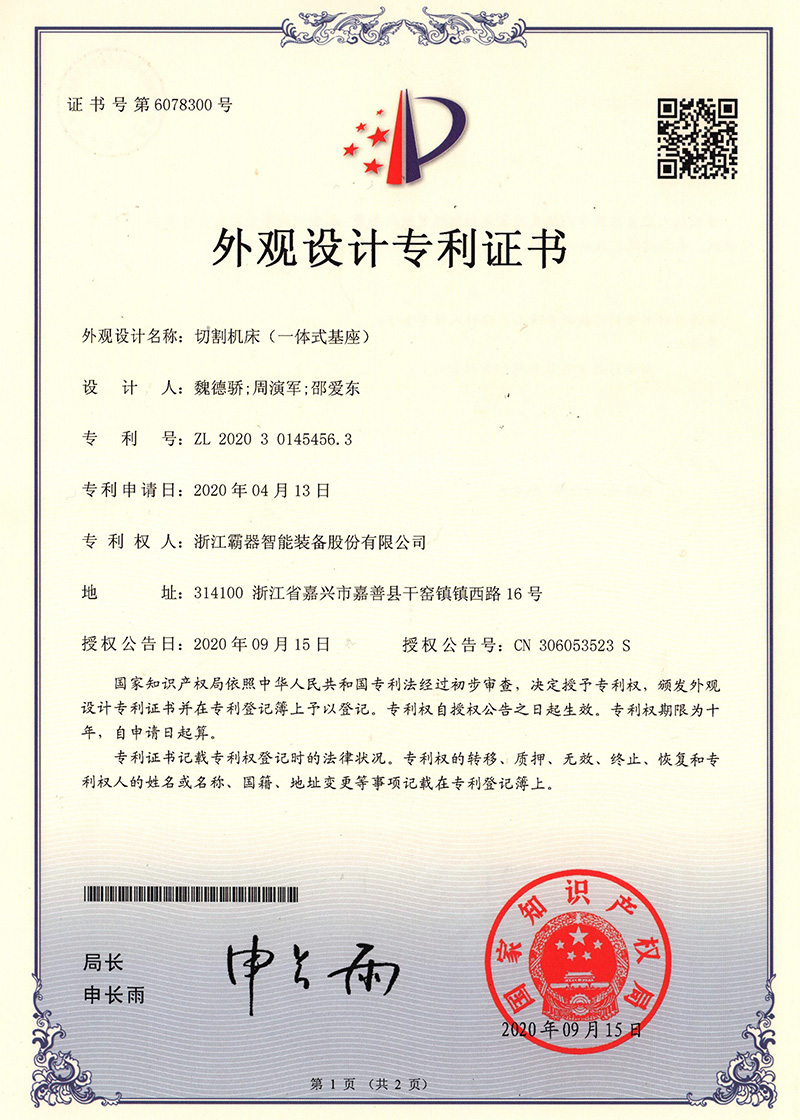

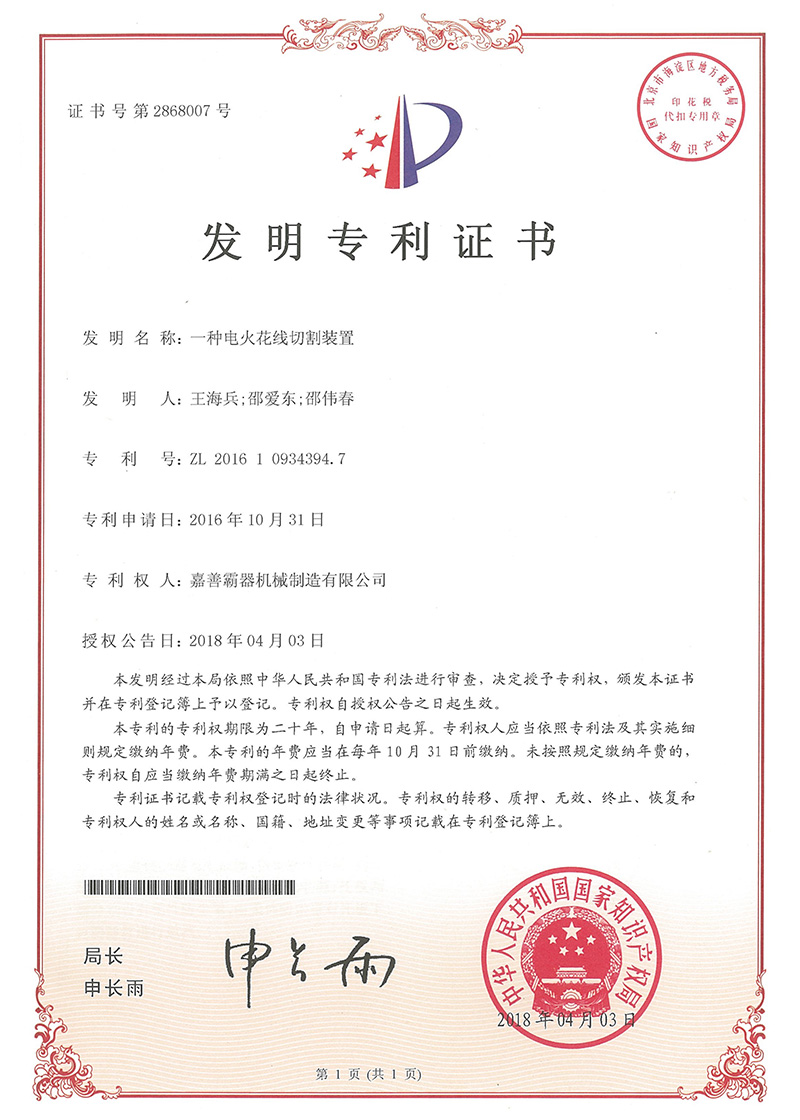
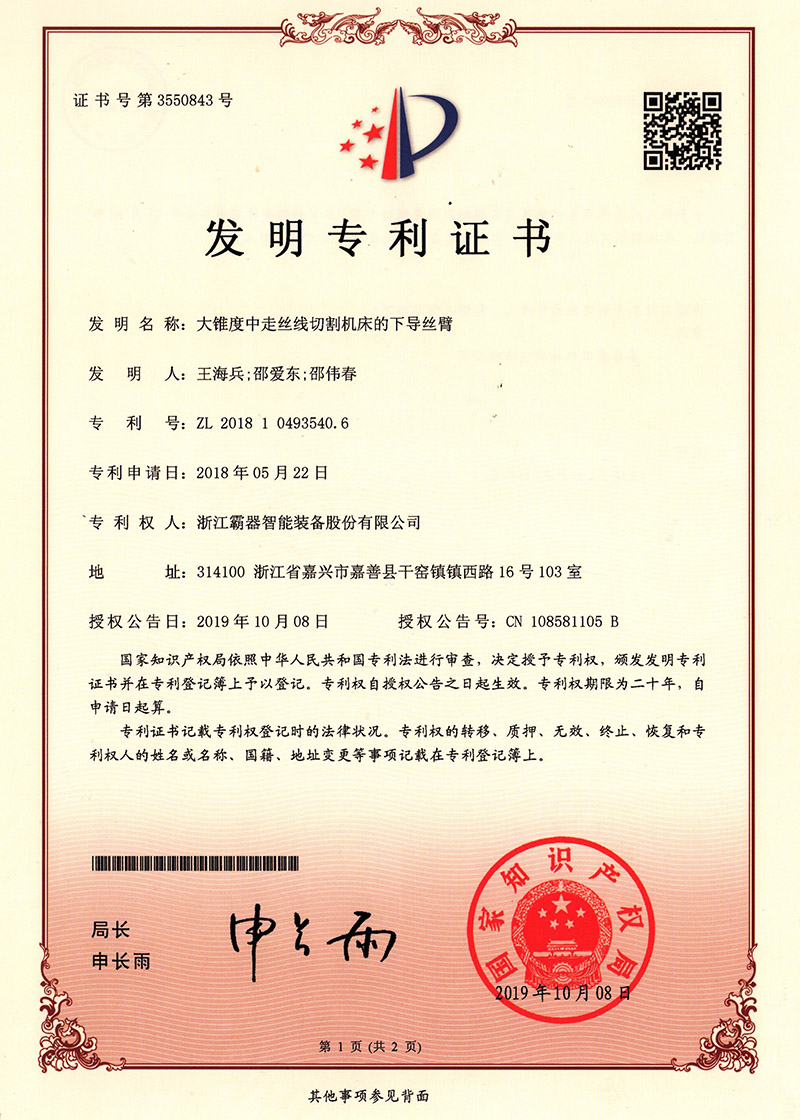
Quality First, Customer First, And Credit-Based — See Our Micro CNC EDM Machines in Action

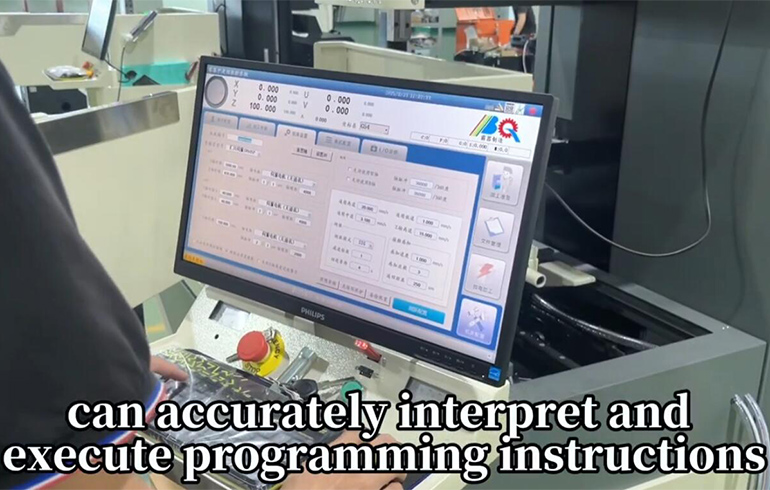
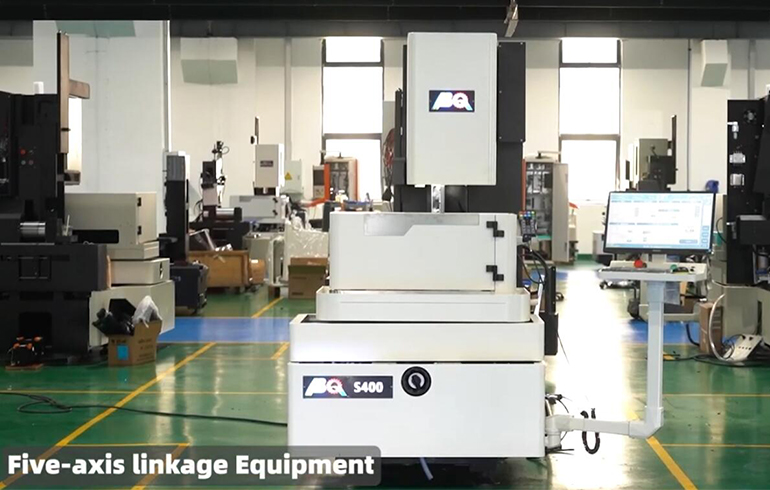

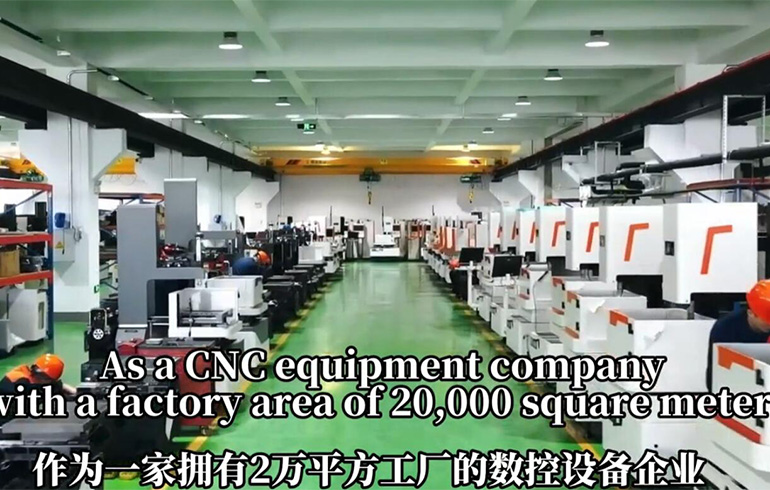
Stay ahead of the curve in micro CNC machining technology and medical device manufacturing trends
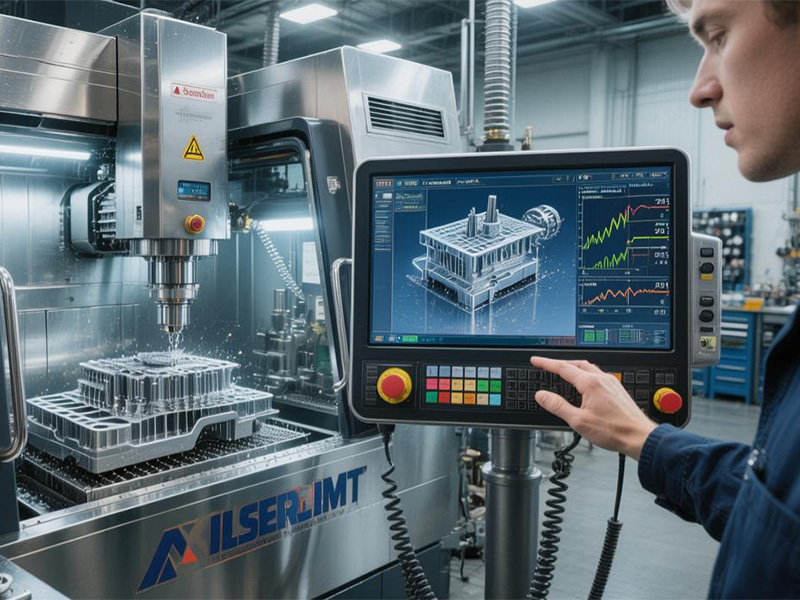
A breakthrough in adaptive machining intelligence — the new AI-powered CNC control system autonomously optimizes wire EDM parameters in real time, reducing scrap rates by up to 35% in medical-grade titanium cutting operations.
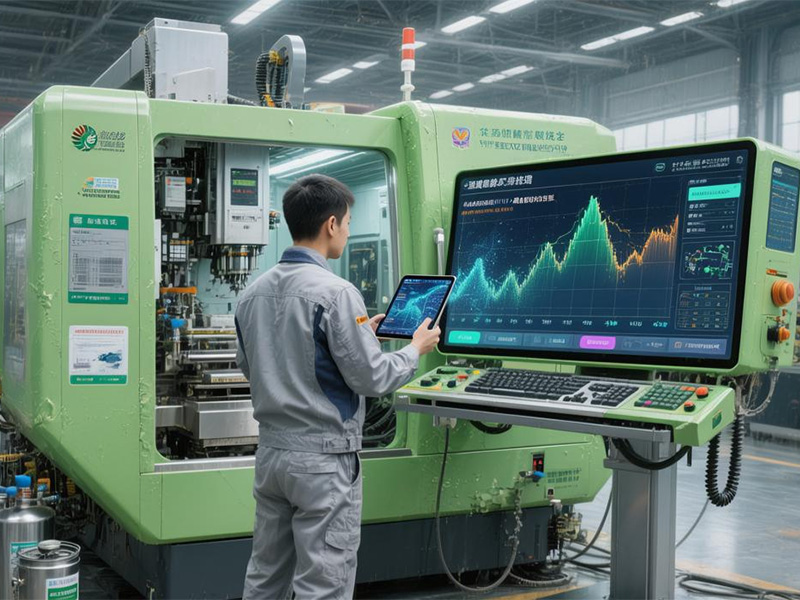
Medical device manufacturers face tightening environmental regulations. Learn how modern micro CNC wire EDM machines with closed-loop dielectric recycling and energy-efficient servo drives are helping factories meet ISO 14001 and EU Green Deal targets.

The latest generation 11-axis, 10-linkage wire cut EDM represents the pinnacle of micro CNC engineering — enabling the production of large-taper spinal implants, hip stems, and complex prosthetic geometries with unprecedented single-setup accuracy.
Contact our engineering team to discuss how our micro CNC wire EDM machines can meet your medical device precision requirements — from prototype to high-volume production.
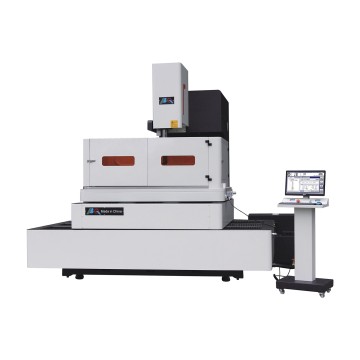
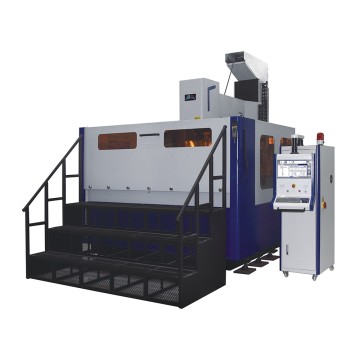
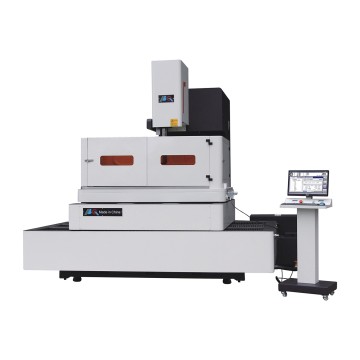
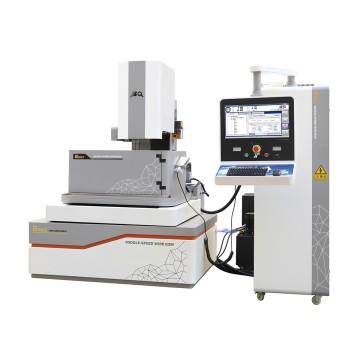
Choose from our complete lineup of 5-axis and 10-axis CNC wire cutting EDM machines — engineered for medical-grade precision