Introduction to MDF CNC Machining in the Medical Device Industry
In the highly regulated and rapidly evolving landscape of medical device manufacturing, precision, speed, and cost-effectiveness are paramount. While high-grade metals and engineering plastics are the standard for final implantable components and surgical instruments, the development phase relies heavily on intermediate modeling materials. This is where the application of an MDF CNC machine for medical devices becomes a game-changer. Medium-Density Fiberboard (MDF), when processed using high-precision CNC routers, serves as an exceptional substrate for rapid prototyping, master pattern making, vacuum-forming molds, and anatomical replicas.
Historically, the medical device sector depended on expensive and time-consuming metal tooling even during the early design validation phases. Today, the integration of advanced CNC routing technology with dense, stable grades of MDF allows manufacturers to iterate designs rapidly. By leveraging automated subtractive manufacturing, engineers can transform complex 3D CAD models of medical housings, diagnostic equipment enclosures, and orthopedic guides into physical mockups within hours rather than weeks.
SEO Insight: Utilizing high-density MDF on multi-axis CNC systems bridges the gap between digital design and physical validation, drastically reducing the time-to-market for Class I, II, and III medical devices.
Why MDF? Material Advantages in Medical Prototyping and Tooling
While MDF might initially seem like an unconventional material for medical environments, its physical properties make it uniquely suited for specific upstream manufacturing processes:
- Homogeneous Structure: Unlike natural wood, MDF lacks grain, knots, and directional warping. This isotropic nature ensures that when cut by a CNC router, the material yields consistent dimensions and smooth edges—critical for simulating the tight tolerances of medical components.
- Machining Versatility: MDF can be milled at high speeds with minimal tool wear compared to metals. This allows for the rapid creation of intricate features, thin walls, and complex contours found in ergonomic medical device handles and housings.
- Excellent Surface Prep Compatibility: MDF surfaces can be easily sealed, primed, and painted. Once treated with medical-grade coatings or epoxy sealants, these models can simulate the exact finish of injection-molded plastics, allowing for realistic user-experience testing with clinicians.
- Porosity for Vacuum Forming: High-density MDF is semi-porous. When used as a mold for thermoforming sterile medical packaging or custom orthotic shells, it allows air to be drawn through the material, ensuring a precise, tight fit of the heated plastic sheets.
Deep Dive into Key Application Scenarios
1. Prototyping Enclosures for Diagnostic and Laboratory Equipment
Medical devices such as blood analyzers, ultrasound machines, and patient monitors require complex, ergonomic outer shells. Before committing to million-dollar injection molding tools, manufacturers use MDF CNC machines to carve full-scale enclosures. These prototypes are assembled with internal electronics to check for fit, thermal management, cable routing, and user interface positioning. This physical verification prevents costly design modifications later in the production cycle.
2. Master Patterns for Thermoforming Medical Packaging
Sterile packaging is a critical component of any medical device. Blister packs and trays for surgical kits must fit the instruments perfectly to prevent shifting and contamination. MDF CNC machining is widely used to create the master patterns (plugs) for vacuum thermoforming. The speed of CNC routing allows packaging designers to test multiple configurations of protective trays quickly, ensuring that delicate surgical tips are suspended and protected during transit.
3. Anatomical Models and Surgical Planning Replicas
Modern healthcare increasingly relies on patient-specific surgical planning. Using MRI or CT scan data, software generates 3D models of patient skeletal structures. Multi-axis CNC machines can carve these highly complex bone geometries out of dense MDF blocks. Surgeons use these physical models to practice complex cuts, pre-bend titanium reconstruction plates, and explain procedures to patients, significantly reducing operating room times and improving patient outcomes.
4. Custom Jigs, Fixtures, and Assembly Aids
On the medical device assembly line, repeatability is key. Custom fixtures are required to hold delicate components in place during laser welding, adhesive curing, or manual assembly. MDF is an ideal material for these fixtures; it is cheap to produce, non-marring (it won't scratch delicate plastic or metal components), and can be rapidly replaced or modified if the assembly process changes.
Technological Integration: AI-Powered CNC and Multi-Axis Precision
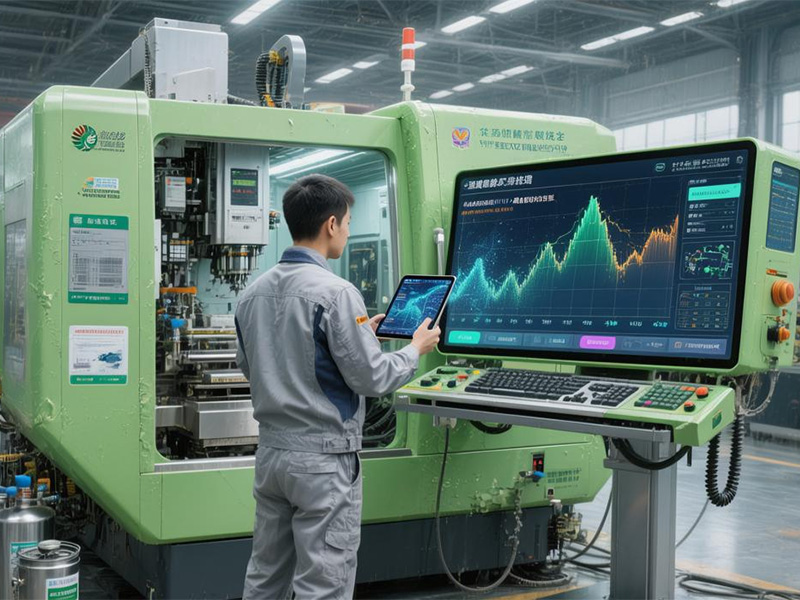
The modern CNC landscape is undergoing a massive transformation driven by digitalization and artificial intelligence. The release of the world's first AI-powered intelligent CNC systems has enabled self-learning capabilities in machining centers. When applied to medical manufacturing, these AI systems monitor tool wear, predict thermal expansion, and optimize feed rates in real-time. This ensures that even when machining soft materials like MDF, the dimensional accuracy is maintained to the micron level.
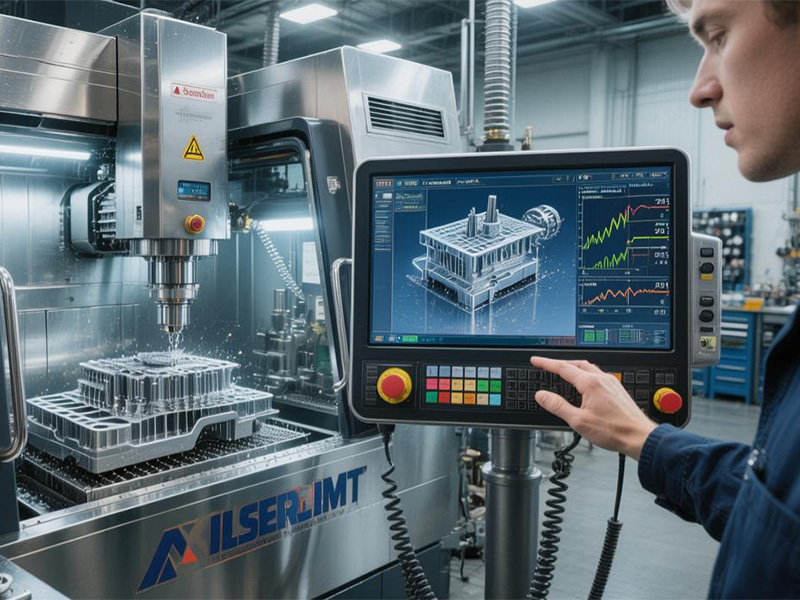
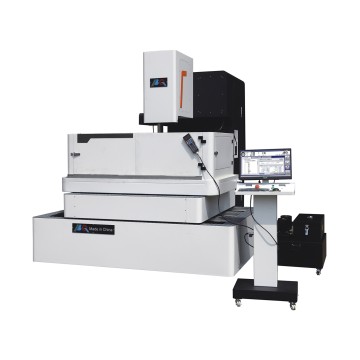
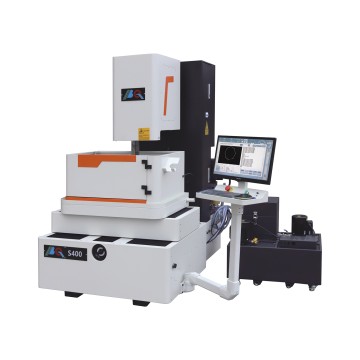
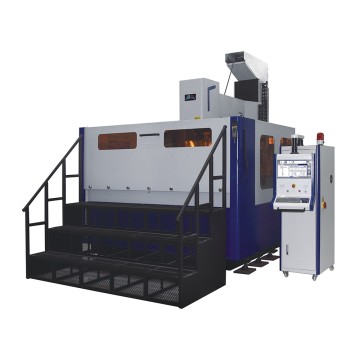
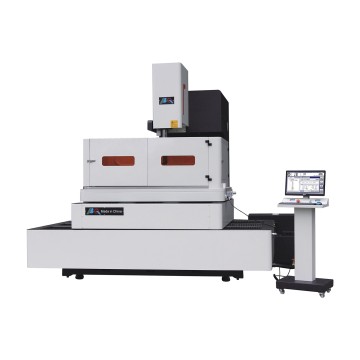
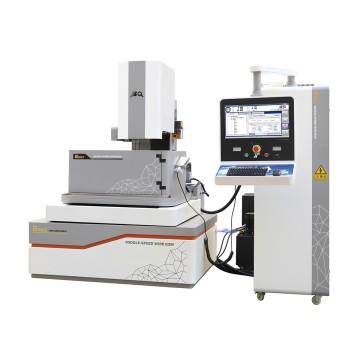
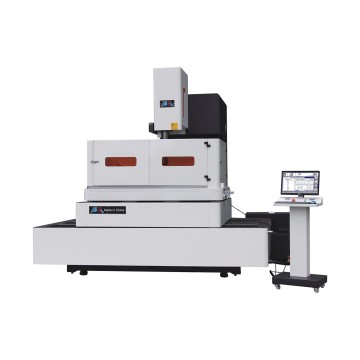
Furthermore, the transition from traditional 3-axis routing to 5-axis and 10-axis linkage systems (such as the BQ series wire-cutting and milling machines) allows for the production of incredibly intricate geometries. In medical tooling, a 5-axis machine can cut complex undercut features in a single setup, eliminating the errors introduced when repositioning the workpiece. This multi-axis capability is essential for creating complex orthopedic molds and multi-sided diagnostic device housings.
Industrial Trends: Green Manufacturing and Digitalization
As global policies shift toward carbon neutrality and sustainable development, the CNC machine tool industry is undergoing a green and digital transformation. Manufacturers of medical devices are actively seeking ways to reduce their carbon footprint. Utilizing sustainably sourced MDF for prototyping and tooling—rather than petroleum-based plastics or energy-intensive metals—aligns perfectly with these green initiatives.
Additionally, digital twin technology allows engineers to simulate the entire CNC machining process virtually before a single cut is made on the MDF block. This simulation prevents tool collisions, minimizes material waste, and optimizes cycle times. The combination of green materials like MDF and digitalized CNC workflows represents the future of sustainable medical device development.
Selecting the Right CNC System for Medical Prototyping
When selecting a CNC setup for medical device prototyping, manufacturers must balance speed, precision, and material compatibility. While dedicated wood routers can handle basic MDF shaping, high-precision applications demand industrial-grade CNC machining centers. Features to look for include:
- Dust Extraction Systems: MDF machining generates fine dust containing resins. A robust, sealed dust collection system is mandatory to maintain cleanroom standards in medical facilities.
- High-Spindle Speeds: To achieve a burr-free, smooth surface finish on MDF, high-speed spindles (often exceeding 18,000 RPM) are required.
- Compatibility with Advanced Tooling: The ability to switch between routing, wire-cutting (for metal inserts/molds), and engraving tools allows a single machine to handle diverse prototyping tasks.