
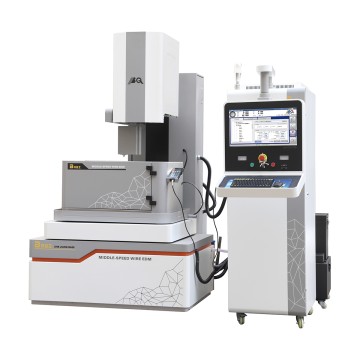
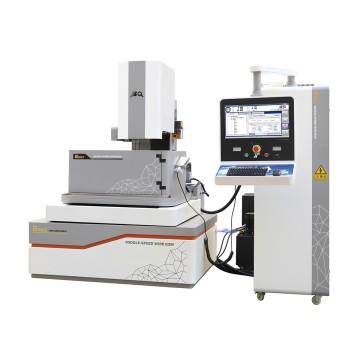
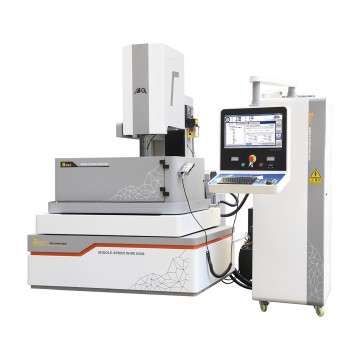
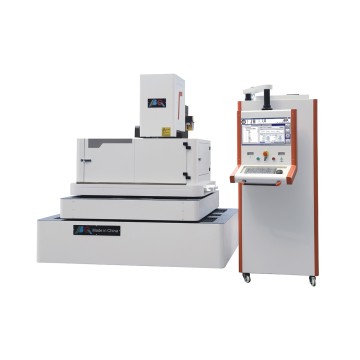
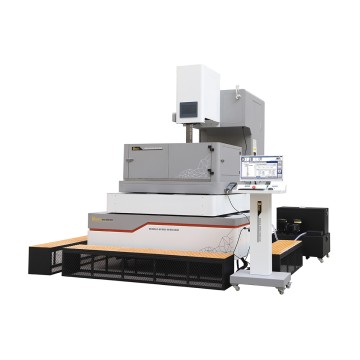
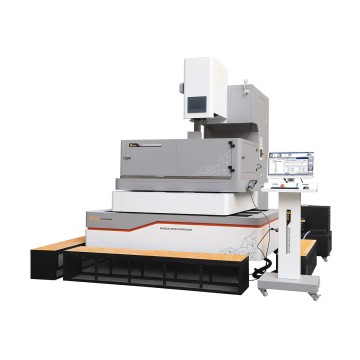
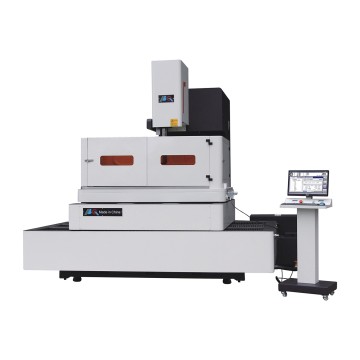
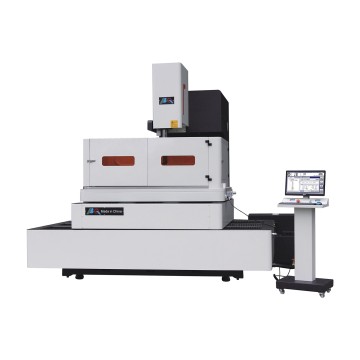
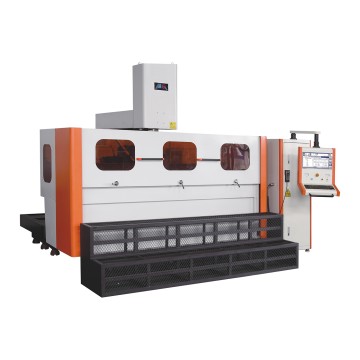
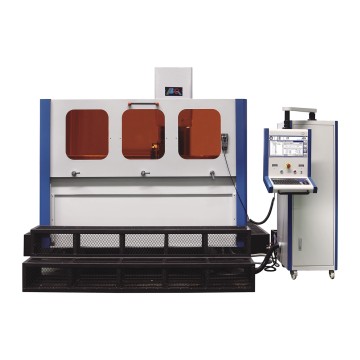
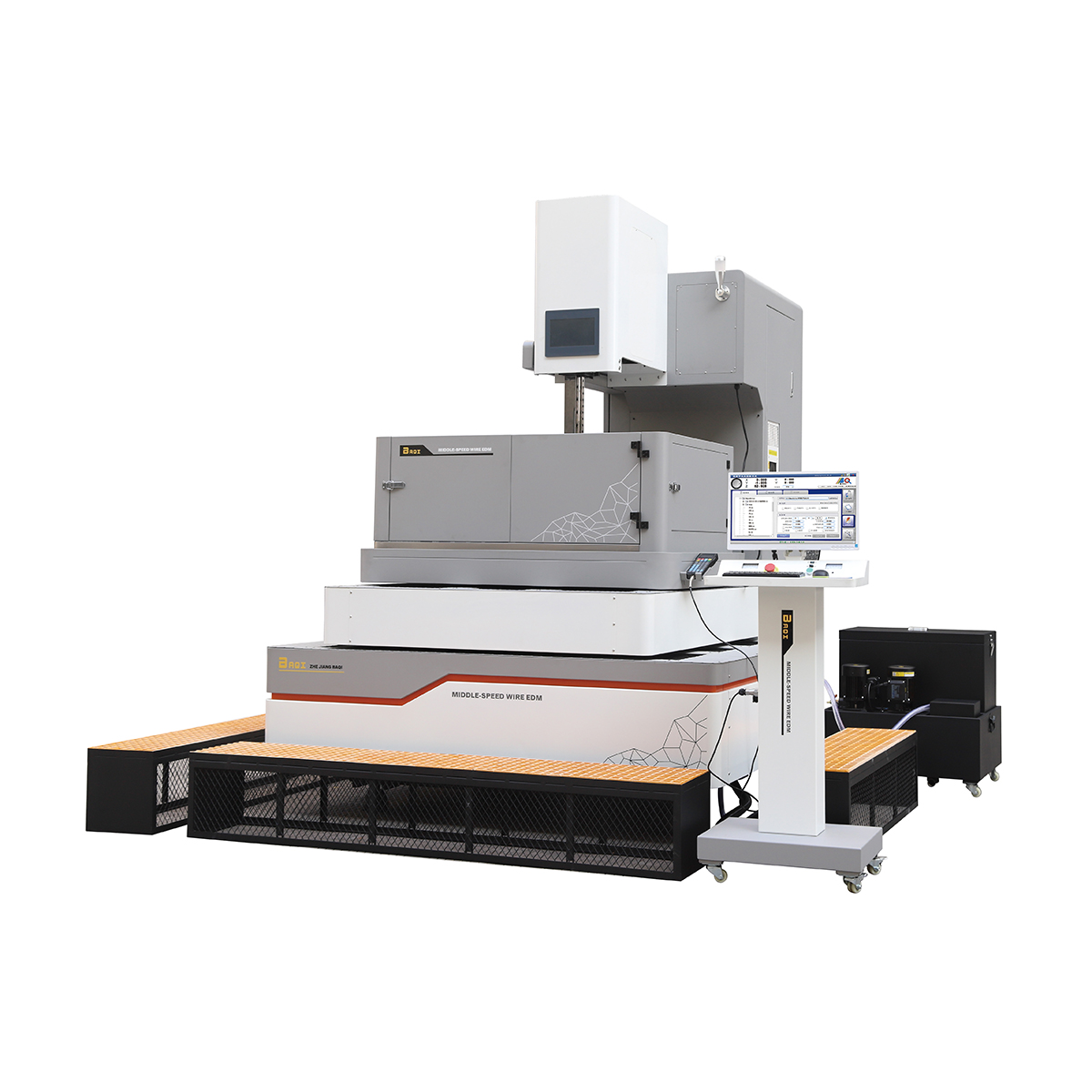
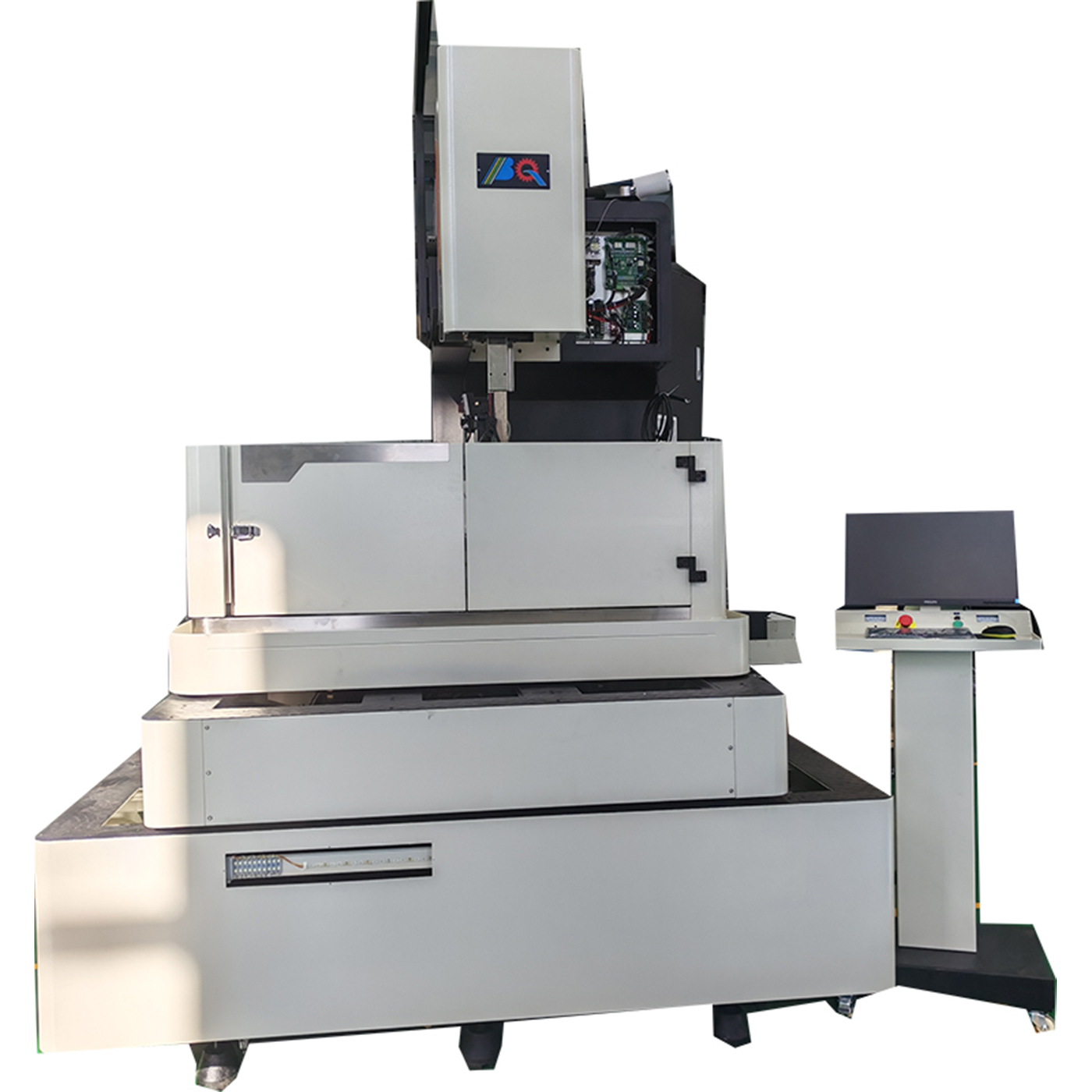
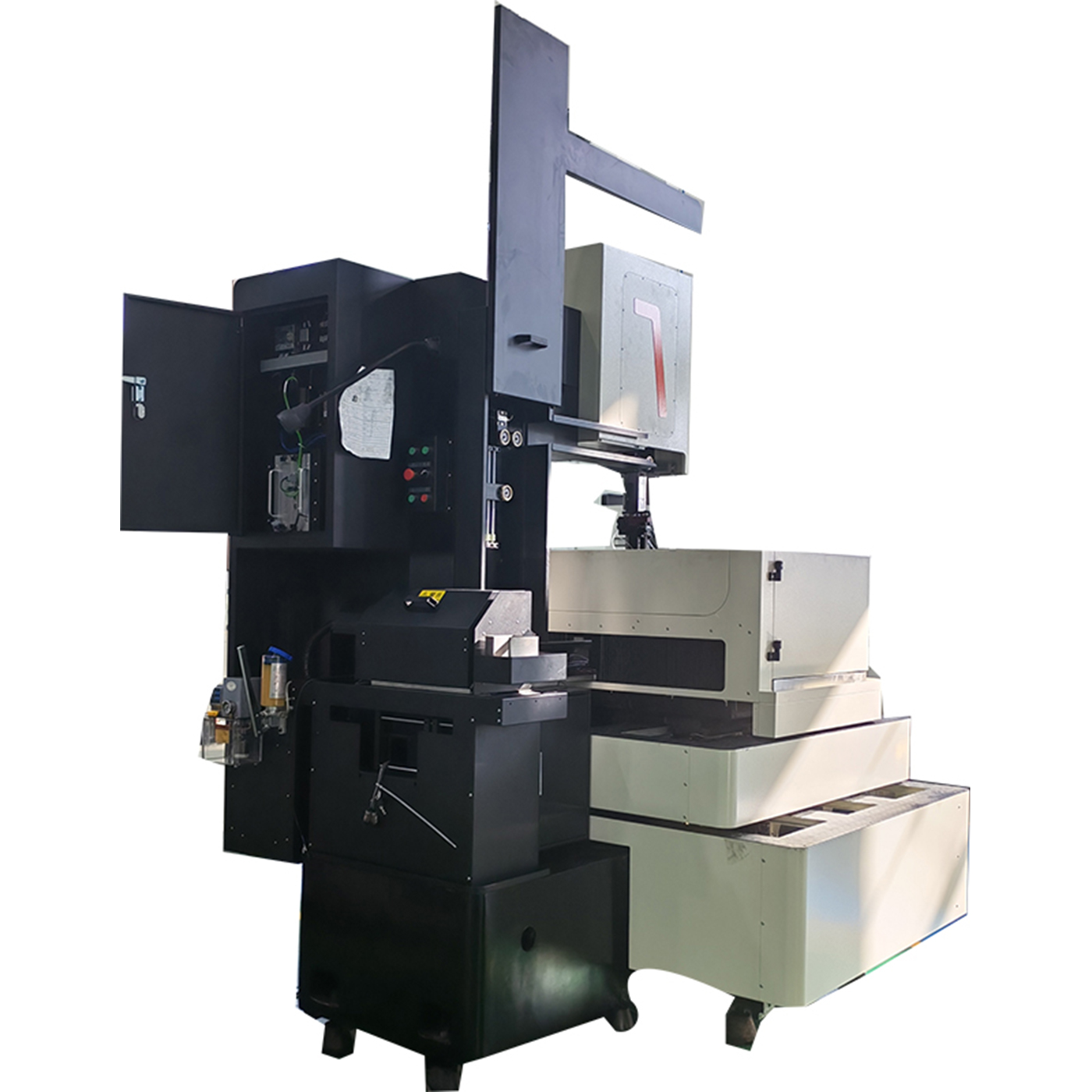
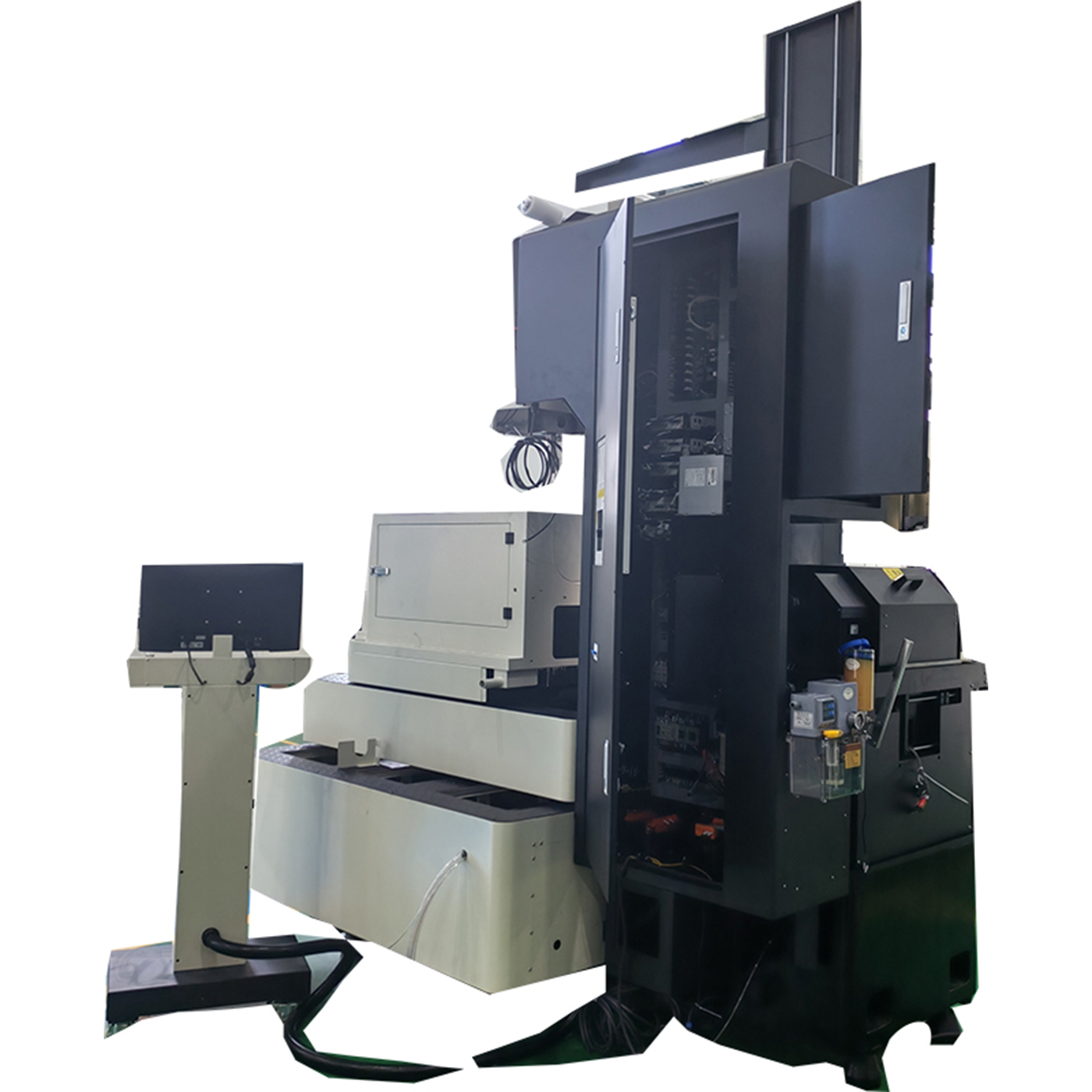
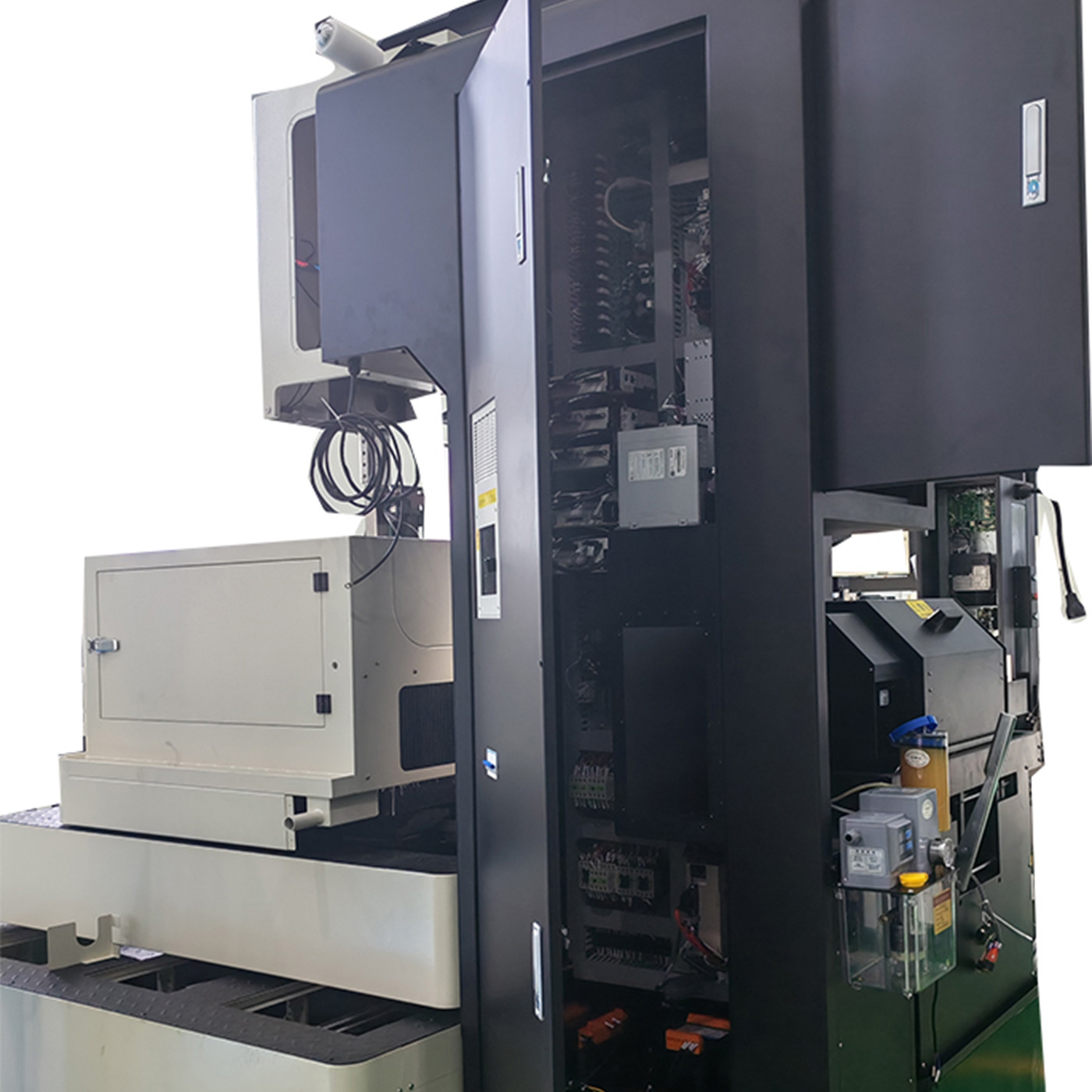
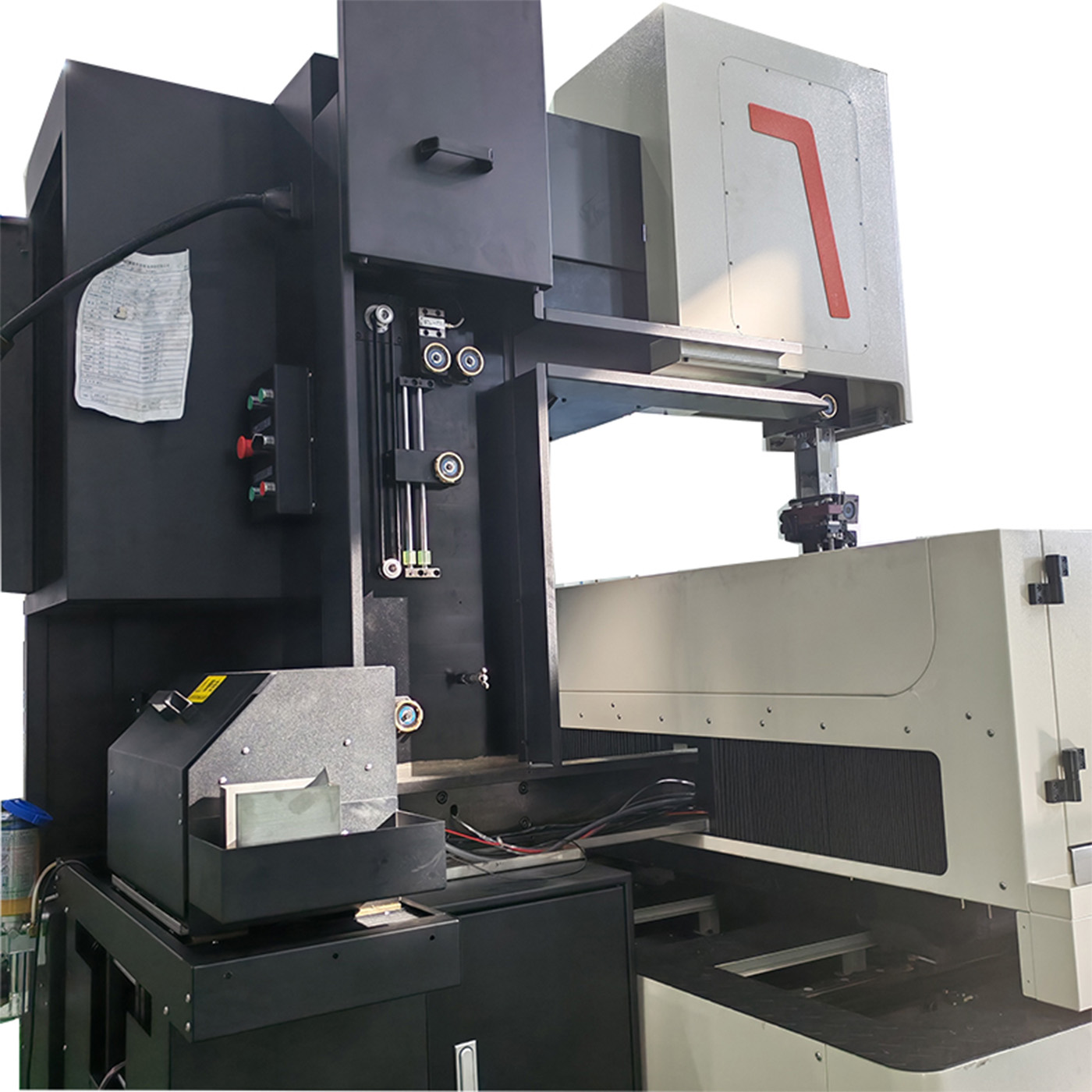
High Precision 5 Axis linkage BQ800 Medium-Speed CNC Wire cutting EDM Machine
Share to:


Model |
BQ800 |
|
Table travel |
Worktable size(mm) |
1106×840 |
X/Y travel (mm) |
820×650 |
|
Max work piece size(mm) |
1360×860 |
|
Max cutting thickness (mm) |
380 |
|
Max load weight (kg) |
1400 |
|
X/Y min.directive unit(mm) |
0.001 |
|
Taper and Z-axis travel |
Taper U/V travel (mm) |
80×80 |
Max cutting taper (mm) |
±15°/150 mm |
|
U/V min.command unit(mm) |
0.001 |
|
Transmission control |
Control method |
X/Y/U/V/Z Servo driven(Linear motor are option for X/Y) |
Z axis drive |
Numerical control |
|
Simultaneously controlled axes |
X Y U V-4 Axis |
|
Wire drum |
Max travel of wire drum(mm) |
200 |
Wire diameter(mm) |
①0.1-Φ0.2 (Standard 0.18) |
|
Wire speed(m/s) |
1-11.4 variable frequency |
|
Max.wire storage length (m) |
330 |
|
Machining parameters |
Reposition accuracy(mm) |
≤±0.003 |
Max cutting efficiency(mm²/min) |
≥300 |
|
Roughness/Ra(μm)cut 1 trim 2 |
0.7-1.4 |
|
Working liquid tank |
Liquid tank capacity |
120L |
Filtering method |
3 Layer filtration |
|
Others |
Power supply |
Three phase 380V AC/5OHz |
Control System |
Baqi system |
|
Total power consumption (kw) |
2.0 |
|
Max machining current(A) |
10 |
|
Machine gross weight(kg) |
5300 |
|
Machine size(mm) |
2090x2330×2600 |
|
Machine noise |
≤70dB |
|
Top-bottom irregular cutting |
Yes |
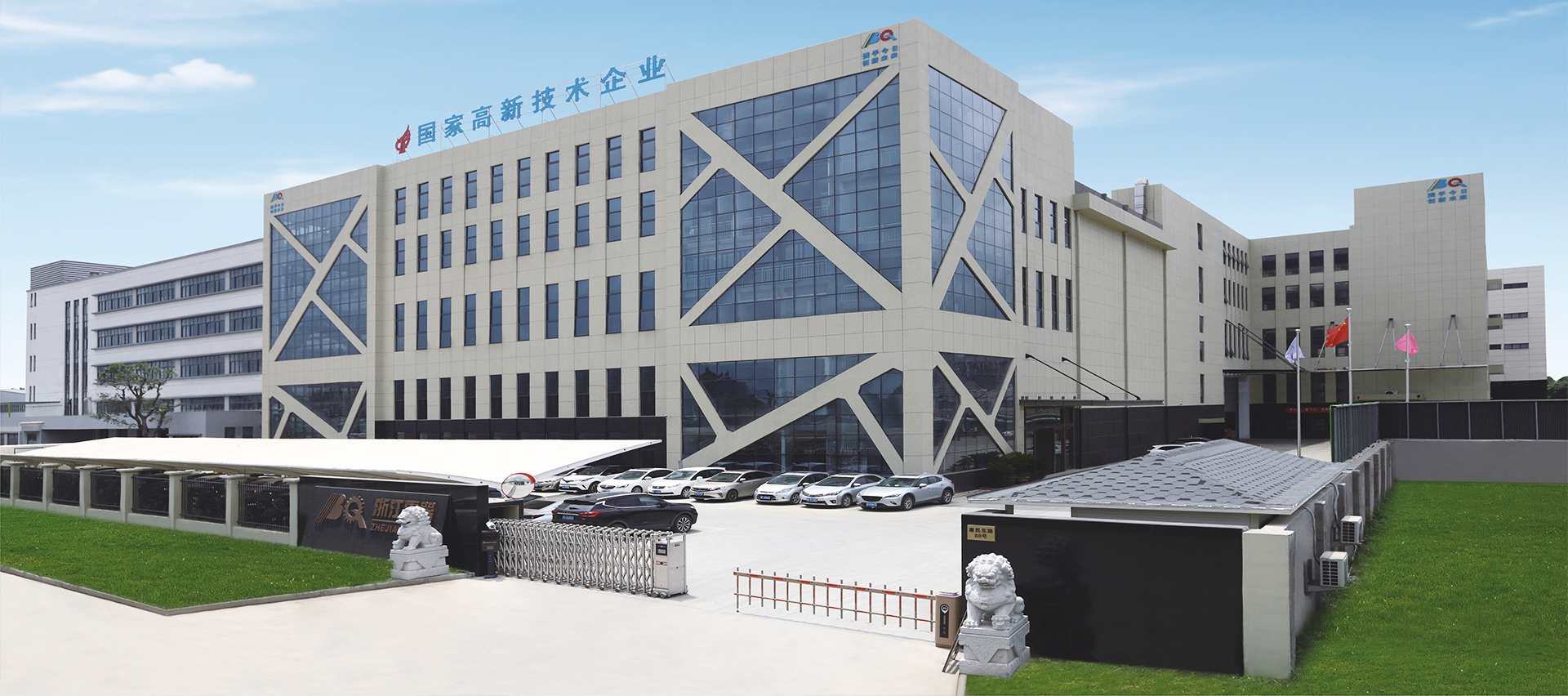
Baqi Intelligent's Medium-Speed Molybdenum Wire EDM are widely used in various fields such as mold and tooling, medical industry, aerospace, automotive parts, machining, military defense, and more. Let's explore the application characteristics and advantages of medium-speed wire cutting machines in different industries:
Application and Advantages of Medium-Speed Molybdenum Wire EDM Machines in the Medical Device Industry
Medium-speed molybdenum wire EDM machines are core electrical discharge machining (EDM) equipment in the precision manufacturing of medical devices. Using reciprocating molybdenum wire as electrodes, they remove metal through electrical discharge, resulting in no cutting force, high precision, and compatibility with biomedical materials. They perfectly match the micron-level precision, sterile safety, and complex microstructure processing requirements of surgical instruments, implants, minimally invasive devices, and dental instruments. They are widely used and irreplaceable in the field of medical precision manufacturing.
Application in the Medical Device Industry
1. Core Processing Objects (Medical Precision Parts)
● Surgical / minimally invasive surgical instruments Laparoscopic scissors / grasping forceps, orthopedic scalpels, hemostats, micro-needle holders micro-cutting edges, tooth shapes, hollows, thin wall structures; The cutting edge accuracy is 0.001mm, no burrs, and super sharp.
● Orthopedic Implants: Titanium alloy / Cobalt-chromium alloy artificial joints, bone plates, bone nails, intramedullary nails, spinal fusion devices; processing high-precision threads, irregular curved surfaces, and microgrooves to adapt to human bones and improve bone integration.
● Orthodontic brackets (0.4–0.5mm grooves), implant bases, denture brackets, dental drill bits; Micro-nano texture, sharp clear angles, and dimensional stability.
● Interventional / Cardiovascular Devices: Cardiac stent molds, catheter guidewires, valve stent mesh microstructures; control mesh accuracy ±0.003mm, surface Ra≤0.4μm.
● Medical robots / precision components Surgical robot end effectors, joint connecting rods, micro gears, bearings; Mating clearance **<0.01mm**, zero movement lag.
● Diagnostic equipment precision parts CT / NMR detector frame, analyzer microhole array, slit, positioning groove; The coaxiality and dimensional consistency of the porous position meet the clinical accuracy.
2. Process Positioning
Medical device standard processing chain: material (titanium alloy / 316L / cobalt chromium) → wire cutting roughing / finishing → electrolysis / polishing → cleaning and sterilization → Wire walking in assembly undertakes key precision forming, microstructure, hole position, and mating surface processing, which is the core process to ensure accuracy, surface quality, and biosafety.
3. Applicable Materials (Medical Specific)
● Stainless steel: 316L, 304 (surgical instruments, structural parts)
● Titanium alloys: TC4, Ti6Al4V (implants, lightweight devices)
● Cobalt-chromium alloy, nickel-titanium alloy (joints, stents, hyperelastic components)
● Hard alloy, high-purity tungsten (micro-tools, wear-resistant parts)
4. Industry Popularity
Domestic mid-to-high-end medical precision machining plants have a popularity rate of >85%, replacing some slow wire EDM to achieve a balance between high precision and low cost; it is the standard processing equipment for Class II / Class III medical devices, implants, and minimally invasive devices.
Core Advantages of Wire EDM in Medical Devices
1. Extreme Precision and Surface Quality: Meets Medical Safety Standards
● Dimensional accuracy ±0.003mm, repeatability ±0.002mm, thread/groove error **<0.01mm**.
● Multiple cuts (1 coarse + 2–3 fine) achieve Ra 0.4–0.8μm, near mirror finish, burr-free, microcrack-free, reducing tissue damage and infection risk.
● With a clearance radius R≤0.03mm, it is suitable for medical micro-suture, micro-cavity, and micro-blade structures.
2. Stress-Free and Deformation-Free: Preferred for Thin-Walled / Micro-Parts
● Non-contact electrical discharge machining, no cutting force, processing 0.05mm ultra-thin sheets, slender needle bars, and deep cavity microstructures without deformation.
● Heat treatment (aging / quenching) before cutting completely eliminates internal stress, ensuring long-term deformation-free implants and lifelong dimensional stability.
3. Perfectly Adaptable to Difficult-To-Machinable Medical Materials
● Not limited by the hardness or toughness of titanium alloys, cobalt-chromium, nickel-titanium, or cemented carbide, and without tool wear.
● Machining does not damage the material's metallographic structure, does not generate a heat-affected layer, and is free from impurity contamination, ensuring biocompatibility, corrosion resistance, and sterilization stability.
4. High Cost-Effectiveness: Cost Reduction Without Downgrading
● Equipment investment is 1/3–1/5 of that of wire EDM, molybdenum wire is recycled, and wire consumption is only 1/10 of that of wire EDM, resulting in a 60%+ reduction in overall cost.
● The efficiency is 30%–50% higher than that of slow yarn, supporting 24-hour unattended and stable batch processing, and is suitable for medical small-batch, multi-variety, and high-compliance production.
5. One-Time Forming of Complex Microstructures
● Four-axis linkage cutting of tapers, irregular shapes, spirals, meshes, and hollows, completed in one clamping, with no cumulative error.
● Adaptable to personalized customization (such as customized joints and orthodontic brackets), flexible programming, and rapid modification.
6. Clean and Safe: Meets Medical GMP Specifications
● Water-based / Deionized working fluid, no cutting dust, no oil pollution, easy to clean and sterilize.
● Stable processing parameters, defect rate <0.3%, meeting the requirements of zero defects and traceability in medical applications.
Core Comparison with Fast Wire EDM and Slow Wire EDM (Aerospace Scenario)
Figure 1: Medium-Speed Wire EDM Machine (medical Precision Type)
Description: Medical-grade wire feed, servo wire feeding, constant tension, multiple cuts, closed-loop control, compatible with titanium alloy / stainless steel micromachining, accuracy**±0.003mm**, surface Ra≤0.4μm, is the main equipment for medical precision manufacturing.
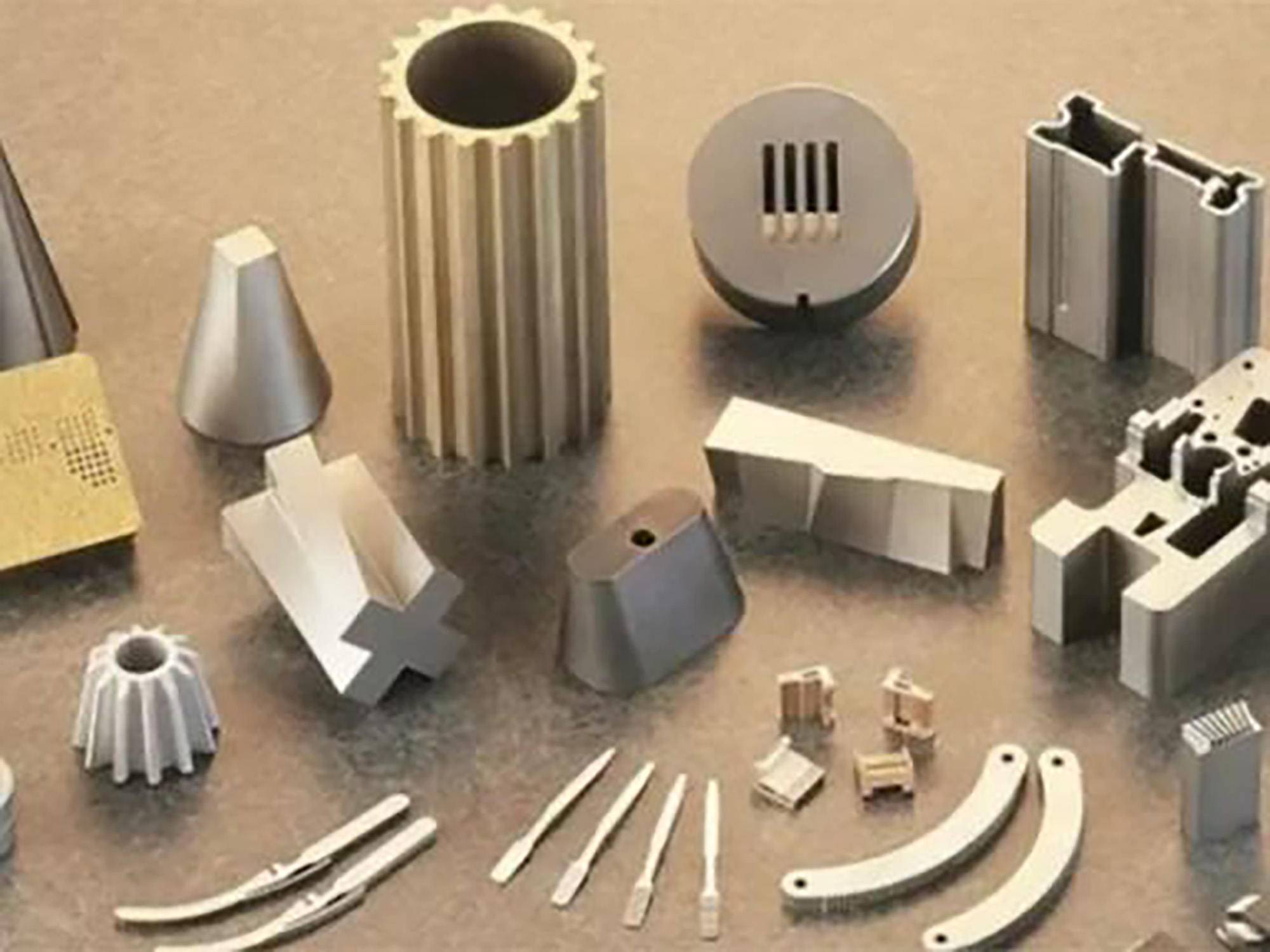
Figure 2: Medical Implants / Surgical Instruments Processed by Medium-Speed Wire EDM
Description: Titanium alloy bone plates, bone screws, minimally invasive forceps heads, and orthodontic brackets are cut by medium-speed wire EDM with one roughing and two precision cutting processes. The dimensions are accurate, the surface is smooth, there are no burrs, and there is no deformation. They directly enter the polishing / sterilization process.
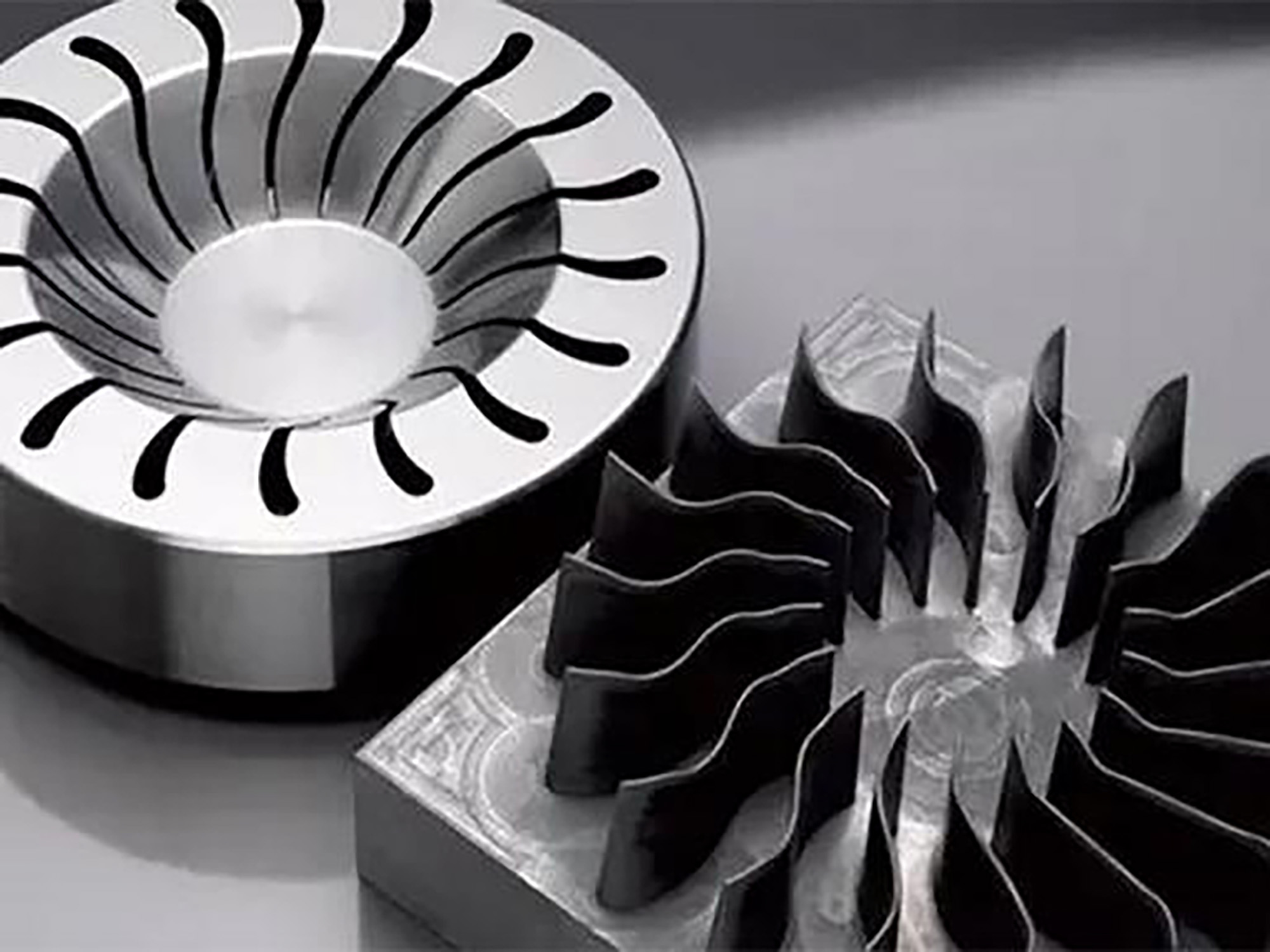
Figure 3: Medical Microstructures / Precision Components Processed by Medium-Speed Wire EDM
Description: Surgical robot end effector, valve stent mold, micro gear, micro slit, micro hole, complex contour forming at one time, with a gap of **<0.01mm** to ensure the precise, safe and reliable movement of medical equipment.
Summary
Medium-speed molybdenum wire EDM is a pillar of precision machining in the medical device industry. With its five core advantages—micron-level precision, stress-free and deformation-free operation, compatibility with medical materials, high cost-effectiveness, and clean and safe operation—it perfectly solves the pain points of precision manufacturing for surgical instruments, implants, minimally invasive devices, dental instruments, and medical robots. Under the high-quality, high-safety, and high-compliance requirements of medical devices, medium-speed wire EDM, with its near-slow wire EDM precision and significantly lower cost, has become the preferred economic solution for precision medical manufacturing, supporting the localization and quality upgrade of high-end medical devices.
Product advantages and applicable industries
-
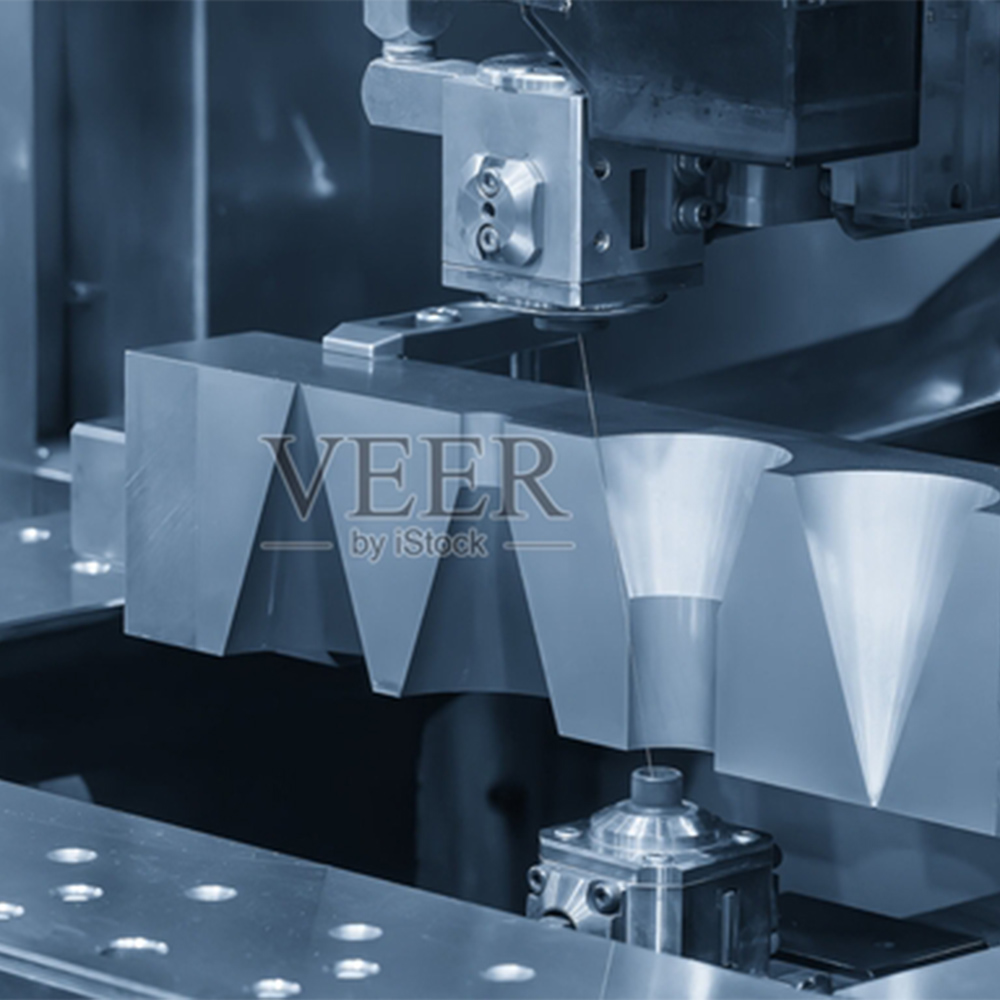
Wire cutting machine tool processing stamping die on site
-
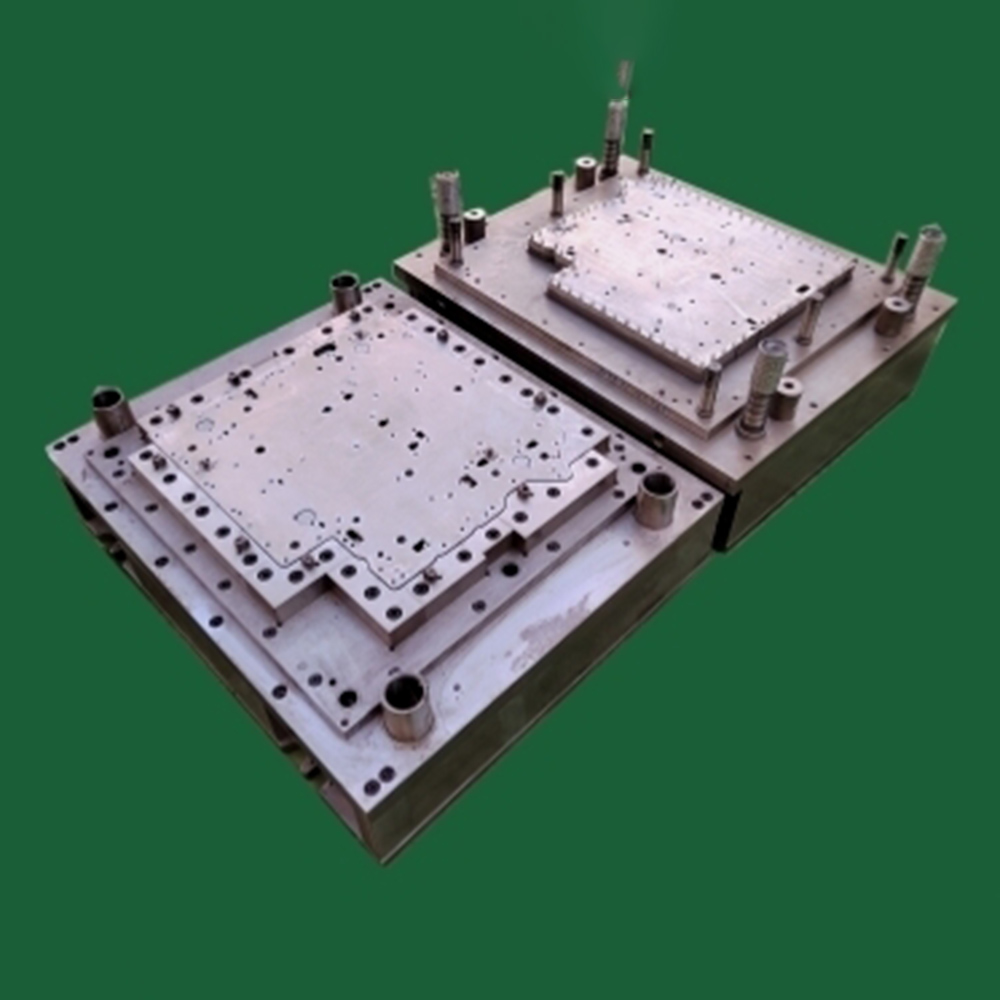
Multi-station continuous stamping die (integrated wire cutting)
-
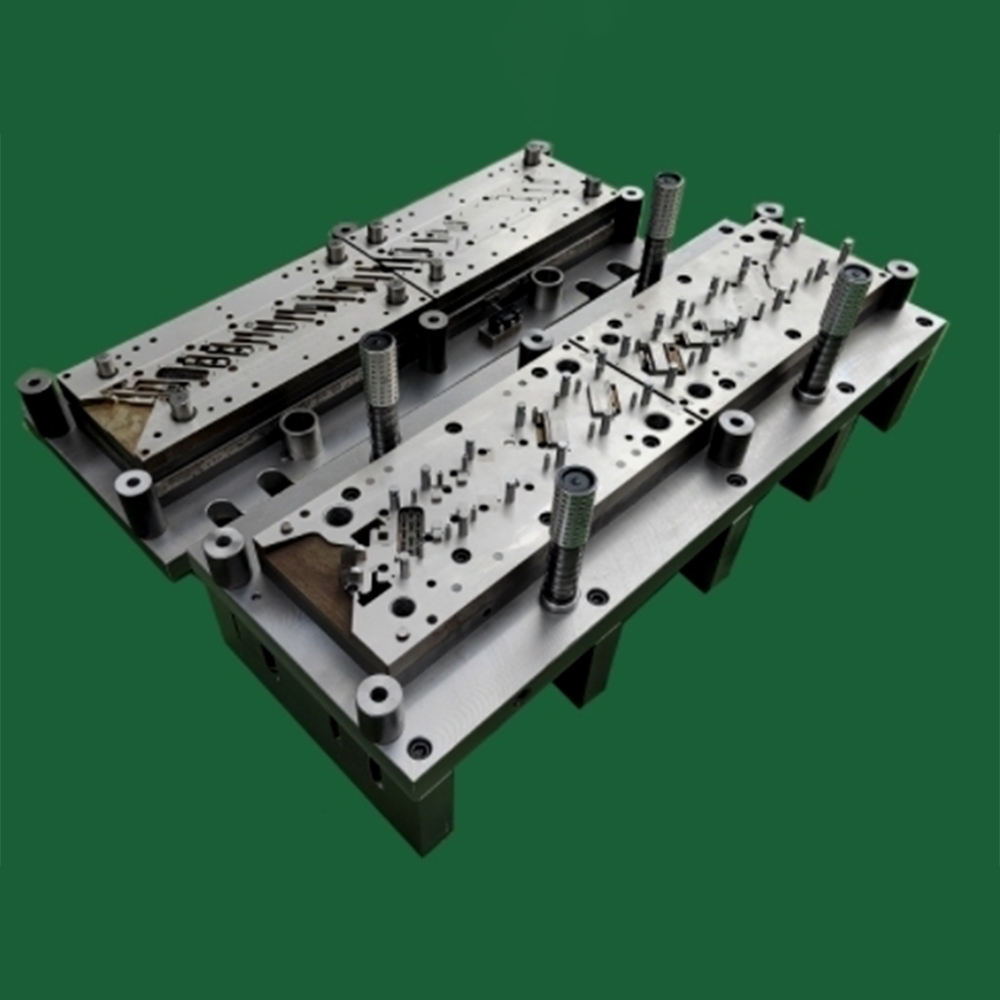
terminal progressive die (typical product of wire cutting)
-
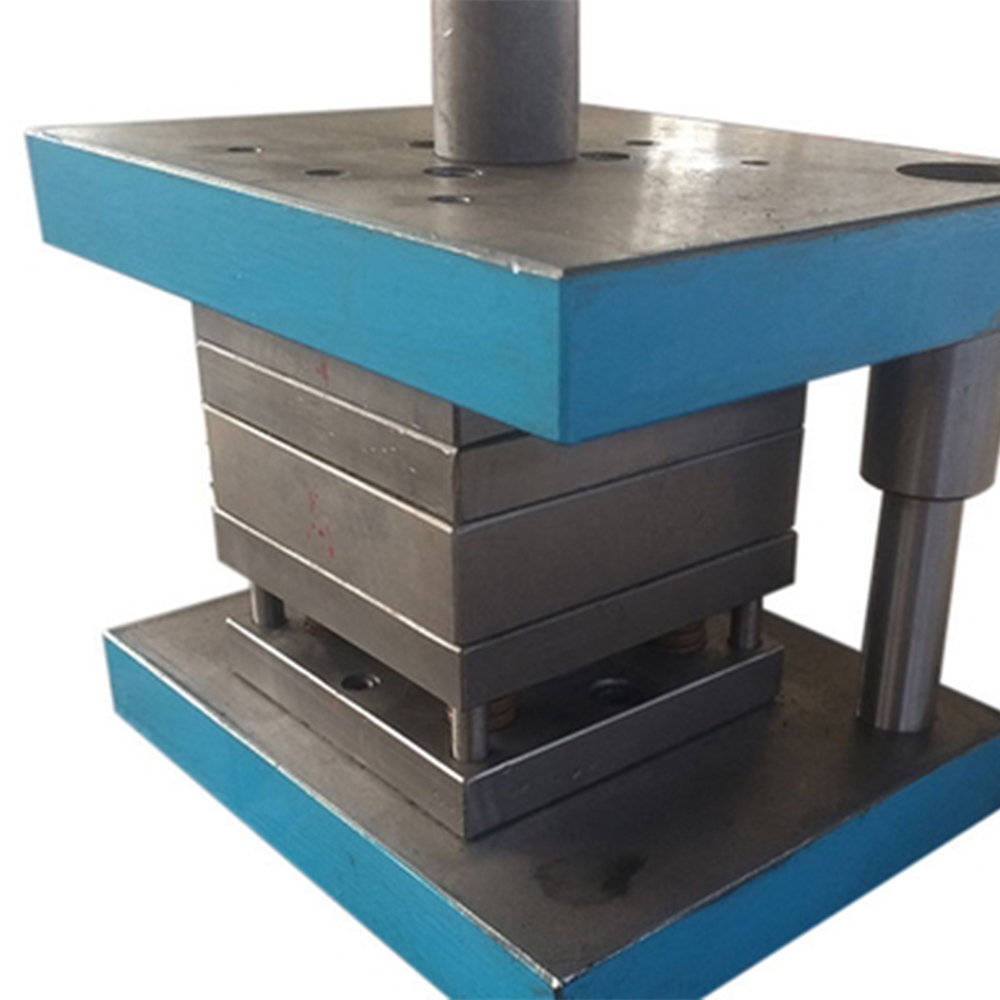
Motor silicon steel sheets, stator and rotor stamping molds (areas where wire cutting excels)