
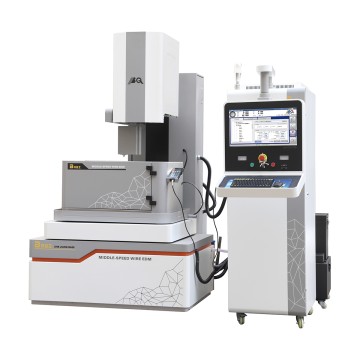
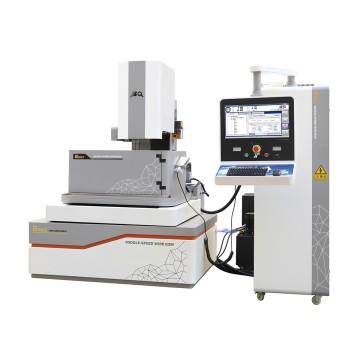
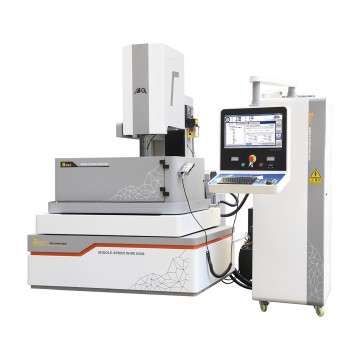
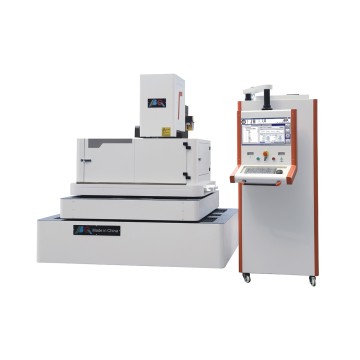
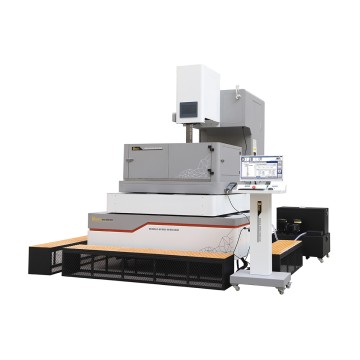
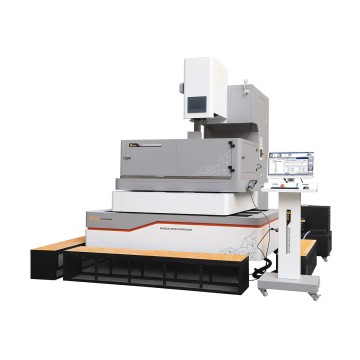
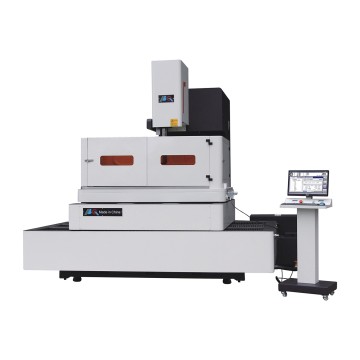
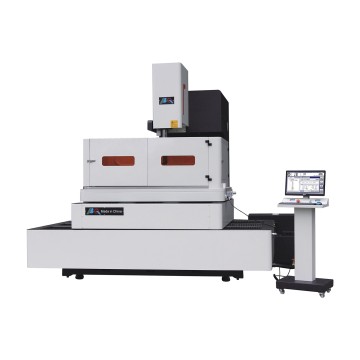
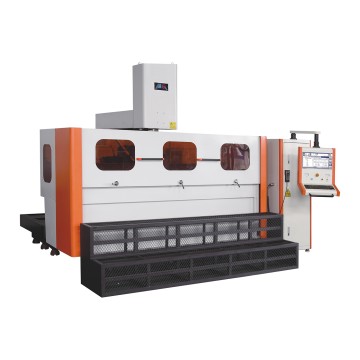
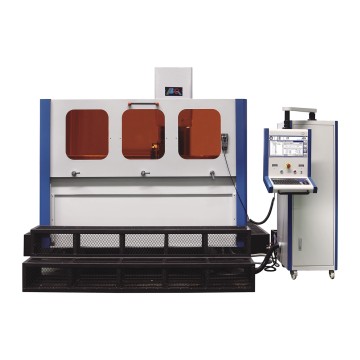
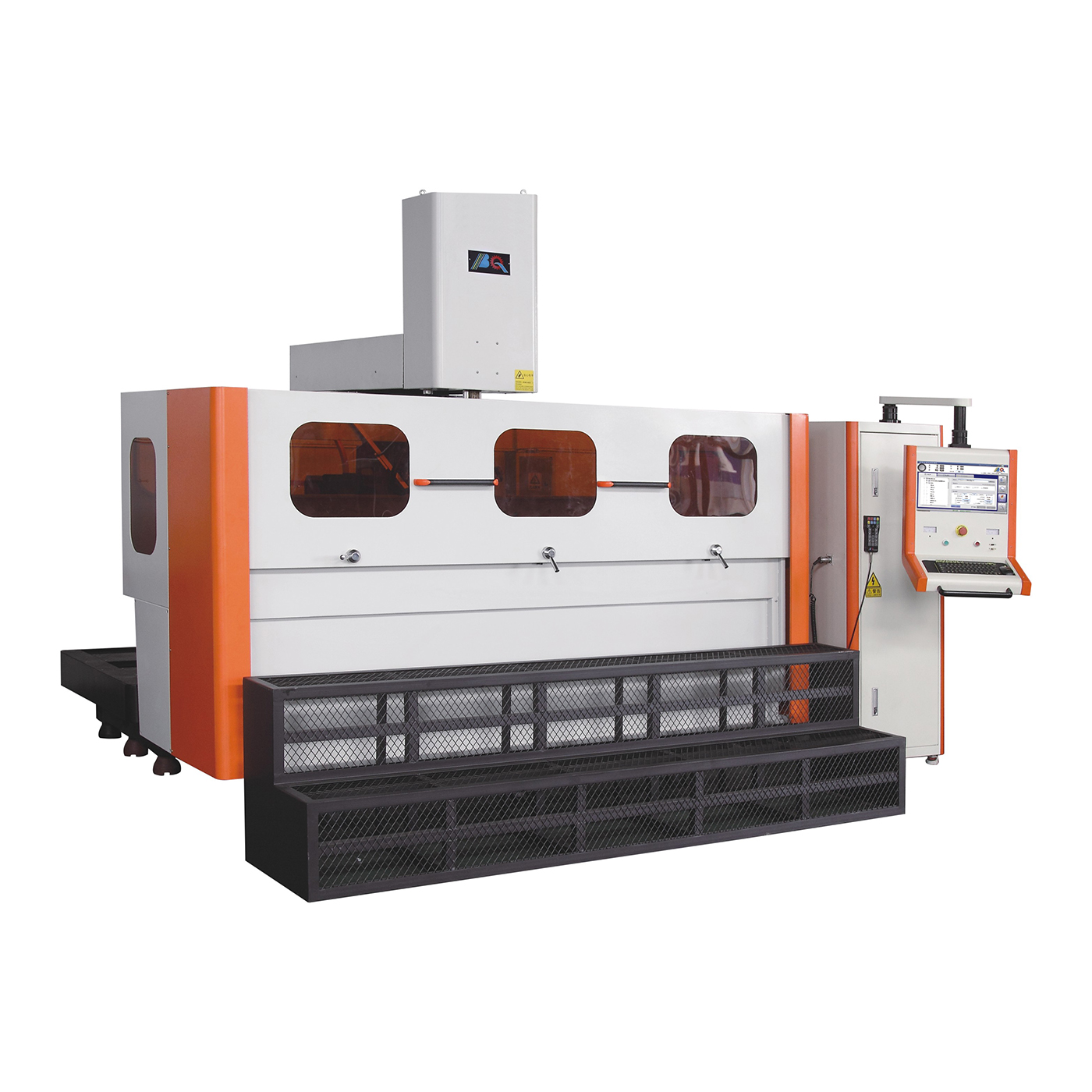
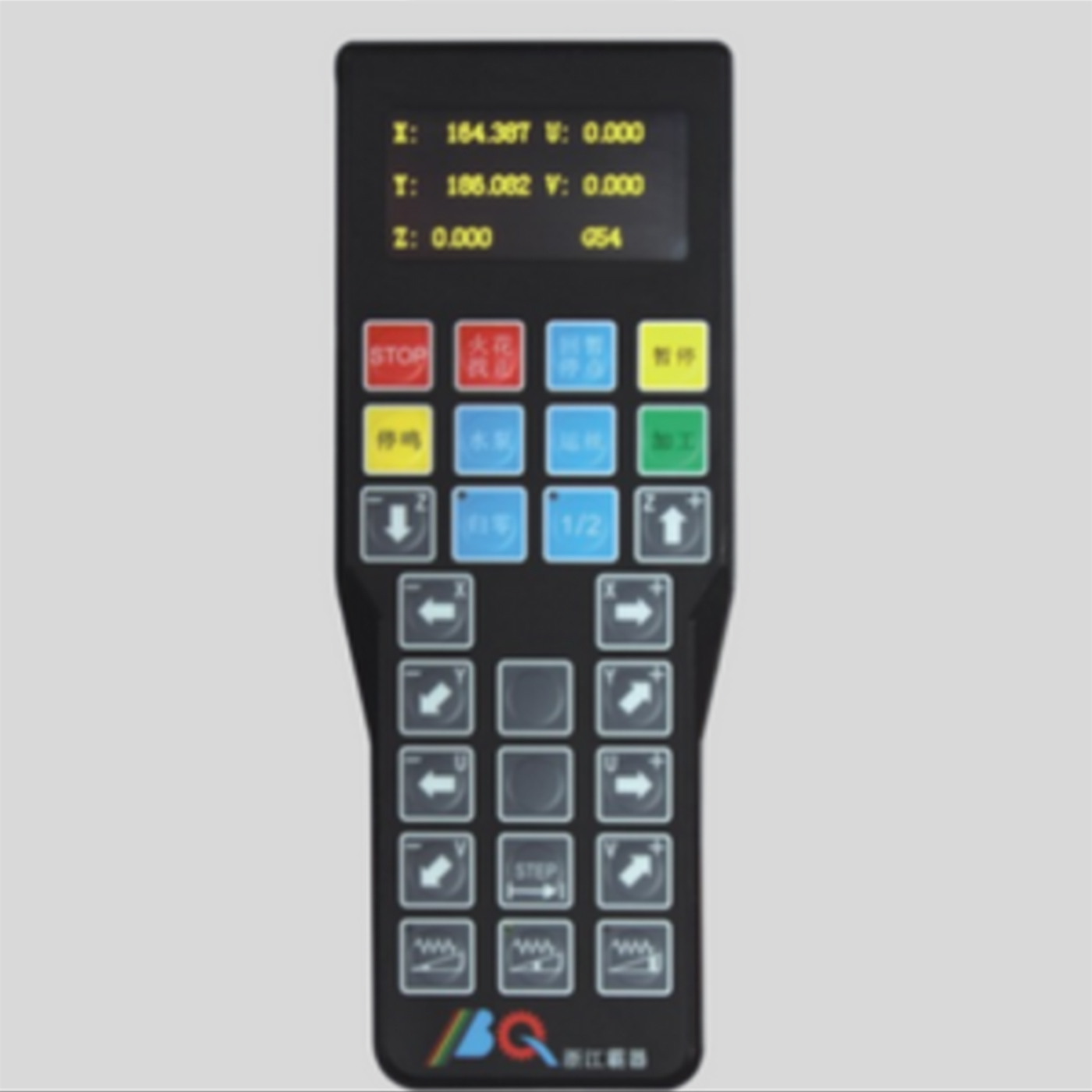
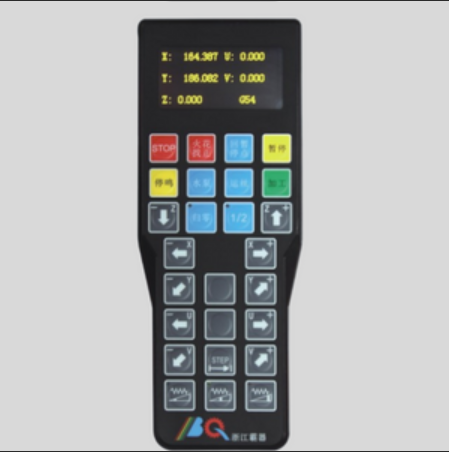
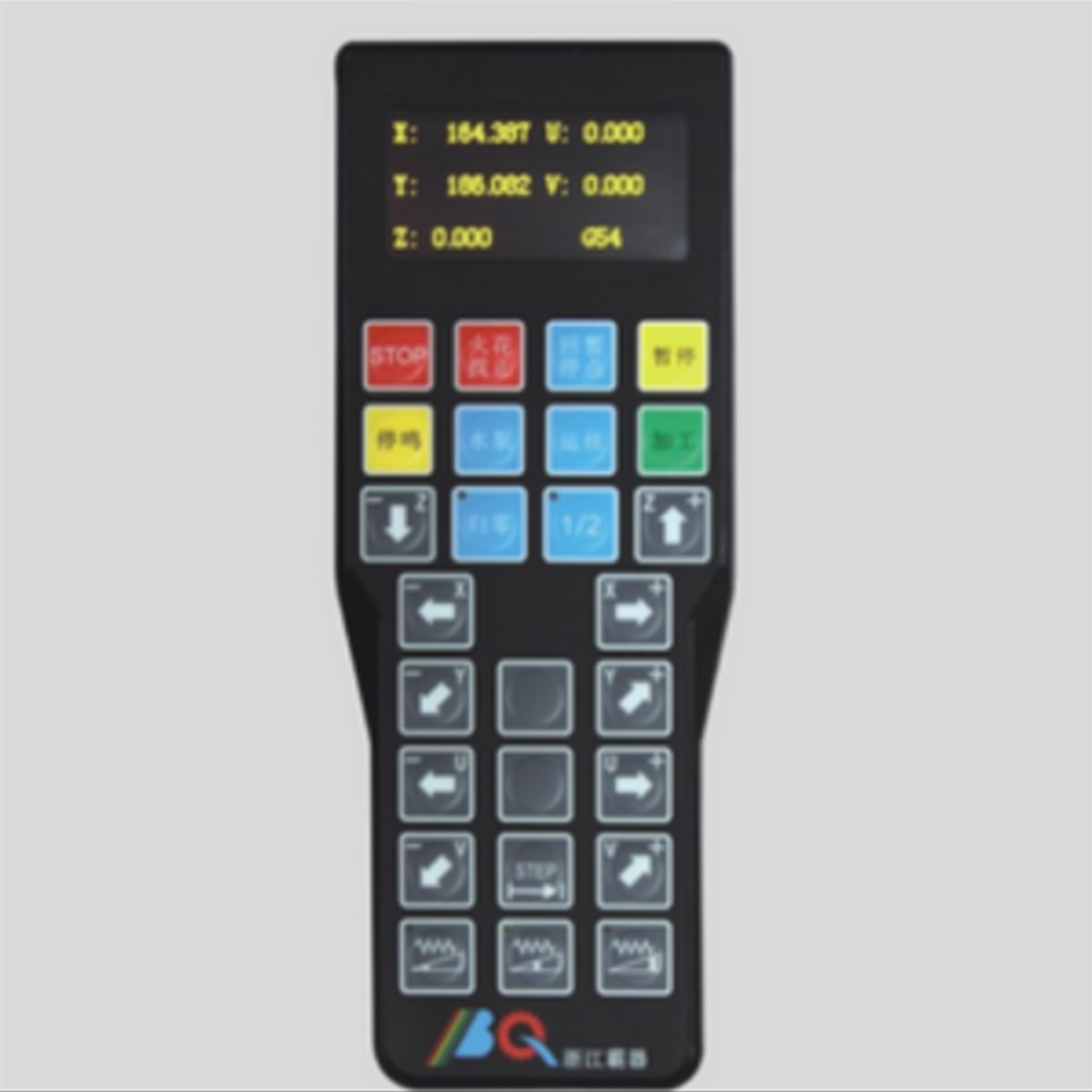
High Precision 5 Axis linkage BQ1580 Medium-Speed CNC Wire cutting EDM Machine
Share to:


Model |
BQ1580 |
|
Table travel |
Worktable size(mm) |
1850×970 |
X/Y travel (mm) |
1500×800 |
|
Max work piece size(mm) |
2040×1020 |
|
Max cutting thickness (mm) |
600 |
|
Max load weight (kg) |
3000 |
|
X/Y min.directive unit(mm) |
0.001 |
|
Taper and Z-axis travel |
Taper U/V travel (mm) |
80×80 |
Max cutting taper (mm) |
±15°/150 mm |
|
U/V min.command unit(mm) |
0.001
|
|
Transmission control |
Control method |
X/Y/U/V/Z Servo driven(Linear motor are option for X/Y) |
Z axis drive |
Numerical control |
|
Simultaneously controlled axes |
X Y U V-4 Axis |
|
Wire drum |
Max travel of wire drum(mm) |
200 |
Wire diameter(mm) |
①0.1-Φ0.2 (Standard 0.18) |
|
Wire speed(m/s) |
1-11.4 variable frequency |
|
Max.wire storage length (m) |
330 |
|
Machining parameters |
Reposition accuracy(mm) |
≤±0.005 |
Max cutting efficiency(mm²/min) |
≥300 |
|
Roughness/Ra(μm)cut 1 trim 2 |
0.7-1.4 |
|
Working liquid tank |
Liquid tank capacity |
130L |
Filtering method |
3 Layer filtration |
|
Others |
Power supply |
Three phase 380V AC/5OHz |
Control System |
Baqi system |
|
Total power consumption (kw) |
2.5 |
|
Max machining current(A) |
10 |
|
Machine gross weight(kg) |
11000 |
|
Machine size(mm) |
3600x2590×3200 |
|
Machine noise |
≤70dB |
|
Top-bottom irregular cutting |
Yes |
Baqi Intelligent's Medium-Speed Molybdenum Wire EDM are widely used in various fields such as mold and tooling, medical industry, aerospace, automotive parts, machining, military defense, and more. Let's explore the application characteristics and advantages of medium-speed wire cutting machines in different industries:
Application Analysis of Medium-Speed Molybdenum Wire EDM Machines in the Optical Instrument Industry
Optical instruments are among the fields with the most stringent requirements for precision, stability, surface finish, and no deformation. From lens modules, microscope structures, and laser devices to optical communication components, all require precision parts with extremely high consistency. Medium-speed molybdenum wire EDM machines (medium-speed wire cutting) have become an irreplaceable key process in optical instrument manufacturing due to their stress-free operation, micron-level precision, ability to process ultra-thin parts, and complex irregular structures.
Main Application Scenarios in the Optical Instrument Industry
1. Lens and Camera Module Structural Components
Metal structural components for optical lenses, industrial lenses, and mobile/automotive lenses have extremely high requirements for coaxiality, flatness, and wall thickness uniformity. Typical processing objects include:
● Lens retaining rings, positioning rings, spacers, focusing rings, and light-shielding brackets
● High-precision concentric rings, slits, micro-steps, and symmetrical slots
● Thin-walled, deep-cavity, and deformation-free precision sleeve structures
The processing accuracy indicators achievable by a medium-speed molybdenum wire EDM machine are:
● Coaxiality of inner and outer circles ≤ 0.003mm
● Stable and controllable flatness and parallelism
● No burrs, no scratches, and no impact on optical assembly and optical path
2. Optical Slits and Aperture Components
In optical instruments, slits, adjustable apertures, and grating supports are core components that determine imaging and detection accuracy. Typical processing objects include:
● High-precision straight slits, curved slits, and fan-shaped slits
● Micro-slit structures in spectrometers, analyzers, and medical optical equipment
● Machining of ultra-narrow slits with widths of 0.05mm~0.5mm
Traditional milling and stamping processes for these parts are prone to deformation and burr problems, while wire EDM can cut and form them in one go, with uniform slit width, no stress and no deformation, fully meeting the requirements of optical accuracy.
3. Laser and Optoelectronic Precision Structural Components
Laser modules, optical communication, and sensing devices have extremely high requirements for structural stability. Typical processing objects include:
● Laser collimator brackets, mirror mounts, prism clamps, coupling positioning components
● Fiber optic communication ceramic metallized bases, positioning pins, fine-tuning structures
● High-rigidity, low-thermal-deformation stainless steel, copper alloy, and tungsten copper parts
Medium-speed wire EDM is suitable for the multi-variety, small-batch production characteristics of the optical industry and is suitable for processing high-precision, structurally complex optoelectronic structural components.
4. Microscope and Precision Optical Instrument Body Structures
Typical processing objects include:
● Microscope stage sheet, guide rail groove, positioning jaws
● Fine-tuning mechanisms, micro-movement sliders, and limiting components of optical inspection equipment
● Ultra-thin spring sheets and cantilever structures with thicknesses of 0.1~1mm
Stress-free processing characteristics can ensure that the instrument does not deform or drift in accuracy during long-term use, maintaining the long-term stability of optical equipment.
5. Optical Molds and Precision Tooling
Typical processing objects include:
● Injection mold inserts, cavities, and micro-sprues for optical plastic lenses
● Lens assembly fixtures, positioning fixtures, and testing jigs
● High-hardness mold steel and cemented carbide wear-resistant parts
Core Advantages and Characteristics in the Optical Instrument Industry
1. Stress-Free Machining, No Deformation of Optical Parts
Optical parts are generally extremely thin, easily deformable, and require high symmetry. Traditional cutting processes generate cutting stress, causing deformation of parts and affecting optical accuracy. Wire EDM is a non-contact electrical discharge machining process with no cutting force, thus offering the following advantages:
● Ultra-thin parts do not deform, warp, or retain internal stress after machining
● Long-term stable optical accuracy after assembly
2. Micron-Level Ultra-High Precision, Meeting Optical-Grade Requirements
Wire EDM employs a multi-cutting process, sequentially completing roughing, finishing, and smoothing operations, consistently achieving optical-grade machining accuracy:
● Dimensional accuracy controlled within ±0.003~±0.005mm
● Surface roughness can reach Ra0.5~1.2μm
● Extremely high consistency in fillets, slits, and hole positions, fully meeting the micron-level assembly requirements of optical instruments
3. Capable of Machining Extremely Thin Parts and Micro-Slits
Wire EDM supports ultra-fine molybdenum wire machining, enabling the machining of ultra-thin and micro-structures that are difficult to achieve with traditional processes:
● Supports Φ0.1~0.2mm ultrafine molybdenum wire electrodes
● Capable of stably cutting narrow slits larger than 0.05mm
● Capable of machining ultra-thin wall parts of 0.1mm, especially suitable for machining key optical components such as apertures, slits, and light shields.
4. One-Time Forming of Complex Irregular Structures
Optical parts often have symmetrical, irregular, multi-step, and deep-cavity structures; wire EDM possesses the capability to machine complex contours:
● Supports machining of irregular shapes, large tapers, and multi-axis linkage
● Complex contour machining can be completed in a single clamping, reducing errors caused by multiple clampings
● High repeatability in machining symmetrical parts, effectively ensuring imaging and optical path stability
5. Adaptable to a Variety of Commonly Used Optical Materials
Wire EDM is an electrical discharge machining process that can process various conductive materials, and the machining effect is not affected by the material hardness. It is compatible with various materials commonly used in the optical field:
● Stainless steel, brass, phosphor bronze
● Tungsten copper, molybdenum copper, cemented carbide
● Conductive ceramics, composite metal materials
Effectively solves the problems of rapid tool wear and difficult processing when machining high-hardness materials using traditional methods.
6. Significant Cost and Efficiency Advantages
Compared with slow wire EDM equipment, the cost and efficiency advantages of medium-speed molybdenum wire EDM are more suitable for the production characteristics of the optical industry:
● Equipment investment is only 1/3 to 1/2 of that of slow wire EDM, lowering the production threshold
● Molybdenum wire can be reused, resulting in extremely low consumable costs
● Higher processing efficiency and faster order delivery
Very suitable for the multi-variety, small-batch, and high-precision production mode of the optical industry.
Supporting Pictures
Image Number |
Image Theme |
Core Content Displayed |
First Image |
Precision Parts for Optical Slits & Apertures |
Showcasing high-precision micro-slits, aperture plates, symmetrical slits, and micro-grooves, highlighting the processing characteristics of "ultra-fine, uniform, and burr-free" |
Second Image |
Metal Structural Parts of Lens Modules |
Showcasing lens focusing rings, positioning rings, brackets, and thin-walled sleeves, demonstrating the processing advantages of "high coaxiality, no deformation, and precision assembly" |
Third Image |
On-site Processing of Optical Parts with Medium-Speed Wire EDM |
Showcasing the entire machine, worktable, and scene of a medium-speed molybdenum wire EDM machine cutting optical thin sheets, demonstrating the processing characteristics of professional, stable, and high-precision |
Summary
In the optical instrument industry, medium-speed molybdenum wire EDM machines are widely used in the manufacturing of key components such as lens modules, optical slits, laser devices, microscope structures, and precision tooling due to their core advantages, including stress-free and deformation-free operation, micron-level precision, ability to process ultra-thin and slit structures, compatibility with various materials, and high cost-effectiveness. They meet the extreme requirements of optical instruments for precision, stability, and surface quality while controlling costs and improving efficiency, making them a highly cost-effective and indispensable precision machining solution in modern high-precision optical instrument manufacturing.
Product advantages and applicable industries
-
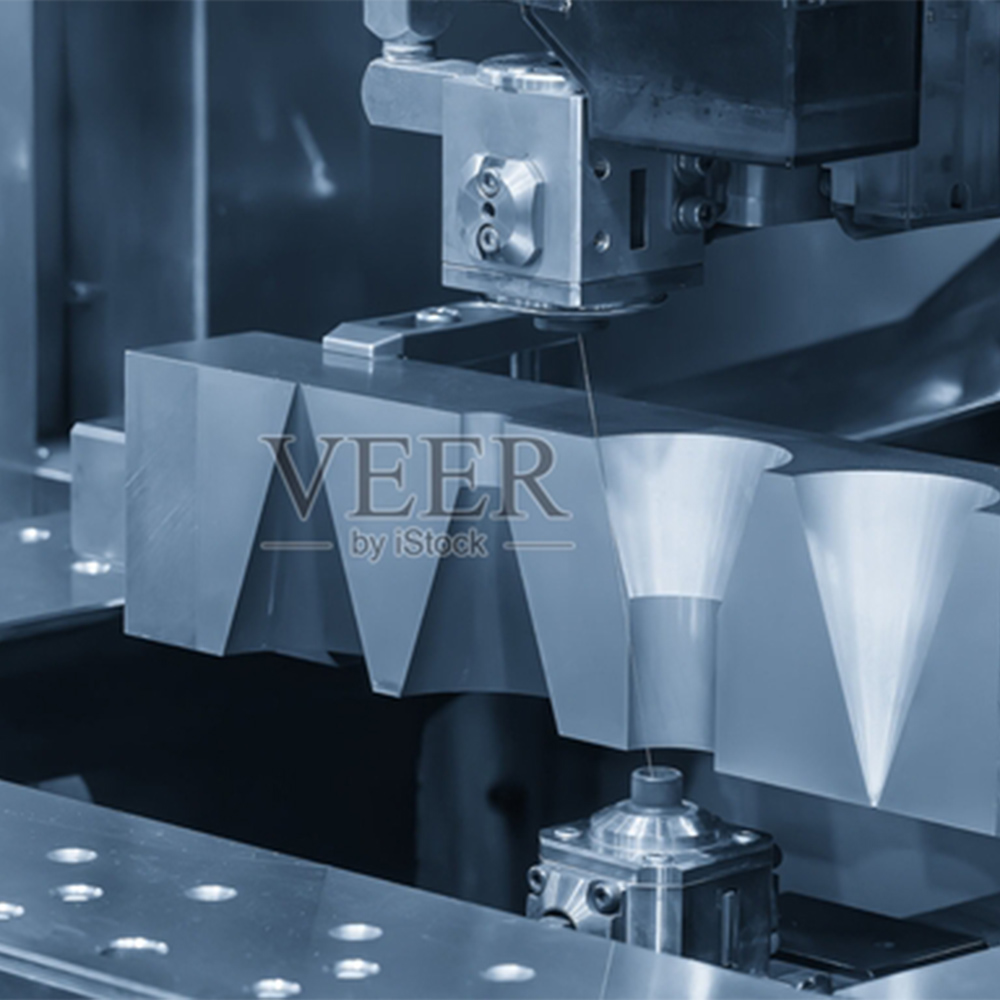
Wire cutting machine tool processing stamping die on site
-
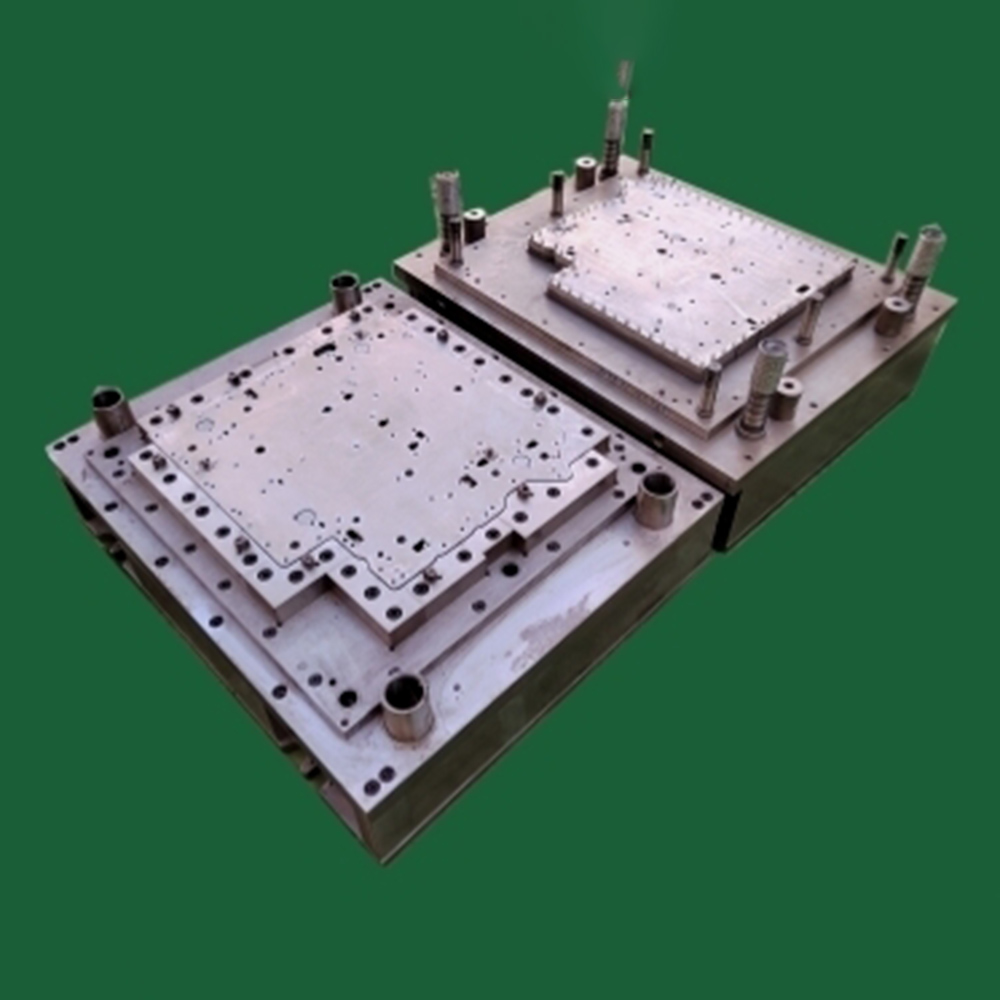
Multi-station continuous stamping die (integrated wire cutting)
-
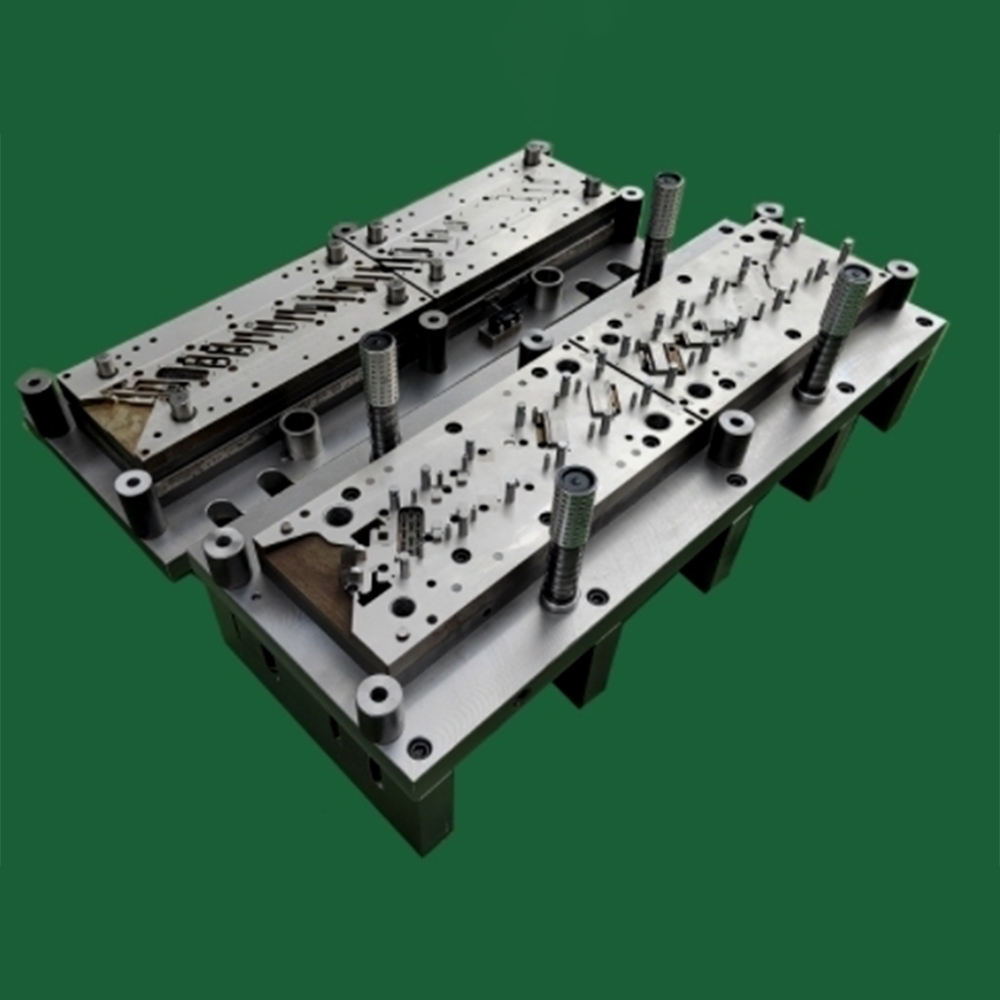
terminal progressive die (typical product of wire cutting)
-
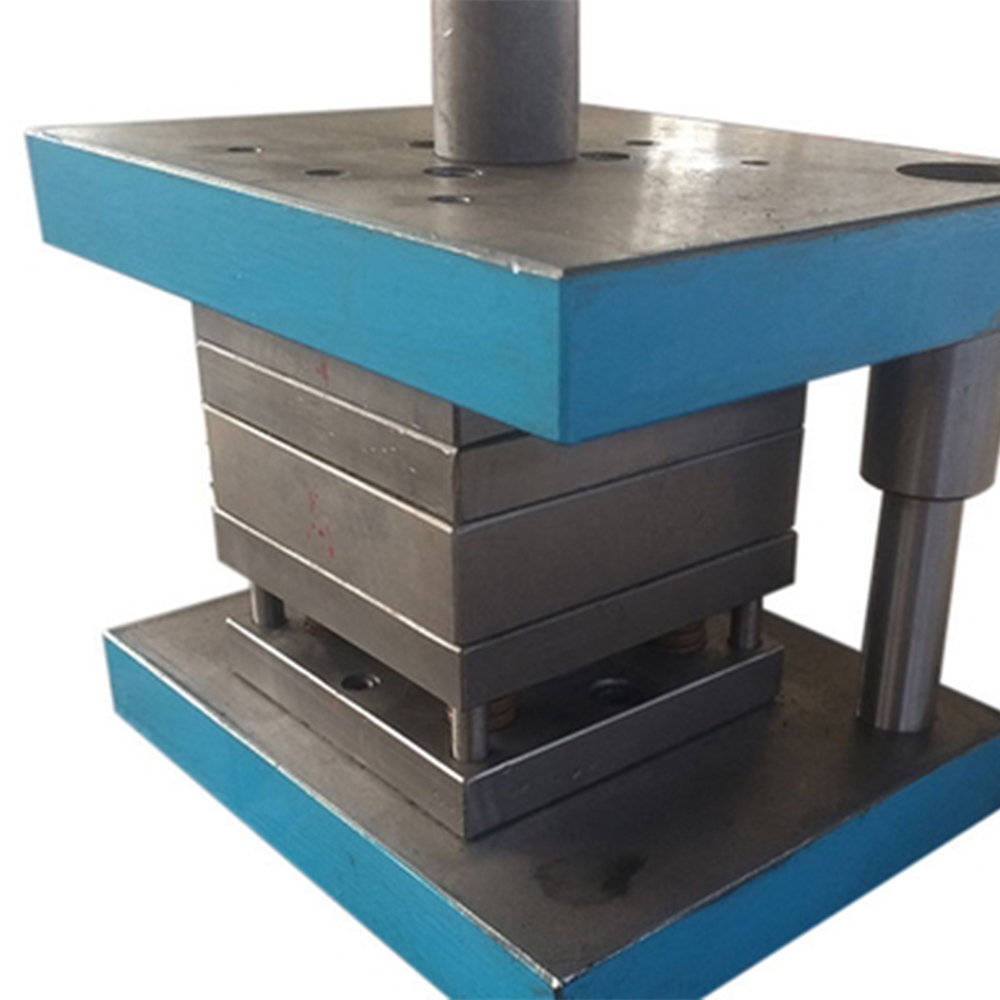
Motor silicon steel sheets, stator and rotor stamping molds (areas where wire cutting excels)