Leave Your Message
Explore our leading high-precision CNC machinery designed to integrate seamlessly with robotic loading systems for surgical-grade manufacturing.
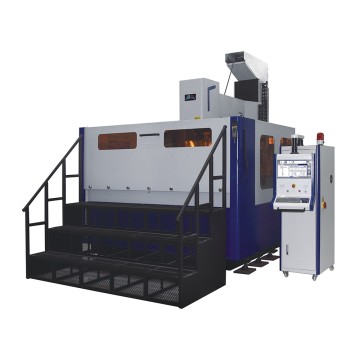
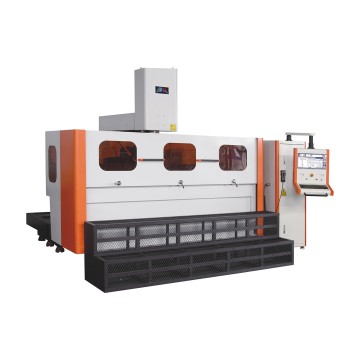
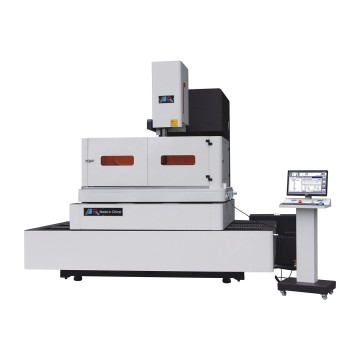
In the modern medical device manufacturing sector, the demand for surgical instruments with complex geometries, microscopic tolerances, and flawless finishes is rising exponentially. Driven by the rapid advancement of minimally invasive surgery (MIS), robotic-assisted surgery, and customized orthopedic implants, manufacturers are forced to rethink traditional machining workflows. The integration of Halter CNC Robotics into the production of surgical instruments represents a paradigm shift in how high-precision components are loaded, machined, and inspected.
Surgical instruments, ranging from simple scalpel handles and forceps to highly complex articulating joints for robotic surgery arms, require biocompatible materials such as titanium alloys, cobalt-chrome, PEEK, and specialized medical-grade stainless steels. Machining these materials to sub-micron accuracy is a challenging task. When manual loading is used, manufacturers experience significant spindle downtime, human error, and safety risks. Halter CNC Robotics addresses these bottlenecks by automating the loading and unloading of CNC milling, turning, and electrical discharge machining (EDM) centers, ensuring 24/7 continuous production.
"By coupling advanced CNC technology with robot loading systems, medical manufacturers can achieve complete process stability, eliminating the variability introduced by manual operations."
The global market for surgical instruments is witnessing massive growth, fueled by aging populations, expanding access to healthcare, and a strong clinical preference for robotic surgeries. Concurrently, the manufacturing industry faces a severe global shortage of skilled machinists. This labor deficit makes it difficult to run multiple shifts, limiting the return on investment (ROI) of expensive CNC machinery.
Industrially, the transition to automated loading systems like Halter CNC Robotics is no longer just an option for boosting profits; it is a necessity for survival. Medical device companies must comply with stringent regulatory frameworks, such as the FDA in the United States and the MDR in Europe. These regulations demand complete traceability, repeatable quality, and zero-defect manufacturing. Robotic automation provides a digital footprint for every part handled, reducing scrap rates and ensuring that each surgical instrument is processed under identical parameters.
Maximize OEE by keeping CNC spindles running through breaks, nights, and weekends without operator intervention.
Robotic handling eliminates manual scratching, denting, and misalignments of delicate surgical components.
Halter's smart user interface allows operators to set up new parts in under five minutes, ideal for high-mix, low-volume runs.
To understand the impact of Halter CNC Robotics on surgical tool manufacturing, we must examine the specific, highly demanding applications where these automated systems are deployed.
Laparoscopic tools require long, thin shafts and tiny end-effectors, such as micro-scissors, graspers, and staplers. These components feature complex internal channels and micro-hinges. To manufacture these parts, CNC machines must perform high-speed milling and precision wire EDM. A Halter CNC robot can load micro-blanks into the chucks of multi-axis machining centers with extreme positioning accuracy. Once machined, the robot gently unloads the finished parts into custom-designed trays to prevent any metal-to-metal contact that could compromise the instrument's surface finish.
Bone screws, joint replacements, and spinal cages are fabricated from hard-to-machine titanium or PEEK. Bone screws require continuous thread-whirling and milling operations. The high volume of bone screws makes them perfect candidates for automation. Halter systems can manage raw bar stock, raw castings, or pre-cut blanks, feeding them continuously into the CNC machine. The robot can also interface with post-process measuring stations, ensuring that if a tool starts to wear, the system automatically compensates or alerts the operator.
Robotic surgery systems, such as the DaVinci system, rely on highly sophisticated, multi-jointed wrist mechanisms at the tips of their instruments. These parts are exceptionally small and require complex geometries that can only be produced via multi-axis CNC milling and high-precision wire EDM. The challenge here is high-mix, low-volume production. Halter's flexible grid plates and smart grippers allow for rapid changeovers between different instrument parts, making it commercially viable to automate even small batches of 20 to 50 pieces.
Dental drills and abutments require high-precision grinding and Swiss-type turning. The tolerances are often within single-digit microns. Automated loading ensures that the thermal stability of the CNC machine is maintained, as the machine door remains closed and the cycle runs continuously. This constant thermal state is crucial for maintaining micro-level tolerances over long production runs.
Electrical Discharge Machining (EDM) is a cornerstone technology in surgical instrument manufacturing. Because surgical tools are made of tough metals like titanium and stainless steel, traditional rotary cutting tools often struggle with tool wear, burr formation, and material stress. Medium-Speed CNC Wire Cutting EDM machines solve these problems by using a thin, electrically charged wire to cut through materials without physical contact.
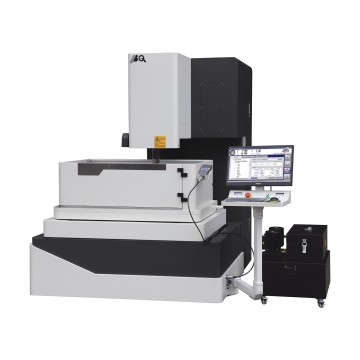
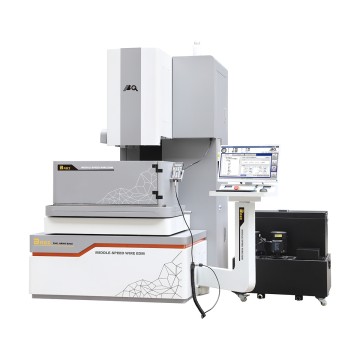
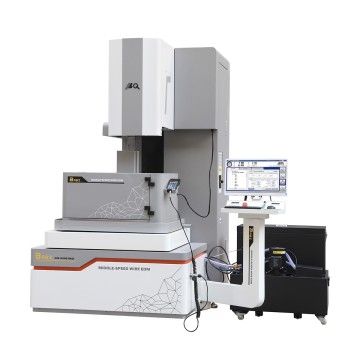
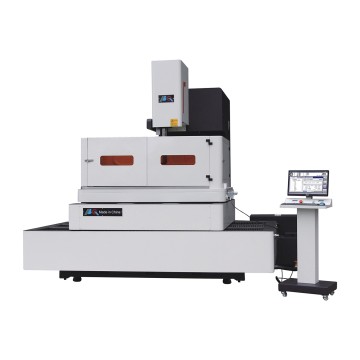
Integrating a Halter CNC Robotic system with a Medium-Speed Wire EDM machine (such as the BQ2012DYB or BQ1580DYB) creates a highly efficient manufacturing cell. The robot handles the loading of raw metal blocks onto the EDM worktable fixtures. Because wire EDM cutting times can be relatively long, the robot can be configured to serve multiple machines, or to load parts during the night, allowing for completely unmanned "lights-out" manufacturing. This synergy dramatically reduces cost-per-part and increases the capacity of the machine shop without adding to the headcount.
As we look toward the future of medical manufacturing, several key technological trends are emerging that will further enhance the capabilities of CNC robotics:
In the medical sector, quality control is not just about performance; it is a legal requirement. Every surgical instrument must be traceable back to its raw material batch, and every step of the manufacturing process must be documented. Halter CNC Robotics systems can be integrated with Manufacturing Execution Systems (MES) and ERP software. When the robot loads a part, it can scan a laser-etched barcode on the workpiece, recording the exact time, the machine used, and the specific CNC program executed. This level of automated data logging is invaluable during regulatory audits and ensures 100% compliance with ISO 13485 standards.
The adoption of Halter CNC Robotics for surgical instrument manufacturing is a strategic investment that addresses the core challenges of the modern medical device industry: labor shortages, rising material costs, strict quality standards, and the need for rapid production cycles. By combining the precision of Medium-Speed CNC Wire Cutting EDM machines with the flexibility and reliability of robotic loading, manufacturers can secure a significant competitive advantage, delivering life-saving surgical tools to the global market faster, cheaper, and with unmatched quality.
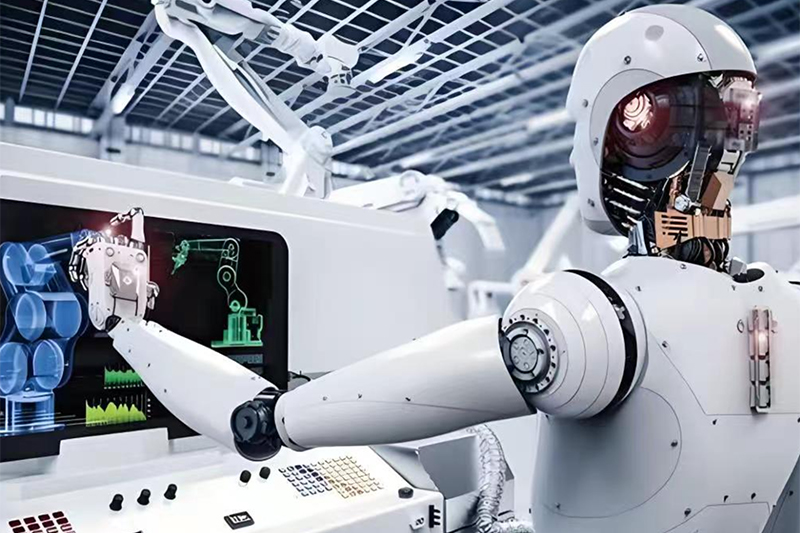
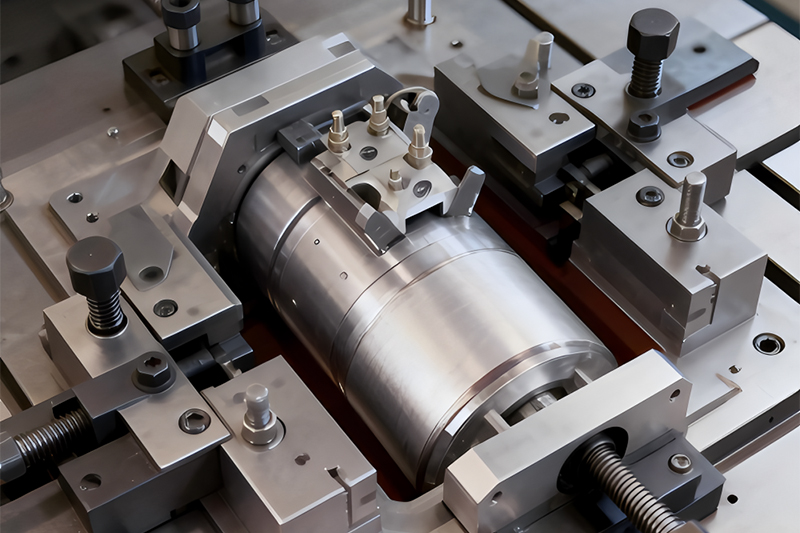
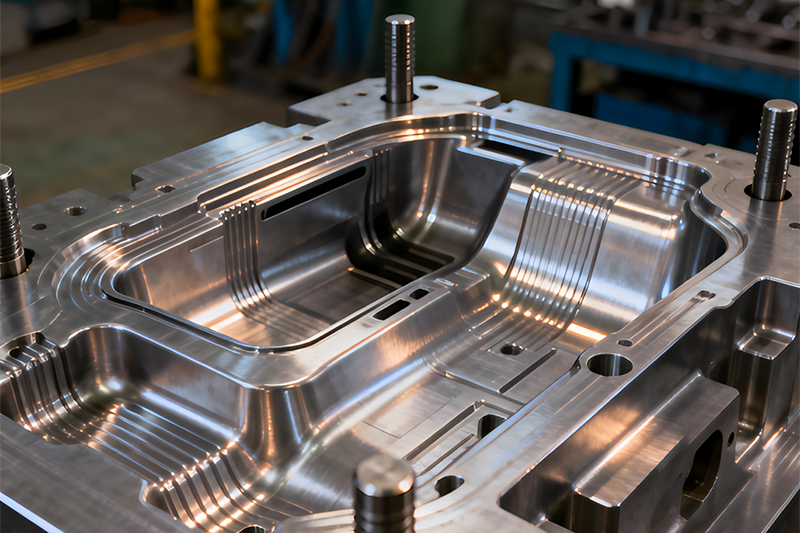

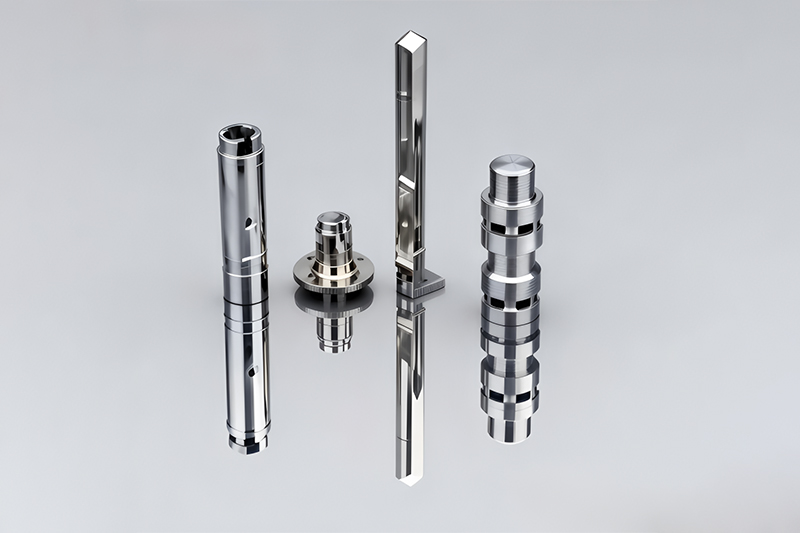
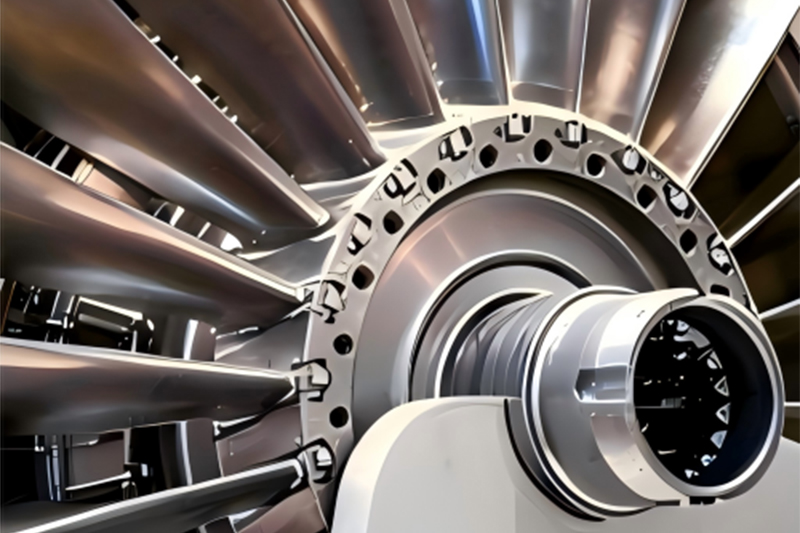
Browse our full catalog of high-performance CNC wire EDM systems engineered to meet the stringent demands of the surgical instrument and medical device sectors.