Leave Your Message
Engineered for articulating endoscopic wrists, orthopedic broaches, micro-laparoscopic graspers, and complex implantable geometries.
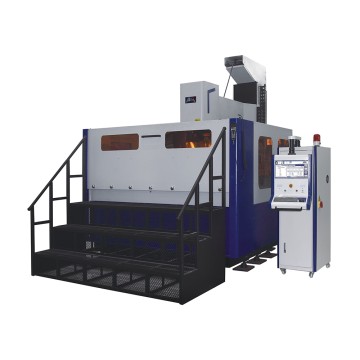
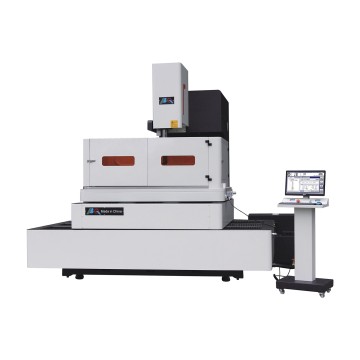
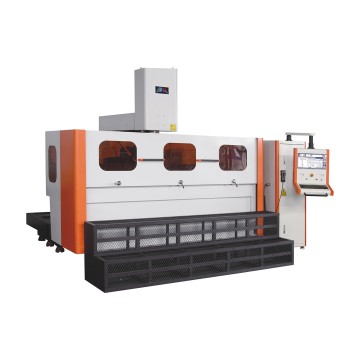
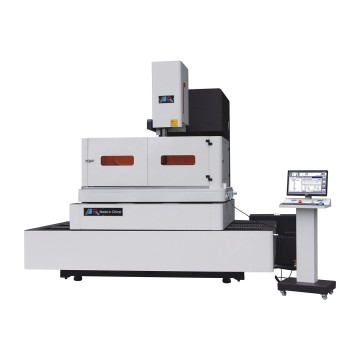
The global medical device sector is undergoing an unprecedented transition driven by Minimally Invasive Surgery (MIS), robotic-assisted surgical platforms (such as the da Vinci system), and patient-specific implantology. As surgical incisions shrink and robotic arm dexterity requirements escalate, surgical instruments require micro-features with tolerances tighter than ±2 µm and razor-sharp edge retentions. Traditional multi-axis milling, grinding, and laser micro-machining often struggle with tough biocompatible materials like ASTM F136 Grade 5 ELI Titanium, Nitinol superalloys, MP35N, and hardened precipitation stainless steels (e.g., 17-4PH, Custom 465). High tool wear, mechanical deflection during milling, heat-affected thermal degradation, and micro-burr formations pose severe manufacturing hurdles.
Herein lies the critical advantage of Five Axis Electrical Discharge Machining (5-Axis EDM). By deploying non-contact, high-frequency thermoelectric pulse discharges across multi-axis synchronized kinematic pathways (X, Y, Z, U, V, and integrated rotary indexing), 5-axis wire and micro-EDM systems eliminate mechanical cutting pressure completely. The resulting process yields burr-free surfaces, sharp internal radii down to micro-levels, and pristine mechanical integrity without inducing residual stress on fragile tubular walls or complex hinge joints.
Eliminates physical deflection and distortion when micro-machining ultra-thin surgical cannula walls, vascular stent profiles, and delicate micro-scissor jaws.
Easily processes refractory and difficult-to-cut superalloys including Cobalt-Chromium (CoCr), Nitinol, tungsten carbide bone broaches, and hardened 440C stainless steel.
Enables continuous complex 3D taper cutting, helical flute erosion on surgical drill bits, and interlocking serpentine micro-joints with single-clamping efficiency.
The versatility of 5-Axis Wire EDM is transformative across critical sectors of surgical instrument fabrication:
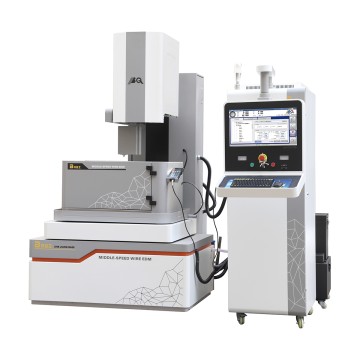
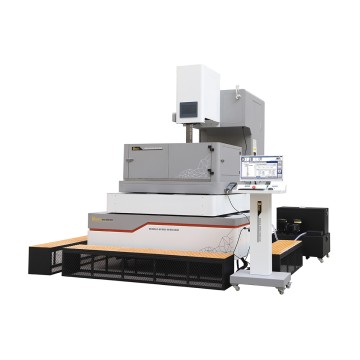
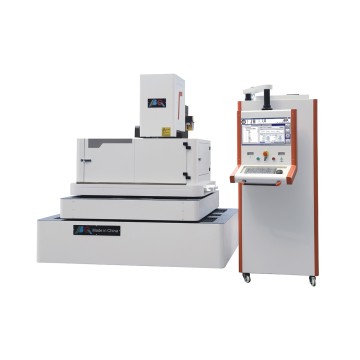
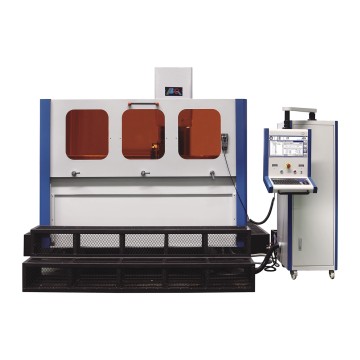
Unlike single-use brass wire systems that generate massive consumable expenses in high-volume medical production, modern Medium-Speed CNC Wire EDM combines multi-cut intelligent pulse generators with durable, high-tension molybdenum wire. By utilizing high-frequency digital power supplies, adaptive anti-electrolysis circuitry, and micro-energy discharge trimming, it achieves brass-level surface finishes (Ra ≤ 0.6 μm) and tight corner accuracy while slashing operational running costs by over 60%.
Looking toward the next decade of medical instrumentation, five-axis EDM technology is advancing in three profound dimensions:
1. Real-Time Intelligent Discharge Modulation: Advanced neural-network pulse generators continuously analyze spark gap impedance millions of times per second. When variations in cross-sectional thickness are detected (common in stepped surgical shafts), the pulse duration, discharge energy, and dielectric servo flow adjust instantly, preventing wire breakage and eliminating barrel distortion.
2. Minimization of White Layer (Recast Layer): Biocompatibility standards strictly regulate the recast metallurgical layer on implantable devices and surgical tools to prevent galvanic corrosion or particulate shedding. Modern sub-microsecond pulse generators limit the thermal-affected recast zone to less than 1.5 µm, which is easily eliminated through electropolishing or chemical passivation.
3. Seamless Industry 4.0 & ISO 13485 Compliance: Cutting-edge 5-axis EDM machines feature closed-loop optical linear scale feedback, automated in-process probing, and complete digital logging of discharge parameters for every serial-numbered medical component, delivering 100% data traceability for FDA and MDR audits.

The medium speed molybdenum wire cutting spark machine (medium speed wire), with its core characteristics of high precision and stability, plays an essential role in robotic joints, reducers, and surgical robot manipulators...
Read more →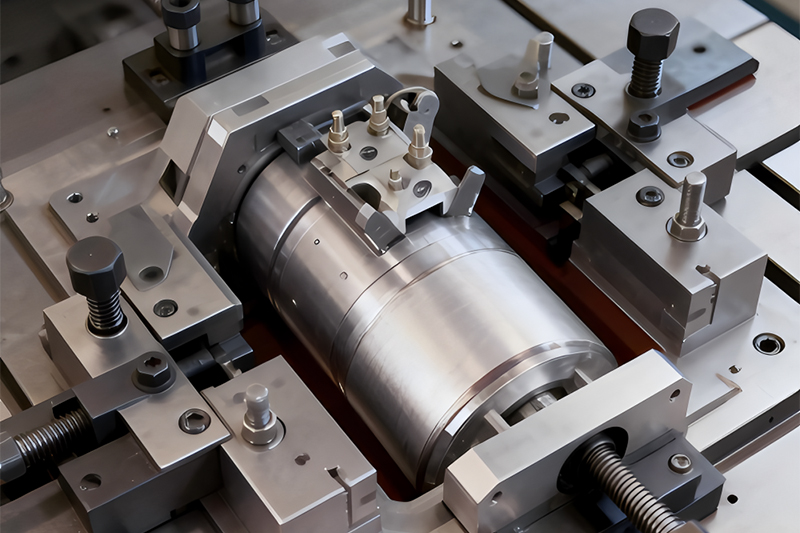
In the mechanical processing industry, wire cutting plays a dual role of universal machining supplement and precision keyway cutting, providing unmatched flexibility for complex contoured parts...
Read more →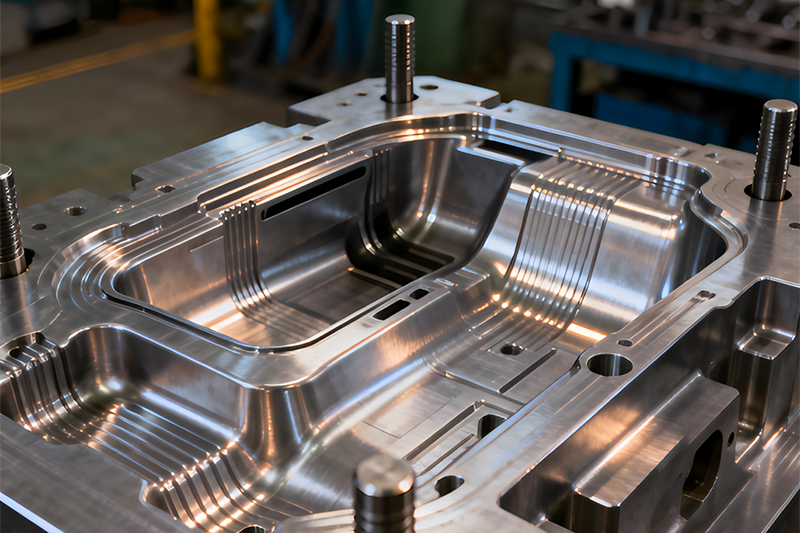
The core advantage of wire cutting in the automotive industry lies in its high efficiency, high precision, and stable processing of hardened gears, splines, transmission shafts, and specialty fixtures...
Read more →
The application of wire cutting in the medical industry is a typical extension of its precision machining capabilities, fabricating endoscopic components, orthopedic drills, and micro implants with zero stress...
Read more →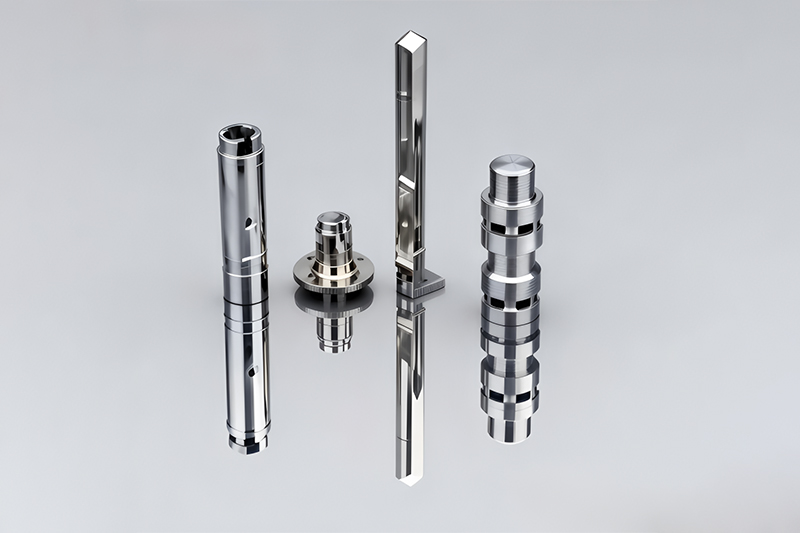
Wire-cutting EDM CNC machine tools (referred to as wire cutting) occupy an irreplaceable core position in the mold and die manufacturing sector, excelling in punching dies, progressive tooling, and extrusion dies...
Read more →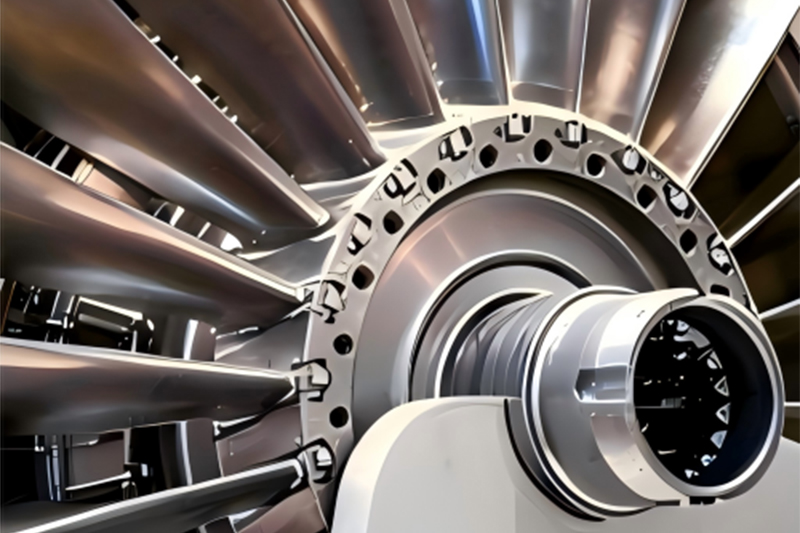
The application of wire cutting in the aerospace industry represents the pinnacle of machining capability, handling high-temperature Inconel alloys, blisks, turbine fir-tree slots, and honeycomb structures...
Read more →Discover our complete portfolio of high-precision medium-speed wire cutting EDM systems tailored for medical, aerospace, mold-making, and high-tech industrial tooling.