Leave Your Message
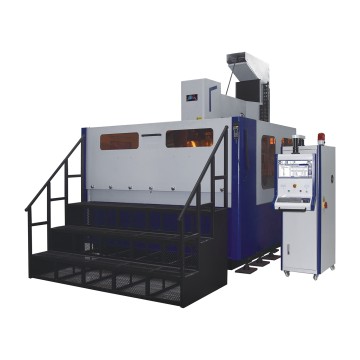
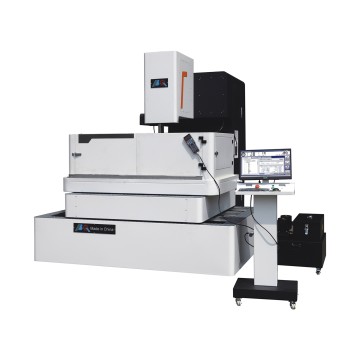
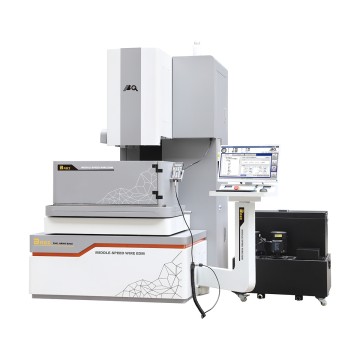
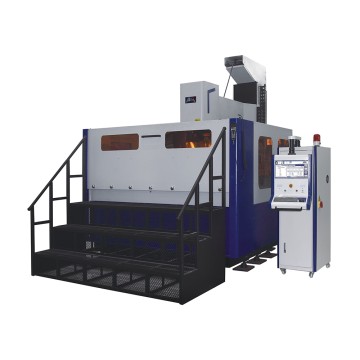
Electrical Discharge Machining (EDM), commonly known as EDM Burning or spark erosion, is a non-contact subtractive manufacturing process that removes material from a conductive workpiece through precisely controlled electrical sparks. Unlike conventional cutting, EDM requires no physical force — making it the definitive solution for hardened steels, exotic alloys and intricate mold geometries that are impossible to machine by traditional methods. In mold and die manufacturing, EDM burning is indispensable for producing complex cavities, sharp internal corners, deep ribs and micro-features with tolerances as tight as ±0.002 mm.
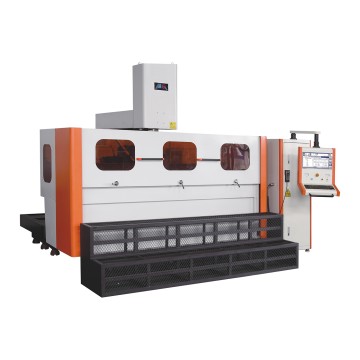
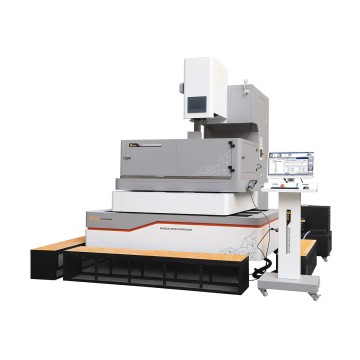
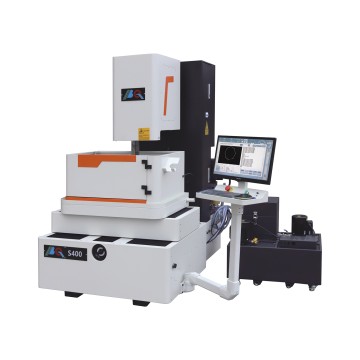
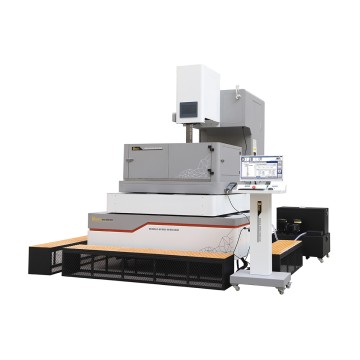
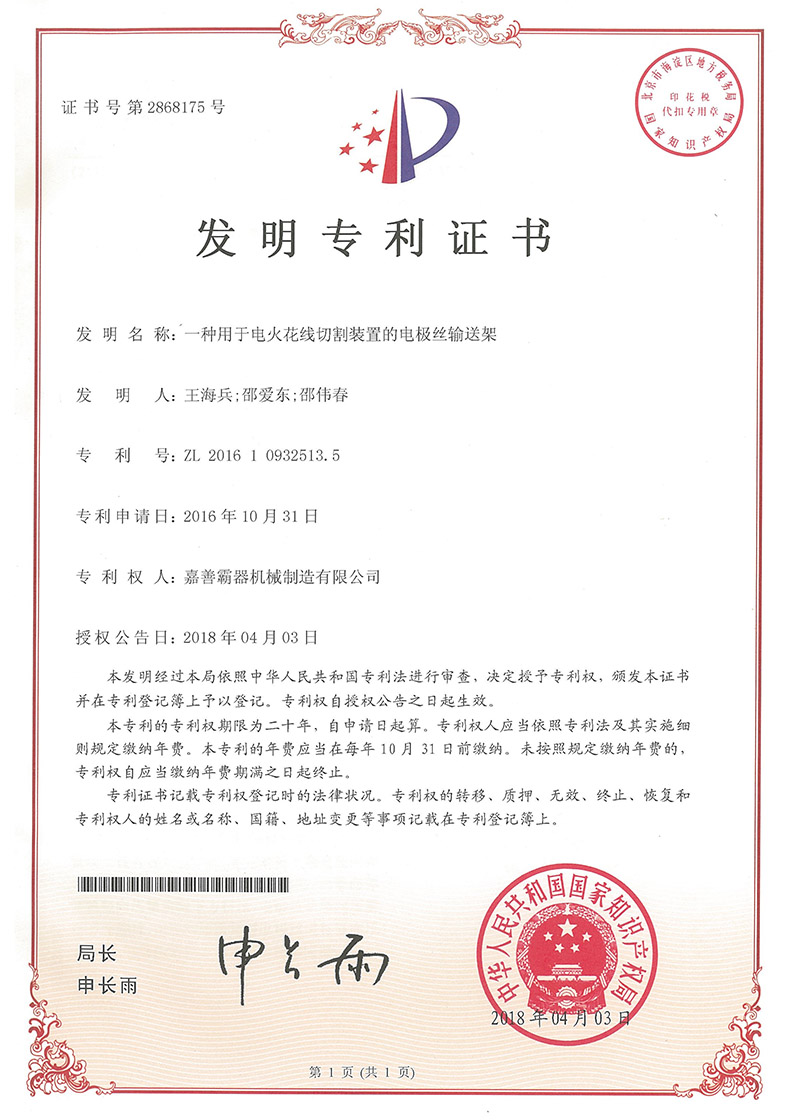
Wire EDM uses a continuously moving thin wire electrode (typically molybdenum or brass) to cut through hardened workpieces with exceptional dimensional accuracy. It is the preferred method for cutting punch-and-die sets, progressive dies, and complex mold inserts where surface finish and dimensional repeatability are paramount.
Sinker EDM (Ram EDM) uses a shaped graphite or copper electrode to erode cavities directly into the workpiece. It excels at producing deep ribs, blind pockets, textured surfaces and complex 3D mold cavities — tasks that wire EDM cannot perform due to geometric constraints.
Because EDM is a thermal, non-contact process, it introduces virtually zero mechanical stress into the workpiece. This is critical for thin-walled mold components, precision gauge tooling and medical device molds where any distortion would render the part unusable.
EDM burning can machine any electrically conductive material regardless of hardness — from hardened D2 tool steel and H13 hot-work steel to tungsten carbide, titanium, Inconel and polycrystalline diamond (PCD). This opens doors to mold and die applications that are simply not achievable with conventional machining.
EDM burning is the cornerstone of plastic injection mold manufacturing. Wire EDM produces precise parting lines, runner systems and gate inserts, while sinker EDM creates deep ribs, boss features and complex surface textures directly in hardened P20 or H13 steel mold bases — eliminating the need for soft machining and subsequent hardening.
The automotive industry demands stamping dies capable of producing millions of parts with consistent accuracy. Wire EDM cuts punch profiles, die openings and pilot holes in hardened D2 and M2 tool steels with repeatable precision, enabling automotive tier-1 suppliers to maintain tight tolerances across high-volume production runs.
Aerospace tooling for turbine blade forging dies, structural forming tools and composite layup molds requires machining of nickel superalloys and titanium at extreme precision. EDM burning handles these exotic materials without work-hardening or tool deflection, meeting the stringent AS9100 quality standards demanded by aerospace OEMs.
Medical-grade molds for surgical instruments, implants and disposable devices require mirror-quality surface finishes (Ra <0.1μm) and micro-feature accuracy. EDM burning — particularly micro-EDM — achieves features as small as 50μm, making it essential for micro-injection molds, catheter component tooling and dental prosthetic molds.
The miniaturization trend in consumer electronics drives demand for ultra-precise molds for smartphone housings, connector terminals and micro-switch components. Wire EDM's ability to cut complex profiles in hardened steel with sub-micron repeatability makes it the go-to process for high-cavity molds used in electronics mass production.
Aluminum and plastic extrusion dies require intricate internal profiles that are impossible to grind or mill efficiently. EDM burning cuts through the die material to create precise flow channels, bearing surfaces and die land geometries — directly impacting the dimensional accuracy and surface quality of extruded profiles.
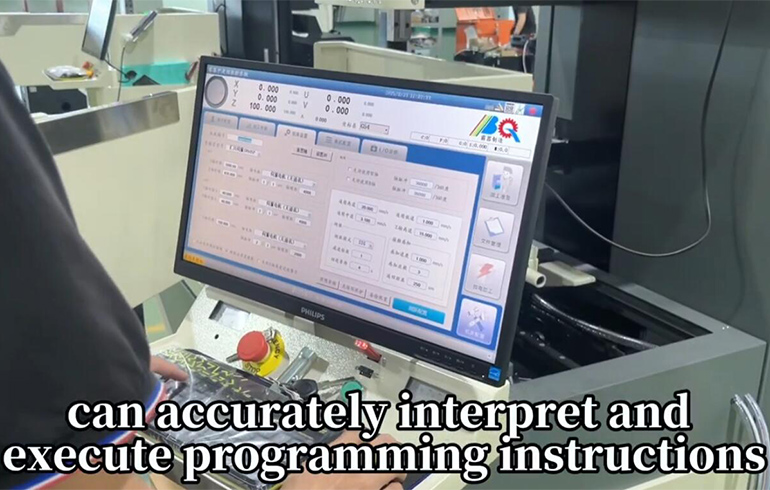
Next-generation EDM machines integrate AI-driven CNC controllers that continuously monitor spark gap conditions, discharge energy and wire tension — automatically optimizing cutting parameters in real time. This reduces wire breakage by up to 40%, improves surface finish and enables lights-out unattended machining for mold shops seeking maximum productivity.
Modern EDM machines are equipped with OPC-UA and MTConnect protocols, enabling seamless integration into Industry 4.0 smart factory ecosystems. Real-time machine data — including spindle load, dielectric temperature, machining time and alarm status — is streamed to MES and ERP systems, giving mold manufacturers complete production visibility.
Environmental regulations and energy costs are driving development of eco-friendly EDM generators that reduce power consumption by 25–35% compared to legacy systems. Closed-loop dielectric fluid recycling systems and biodegradable cutting fluids are becoming standard in modern EDM wire cutting machines, aligning mold manufacturers with sustainability mandates.
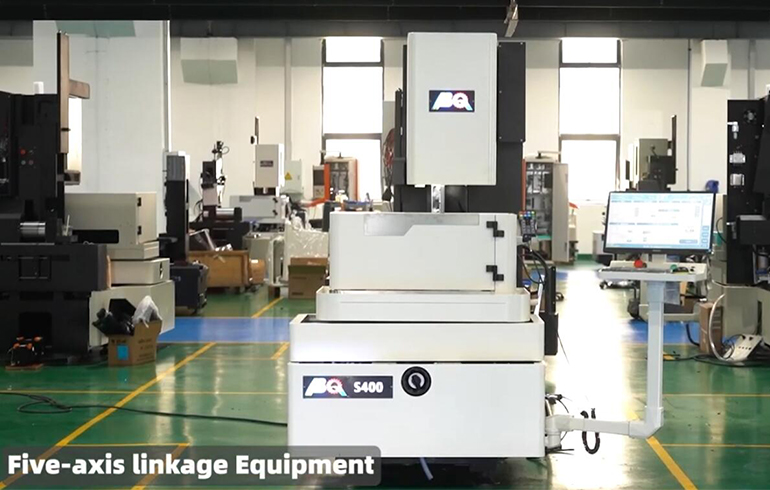
The evolution from 4-axis to 5-axis and 10-axis CNC wire EDM systems enables simultaneous taper cutting, cylindrical grinding simulation and complex 3D surface generation in a single setup. This dramatically reduces setup time for complex die components and enables production of tapered punches, draft-angle mold inserts and twisted extrusion profiles.
Integration of on-machine probing and digital twin simulation allows mold makers to verify workpiece dimensions during machining without removing the part from the machine. Digital twin technology simulates the entire EDM process before cutting begins, predicting surface finish, machining time and electrode wear — eliminating costly trial-and-error iterations.
Advanced pulse generators with nano-second discharge control achieve mirror-quality surface finishes (Ra <0.05μm) directly from EDM — eliminating the need for post-process polishing in optical molds and medical device tooling. Simultaneously, high-speed rough cutting modes increase material removal rates by over 30% compared to conventional EDM generators.
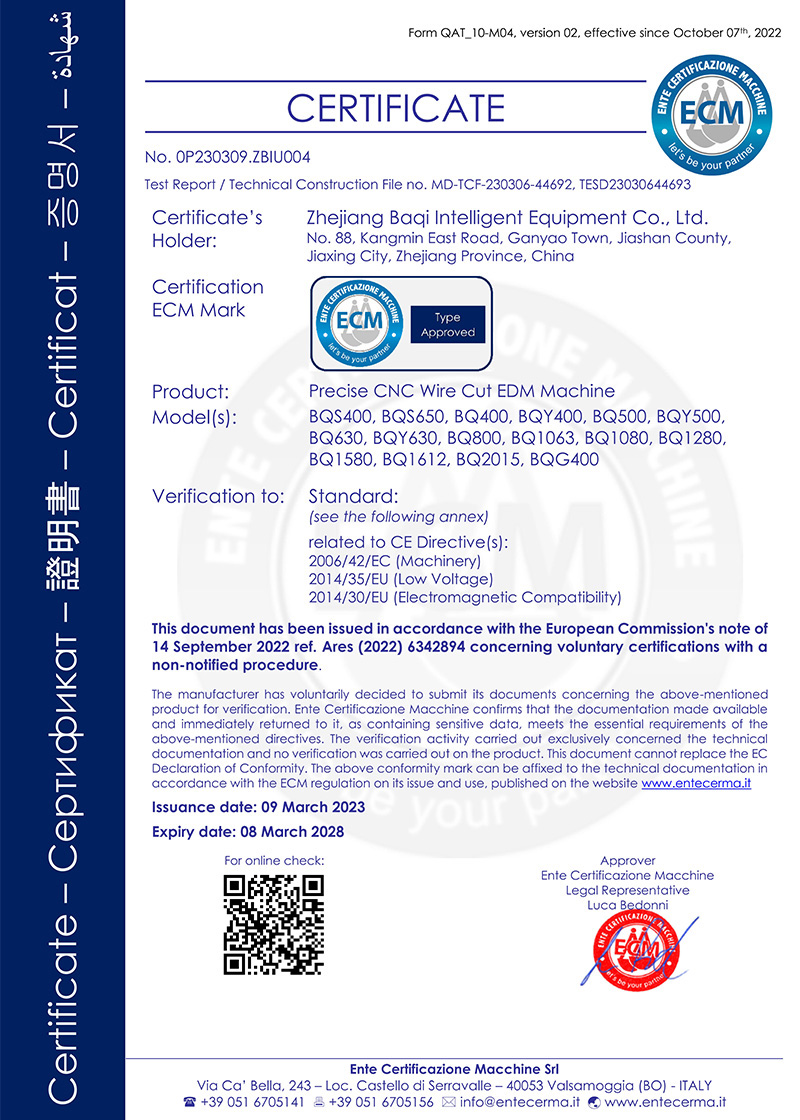
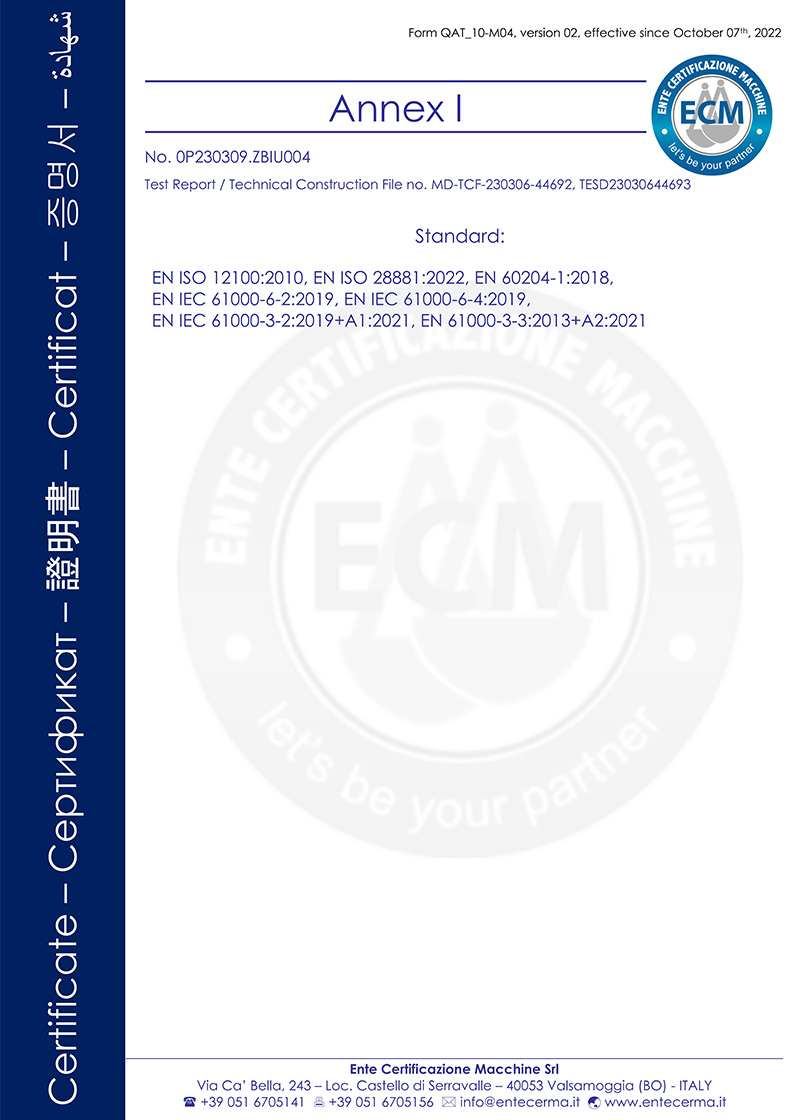
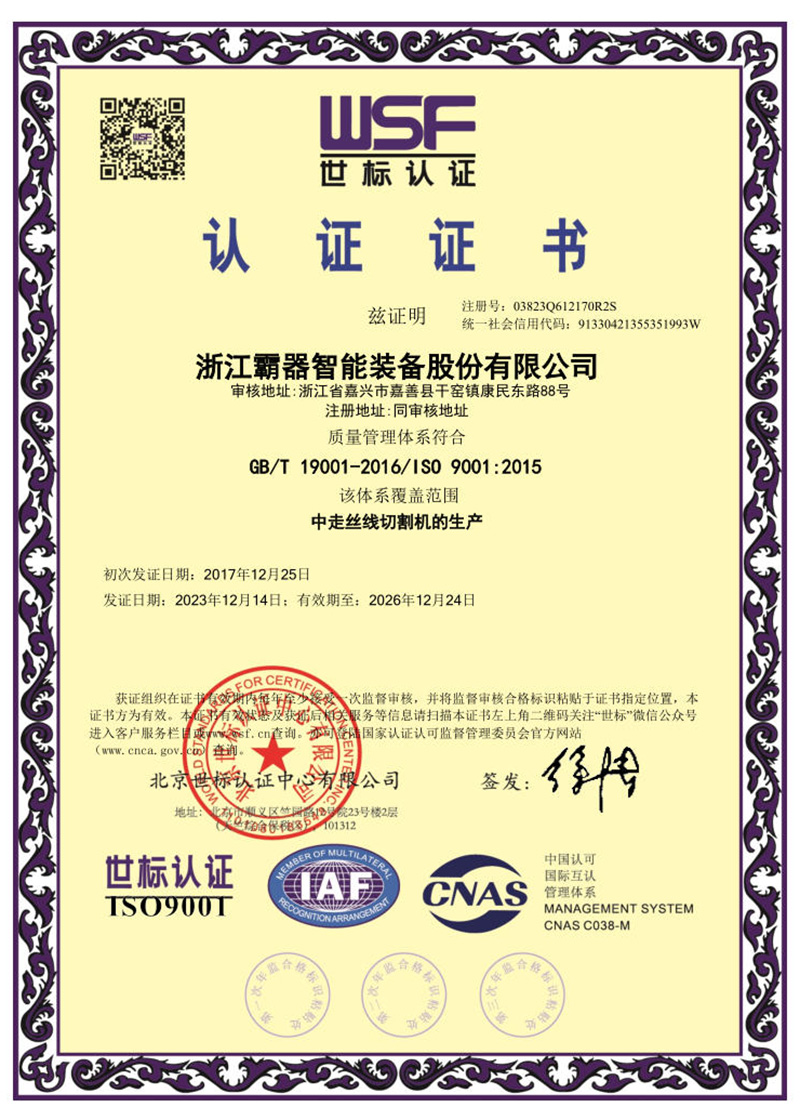
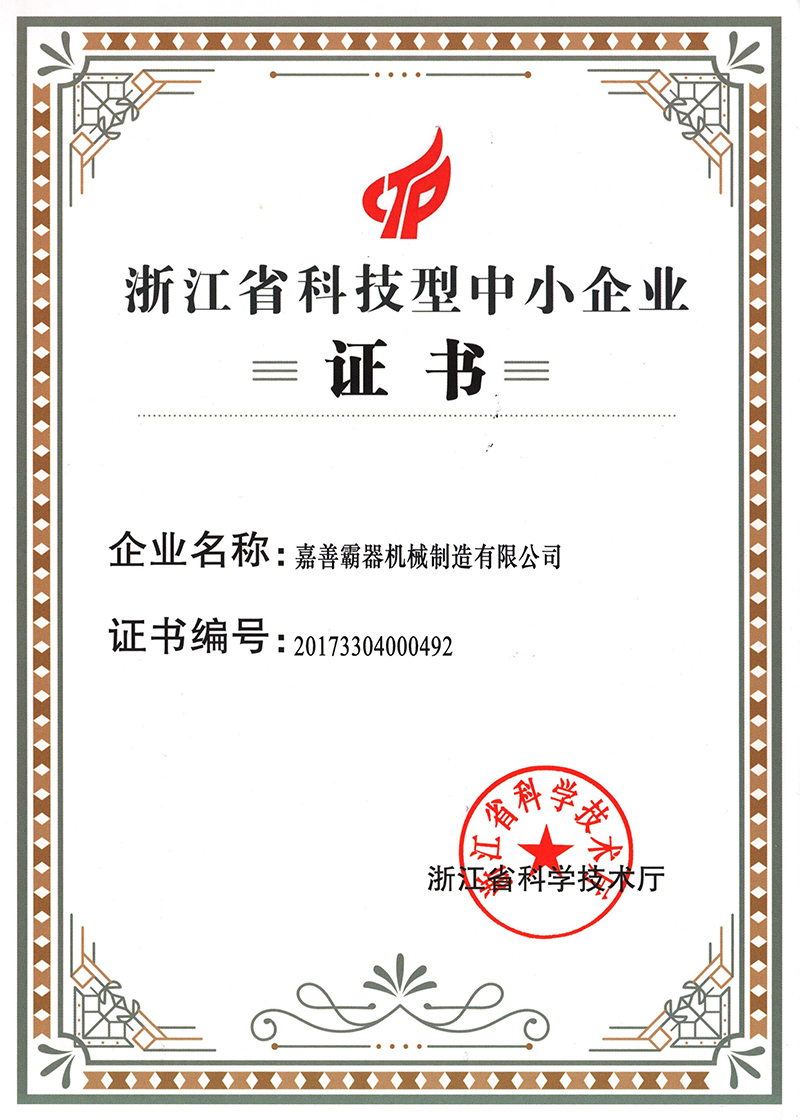
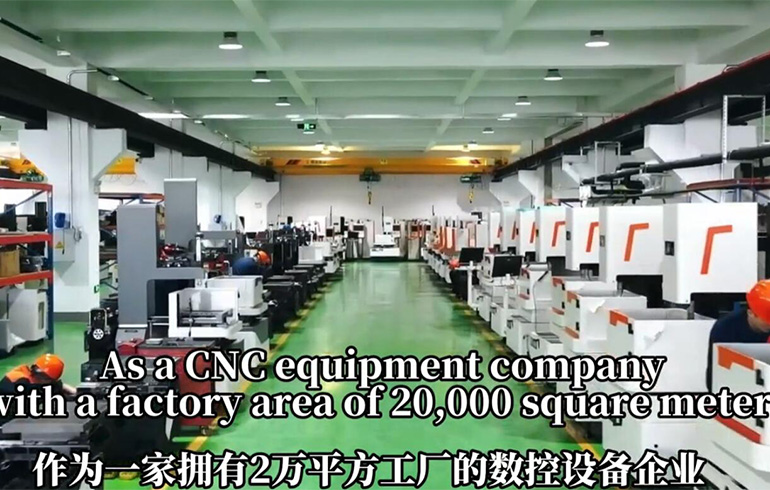
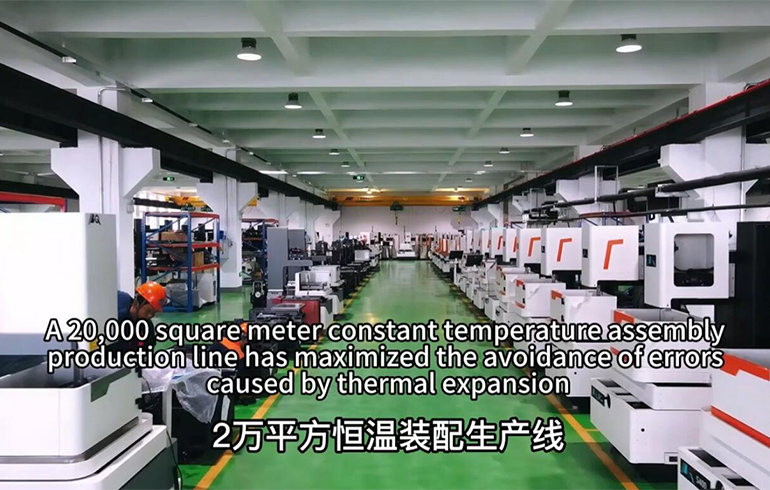
Every Baqi EDM machine is produced under a rigorous ISO 9001 quality management system, ensuring consistent precision, reliability and traceability from component sourcing to final inspection.
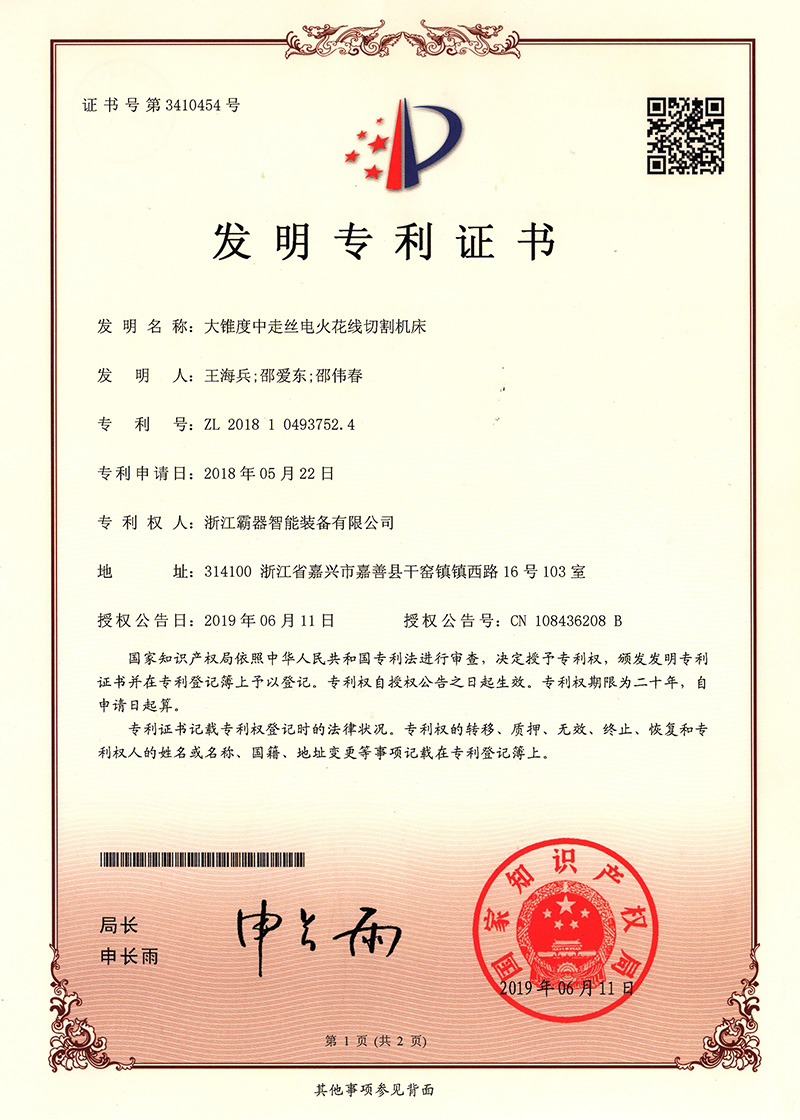
Our wire EDM range covers 5-axis, 10-axis and 11-axis configurations, providing mold and die manufacturers with the flexibility to handle everything from simple 2D profiles to complex 3D taper cutting in a single machine platform.
Baqi's self-developed CNC control software features intelligent adaptive gap control, automatic wire threading, multi-cutting strategy management and real-time process monitoring — delivering superior surface finish and dimensional accuracy for demanding mold applications.
With customers across Asia, Europe, the Americas and the Middle East, Baqi provides comprehensive pre-sales consultation, on-site installation, operator training and long-term technical support — ensuring your EDM investment delivers maximum ROI throughout its service life.
Baqi's medium-speed wire EDM technology combines the cost efficiency of molybdenum wire with the surface quality advantages of slow-speed brass wire systems — offering mold shops an optimal balance of cutting speed, surface finish and operational economy.
Baqi EDM machines are trusted by manufacturers in automotive die production, precision mold making, aerospace tooling and electronics manufacturing — delivering consistent results in the most demanding production environments worldwide.
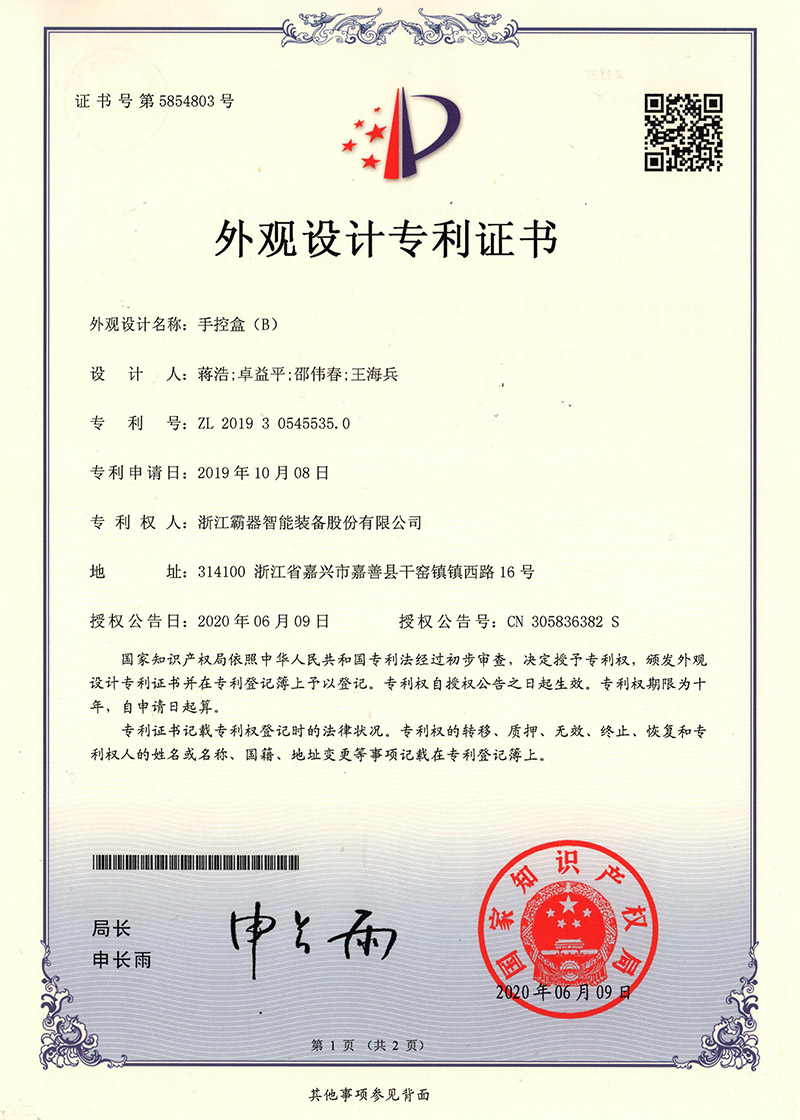
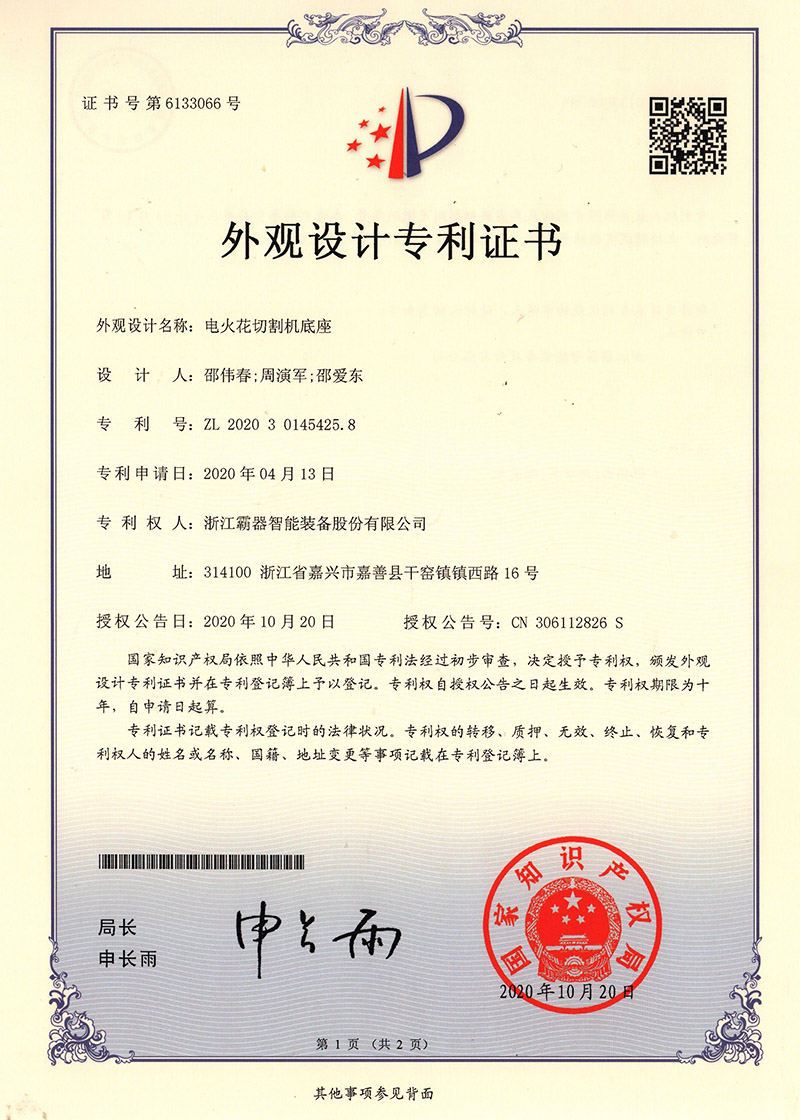
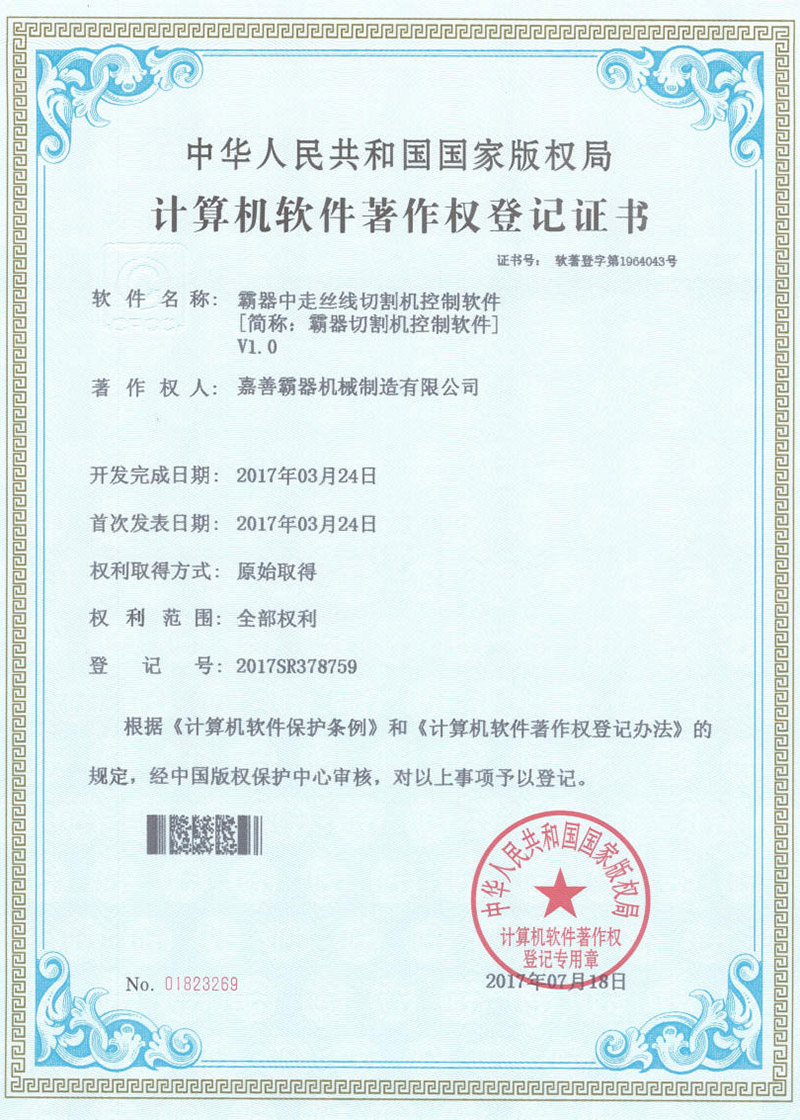
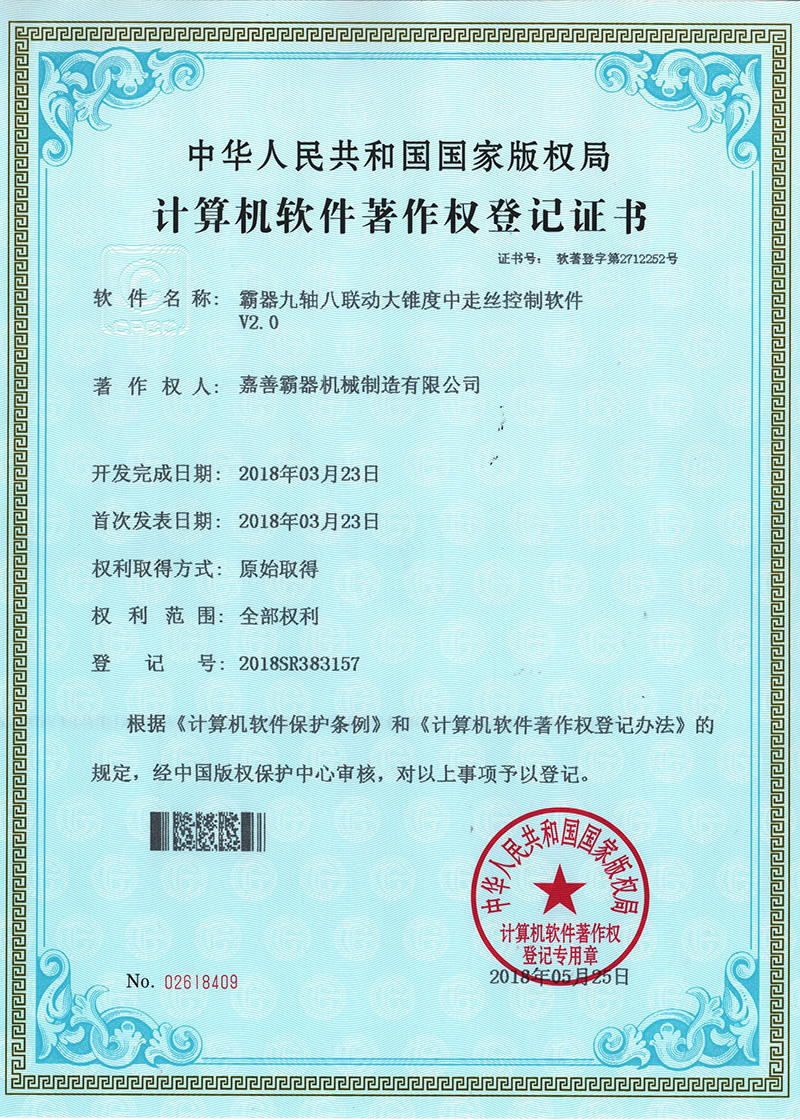
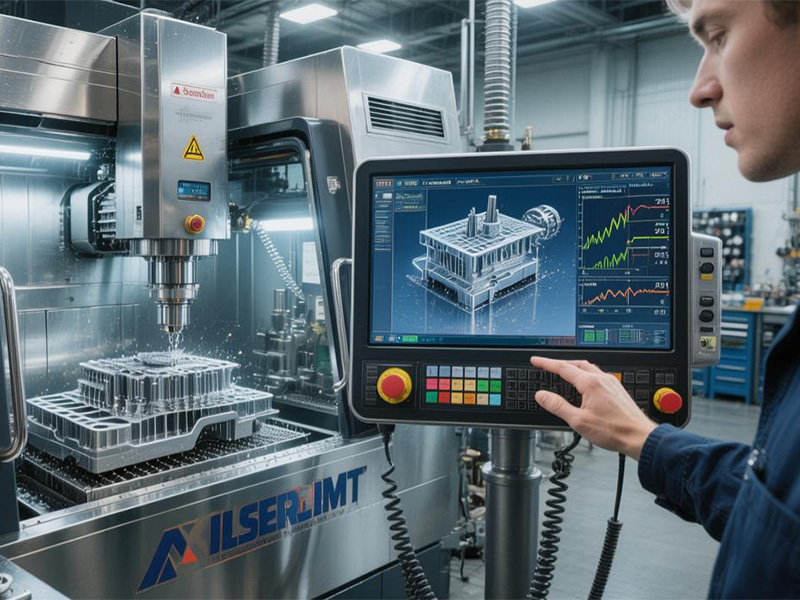
A landmark advancement in EDM technology — AI-driven adaptive control systems are now transforming wire EDM performance in mold and die manufacturing environments globally.
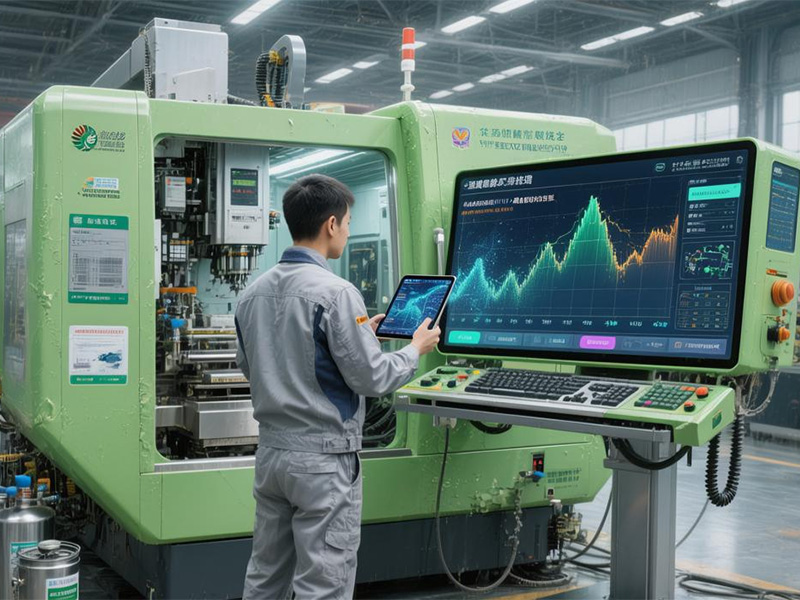
Mold and die manufacturers are embracing green EDM processes and digital factory integration to meet evolving environmental regulations and sustainability goals in global manufacturing.
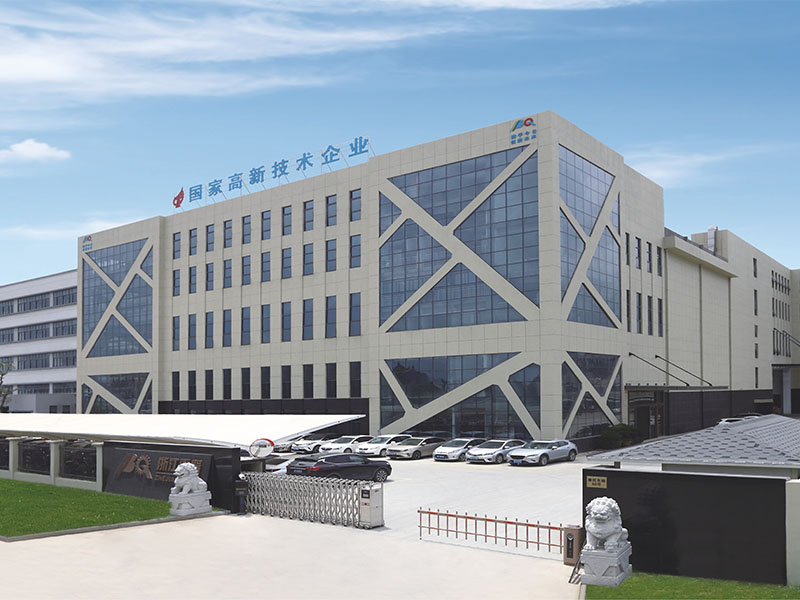
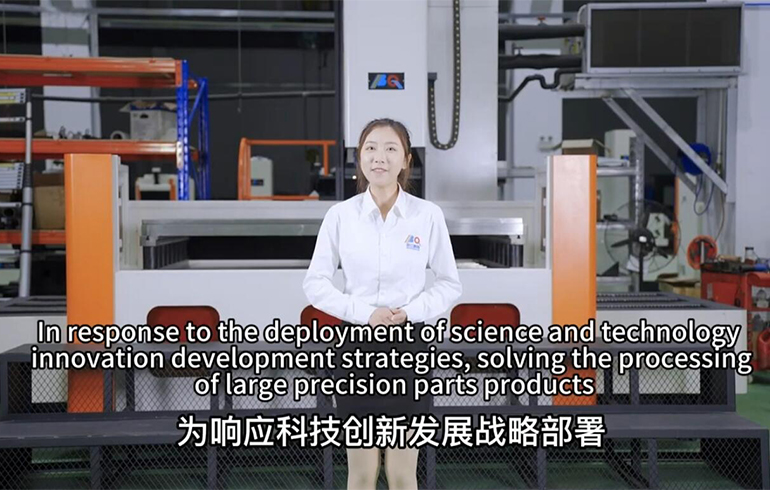
Baqi's latest 11-axis, 10-linkage EDM system sets a new benchmark for large-taper wire cutting in complex die manufacturing — enabling simultaneous multi-axis motion for unprecedented geometric freedom.