Leave Your Message
High-precision CNC wire cutting EDM machines engineered for demanding automotive component manufacturing
Electrical Discharge Machining (EDM) has become an indispensable technology in modern automotive manufacturing, enabling the production of ultra-precise components that conventional cutting tools cannot achieve.
Electrical Discharge Machining — commonly known as EDM burning — is a non-contact subtractive manufacturing process that removes material from a conductive workpiece through precisely controlled electrical discharges (sparks). Unlike traditional milling or turning, EDM does not require physical contact between the tool and workpiece, making it uniquely suited for machining hardened steels, exotic alloys, and complex geometries that define modern automotive engineering.
In the automotive sector, EDM burning is deployed across a vast spectrum of applications: from the production of injection molds for plastic interior parts, to the precision cutting of transmission gears, turbocharger components, fuel injector bodies, and increasingly, tooling for electric vehicle (EV) battery housings. The technology's ability to achieve surface finishes below Ra 0.2 μm and dimensional tolerances within ±0.002 mm makes it a cornerstone of quality-critical automotive production lines worldwide.
⚡ Key Insight: The global automotive EDM market is projected to exceed USD 1.8 billion by 2028, driven by the surge in EV manufacturing, lightweight material adoption, and the relentless push for tighter component tolerances across OEM and Tier-1 supply chains.
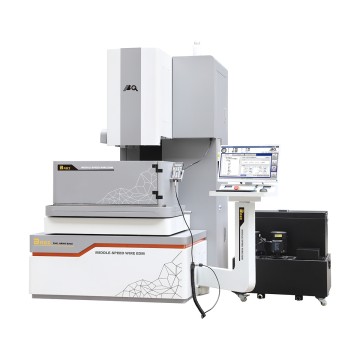
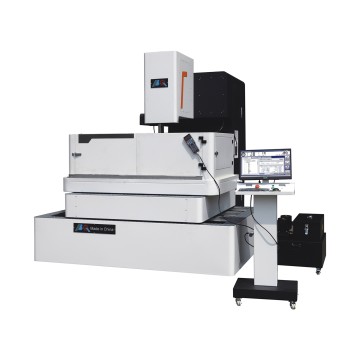
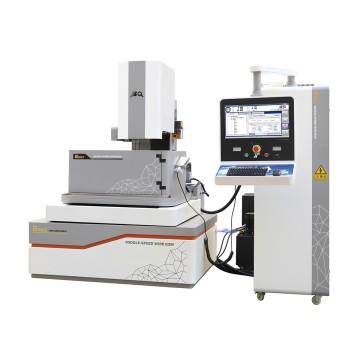
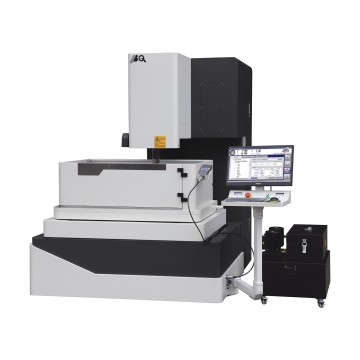
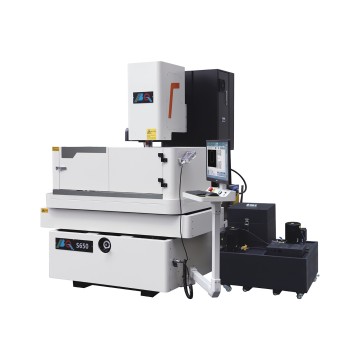
Wire cutting EDM — a sub-category of EDM burning — uses a thin electrically charged wire (typically molybdenum or brass) to cut intricate profiles through conductive materials. Medium-speed CNC wire cutting EDM machines, such as those in the BQ and BQY series, represent the optimal balance between cutting speed, surface quality, and cost-efficiency for high-volume automotive tooling production.
The automotive industry's transition toward electrification, lightweighting, and intelligent manufacturing has dramatically expanded the role of EDM burning. New-energy vehicle (NEV) platforms demand components machined to tolerances previously reserved only for aerospace applications. Battery management system (BMS) housings, motor stator lamination dies, power electronics heat sink molds, and high-voltage connector tooling all require the kind of micron-level precision that only advanced EDM technology can reliably deliver at production scale.
Furthermore, the growing adoption of high-strength materials — including ultra-high-strength steels (UHSS), titanium alloys, and carbon fiber reinforced polymer (CFRP) tooling inserts — has made EDM burning even more critical. These materials are notoriously difficult to machine with conventional methods, yet they respond predictably and efficiently to EDM processes, enabling automotive engineers to push the boundaries of vehicle performance, safety, and efficiency.
Multi-axis CNC wire EDM machines, particularly 5-axis and 10-axis configurations, now allow automotive toolmakers to produce complex tapered profiles, helical geometries, and compound-angle cuts in a single setup — dramatically reducing lead times and improving dimensional repeatability across large production batches.
🔬 Technical Edge: Modern medium-speed wire EDM machines achieve cutting speeds up to 180 mm²/min with surface roughness values as low as Ra 0.4 μm — meeting the stringent quality standards of Tier-1 automotive suppliers globally.
Six decisive advantages that make EDM the preferred precision manufacturing technology for automotive tooling and component production
EDM burning machines hardened tool steels (HRC 60+) without inducing mechanical stress, preserving the metallurgical integrity of automotive die inserts, punch tools, and forming dies critical to body panel production.
5-axis and 10-axis CNC wire EDM enables production of helical gears, turbine blade profiles, tapered injection mold cavities, and intricate fuel system components that are geometrically impossible to achieve with conventional machining.
The non-contact nature of EDM eliminates cutting forces entirely, making it ideal for thin-walled automotive components, delicate sensor housings, and precision hydraulic valve bodies where mechanical distortion is unacceptable.
As electric vehicles demand new categories of precision tooling — including battery cell formation dies, motor lamination stacks, and power module substrates — EDM burning has emerged as the go-to technology for NEV manufacturing lines.
Modern multi-axis CNC EDM systems integrate seamlessly with Industry 4.0 production environments, enabling lights-out machining, automated workpiece loading, and real-time process monitoring for zero-defect automotive manufacturing.
From conventional die steels to titanium alloys, carbide, Inconel, and copper-tungsten electrode materials — EDM burning handles the full spectrum of conductive materials used across powertrain, chassis, and body engineering.
From traditional powertrain tooling to cutting-edge EV manufacturing — EDM burning is embedded across every stage of modern vehicle production
EDM burning is used to machine the complex die cavities and core inserts for aluminum die-cast engine blocks and cylinder heads. The technology enables sharp internal corners, deep narrow slots, and intricate cooling channel geometries that define modern engine thermal management — all machined to tolerances within ±0.003 mm on hardened tool steel inserts.
Wire EDM enables the precise cutting of gear blanks, spline profiles, and synchronizer ring geometries in hardened steel. Multi-axis CNC configurations allow compound-angle taper cuts for helical gear profiles, achieving pitch accuracy and surface finish levels that meet or exceed DIN 6 gear quality standards required by automotive transmission OEMs.
Modern common-rail diesel and GDI gasoline injectors require orifice geometries and needle seat profiles machined to sub-micron tolerances. EDM burning — particularly die-sinking EDM — is the only viable process for achieving the precise spray hole geometries (as small as 100 μm diameter) that optimize fuel atomization and combustion efficiency.
The EV revolution has created an explosion in demand for EDM-produced tooling. Motor stator lamination progressive dies, battery cell pouch forming tools, busbar stamping dies, and high-voltage connector molds all rely on wire EDM for their production. The BQ and BQY series machines are specifically optimized for the thin-material, high-precision cutting demands of NEV tooling.
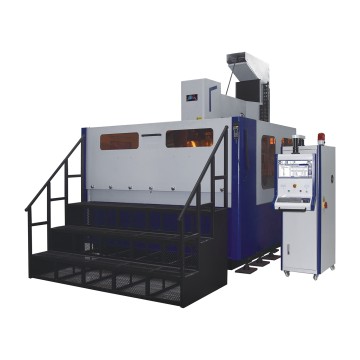
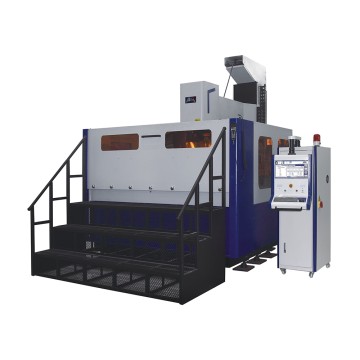
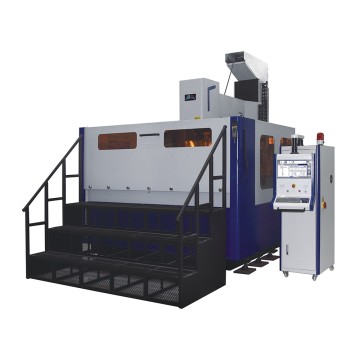
Body panel stamping dies for doors, hoods, fenders, and structural reinforcements require EDM burning for their trim steels, piercing punches, and draw die inserts. Large-format wire EDM machines with big-swing capability — like the BQ800DYB and BQ2015DYB — are purpose-built for the oversized workpieces common in body-in-white (BIW) tooling programs.
Turbine blade profiles, compressor wheel geometries, and wastegate valve seats in turbochargers demand EDM precision due to the extreme temperatures and pressures involved. EDM burning of Inconel and titanium alloy components ensures dimensional stability and surface integrity that survive the harsh operating environment of modern forced-induction engines.
How emerging technologies and market forces are reshaping EDM's role in the global automotive supply chain
The world's first AI-powered intelligent CNC systems for EDM machines are now entering production, enabling real-time adaptive control of discharge parameters, automatic wire tension optimization, and predictive maintenance alerts. These systems reduce operator dependency and improve cutting consistency by up to 30% in automotive tooling applications.
Automotive OEMs and Tier-1 suppliers are mandating green manufacturing compliance across their supply chains. Modern EDM machines are responding with energy-efficient pulse generators, closed-loop dielectric fluid recycling systems, and digital twin integration that reduces energy consumption per part by up to 25% while maintaining full process traceability.
The demand for 10-axis and 11-axis large-taper wire EDM machines is accelerating as automotive toolmakers tackle increasingly complex 3D profiles. Big-swing configurations enable the machining of oversized structural components and progressive die sections in single setups, eliminating repositioning errors and reducing total tooling production time by 35–50%.
With global EV production projected to reach 40 million units annually by 2030, the demand for EDM-produced NEV tooling is experiencing unprecedented growth. Battery gigafactory tooling programs alone are driving double-digit annual growth in medium-speed wire EDM machine sales across Asia, Europe, and North America.
Robotic workpiece loading systems, automated wire threading, and IoT-connected process monitoring are transforming EDM departments into fully automated manufacturing cells. Automotive Tier-1 suppliers are deploying clusters of CNC wire EDM machines operating 24/7 with minimal human intervention, achieving OEE (Overall Equipment Effectiveness) rates above 85%.
The commercial landscape for EDM burning in automotive engineering is undergoing a profound structural shift. Historically dominated by traditional ICE (internal combustion engine) tooling applications, the market is now bifurcating into two equally significant segments: legacy powertrain tooling maintenance and new-energy vehicle platform tooling development.
Major automotive markets — China, Germany, Japan, South Korea, and the United States — are all experiencing simultaneous demand spikes for high-precision EDM capacity as their domestic automotive industries accelerate EV platform rollouts. China alone is expected to account for over 45% of global automotive EDM machine demand through 2027, driven by the explosive growth of domestic NEV brands and their aggressive tooling investment programs.
📈 Market Signal: Tier-1 automotive suppliers globally are increasing their EDM machine investment budgets by an average of 22% year-over-year as they scale up EV component production capacity and respond to OEM demands for tighter dimensional tolerances.
The integration of Industry 4.0 principles — including MES (Manufacturing Execution System) connectivity, digital twin simulation, and AI-driven process optimization — is rapidly becoming a baseline requirement for EDM machines deployed in automotive production environments. Suppliers who can offer connected, intelligent EDM solutions are gaining significant competitive advantage over traditional machine tool vendors.
Simultaneously, the push for supply chain regionalization post-COVID is driving investment in domestic tooling capacity across North America and Europe, creating new market opportunities for advanced EDM machine manufacturers serving the automotive sector. The combination of reshoring incentives, EV platform investments, and Industry 4.0 adoption is creating a uniquely favorable commercial environment for precision EDM technology through the remainder of this decade.
Whether you're producing stamping dies for body panels, injection molds for interior components, or precision tooling for EV battery systems — Baqi's medium-speed CNC wire EDM machines deliver the precision, reliability, and automation-readiness your automotive manufacturing operation demands.
Explore All EDM Solutions →Our mission is to make their choices firm and correct, to create greater value for customers and to realize their own value
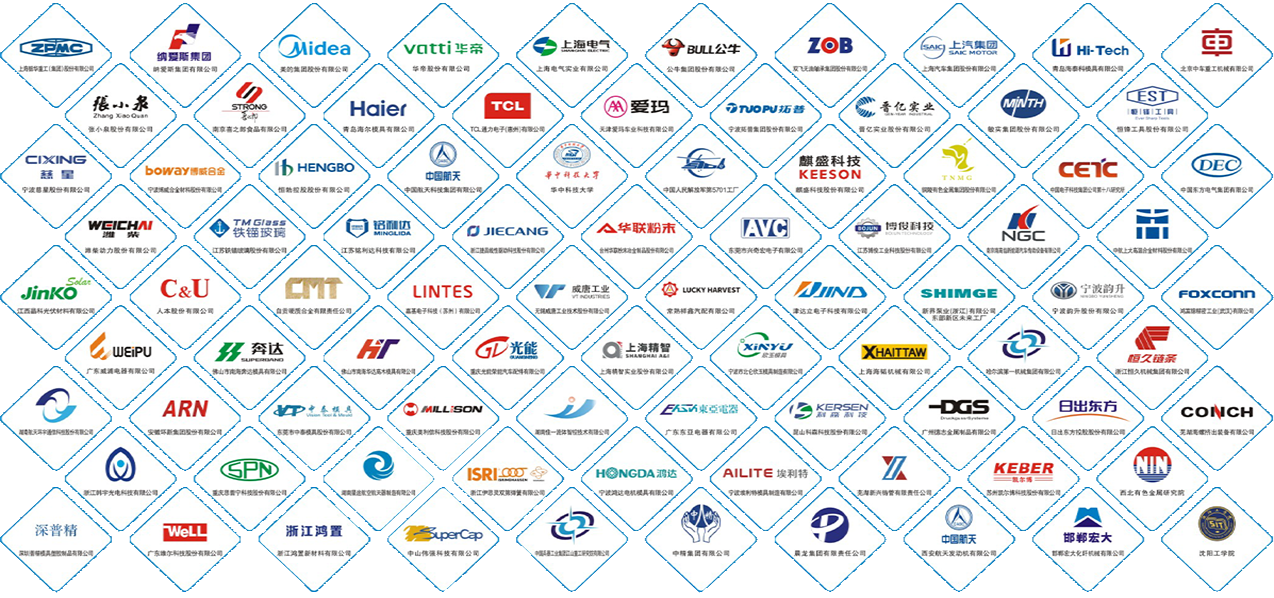
Quality first, customer first, and credit-based.
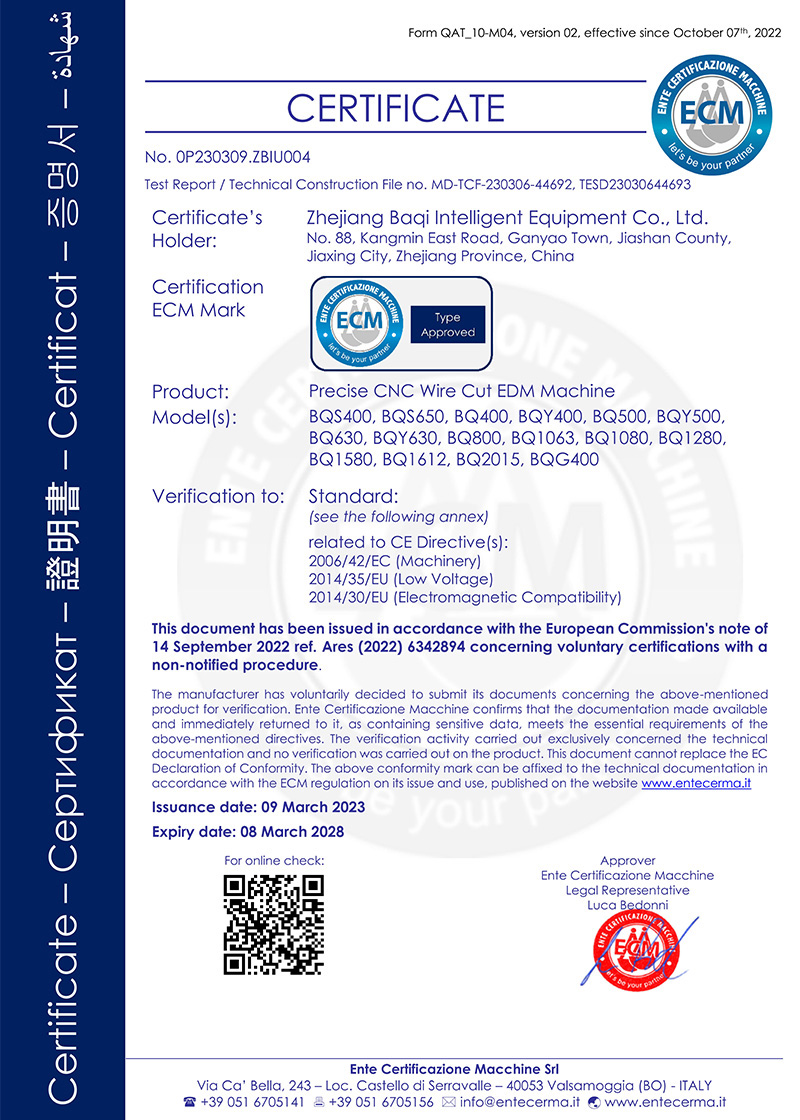
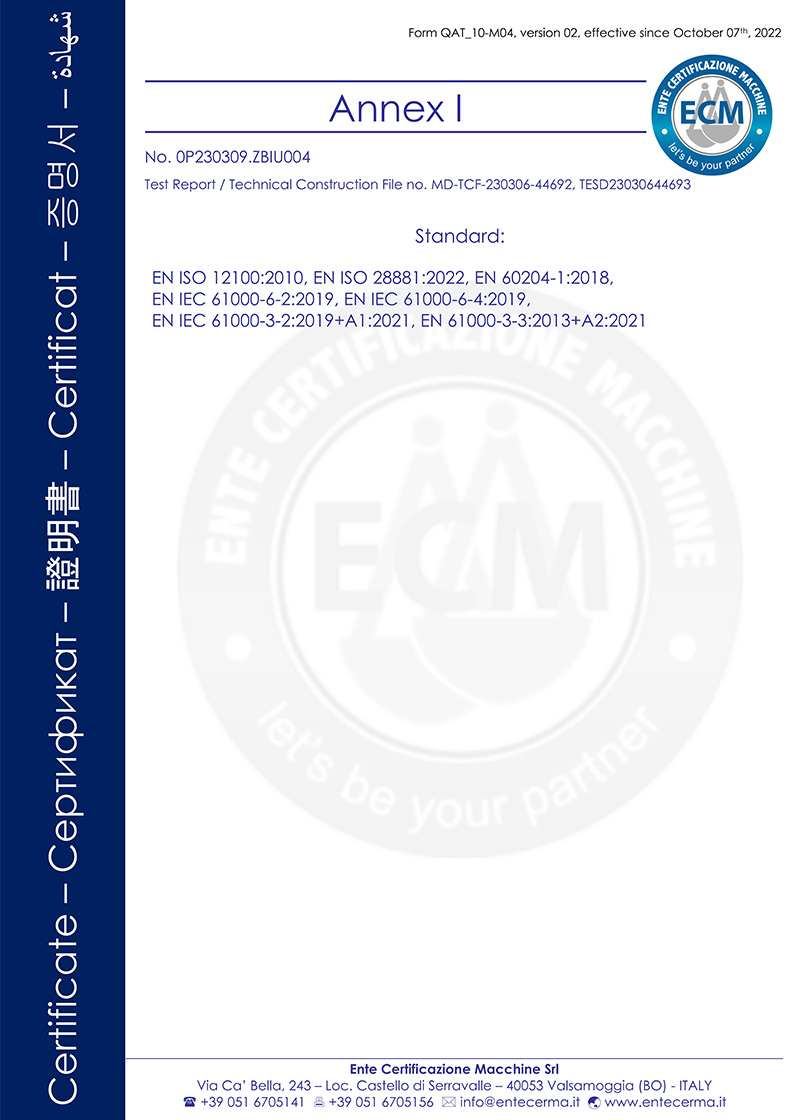
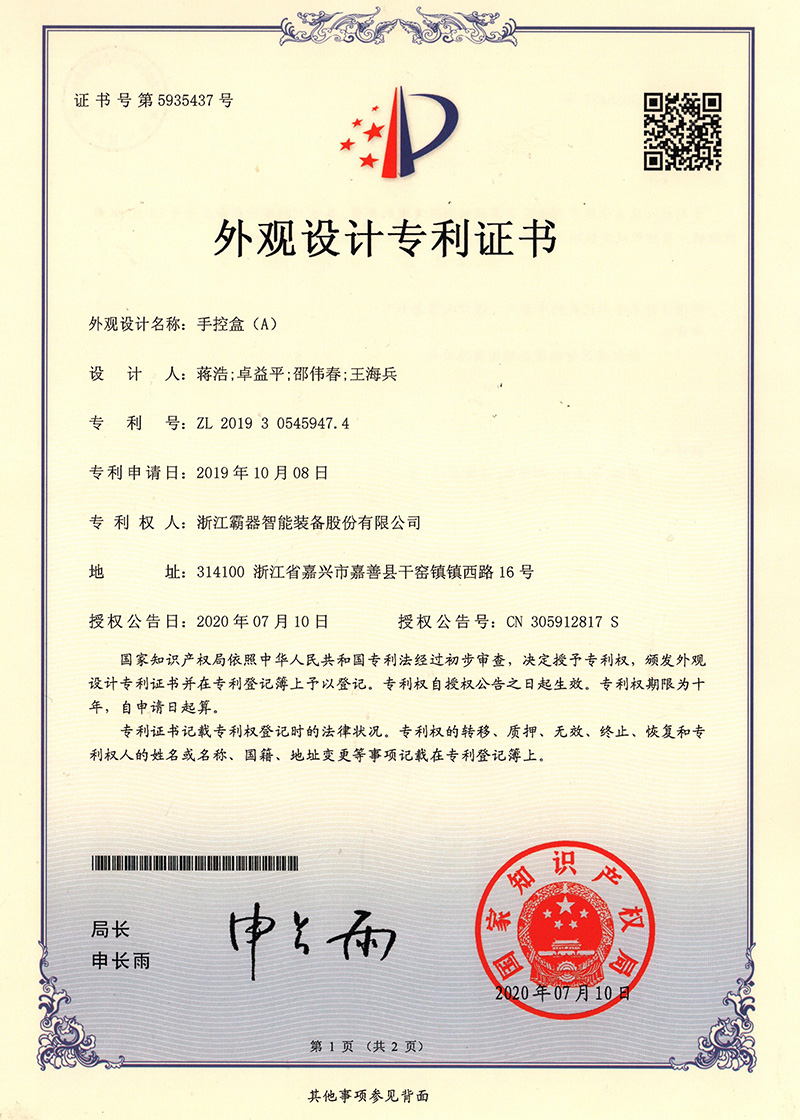
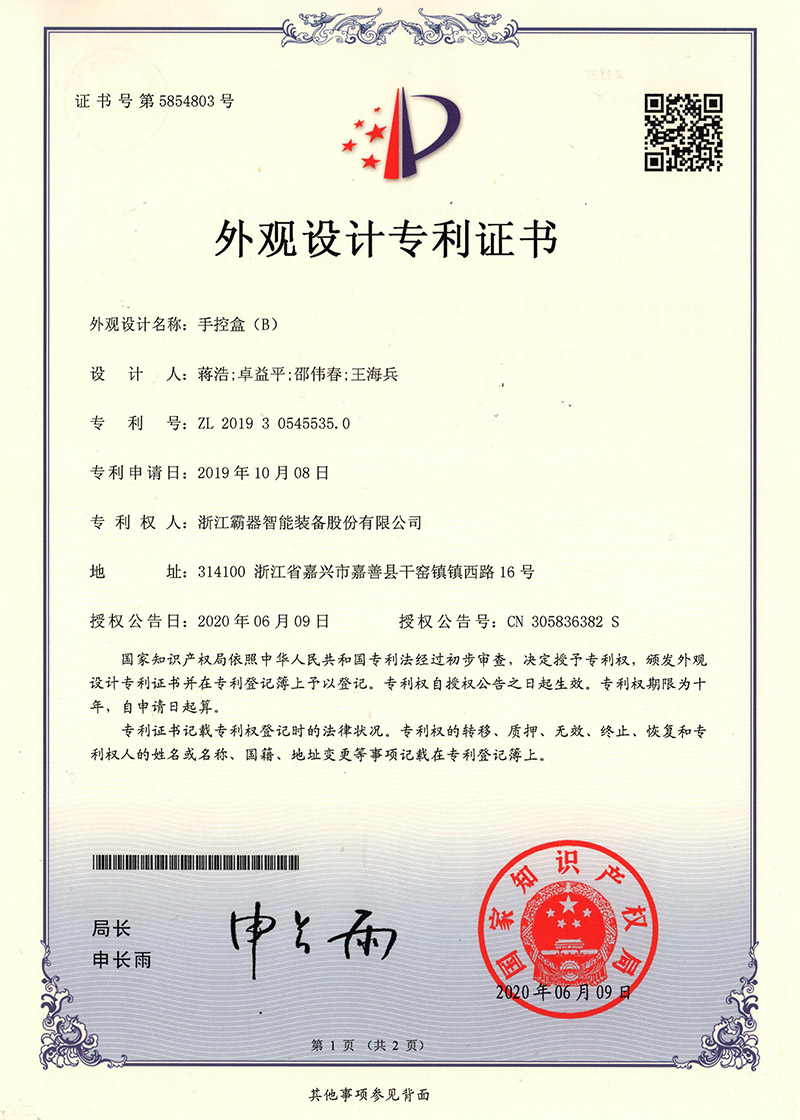
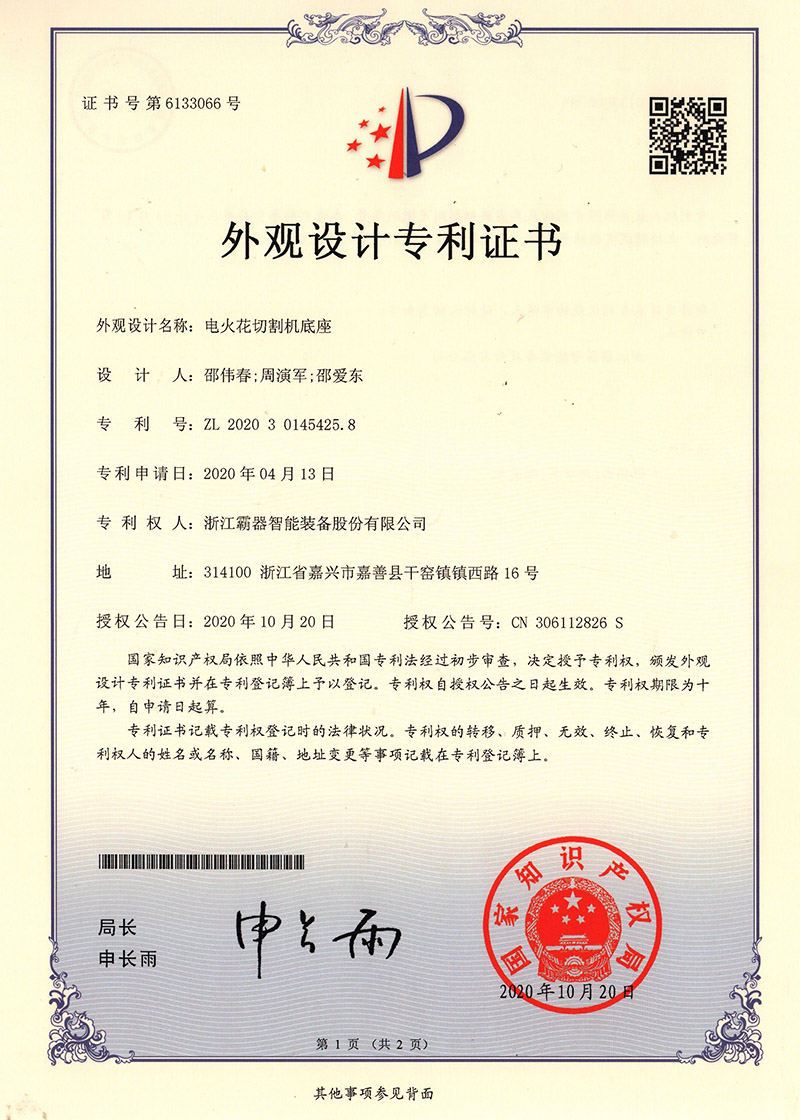
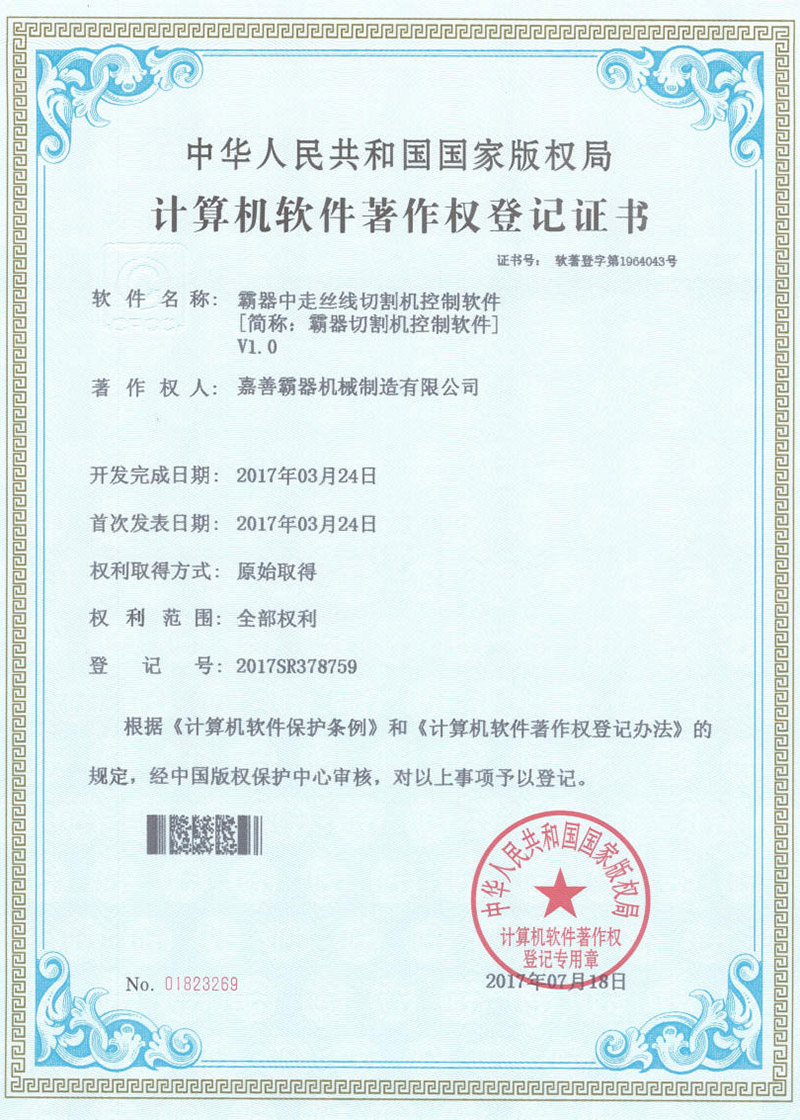
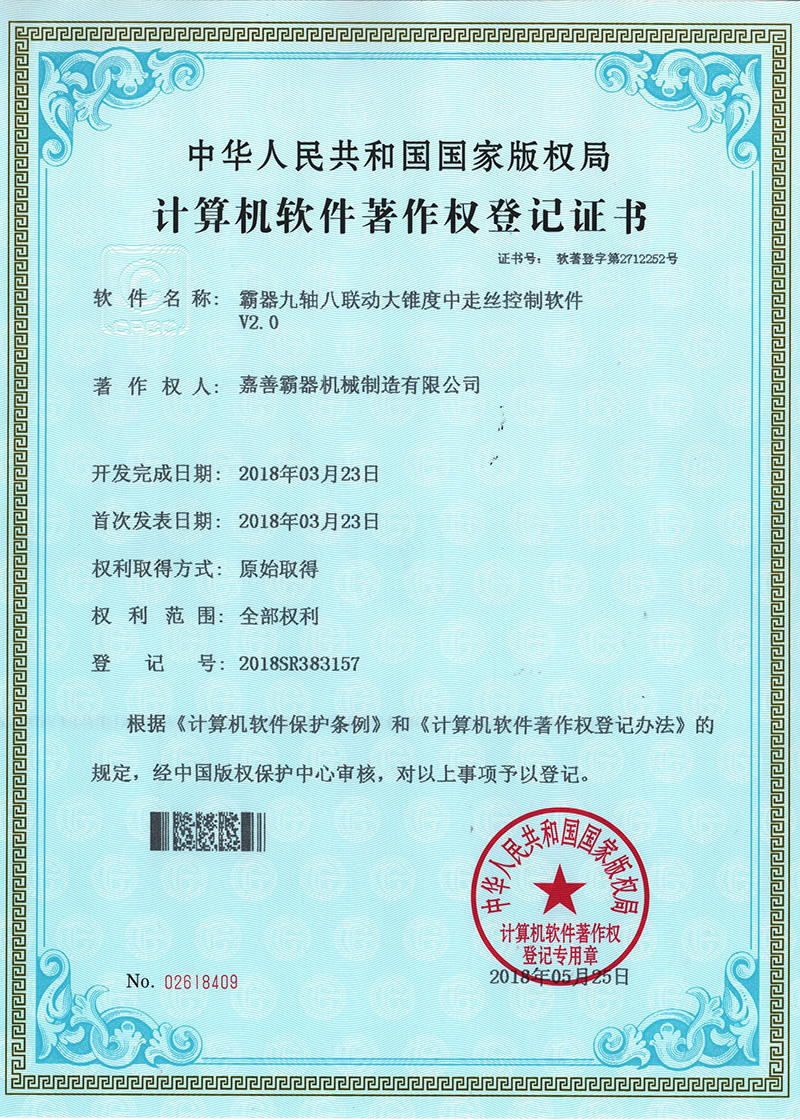
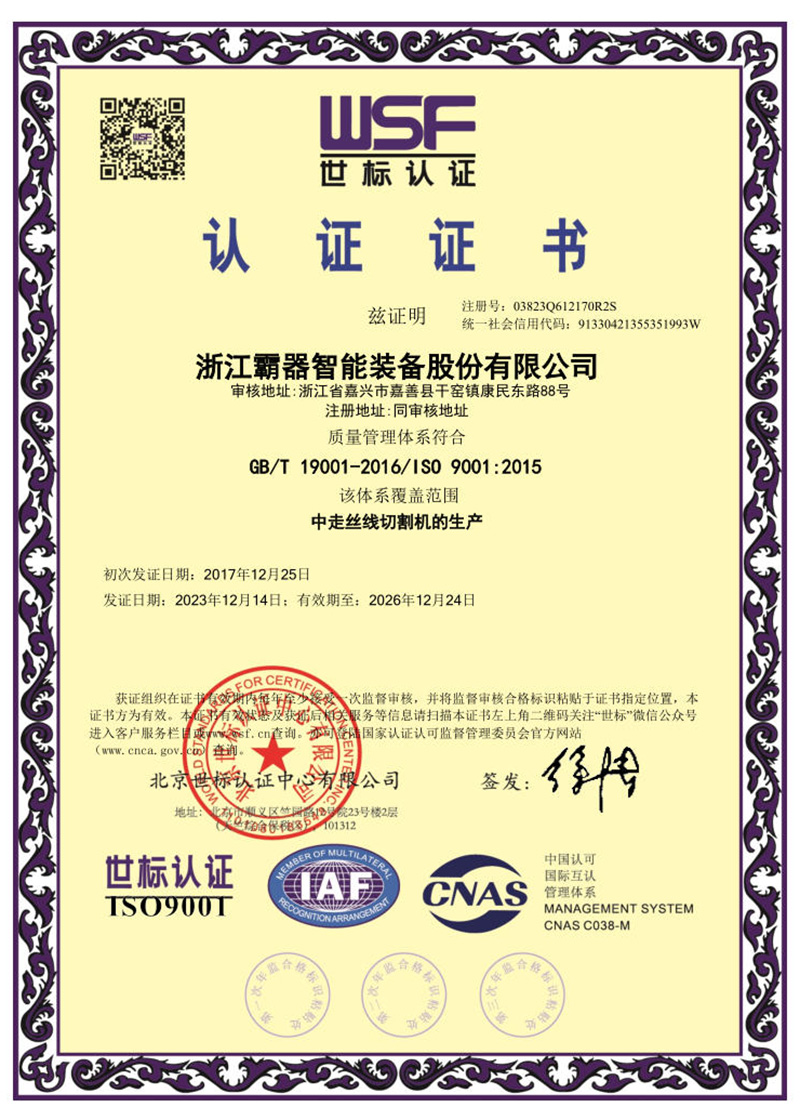
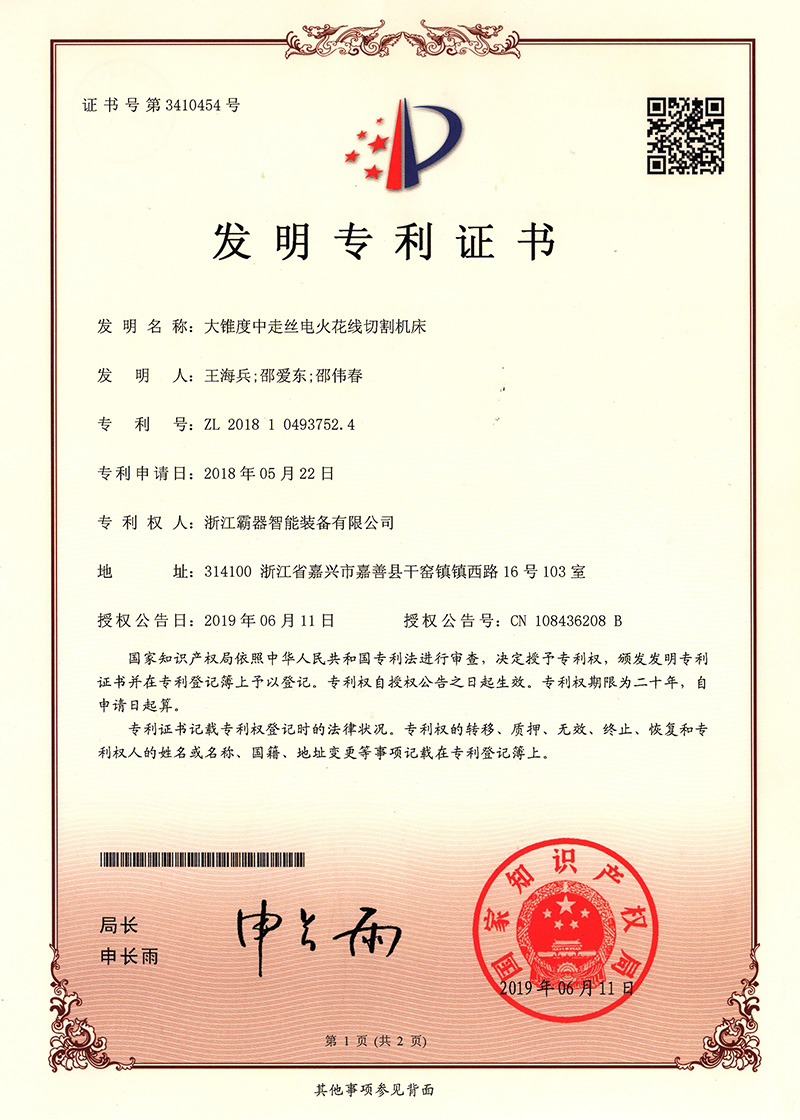
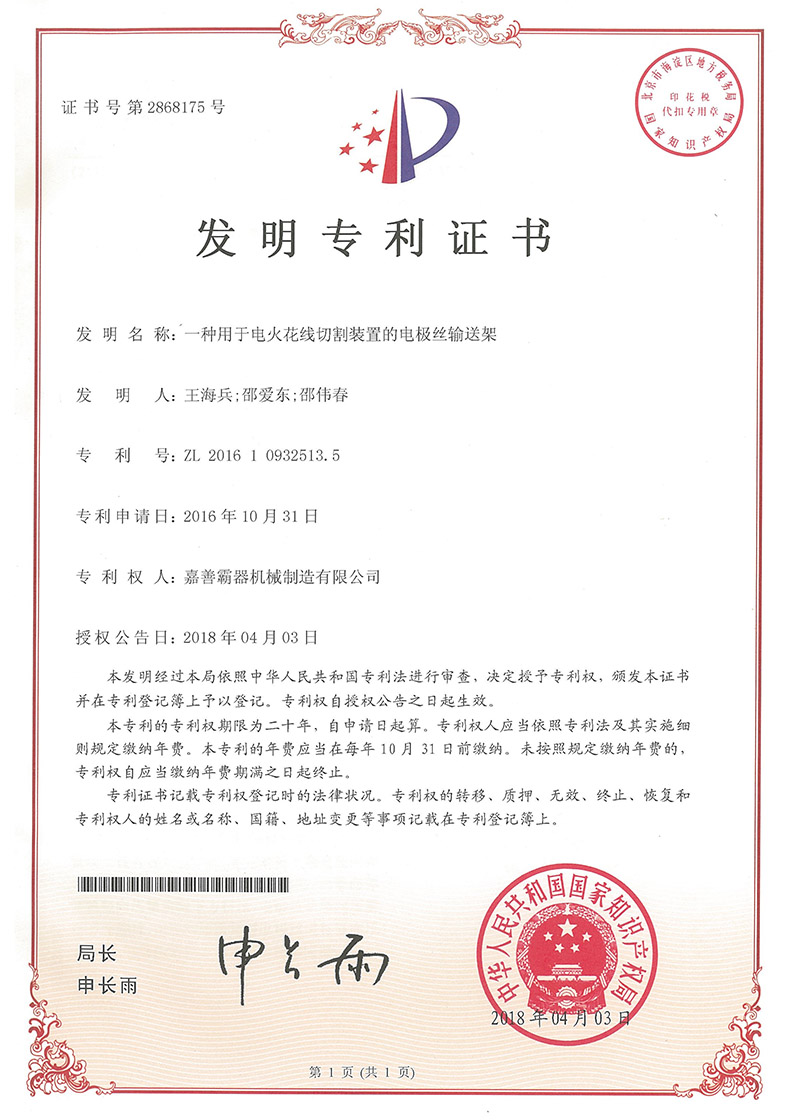
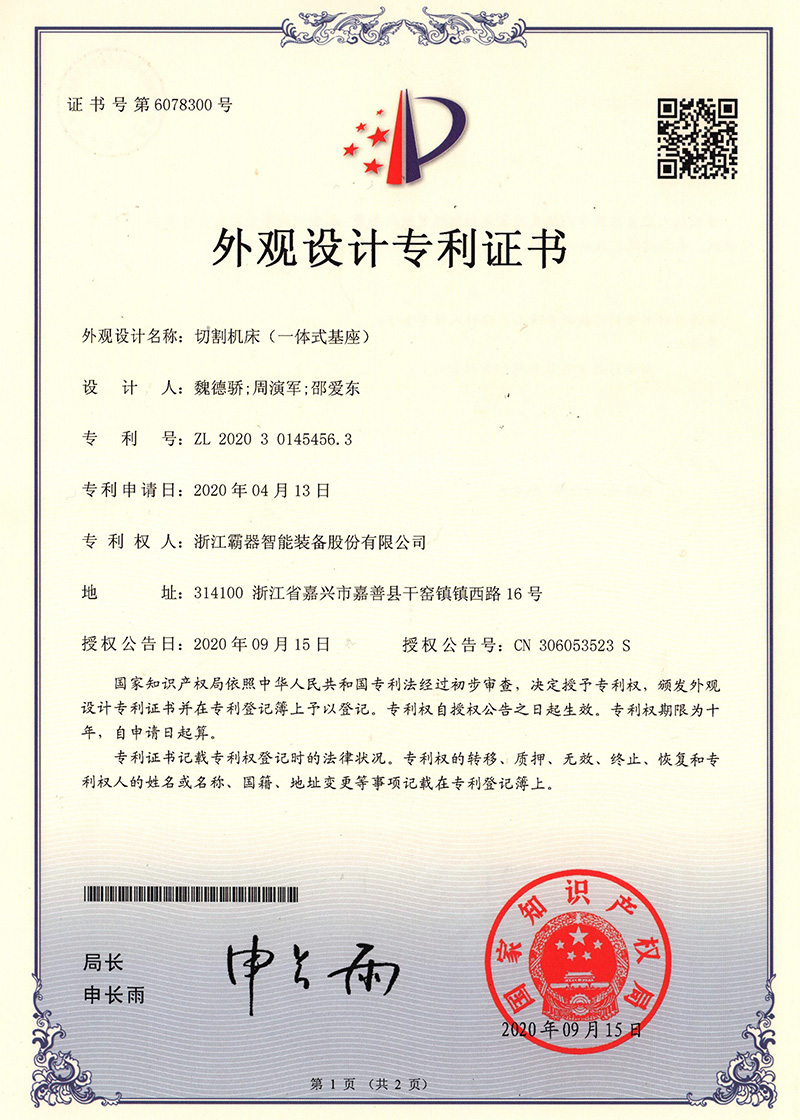
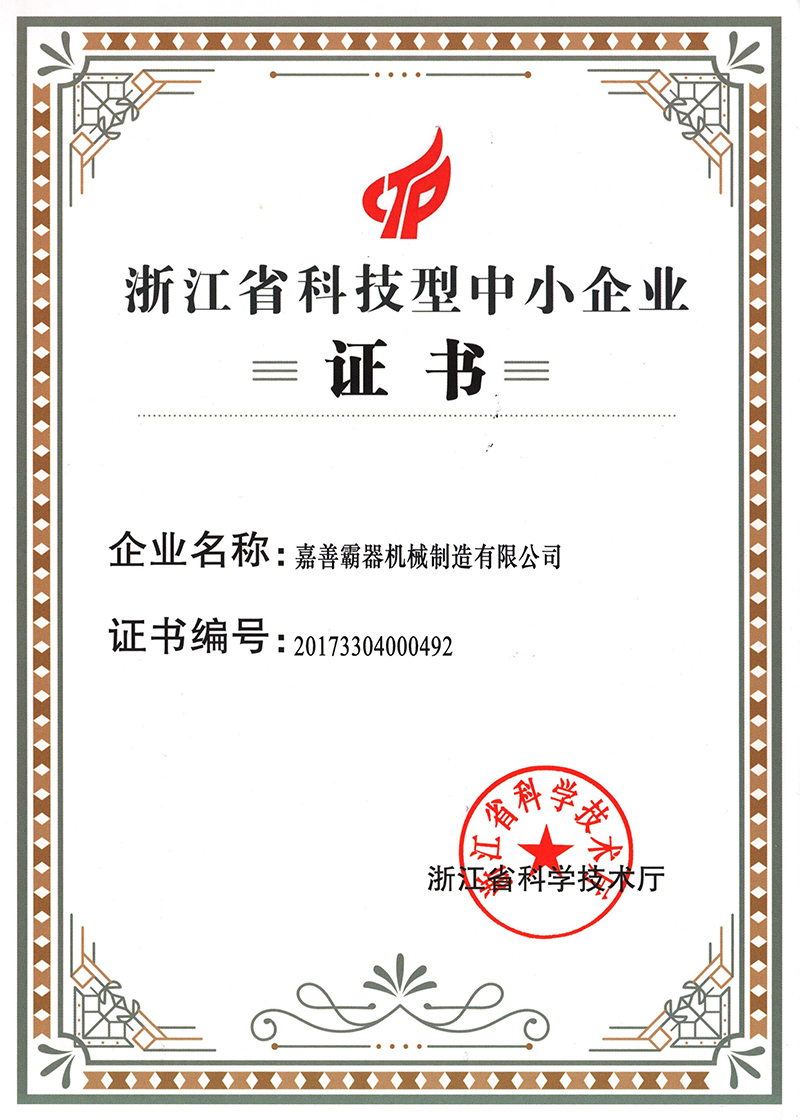
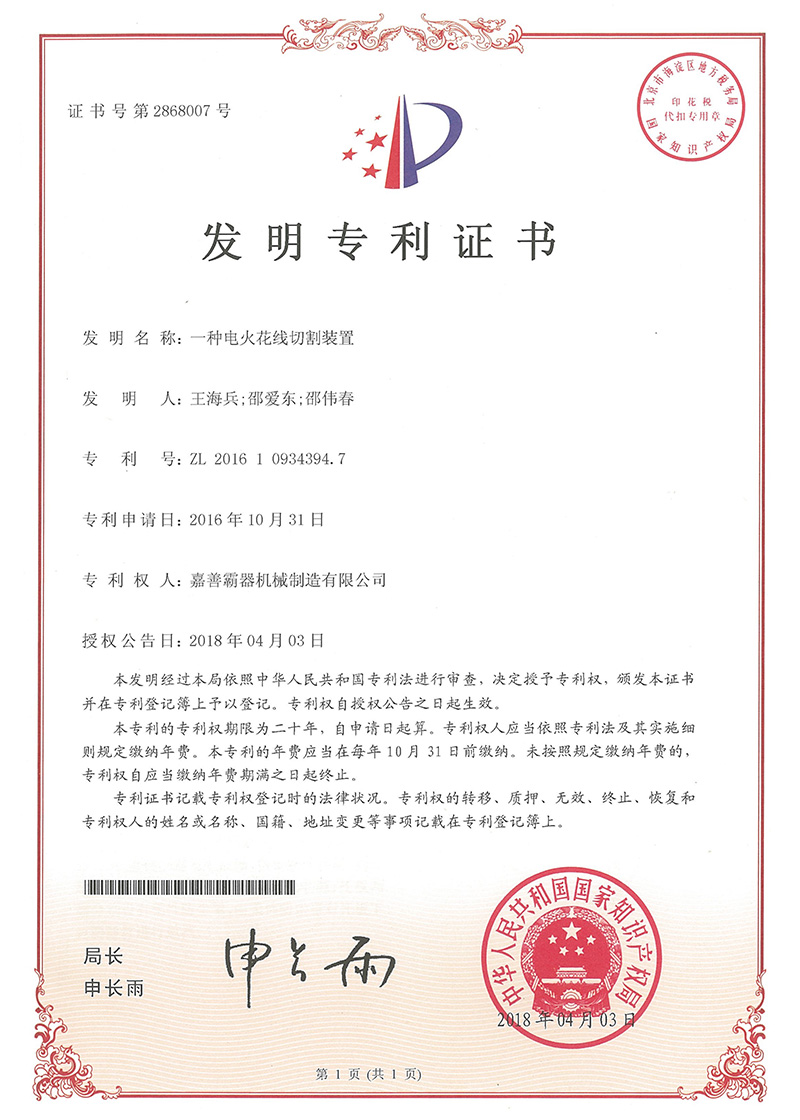
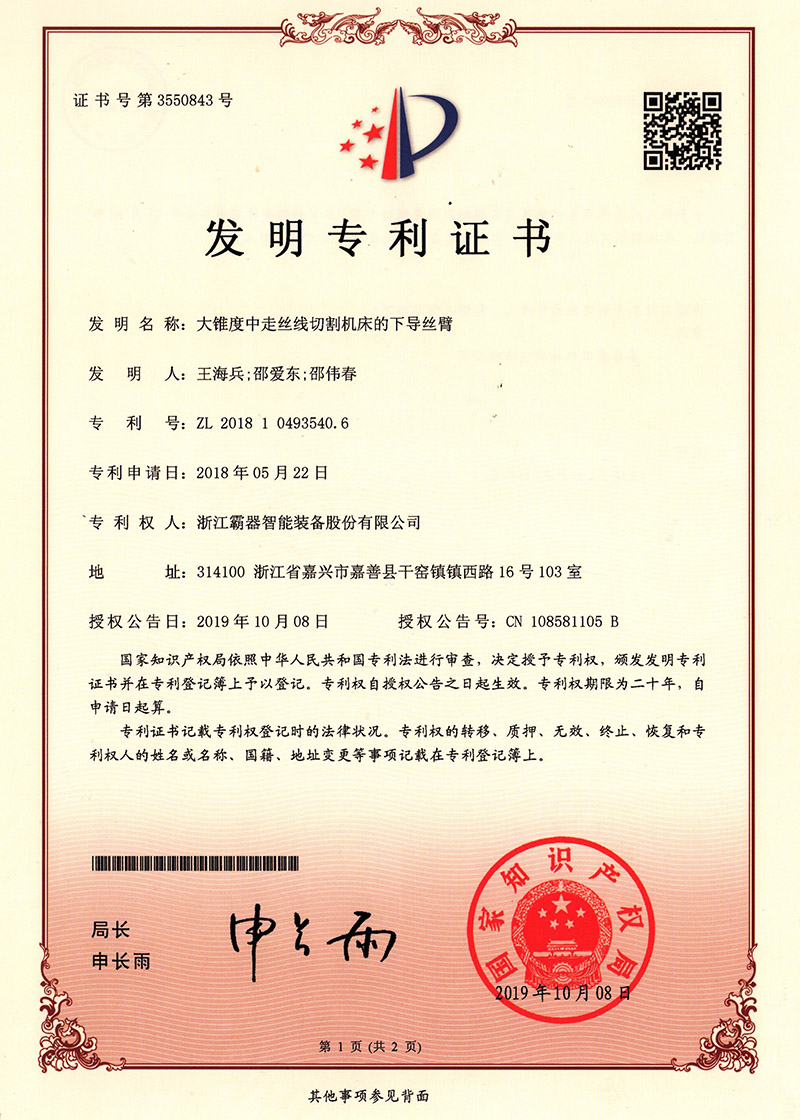
Quality First, Customer First, And Credit-Based.
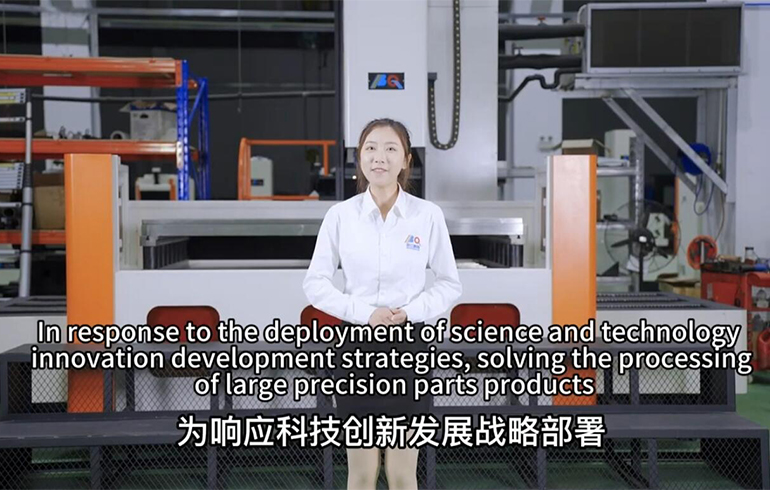

Stay informed on the latest EDM innovations, automotive manufacturing trends, and Baqi product developments
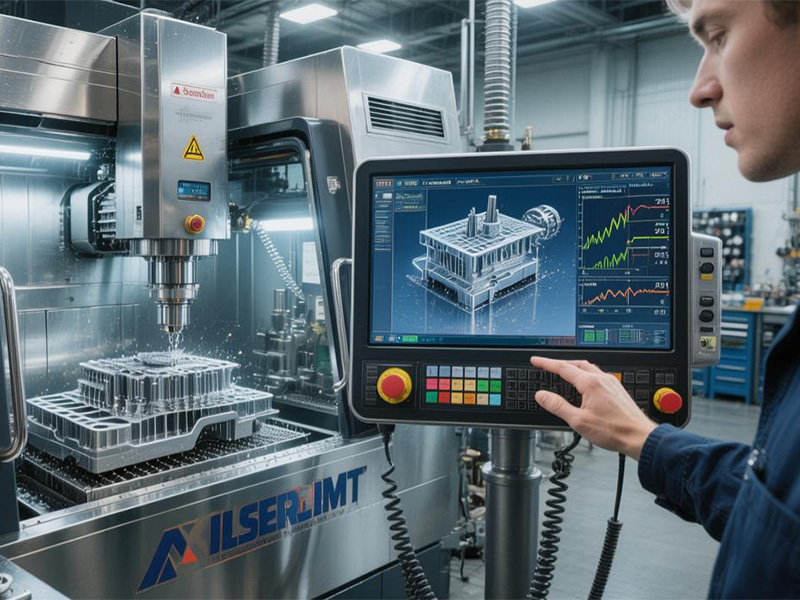
A breakthrough in EDM automation — the new AI-integrated CNC control platform enables real-time adaptive discharge optimization, self-learning wire tension management, and predictive maintenance for automotive tooling production lines.
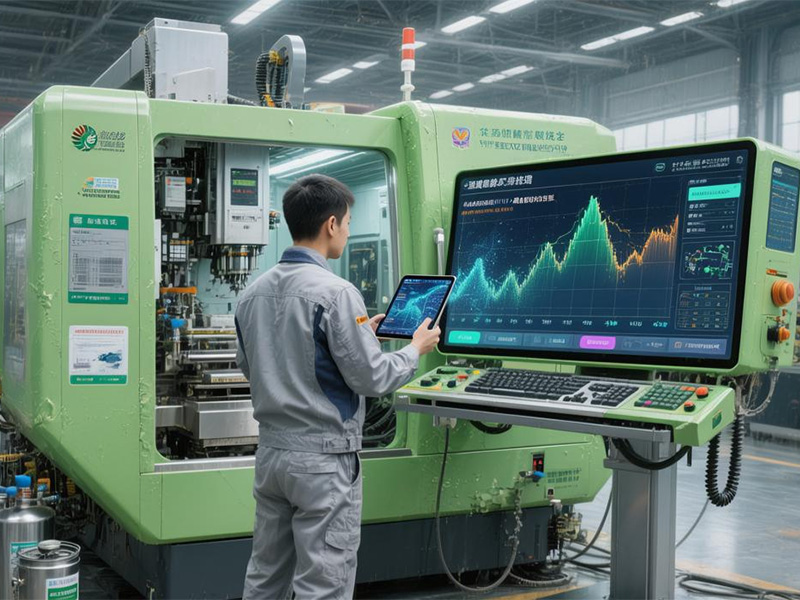
Automotive manufacturers are accelerating their green manufacturing transformation. Learn how Baqi's latest EDM machines meet global carbon reduction mandates while delivering enhanced precision for EV and NEV tooling programs.
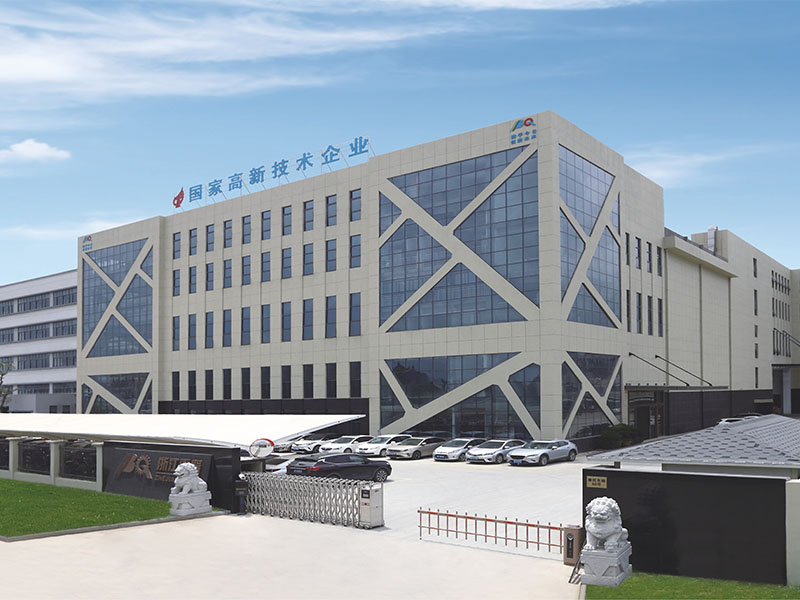
Baqi's latest 11-axis, 10-linkage large-taper wire EDM machine redefines what's possible in automotive structural tooling, enabling complex 3D compound-angle cuts in a single setup for body-in-white and chassis component production.
Explore the full Baqi medium-speed CNC wire cutting EDM product lineup — engineered for precision automotive tooling, mold making, and component manufacturing