Leave Your Message
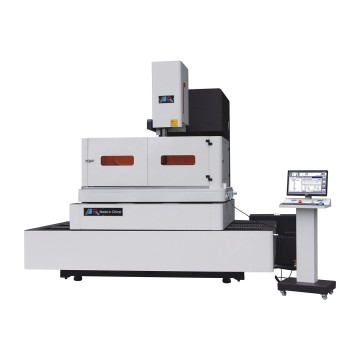
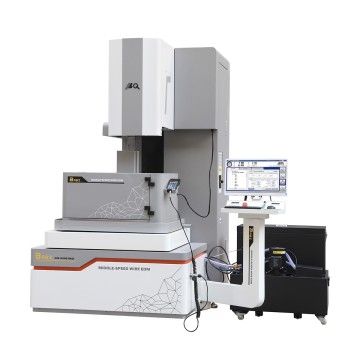
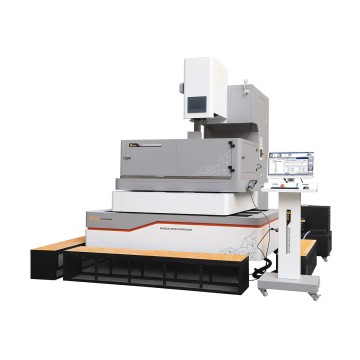
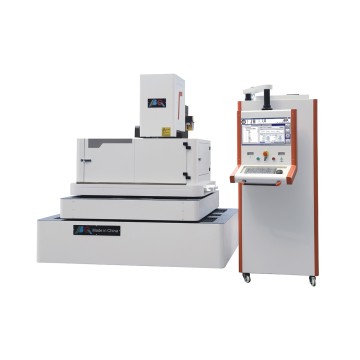
Our flagship CNC Wire Cutting EDM machines deliver unmatched precision and multi-axis control — engineered specifically for complex mold cavity machining and die production workflows.
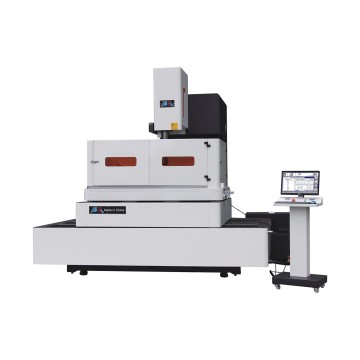
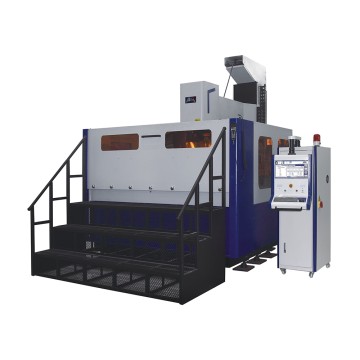
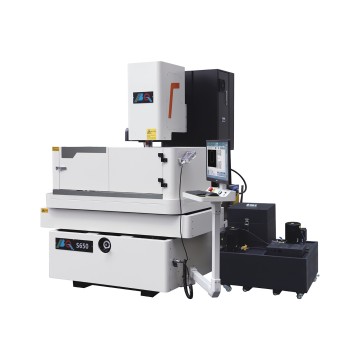
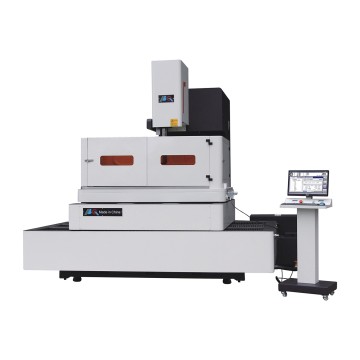
The global mold and die manufacturing industry is undergoing a profound transformation driven by digitalization, automation, and the demand for ever-tighter tolerances. DNC (Direct Numerical Control) machines — and in particular CNC Wire Cutting EDM systems — sit at the very heart of this revolution.
Wire Electrical Discharge Machining (Wire EDM) uses a precisely controlled electrical discharge between a thin wire electrode and the workpiece to erode material with micron-level accuracy — no mechanical cutting force, no tool deflection, no thermal distortion. This makes it the definitive solution for hardened steels, carbide inserts, and intricate mold geometries that are simply impossible to achieve with conventional milling or grinding.
From injection molds to stamping dies, progressive dies to insert tooling, DNC CNC Wire EDM machines offer a unique combination of capabilities that no other machining process can match.
Wire EDM achieves surface roughness values as low as Ra 0.2μm and dimensional tolerances within ±0.002mm — essential for injection mold cavities, die inserts, and precision stamping tools where fit and finish directly impact part quality.
Unlike milling, Wire EDM cuts hardened steel (up to 70 HRC), tungsten carbide, and tool steel with equal ease — enabling mold makers to machine after heat treatment and eliminate post-hardening distortion issues.
Multi-axis linkage (up to 10 axes) allows simultaneous taper cutting, twisted profiles, and 3D ruled surface machining — critical for progressive die punches, extrusion dies, and complex plastic injection mold cores.
The non-contact nature of EDM eliminates mechanical stress on the workpiece, making it ideal for thin-walled mold sections, fine ribs, and delicate die features that would deform under conventional cutting forces.
Modern DNC Wire EDM machines support fully automated wire threading, auto-restart after wire break, and remote monitoring — enabling 24/7 unattended machining that dramatically reduces mold lead times and labor costs.
Advanced DNC controllers integrate AI-driven adaptive power control, real-time gap monitoring, and automatic parameter optimization — ensuring consistent cut quality across long production runs without operator intervention.
The mold and die sector is evolving rapidly. Here are the key technological and commercial trends reshaping how DNC Wire EDM machines are specified, deployed, and integrated in modern toolmaking facilities.
Next-generation DNC systems embed machine learning algorithms that continuously analyze discharge waveforms, wire tension, and dielectric conditions to self-optimize cutting parameters in real time. This reduces wire breakage by up to 40% and improves surface finish consistency — a game-changer for high-volume mold insert production.
Traditional 4-axis Wire EDM is giving way to 5-, 7-, and 10-axis simultaneous linkage platforms. This enables the production of complex ruled-surface dies, helical extrusion molds, and 3D-tapered punch profiles in a single setup — dramatically reducing repositioning errors and improving geometric accuracy for progressive stamping dies.
DNC machines are increasingly connected to factory MES (Manufacturing Execution Systems) via OPC-UA and MTConnect protocols. Real-time production data, predictive maintenance alerts, and remote diagnostics are becoming standard features — enabling mold shops to achieve measurable OEE improvements and reduce unplanned downtime.
The emergence of High-Speed Medium-Wire cutting combines the cost advantages of molybdenum wire with surface finish approaching slow-wire (WEDM-LS) standards. This technology is rapidly displacing both slow-wire and fast-wire machines in mid-precision mold applications, offering 3–5× higher cutting speed at significantly lower operating cost.
Environmental regulations and energy costs are driving demand for DNC Wire EDM machines with intelligent power management systems. New servo-controlled pulse generators reduce energy consumption by 25–35% compared to previous generations, while closed-loop dielectric recycling systems minimize waste fluid discharge — aligning mold production with ESG mandates.
DNC Wire EDM machines are increasingly deployed within automated manufacturing cells featuring robotic workpiece loading/unloading, CMM feedback loops, and automated electrode management. This shift toward "lights-out" mold machining is enabling small and medium mold shops to compete with large-scale manufacturers on delivery time and unit cost.
Beyond general mold making, DNC CNC Wire Cutting EDM machines address highly specialized production challenges across the full spectrum of tooling and die applications.
Wire EDM is the preferred process for machining through-hardened P20, H13, and S136 mold steels into precision core and cavity inserts. The ability to cut sharp internal corners (radius as small as 0.05mm), fine ribs, and complex parting line profiles — without any mechanical force — ensures dimensional stability and eliminates the need for post-machining corrections. Multi-cut strategies (rough + semi-finish + finish) achieve Ra 0.4μm or better on cavity walls, reducing polishing time by 60–70%.
Progressive dies demand extremely tight clearance tolerances between punch and die — typically 5–10% of material thickness, which may be as small as 0.005mm for thin-gauge electronics stampings. DNC Wire EDM is the only practical process for producing matched punch-die sets with consistent clearance across complex profiles. 10-axis simultaneous cutting enables helical punch geometries and complex taper angles that are mechanically impossible by any other method.
High-volume automotive body panel stamping dies require wear-resistant carbide inserts with complex 3D profiles. Wire EDM cuts through WC-Co carbide grades that are impractical to machine by any other method, producing forming radii, draw beads, and trim steels with consistent geometry across hundreds of matched insert sets. The non-contact process eliminates micro-cracking that grinding can introduce into hardened die sections.
Medical injection molds for surgical instruments, implant components, and microfluidic devices demand ISO 13485-compliant dimensional traceability and surface integrity. Wire EDM produces biocompatible stainless steel and titanium mold inserts with feature sizes below 0.1mm, sharp-edged micro-channels, and mirror-finish cavities (Ra ≤ 0.1μm with fine-finish cuts) — meeting the stringent requirements of Class II and Class III medical device tooling.
Aerospace forming dies for titanium and nickel superalloy sheet components require exceptional hardness and geometric precision. Wire EDM machines Inconel, titanium, and M42 high-speed steel die blocks that would rapidly destroy conventional cutting tools. Complex profile dies for turbine blade root forms, airfoil contour templates, and precision bulkhead forming tools are routinely produced with tolerances of ±0.003mm — well within AS9100 and NADCAP requirements.
The explosive growth of collaborative and industrial robotics is creating demand for high-precision gear molds, harmonic drive tooling, and encoder disk dies that require sub-micron repeatability. DNC Wire EDM produces the hardened steel and carbide mold inserts for these components with the geometric accuracy needed to achieve smooth, backlash-free robot joint performance — a critical requirement for next-generation automation systems.

The medium speed molybdenum wire cutting spark machine (medium speed wire), with its core characteristics of high precision and repeatability, enables the production of harmonic drive molds, encoder disk dies, and actuator component tooling critical to modern robotics.
Read more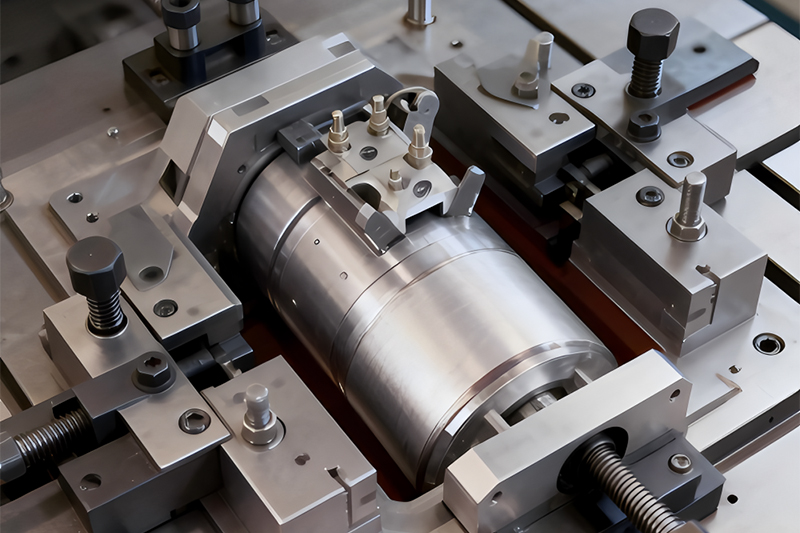
In the mechanical processing industry, wire cutting plays a dual role of universal machining supplement and precision die production — handling hardened inserts, jig components, and fixture tooling that require EDM-grade accuracy.
Read more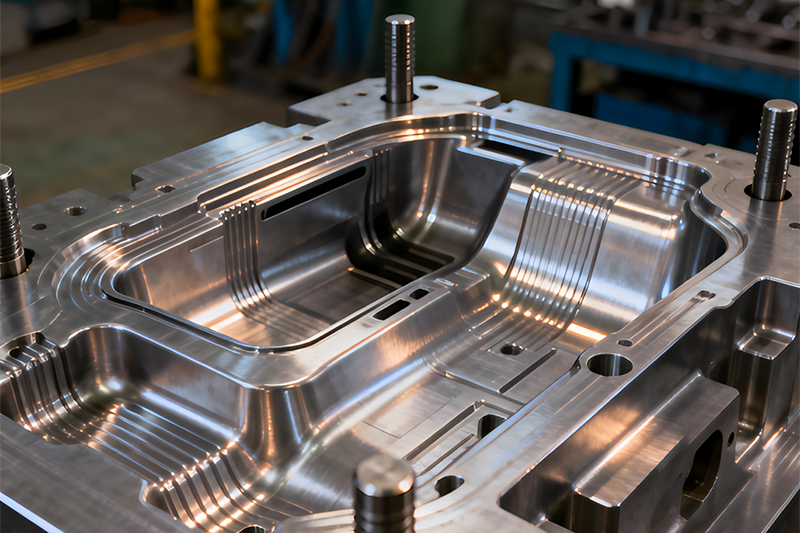
The core advantage of wire cutting in the automotive industry lies in its high efficiency, high precision, and stability — producing carbide stamping inserts, forming die profiles, and trim tool sections for high-volume body panel and powertrain component manufacturing.
Read more
The application of wire cutting in the medical industry is a typical extension of its precision machining capabilities — producing micro-cavity molds, surgical instrument dies, and implant component tooling to ISO 13485 traceability standards.
Read more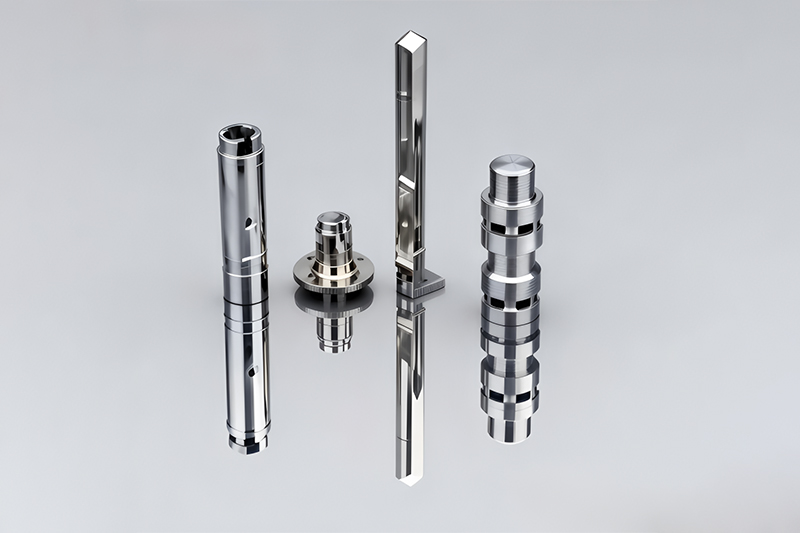
Wire-cutting EDM CNC machine tools occupy an irreplaceable core position in the mold and tooling industry — machining injection mold cavities, extrusion dies, progressive stamping tools, and precision fixture inserts with unmatched accuracy and repeatability.
Read more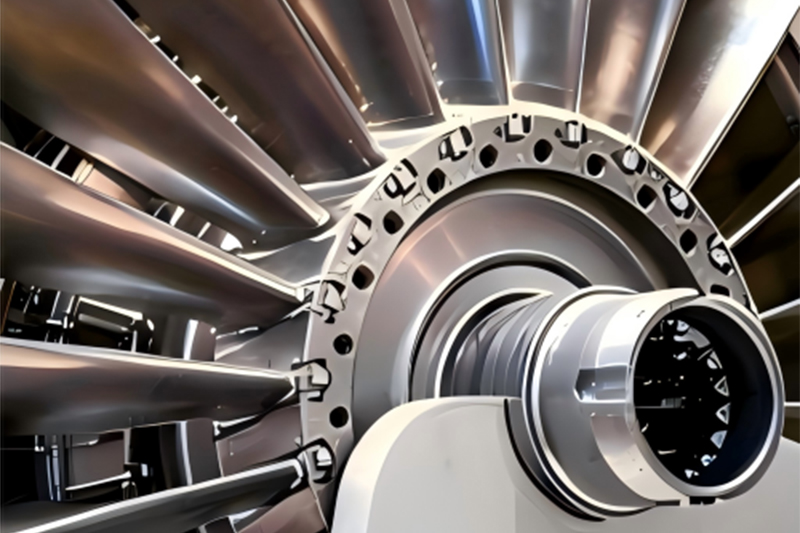
The application of wire cutting in the aerospace industry represents the pinnacle of its machining capabilities — producing titanium forming dies, Inconel trim tooling, turbine blade root profile dies, and precision contour templates to NADCAP and AS9100 standards.
Read moreExplore our full lineup of medium-speed CNC Wire EDM machines — from compact 5-axis platforms for precision die inserts to large-format 10-axis systems for complex mold cavity machining.