Leave Your Message
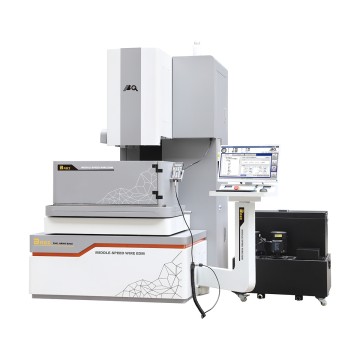
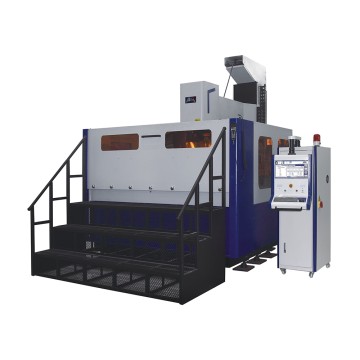
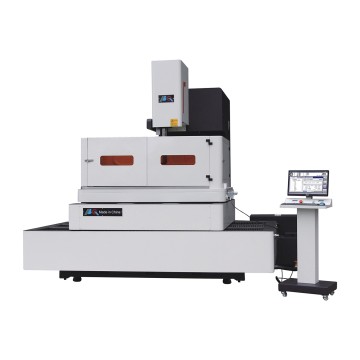
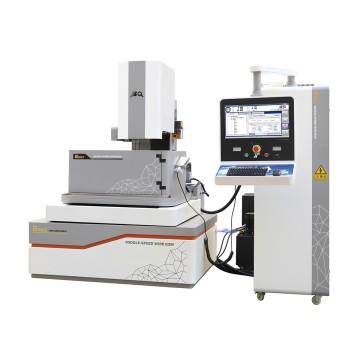
Industry-leading medium-speed CNC wire cutting EDM machines — engineered for the ultra-precision demands of medical implants, surgical tools, and device components.
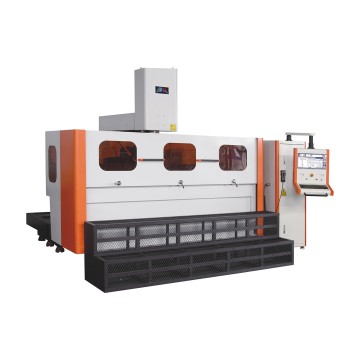
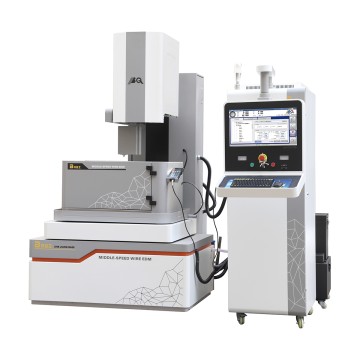
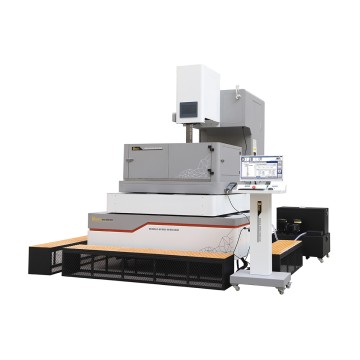
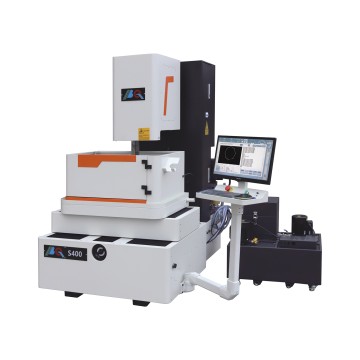
The concept of DIY CNC plasma cutting for medical devices has evolved dramatically over the past decade. What once required multi-million-dollar factory setups can now be achieved — at least in prototype and small-batch contexts — with sophisticated desktop or benchtop CNC platforms. However, when it comes to true medical-grade manufacturing, the industry has largely converged on a more advanced and reliable technology: CNC Wire-Cut Electrical Discharge Machining (EDM).
While plasma cutting offers speed and affordability for structural metals, the micron-level tolerances demanded by medical device standards (ISO 13485, FDA 21 CFR Part 820) push manufacturers toward wire EDM systems. These machines use a thin, electrically charged wire — typically molybdenum or brass — to erode conductive materials with extraordinary accuracy, producing zero mechanical stress on the workpiece. This is critical when machining titanium bone screws, stainless steel surgical blades, or cobalt-chrome joint implants.
⚡ Key Insight: The global medical device manufacturing market is projected to exceed $800 billion by 2030, with precision machining — including wire-cut EDM — serving as a foundational production technology for implants, diagnostics hardware, and minimally invasive surgical tools.
The intersection of CNC precision machining and medical device production represents one of the fastest-growing segments in advanced manufacturing. According to industry analysts, the demand for precision-cut titanium and superalloy components in orthopedic, cardiovascular, and neurosurgical devices is growing at a CAGR of over 7% annually. This growth is being driven by:
In this environment, medium-speed CNC wire-cut EDM machines — such as those offered by BAQI EDM — have become the workhorse of contract medical device manufacturers (CMOs) and OEM production floors alike. Their ability to hold tolerances of ±0.002mm on hardened steels and exotic alloys makes them indispensable for producing the molds, dies, and finished components that go into Class II and Class III medical devices.
The "DIY CNC plasma" concept typically refers to hobbyist or small-shop plasma tables used for sheet metal work. In the medical context, this idea has inspired a generation of startup medical device companies and university research labs to adopt accessible CNC platforms for rapid prototyping. A researcher developing a new orthopedic bracket, for example, might use a DIY CNC plasma cutter to quickly iterate on titanium sheet geometries before committing to a production-grade EDM process.
This prototyping-to-production pipeline is increasingly formalized. Many medical device innovators now follow a three-stage manufacturing maturity model:
Modern wire EDM controllers integrate machine learning algorithms that auto-adjust cutting parameters — wire tension, pulse frequency, dielectric flow — in real time, dramatically reducing scrap rates on expensive titanium and cobalt-chrome stock.
With automatic wire threading, pallet changers, and IoT-connected monitoring, today's CNC wire EDM systems can run 24/7 with minimal human intervention — a critical capability for high-volume medical implant production under strict cleanroom protocols.
The trend toward minimally invasive surgery is driving demand for micro-scale EDM — cutting features as small as 0.05mm on endoscopic tools, catheter components, and neural implant electrodes. Multi-axis linkage machines are at the forefront of this capability.
Before a single spark fires, manufacturers now simulate entire EDM cutting sequences using digital twin technology, predicting surface finish, dimensional accuracy, and thermal effects on biocompatible alloys — reducing validation time by up to 40%.
Medical device manufacturers face increasing ESG pressure. New-generation EDM machines feature closed-loop dielectric recycling, energy-efficient power supplies, and reduced wire consumption — aligning precision manufacturing with sustainability goals.
Real-time data logging of every cut parameter, automatically linked to quality management systems (QMS), enables full traceability for FDA and CE submissions — a non-negotiable requirement for Class II and III medical device components.
Orthopedic implants — including hip and knee replacements, spinal cages, bone plates, and intramedullary nails — demand extreme dimensional accuracy and biocompatible surface finishes. Wire-cut EDM excels here because it can machine hardened titanium alloys (Ti-6Al-4V) and cobalt-chrome-molybdenum (CoCrMo) alloys without inducing the heat-affected zones or burrs that would compromise osseointegration. A typical bone screw profile, with its complex thread geometry and micro-scale tolerances, is a perfect candidate for 5-axis wire EDM cutting.
Scissors, forceps, retractors, laparoscopic graspers — all require razor-sharp edges, precise pivot geometries, and consistent surface hardness. CNC wire EDM machines produce the hardened steel blanks and precision molds used to stamp and form these instruments at scale. The ability to cut complex 2D profiles in hardened tool steel (up to 60+ HRC) without tool wear makes EDM uniquely suited to surgical instrument production.
Stent manufacturing is one of the most demanding applications in medical machining. Nitinol (nickel-titanium shape memory alloy) stents require laser or EDM cutting of extremely fine strut patterns — sometimes with strut widths below 0.1mm — on thin-walled tubes. Wire EDM and micro-EDM are increasingly used for cardiovascular filter components, heart valve frames, and neurovascular coil anchors where conventional machining is simply not feasible.
Medical imaging systems — CT scanners, MRI machines, ultrasound probes — contain precision-machined housings, collimators, and detector mounts that require tight flatness and parallelism tolerances. CNC wire EDM is used to produce the precision molds and fixtures that ensure these components meet sub-millimeter assembly tolerances across large production volumes.
The dental device market is a high-volume, high-precision segment where CNC EDM plays a dual role: cutting the carbide milling tools used in chairside CAD/CAM systems, and producing the precision molds for injection-molded dental prosthetics and orthodontic brackets. The ability of medium-speed wire EDM to hold ±0.003mm tolerances on carbide tooling directly impacts the quality of millions of dental restorations produced annually.
💡 Why Medium-Speed Wire EDM? Medium-speed (MS-WEDM) machines offer the optimal balance of cutting efficiency, surface quality (Ra 0.4–0.8μm achievable), and operating cost for medical device production — outperforming slow-speed brass wire machines in throughput while maintaining the precision that medical standards demand.
Investing in industrial-grade CNC wire EDM for medical device production delivers measurable ROI across several dimensions:
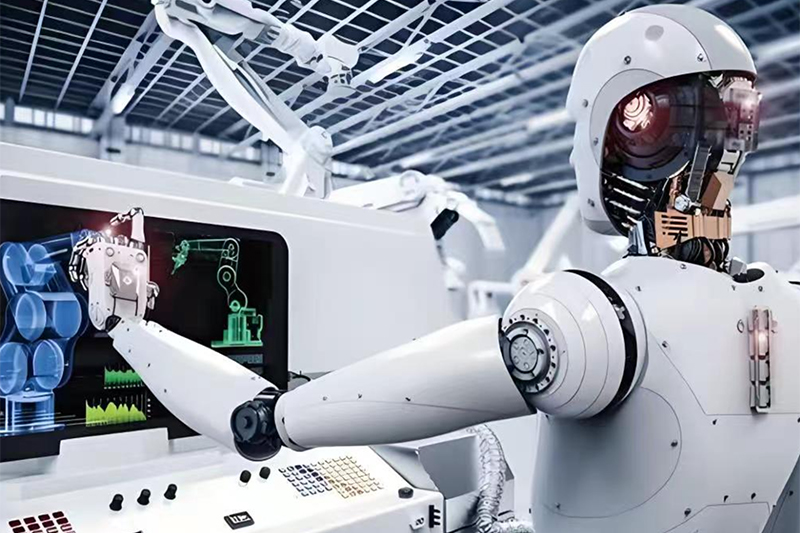
The medium speed molybdenum wire cutting spark machine (medium speed wire), with its core characteristics of high precision, enables the production of complex robotic joint and actuator components.
Read More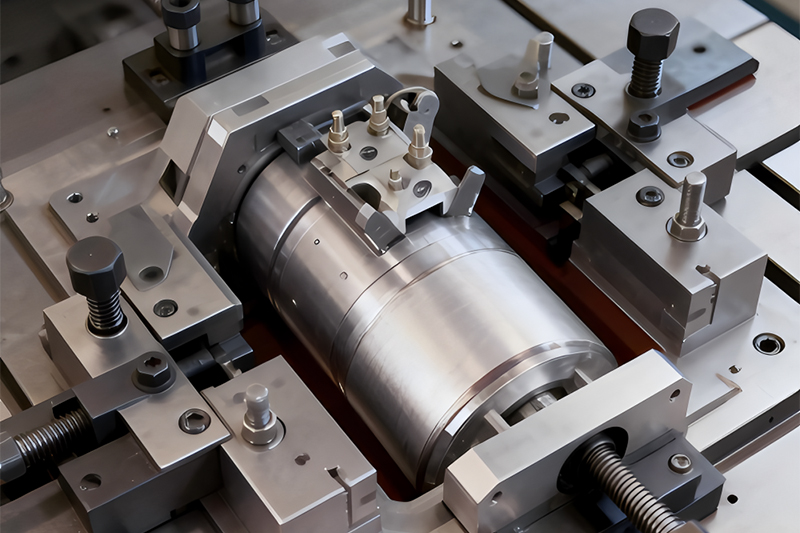
In the mechanical processing industry, wire cutting plays a dual role of universal machining supplement and precision component production for demanding industrial applications.
Read More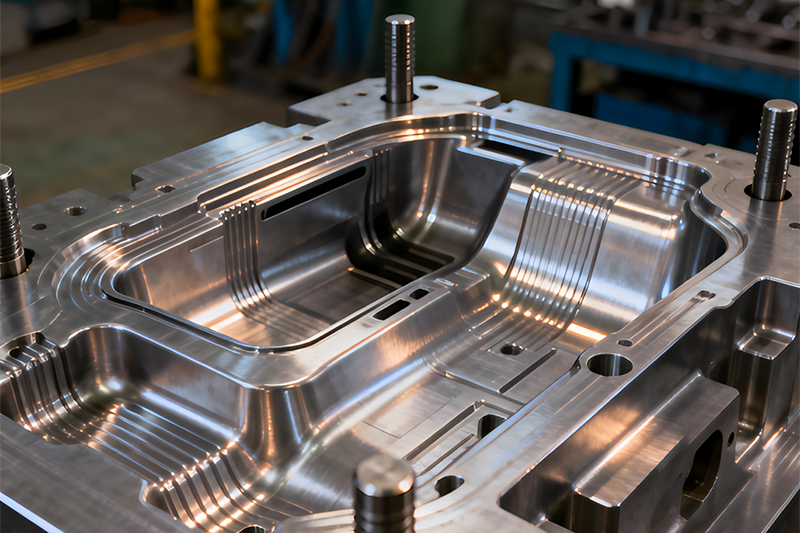
The core advantage of wire cutting in the automotive industry lies in its high efficiency, high precision, and stability for producing complex molds, dies, and precision components.
Read More
The application of wire cutting in the medical industry is a typical extension of its precision machining capabilities — enabling the production of implants, surgical instruments, and diagnostic components.
Read More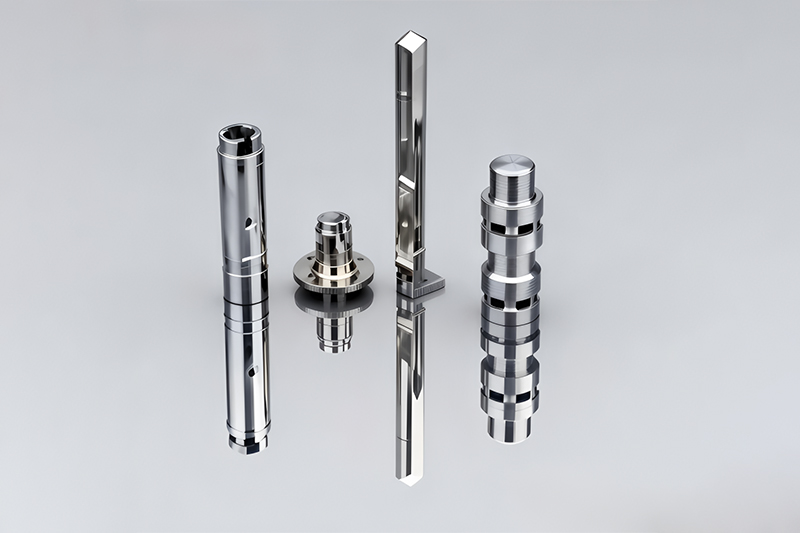
Wire-cutting EDM CNC machine tools occupy an irreplaceable core position in the mold and tooling industry, enabling the production of complex cavity shapes in hardened steel with unmatched accuracy.
Read More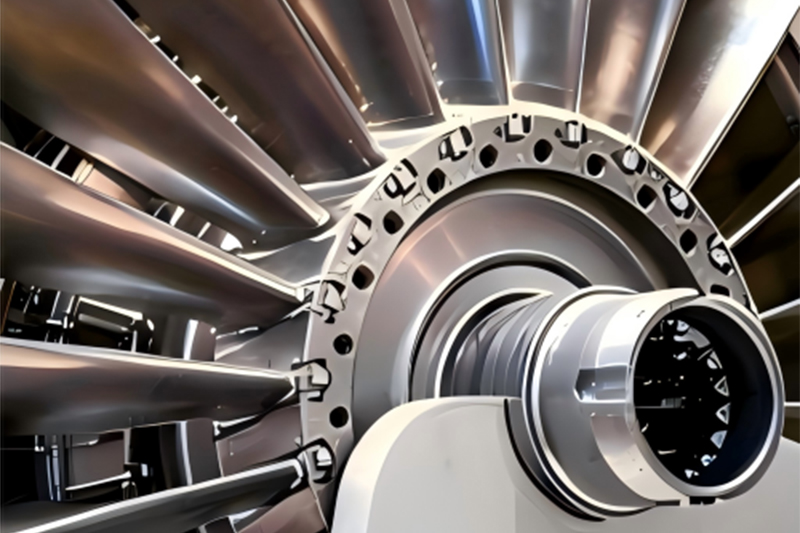
The application of wire cutting in the aerospace industry represents the pinnacle of its machining capabilities — producing turbine blades, fuel system components, and structural brackets from exotic alloys.
Read MoreDiscover how BAQI EDM's medium-speed CNC wire-cut EDM machines deliver the precision, reliability, and compliance-readiness your medical device production demands.
Explore Medical SolutionsExplore our complete lineup of medium-speed CNC wire-cut EDM machines — each engineered for the exacting tolerances of medical device, aerospace, and precision tooling applications.