Leave Your Message
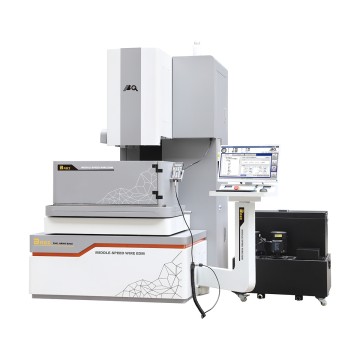
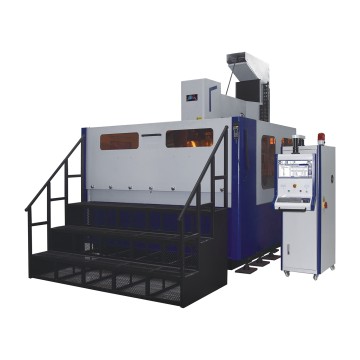
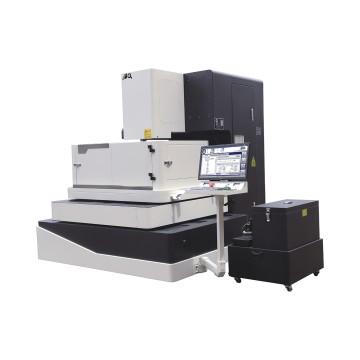
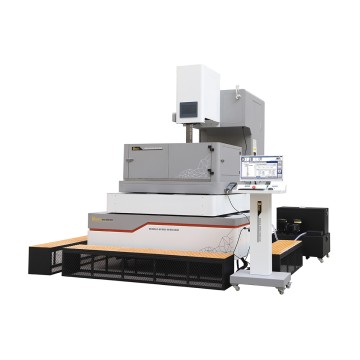
High-performance CNC wire cutting EDM systems designed to meet the strict tolerance limits of modern automotive tooling.
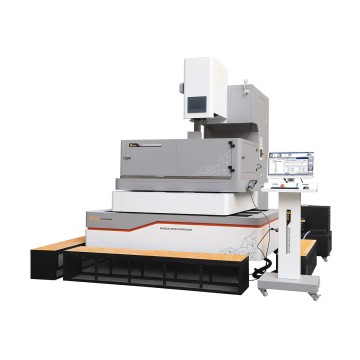
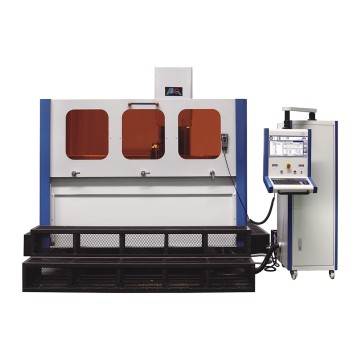
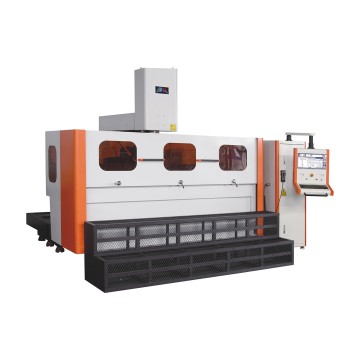
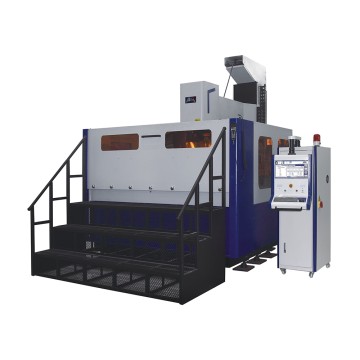
The automotive industry is undergoing its most significant transformation since the invention of the assembly line. The transition to electric vehicles (EVs), the demand for lightweight structures, and the integration of smart technologies have completely redefined vehicle design and manufacturing processes. In this context, the demand for high-precision cutting machines for automotive engineering has surged. Traditional mechanical cutting methods often fall short when dealing with the high-strength alloys, advanced composites, and complex geometries required in modern automotive designs.
CNC Wire Electrical Discharge Machining (EDM) has emerged as a cornerstone technology in this landscape. By utilizing controlled electrical sparks to erode material, wire EDM machines can cut through any electrically conductive material, regardless of its hardness. This makes them indispensable for producing stamping dies, injection molds, engine components, and electric motor parts where sub-micron tolerances and pristine surface finishes are non-negotiable.
Industry Insight: According to global automotive manufacturing reports, the integration of multi-axis CNC wire cutting machines has reduced mold development cycles by up to 40% while simultaneously increasing die life due to stress-free thermal cutting processes.
Automotive engineers today face a dual challenge: reducing vehicle weight to improve fuel efficiency and EV range, while enhancing structural integrity for passenger safety. This has led to the widespread adoption of High-Strength Low-Alloy (HSLA) steels, advanced aluminum alloys, titanium, and carbon-fiber-reinforced polymers. Machining these materials with traditional milling or mechanical cutting tools causes rapid tool wear, micro-cracking, and structural deformation due to mechanical forces.
Wire cutting EDM machines solve these issues by offering non-contact machining. Since the cutting wire never touches the workpiece, there is zero physical force applied. This prevents distortion in thin-walled structures and allows for the fabrication of extremely intricate features that would otherwise collapse under conventional machining pressures.
Zero mechanical force prevents micro-cracking and deformation in delicate automotive components and stamping dies.
Effortlessly cuts hardened tool steels, titanium, carbide, and conductive composites used in advanced vehicle chassis.
Achieves dimensional tolerances within ±0.005mm, essential for EV electric motor laminations and high-speed gears.
5-axis and 10-axis linkage systems enable complex taper cuts, variable profiles, and intricate internal splines.
Stamping dies are the backbone of high-volume automotive production, used to form outer body panels, structural pillars, and brackets. These dies are made from extremely hard tool steels (such as D2, H13, or tungsten carbide) to withstand millions of cycles. Wire EDM machines are the primary method for cutting the complex profiles of these dies. The high precision ensures that the clearance between the punch and the die is perfectly uniform, which prevents burrs on the stamped sheet metal and extends the lifespan of the tooling.
The efficiency of an electric vehicle's motor depends heavily on the precision of the laminated steel cores in the stator and rotor. These laminations are made from thin sheets of electrical silicon steel. To prototype and manufacture the stamping dies for these laminations, automotive engineers rely on CNC wire cutting. The process allows for the creation of intricate slot geometries and tight spacing, which directly translates to optimized magnetic flux and higher motor efficiency.
While mass-produced gears are typically hobbed or broached, high-performance gears, custom splines, and prototype powertrain components require the flexibility and precision of wire cutting. For instance, dual-clutch transmission components and differential gears can be machined with precise involute profiles using 5-axis linkage wire EDM, eliminating the need for expensive custom tooling during the R&D phase.
From bumpers and dashboards to lightweight intake manifolds, injection molding is vital for weight reduction. The molds for these components feature complex cooling channels and deep cavities. Medium-speed wire EDM machines are used to cut slide blocks, lifters, and core inserts with excellent surface finishes, reducing the manual polishing required and speeding up mold assembly.
Explore how our medium-speed CNC wire cutting EDM systems serve diverse industries, with a primary focus on automotive and aerospace precision engineering.
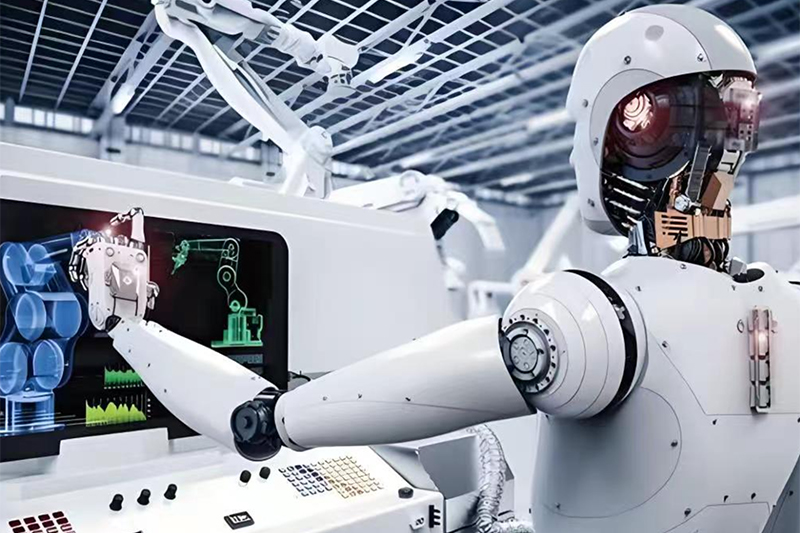
The medium speed molybdenum wire cutting spark machine (medium speed wire), with its core characteristics of high precision and efficiency, plays an essential role in robotic joint and gear assembly...
Read more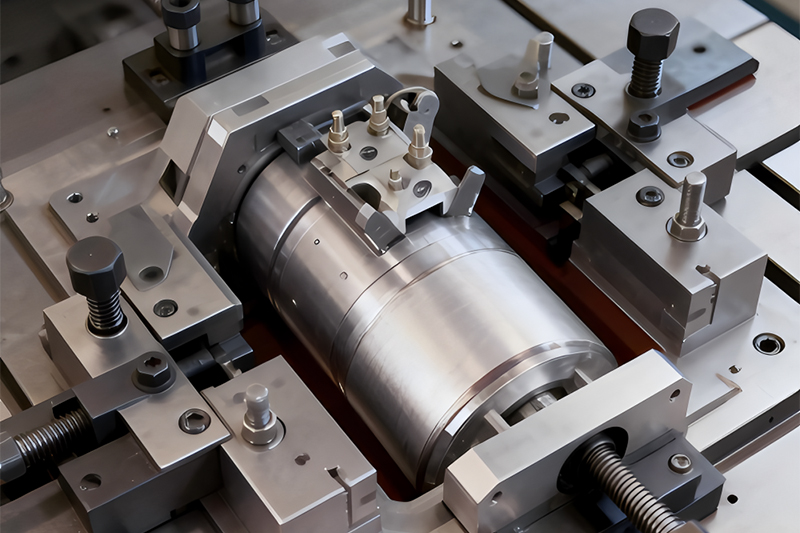
In the mechanical processing industry, wire cutting plays a dual role of universal machining supplement and precision finish-machining for complex metal components...
Read more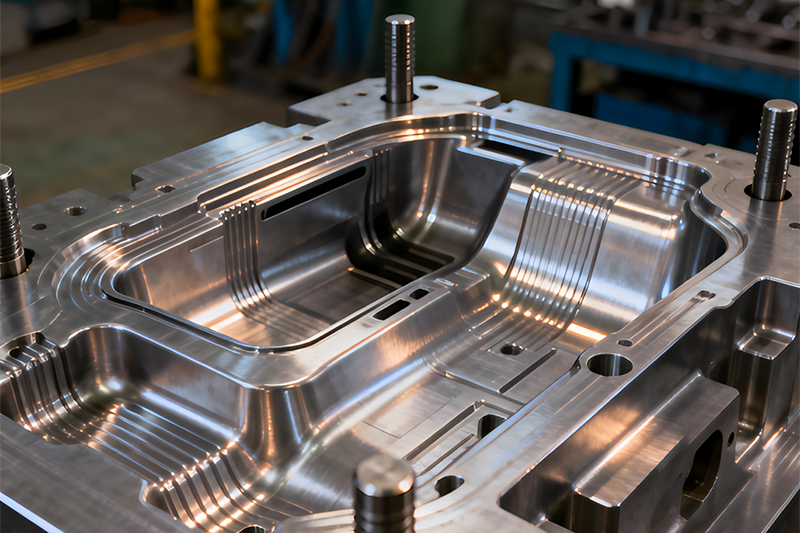
The core advantage of wire cutting in the automotive industry lies in its high efficiency, high precision, and stability when machining engine, transmission, and structural components...
Read more
The application of wire cutting in the medical industry is a typical extension of its precision machining capabilities, producing highly detailed implants and surgical instruments...
Read more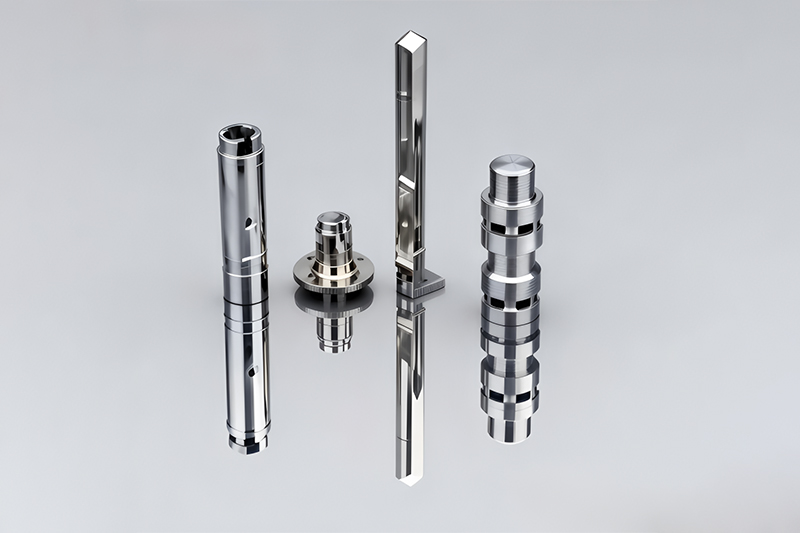
Wire-cutting EDM CNC machine tools (referred to as wire cutting) occupy an irreplaceable core position in the mold and tooling industry, enabling complex cavity cuts...
Read more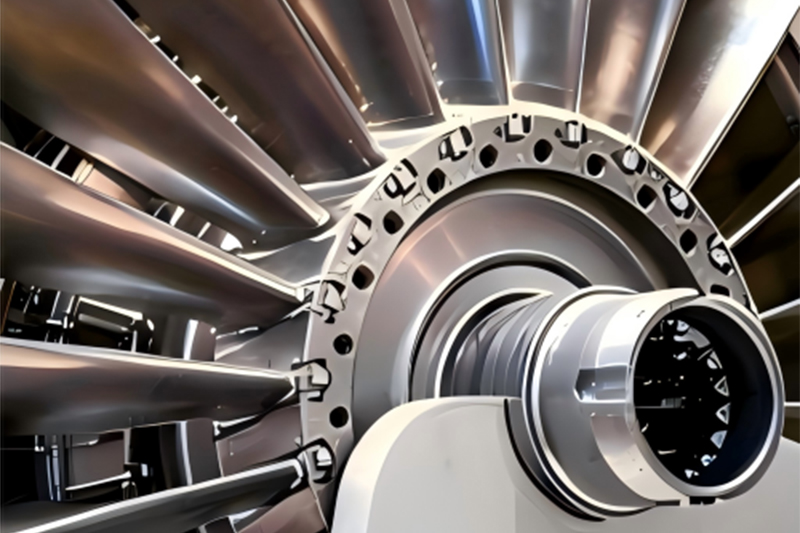
The application of wire cutting in the aerospace industry represents the pinnacle of machining capabilities, working with nickel-based superalloys and complex turbine geometries...
Read moreAs automotive designs become more aerodynamic and structurally integrated, the components themselves feature highly complex, non-linear geometries. Standard 2-axis or 3-axis wire EDM machines cannot cut the variable tapers required for advanced steering knuckles, complex injection molds, or turbine blades. The development of high-precision 5-axis linkage CNC wire cutting systems (such as the BQ1063 and BQ2015) allows for real-time tilt control of the wire, enabling the machining of intricate 3D shapes with absolute precision in a single setup.
Modern automotive assembly lines demand smart manufacturing technologies. Today's cutting machines are equipped with advanced CNC controllers that feature AI-driven discharge monitoring. These systems monitor the electrical parameters of each spark in real-time. If the system detects a high concentration of debris or an unstable spark gap, it automatically adjusts the feed rate and discharge energy. This prevents wire breakage, optimizes cutting speed, and ensures consistent surface quality across large production runs.
Historically, manufacturers had to choose between slow-speed brass wire EDM (highly precise but extremely expensive to operate) and fast-speed molybdenum wire EDM (economical but with lower precision and surface quality). The introduction of medium-speed CNC wire cutting EDM machines has revolutionized the automotive tooling sector. By utilizing advanced tension control and multiple-cut strategies, these machines achieve surface finishes and dimensional tolerances that rival slow-speed machines, but at a fraction of the operating cost. This balance of performance and economy makes them highly attractive to Tier 1 automotive suppliers.
Automotive OEMs are actively pushing their supply chains to reduce carbon footprints. Modern EDM power generators are designed to be highly energy-efficient, using high-frequency pulse power supplies that minimize energy consumption during discharge. Additionally, advanced filtration systems extend the life of the dielectric fluid and wire guide components, reducing waste and supporting sustainable manufacturing practices.
Engineering Advantage: By optimizing the pulse duration and peak current, medium-speed wire EDM machines can cut advanced materials like titanium alloys without forming a thick recast layer, significantly reducing post-machining surface preparation.
When selecting a wire cutting machine for automotive engineering applications, several critical factors must be analyzed:
Explore our full line of high-precision, medium-speed CNC wire EDM machines tailored for automotive engineering and industrial tooling.