Leave Your Message
Specialized 5-axis and 10-axis CNC electro-erosion and micro-winding processing platforms engineered for complex medical coils, catheter mandrels, and high-density implant components.
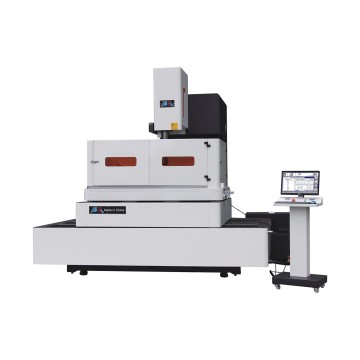
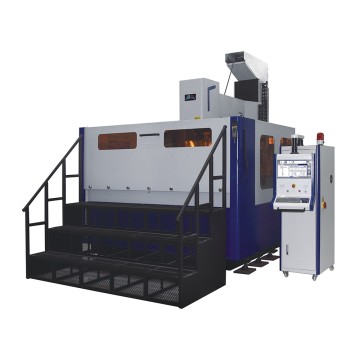
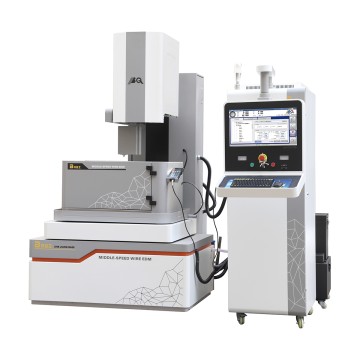
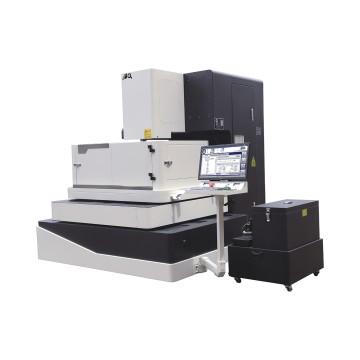
How micro-precision automation, non-contact electrical discharge erosion, and high-tension wire coiling are revolutionizing life-saving biomedical hardware.
The modern medical device sector is undergoing an unprecedented shift toward miniaturization, non-invasive therapies, and intelligent implantable electronics. In this rigorous industrial ecosystem, a CNC Winding Machine for Medical Devices represents a foundational manufacturing pillar. Whether producing ultra-fine coils for neurovascular catheters, electromagnetic stator windings for surgical robotic end-effectors, or micro-inductors for bio-telemetric implants, the tolerances required have tightened from micrometers to sub-micron dimensions.
Concurrently, traditional coiling and mechanical winding apparatuses face immense limitations when handling high-elasticity bio-compatible alloys like Platinum-Iridium (Pt/Ir), Nitinol (Ni-Ti), Tungsten, and 316LVM medical-grade stainless steel. These exotic materials demand adaptive digital closed-loop tensioners, optical laser pitch verification, and zero-burr tooling fixtures provided by high-precision CNC multi-axis EDM platforms.
The global medical micro-machining and specialized coiling equipment market is projected to expand at an 8.6% CAGR, propelled by the rising prevalence of cardiovascular interventions, minimally invasive spine surgeries, and neurological stimulation devices. Manufacturers who integrate multi-axis CNC wire winding systems with automated EDM tooling witness a 38% boost in yield rates and a 45% reduction in production cycle variations.
Advanced piezo-electric and magnetic particle tension actuators continuously monitor wire feedback at 2,000 Hz, preventing wire thinning or insulation layer abrasion on micro-gauge wire.
5-axis to 10-axis interpolations enable variable pitch, multi-layer variable taper winding, and complex non-cylindrical 3D winding geometries across customized anatomical profiles.
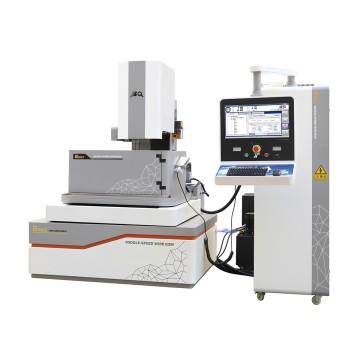
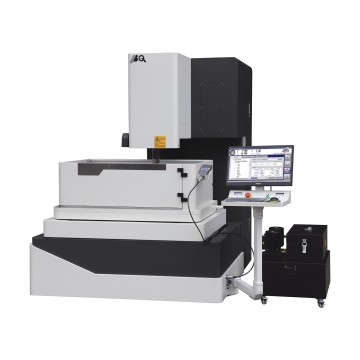
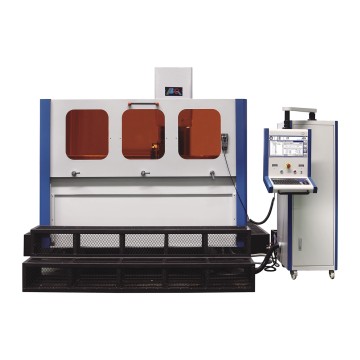
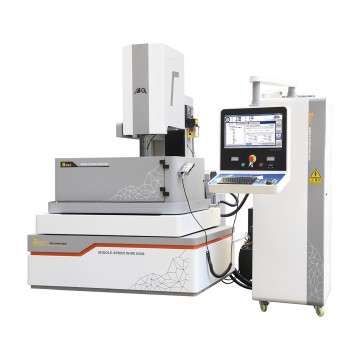
Precision molybdenum and brass wire EDM machines manufacture burr-free mandrels, slotted guides, and electrode cutting tools with surface finishes better than Ra 0.4 μm.
Examining how advanced CNC winding mechanisms and wire-cut electrical discharge systems form the bedrock of next-generation medical therapeutics.
Interventional treatment for intracranial aneurysms and ischemic strokes relies heavily on micro-catheters and micro-guidewires with diameters often below 0.014 inches (0.35 mm). CNC winding machines wind ultra-fine, radiopaque platinum-tungsten coils over ground nitinol or stainless steel tapered mandrels. The winding pitch must smoothly transition from tight, stiff coils at the proximal hub to flexible, open coils at the distal tip to provide both pushability and optimal trackability through tortuous cerebral vasculature. Wire EDM systems are indispensable here for slicing micro-slots in hollow hypo-tubes and creating zero-deflection mandrel core pins.
Active Implantable Medical Devices (AIMDs) require high-density inductive charging coils and RF telemetry antennas hermetically sealed within biocompatible titanium cases. A CNC winding machine configured for medical implants employs multi-layered orthocyclic winding algorithms to achieve a maximum copper/gold fill factor within minimal package volume. High-precision tension control prevents insulation micro-scratches that could otherwise lead to dielectric breakdown, premature implant battery depletion, or tissue necrosis.
Modern surgical robotics (such as laparoscopic and orthopedic robotic arms) require brushless DC micro-motors with diameters as compact as 4 mm to 8 mm. These micro-motors must generate high torque without cogging while enduring hundreds of high-pressure autoclave sterilization cycles. CNC winding platforms utilize multi-spindle automatic winding technology to wind slotless coils with uniform wire layering, while high-precision wire-cut EDM machines produce the miniature laminated rotor cores and ultra-fine stator stacks with absolute symmetry.
Electrosurgery and cardiac arrhythmia ablation require multi-lumen catheters embedded with tightly coiled conductive sensor rings and RF heating elements. Winding machines must handle complex bimetallic wires and thermocouple junctions with micro-brazing clearances. Wire EDM machines complement this by cutting delicate flushing side-holes and precision anchor slots in the stainless steel or nitinol tips without introducing thermal distortion or residual mechanical burrs.
| Medical Application | Wire / Material Types | Critical Processing Metric | CNC Winding / EDM Synergy |
|---|---|---|---|
| Catheter Guidewires & Coils | Pt/W 92/8, Nitinol, 304V SS | Distal pitch gradient ±0.005 mm | Continuous multi-pitch winding on EDM-machined tapered cores |
| Implantable Telemetry Coils | High-purity Oxygen-Free Copper, Gold-plated Wire | Zero insulation scuffing, 99.8% Q-factor consistency | Orthocyclic layer winding with laser loop feedback |
| Surgical Micro-Motors | Self-bonding enameled copper (AWG 44–52) | Slot fill factor > 65%, runout < 2 μm | Automated skeining winding + EDM stator lamination cutting |
| RF Ablation Ring Tips | Platinum, Inconel, Medical Titanium | Burr-free edge radii < 0.01 mm | 5-axis micro EDM shaping paired with spiraled coil lead welding |
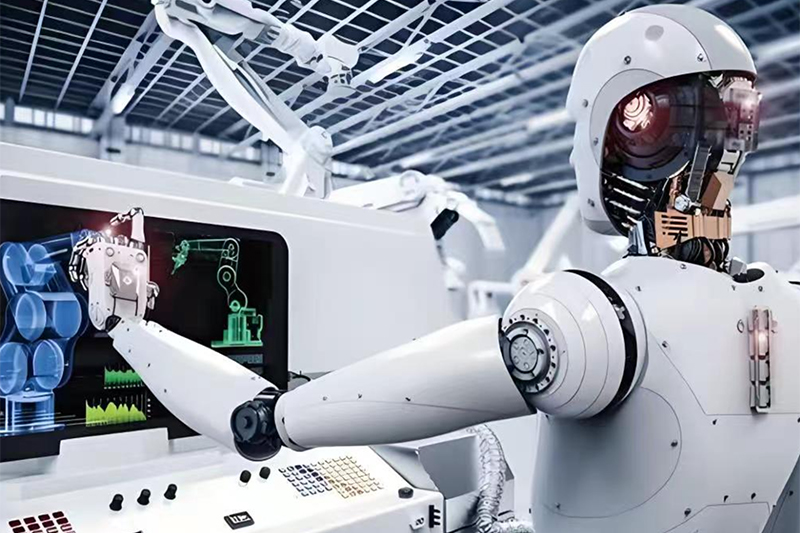
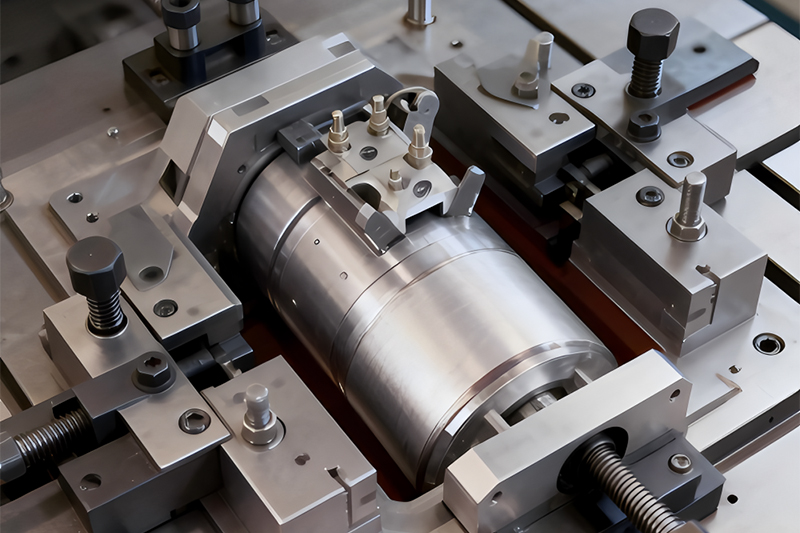
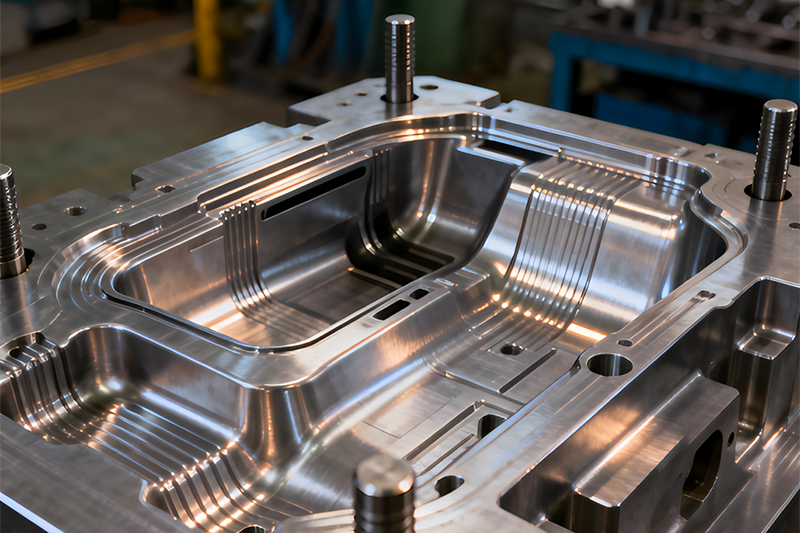

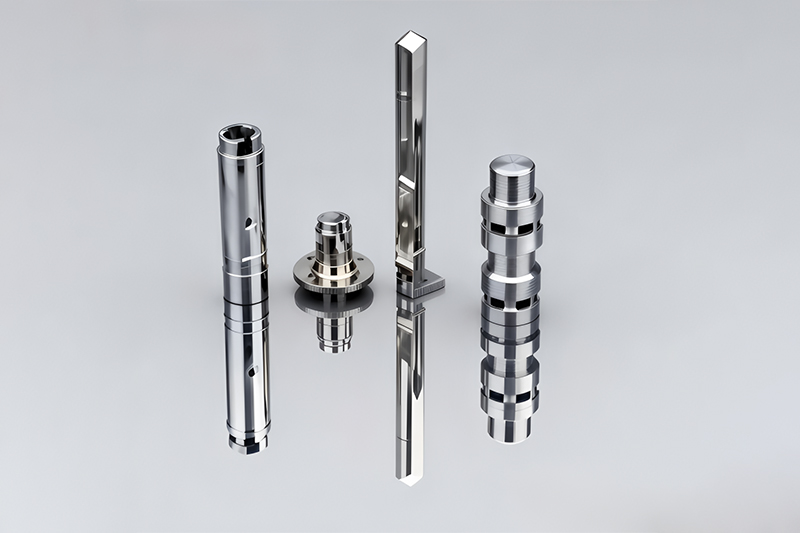
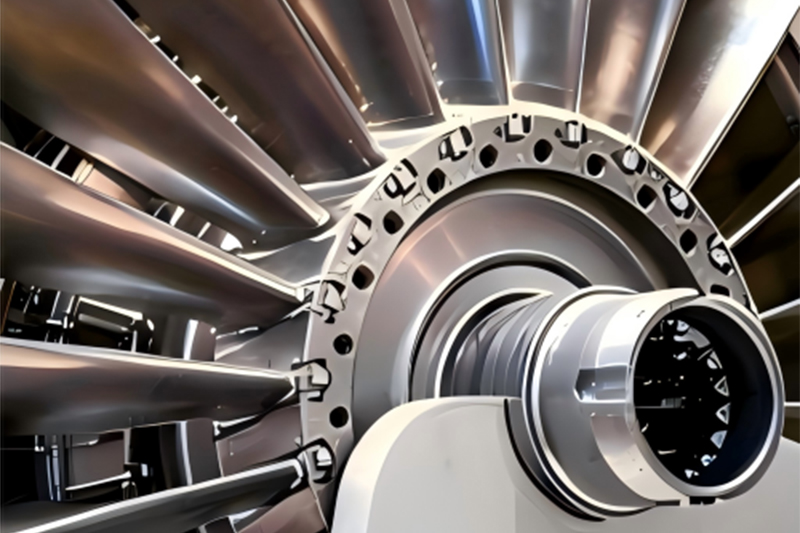
Integrating intelligent predictive tension control, thermal drift compensation, and ultra-smooth pulse erosion for zero-defect medical production.
In micro-wire winding, wire elongation of even 0.5% can cause severe electrical resistance shifts and coil structural deformity. Our contemporary CNC winding machine architectures feature AI-driven digital closed-loop PID tension control. Optical encoders and strain-gauge sensors detect tension deviations within 0.05 cN, automatically compensating servo rotational velocity in milliseconds.
Micro-machining in medical manufacturing mandates absolute environmental stability. Utilizing finite-element-analyzed mineral casting or dense granite bed structures, CNC wire EDM and winding platforms isolate high-frequency shop-floor vibrations while actively compensating for thermal expansion, maintaining positioning repeatability within ±0.001 mm.
Key insights regarding machine selection, tooling precision, material compatibility, and cleanroom deployment.
Medical CNC winding machines are engineered to handle ultra-fine copper, pure gold, silver, biocompatible platinum-iridium (Pt/Ir 90/10 and 80/20), shape-memory Nitinol, and medical-grade stainless steel wires down to 10 microns in thickness without compromising tensile strength or surface insulation coatings.
Wire EDM machines manufacture the ultra-precision winding mandrels, slotted wire guides, multi-lumen extrusion dies, and cutting blades used during coil production. Because wire EDM is a non-contact process, it crafts hardened steel and tungsten carbide tooling with zero mechanical burrs or thermal stresses.
By utilizing multi-axis synchronized CNC servos (combining linear axes with high-speed rotary spindles) and non-contact optical laser micrometers, the system dynamically adjusts the linear feed per rotation, ensuring that variable-pitch and variable-diameter coils comply precisely with CAD specifications.
Yes. Modern medical CNC machines feature enclosed stainless-steel working compartments, anti-static electrostatic coatings, synthetic food-grade/biocompatible lubricants, and localized HEPA filtration systems to completely eliminate airborne oil mist or particulate contamination.
Explore our complete lineup of multi-axis CNC wire-cut EDM and high-precision machinery engineered for medical device production, micro-tooling, and precision component fabrication.