Leave Your Message
High-precision multi-axis linkage winding technology designed for EV electric motors, solenoids, and automotive electronic systems.
In the rapidly transforming landscape of automotive engineering, precision, efficiency, and reliability have become the benchmarks of manufacturing success. The global transition toward Electric Vehicles (EVs), Hybrid Electric Vehicles (HEVs), and autonomous driving systems has created an unprecedented demand for sophisticated electromagnetic components. At the heart of this technological revolution lies the CNC winding machine for automotive engineering.
Modern vehicles rely heavily on complex electrical architectures. From high-power traction motors and auxiliary steering motors to tiny sensors, fuel injectors, and ignition coils, every component requires meticulously wound copper coils. Standard winding methods are no longer sufficient to meet the strict tolerances and high volume demands of tier-one automotive suppliers. Today's CNC winding machines utilize intelligent multi-axis servo systems, real-time tension controllers, and AI-driven monitoring systems to deliver flawless winding patterns at ultra-high speeds.
Industry Insight: The global EV motor market is expected to witness a compound annual growth rate (CAGR) of over 20% in the coming decade. This shift demands winding technology that can handle complex stator configurations, rectangular wire processing (hairpin winding), and extreme repeatabilities.
The commercial landscape for CNC winding technology is undergoing a massive paradigm shift. Traditional winding systems were primarily designed for round copper wires and simple circular coils. However, modern automotive engineering requires components that fit into tighter spaces while delivering higher power output. This has led to the adoption of flat or rectangular copper wires, which maximize the slot fill factor in electric motors, reducing energy loss and thermal dissipation issues.
For industrial manufacturers, investing in high-precision 5-axis and 10-axis CNC winding machinery is no longer optional—it is a competitive necessity. These advanced machines reduce cycle times, minimize material waste, and ensure consistent electrical performance across millions of production cycles. Moreover, integrating automated loading and unloading systems (robotics) with CNC winding centers allows for 24/7 lights-out manufacturing, significantly lowering labor costs and accelerating time-to-market.
CNC winding machines are utilized across multiple critical systems in automotive engineering. Understanding these specific application scenarios highlights the versatility and technological depth required of modern winding equipment.
Electric vehicle drivetrains require stators and rotors wound to perfection. CNC needle winding and hairpin winding processes ensure maximum slot fill factor, resulting in higher torque density and increased vehicle range.
From automatic transmission control valves to ABS braking solenoids, high-speed CNC winding ensures precise wire placement and layer distribution to prevent voltage drops and mechanical failures.
Modern vehicles house hundreds of sensors (speed sensors, position sensors, radar chokes). These require ultra-fine wire winding (often under 0.05mm diameter) handled with microscopic tension control.
Traditional internal combustion engine (ICE) and hybrid vehicles rely on robust ignition coils and alternators. CNC winding provides the high-voltage insulation layering necessary for extreme under-hood thermal cycles.
One of the most debated topics in automotive engineering is the selection between needle winding and hairpin technology. CNC needle winding machines feed the copper wire directly into the stator slots using a nozzle, which is ideal for concentrated windings in smaller, highly efficient brushless DC (BLDC) motors. On the other hand, Hairpin winding involves forming rectangular copper bars into 'U' shapes, inserting them into stator slots, and welding them. CNC systems control the precise bending, stripping, and positioning of these heavy-gauge conductors, ensuring the high-power output required for main EV propulsion motors.
Our mission is to make their choices firm and correct, to create greater value for customers and to realize their own value.
To meet the stringent requirements of the automotive industry (such as IATF 16949 standards), CNC winding machines have incorporated several cutting-edge technical features:
Modern automotive assembly lines demand complete traceability. Every coil wound must be logged with its specific tension parameters, cycle time, operator ID, and quality metrics. Modern CNC winding machines feature integrated IoT gateways, allowing them to communicate directly with Manufacturing Execution Systems (MES). This integration enables predictive maintenance—analyzing motor currents and guide wear to schedule maintenance before a breakdown occurs, minimizing costly production line stoppages.
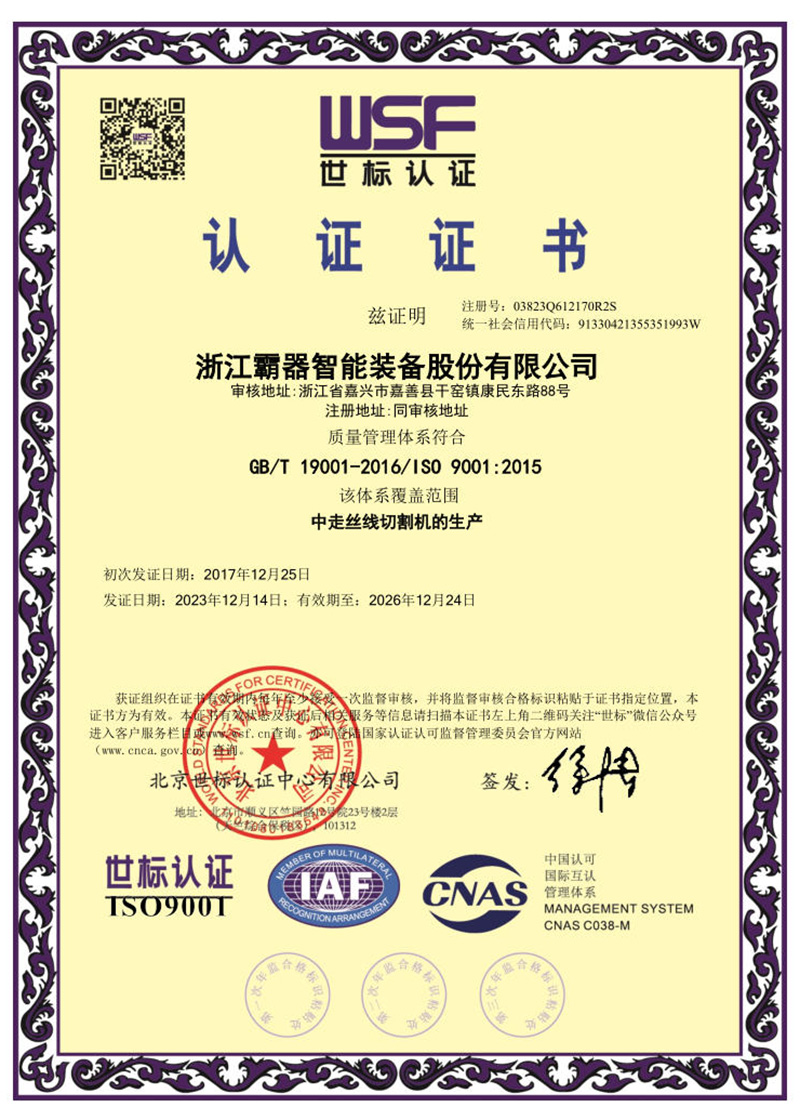
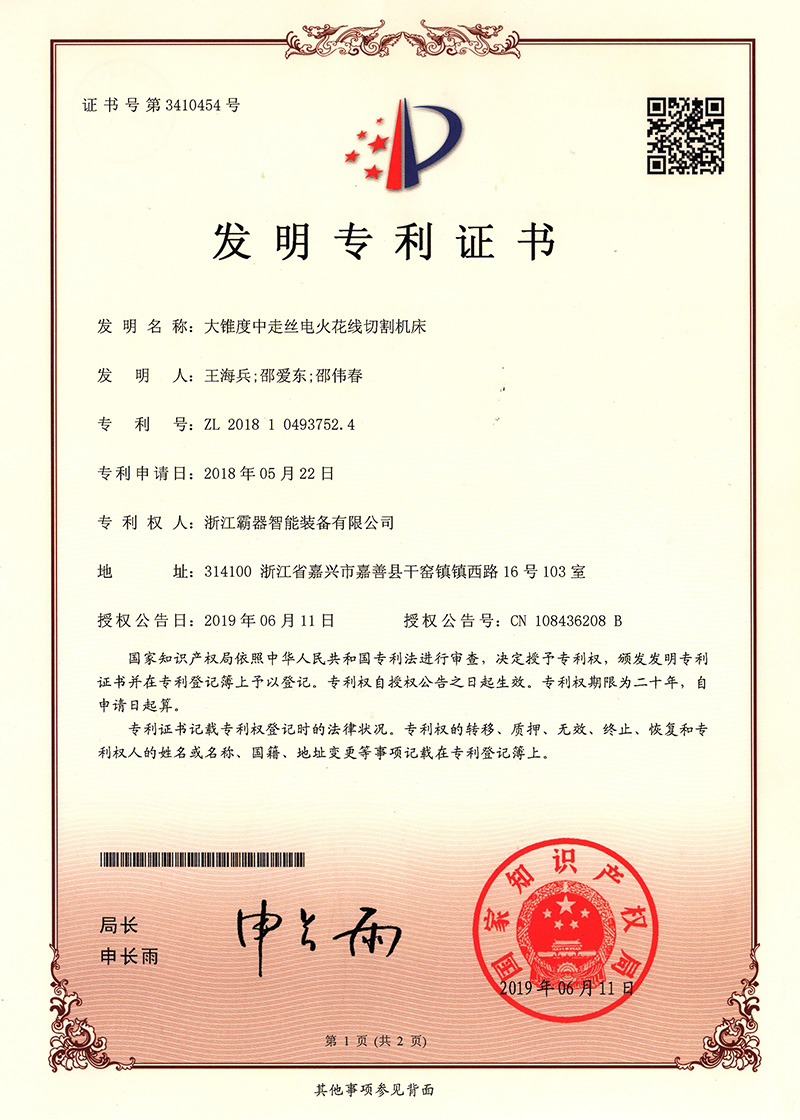
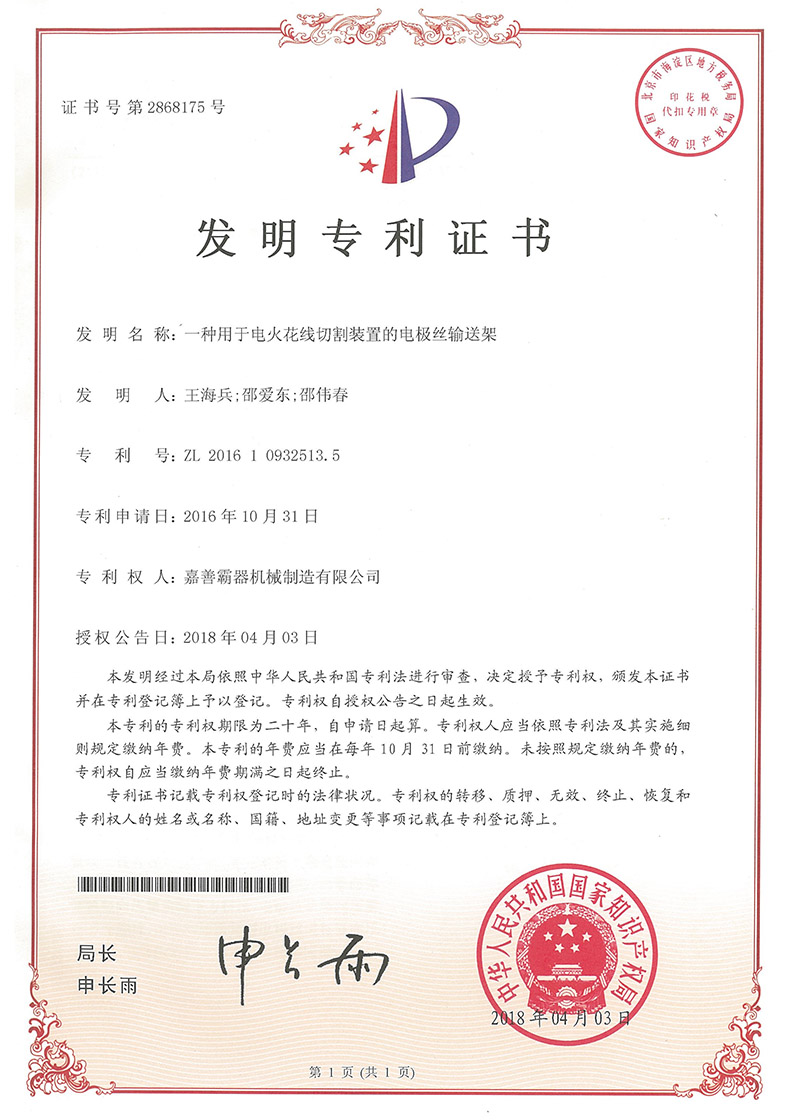
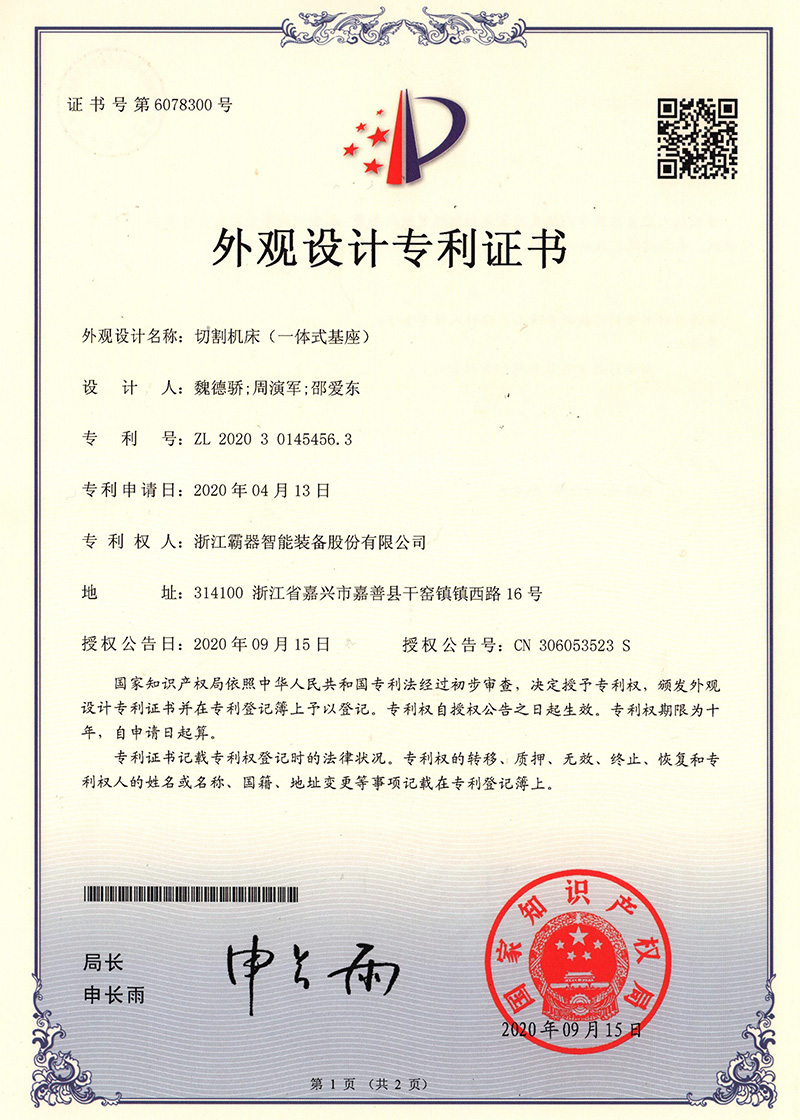
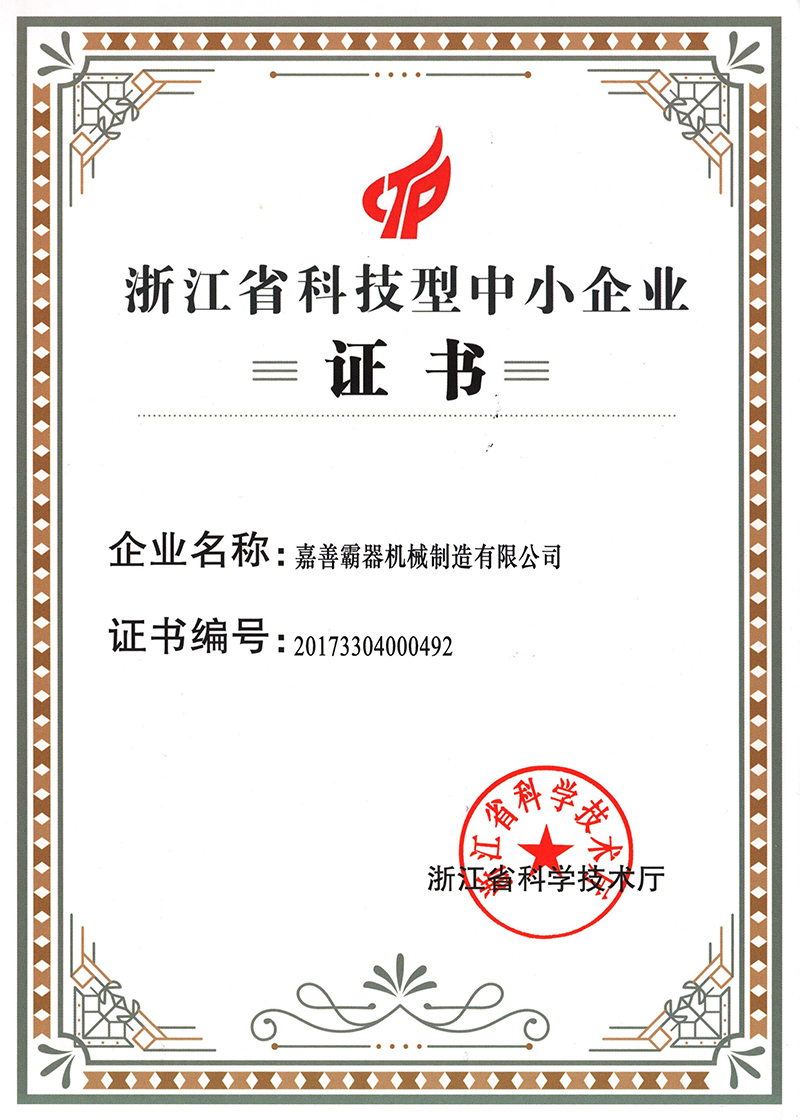
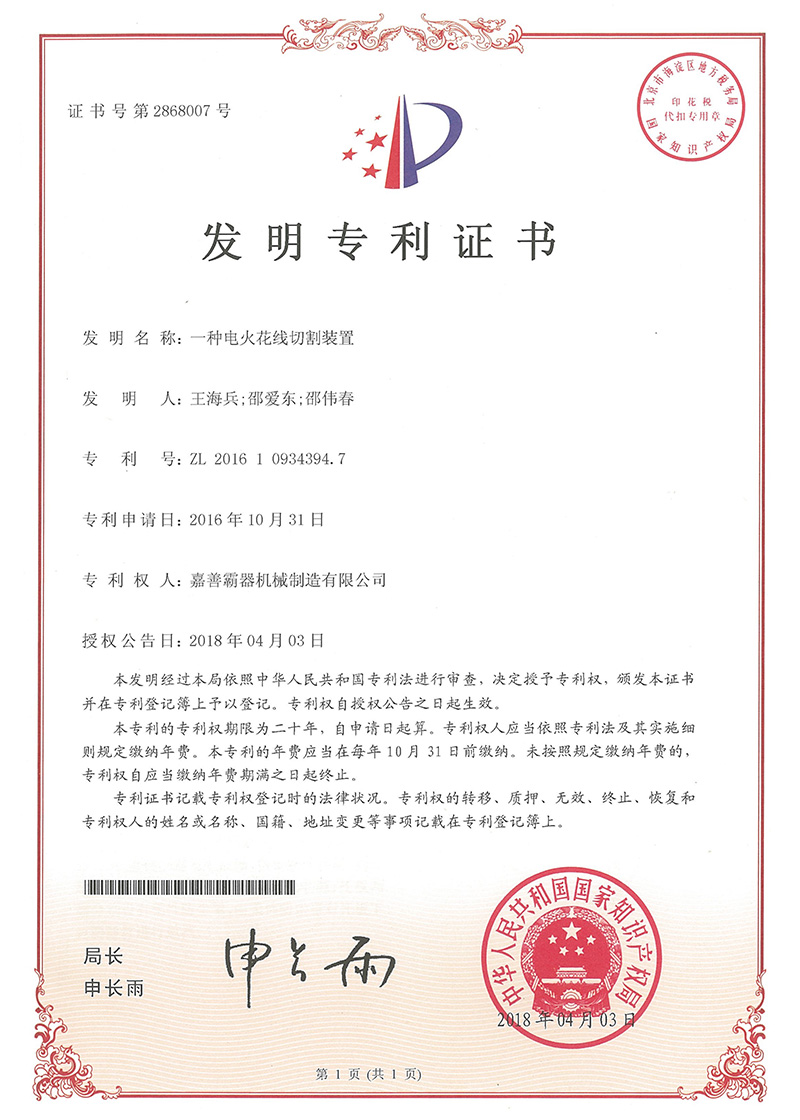
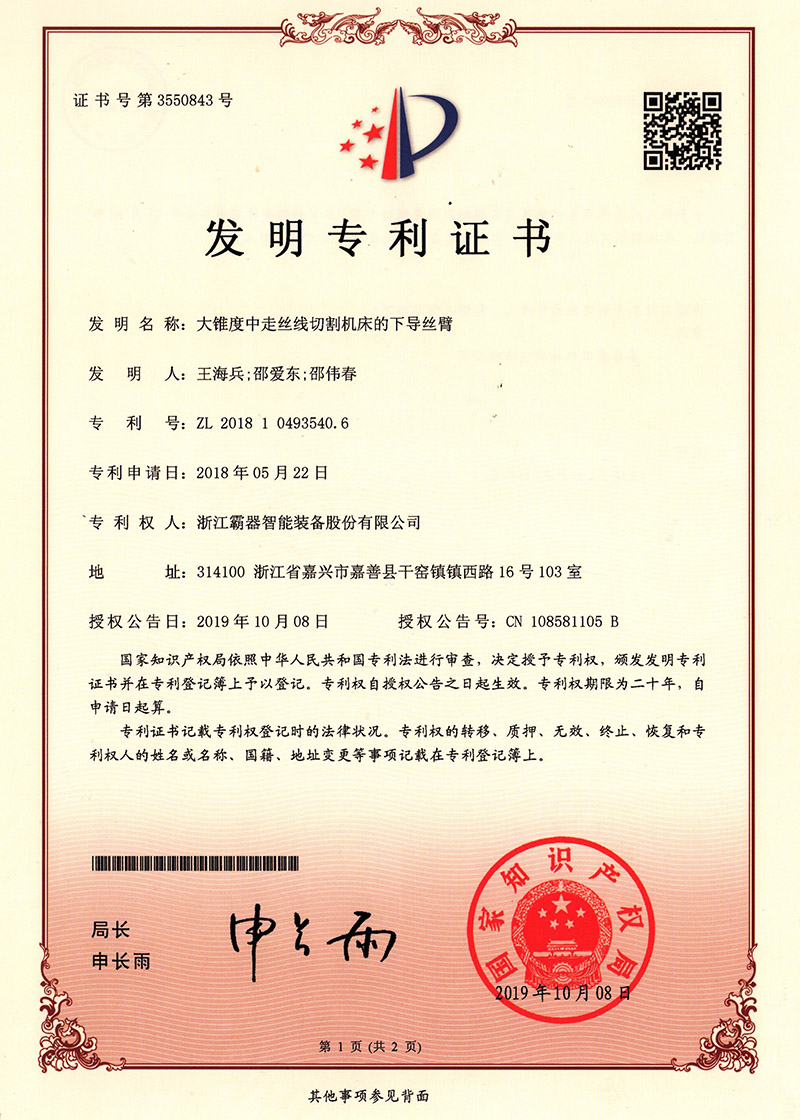
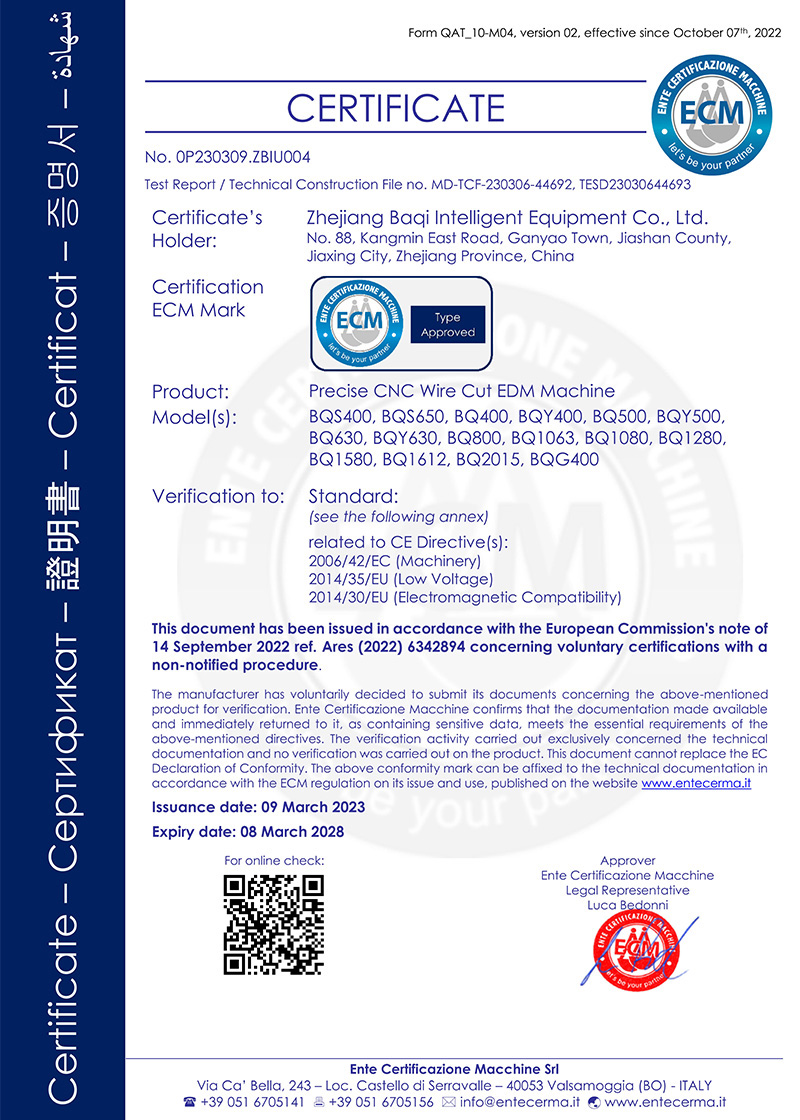
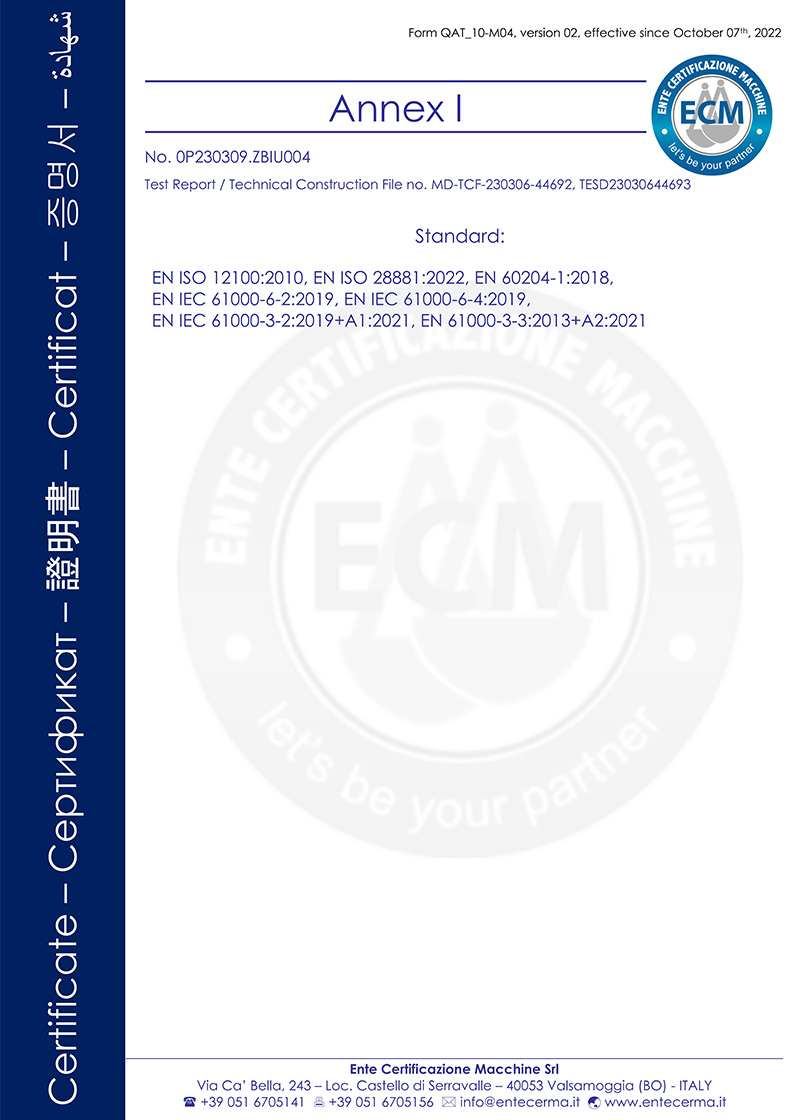
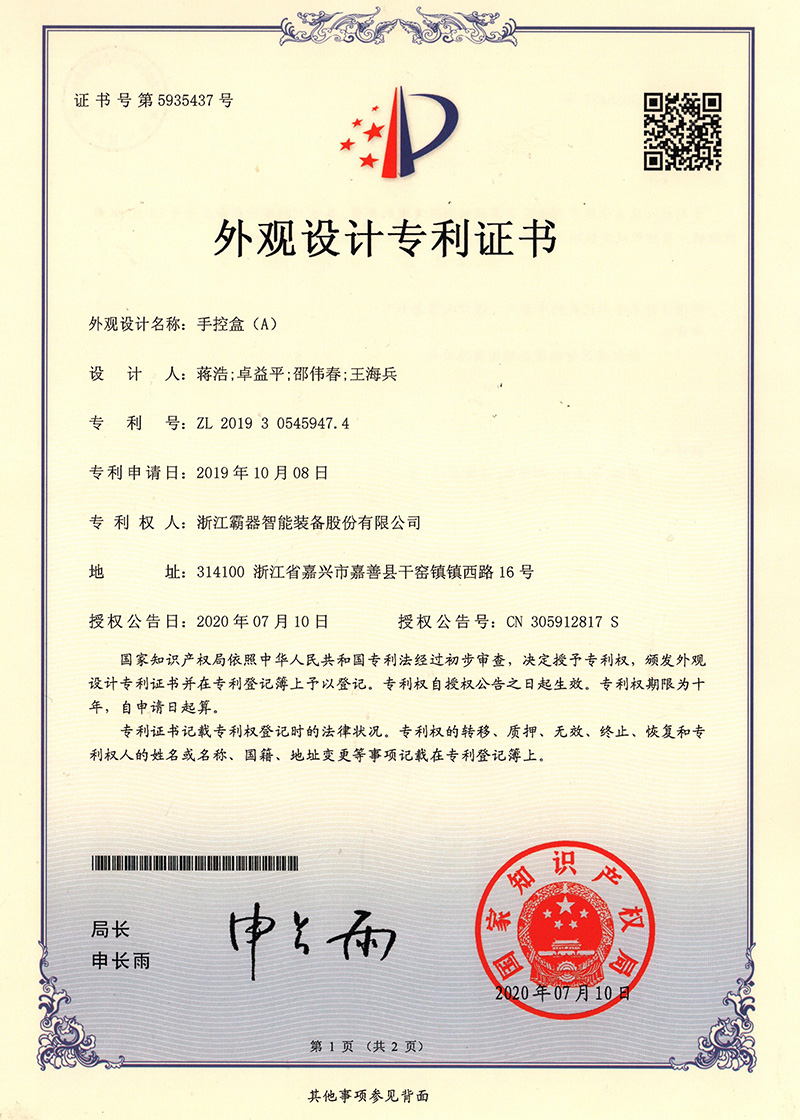
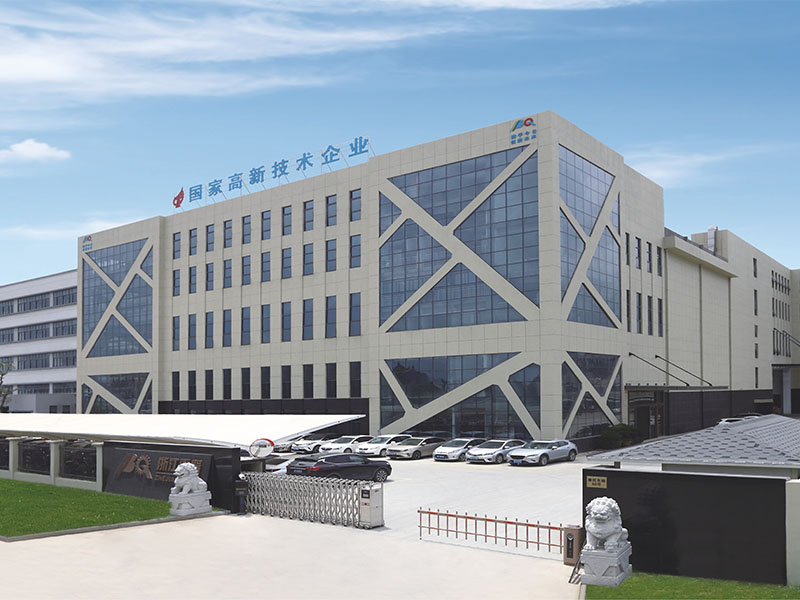
Quality first, customer first, and credit-based. Our certified production facilities guarantee international compliance.
As the automotive sector moves toward 800V architectures and high-rpm motors, winding technology must evolve. Future trends indicate a shift toward even higher insulation requirements to withstand corona discharge and partial discharge phenomena common in high-voltage EV motors. CNC winding machine manufacturers are responding by developing systems capable of handling advanced multi-layered insulated wires (such as PEEK-coated copper wires).
Furthermore, sustainability is driving machine design. Modern CNC systems optimize wire paths to reduce scrap copper ends to near zero. Energy recovery systems inside servo drives capture kinetic energy during deceleration cycles, feeding it back into the factory grid. By reducing energy footprints and raw material waste, manufacturers can achieve both cost savings and carbon neutrality goals.
When selecting a CNC winding system, automotive engineers must evaluate critical parameters such as spindle speed range, wire diameter capacity, positioning accuracy, and the flexibility of the control software. A system that offers user-friendly programming interfaces allows engineers to quickly adapt to new coil designs without extensive downtime, making it a valuable asset in dynamic R&D and high-volume production environments alike.
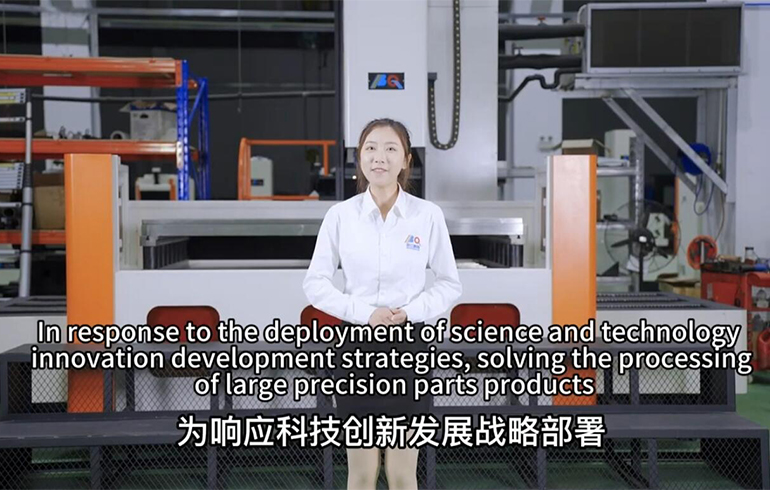
Watch our high-precision CNC winding systems and multi-axis linkage machinery in action, demonstrating advanced manufacturing processes.

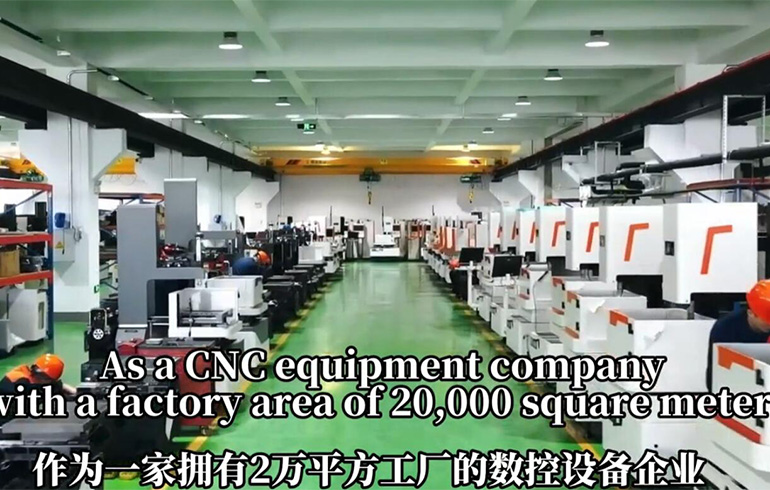
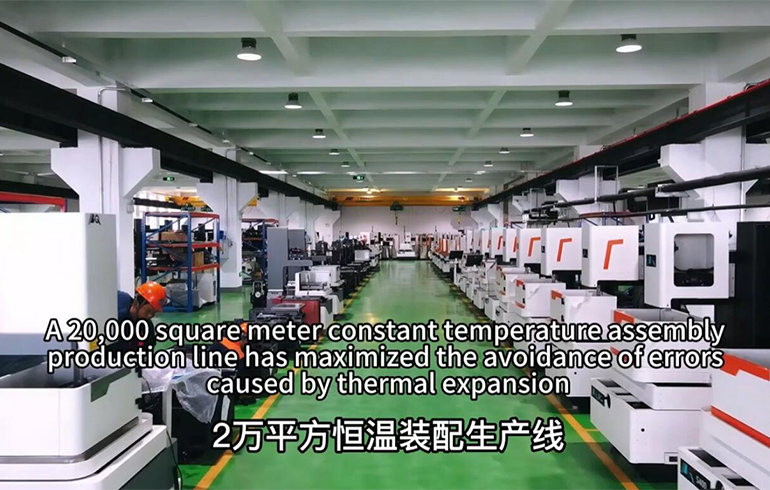
Stay updated with the latest breakthroughs in AI-powered CNC systems, green transformation, and multi-axis linkage controls.
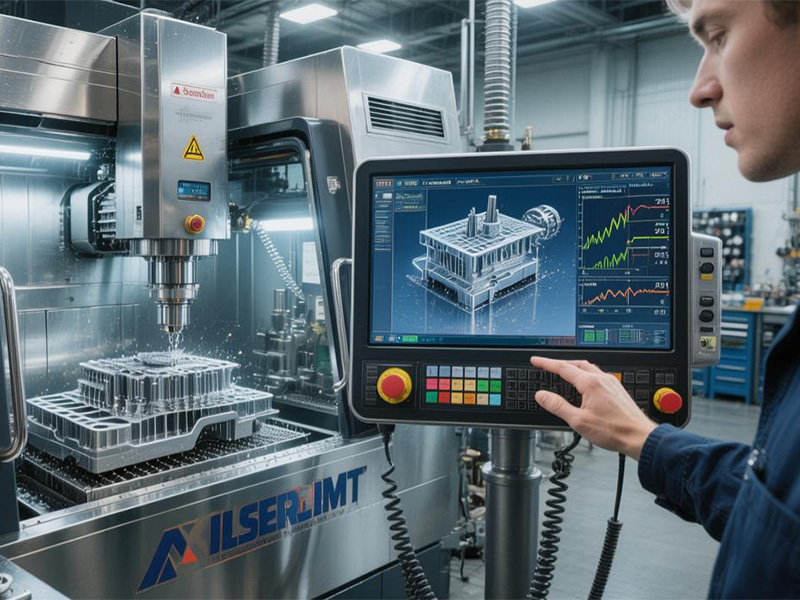
Integrating artificial intelligence into CNC core algorithms allows real-time winding adjustments and zero-defect output.
Read Article
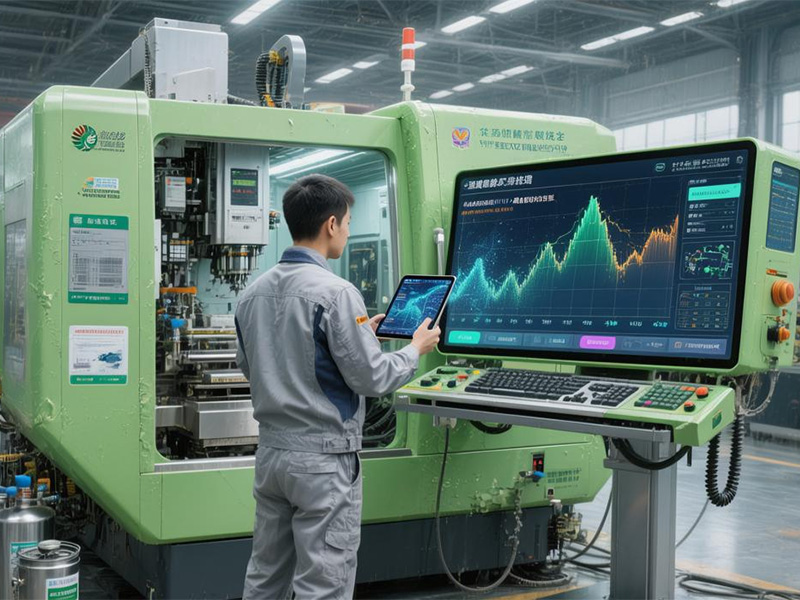
How automotive manufacturing plants are reducing energy footprints using high-efficiency CNC winding solutions.
Read Article
Detailed analysis of how 10-axis and 11-axis sync controls enable complex stator configurations for EV motors.
Read Article
Explore our full line of multi-axis linkage CNC systems engineered for high-precision automotive components.