Leave Your Message
Deploying agile CNC tool carts directly in tandem with precision wire-cut EDM machinery slashes changeover latency and secures micro-level component positioning.
Mold and die manufacturing operates in an uncompromising industrial landscape characterized by sub-micron tolerances, complex geometric surfaces, and high-mix low-volume production schedules.
In high-speed CNC milling, multi-axis machining centers, and 5-axis wire electrical discharge machining (EDM), tooling represents not just an operational consumable, but the critical physical interface determining final surface finish, parting-line integrity, and cavity tolerance. An unorganized tool staging environment introduces significant machine spindle downtime during changeovers, risking catastrophic tool collisions or micro-chipping of expensive solid carbide, PCD, and CBN end mills.
Modern CNC tool carts designed for mold and die applications serve as mobile precision vaults. Engineered to store, mobilize, and protect pre-balanced HSK-A63, BT40, BT50 taper holders, modular shrink-fit chucks, and copper/graphite EDM electrode assemblies, these carts reduce Single-Minute Exchange of Die (SMED) setup durations by up to 45%.
Tool holder tapers must maintain uninterrupted contact with the machine spindle. Specialized molded polymer inserts shield taper tapers from airborne abrasive debris, metal shavings, and mechanical impact.
Color-coded tool cart tiers and designated fixture bays streamline tool accountability, completely eliminating search times for specialized form cutters, EDM molybdenum wire spools, and clamping sets.
Next-generation smart CNC carts integrate RFID scanning and tablet mount hardware, directly feeding tool geometry and offset data into CNC systems, preventing costly operator data-entry errors.
Molds and stamping dies demand massive cutting assemblies, heavy magnetic workholders, and high-density tungsten electrodes requiring industrial-grade chassis strength.
Standard light-duty utility carts buckle and flex under the intense physical demands of die manufacturing floors. Professional CNC tool carts are fabricated from 1.5mm to 2.5mm cold-rolled heavy-gauge structural steel, cold-formed with reinforced interlocking gussets to guarantee static payload capacities surpassing 800 kg (1,760 lbs) to 1,200 kg.
When transporting a full complement of 40 to 60 steep-taper BT50 toolholders, high-density graphite electrode blocks, and precision zero-point clamping plates, an unbalanced load can become hazardous. Premium mold shop carts utilize low center-of-gravity architectural geometry paired with industrial dual-locking swivel polyurethane casters. These casters resist synthetic cutting fluid degradation, prevent marring of epoxy floorings, and offer effortless maneuverability through narrow CNC machine corridors.
Explore how dedicated tool carts streamline each stage of mold production, eliminating cross-contamination, safeguarding micron-level precision, and accelerating cycle execution.
Complex 3D contoured injection mold inserts require rapid tool changes between heavy roughing bull-nose end mills, micro ball cutters (down to 0.2mm diameter), and mirror-finishing ball end mills. Tool carts provide designated trays with protective transparent covers, ensuring small-diameter micro-tools are free from particulate dust contamination and thermal shock before entering high-speed spindles (24,000–40,000 RPM).
Stamping dies require robust D2, DC53, and cemented carbide punches and matrix dies. CNC tool carts optimized for stamping operations incorporate heavy-duty drawer partitions for punch blanks, custom guide pin retainers, and heavy zero-point fixture plates, facilitating instant transition from horizontal machining centers to precision wire EDM cutting zones.
Electrical discharge machining relies heavily on copper and ultra-fine grain graphite electrodes. The slightest contact scratch destroys the spark gap uniformity. Specialized electrode tool carts feature silicone-cushioned ITS / EROWA / System 3R chuck carriers, enabling damage-free transit from 5-axis graphite milling centers to wire-cut EDM machinery and sinker EDMs.
High-taper, multi-linkage wire EDM machines (such as 5-axis and 10-linkage systems) require specialized clamping beams, magnetic leveling chucks, and wire guide accessories. Specialized carts store molybdenum wire spools, deionization resins, and stainless leveling fixtures right at machine side, cutting work setup times by over 50%.
In competitive mold making, profit margins hinge on Spindle Utilization Rates. When an expensive 5-axis machining center or a high-precision wire EDM machine sits idle while the operator walks across the shop to retrieve tool holders, locate pull studs, or search for torque wrenches, overhead costs skyrocket.
By implementing a "Kitting Cart" strategy—where every job's complete tooling package (cutters, holders, preset runout sheets, zero-point fixtures, and EDM wire consumables) is staged on a dedicated CNC tool cart before the previous job finishes—mold shops achieve true Single-Minute Exchange of Die (SMED). This eliminates an average of 22 minutes of machine downtime per setup, adding hundreds of productive machining hours per machine annually.
Our company is sincerely willing to cooperate with enterprises from all over the world to achieve a win-win situation in advanced manufacturing and precision tooling systems.
21
October.2025
21
October.2025

21
October.2025
The world's first AI-powered intelligent CNC system has been released, enabling "self-learning" capabilities. On October 5, 2025, Huazhong CNC and Huazhong University of Science a...
Since 2025, China’s “dual carbon” goals (peak carbon emissions and carbon neutrality) have driven the CNC machine tool industry to transform toward “green and sustainable digital manufacturing...
Baqi Intelligent Equipment Co., Ltd. has developed the world’s first 11-axis, 10-linkage large-taper wire-cut EDM (Electrical Discharge Machining) CNC machine tool. ...
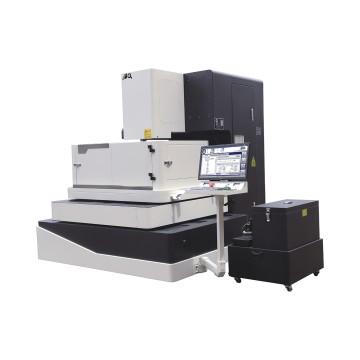
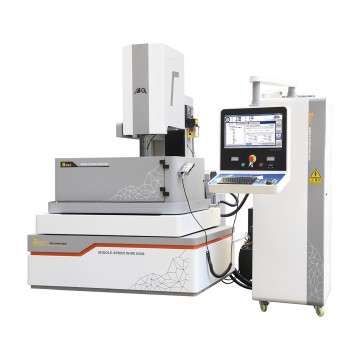
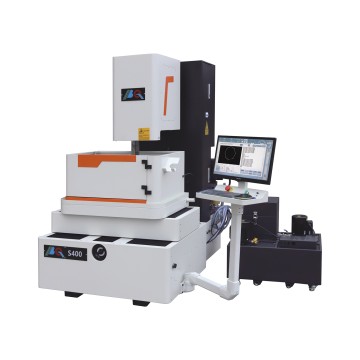
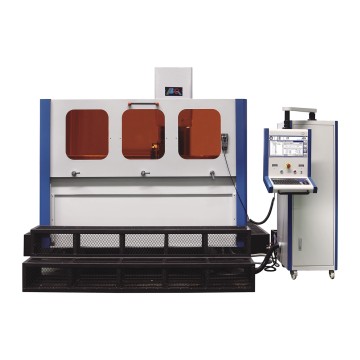
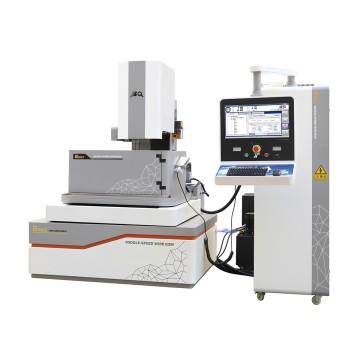
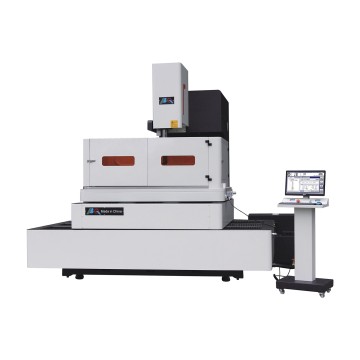
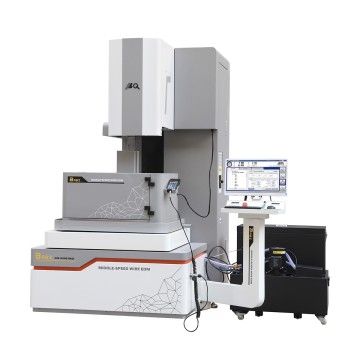
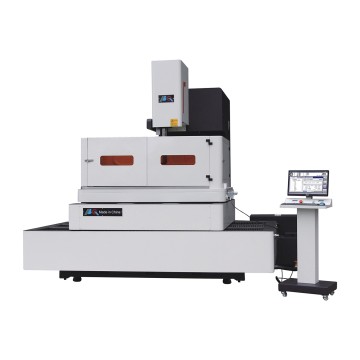
Discover our flagship range of high-efficiency, multi-axis linkage wire cutting EDM machines designed for complex core geometries, high-taper stamping dies, and tight-tolerance tooling.