Leave Your Message
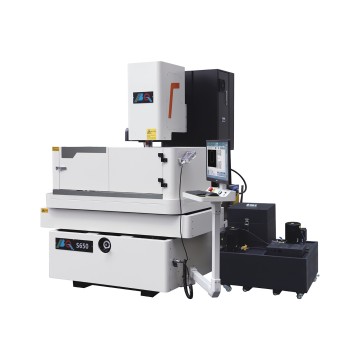
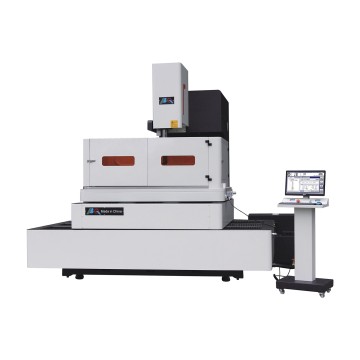
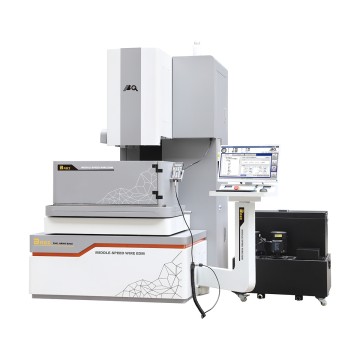
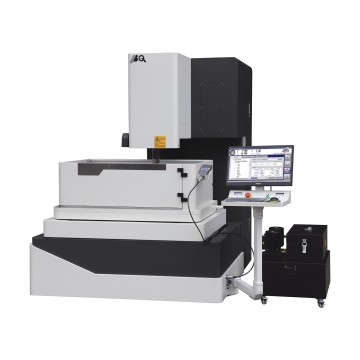
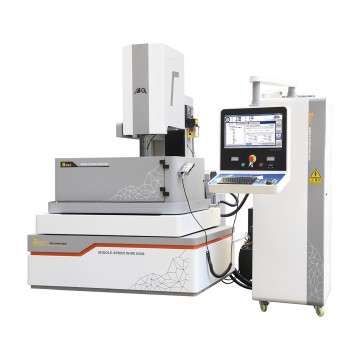
High-precision medium-speed wire cutting EDM machines optimized for complex automotive components and stamping dies.
Automotive engineering has entered an era of unprecedented complexity. As the global industry transitions toward electric vehicles (EVs), autonomous driving systems, and ultra-lightweight structural configurations, manufacturing precision has become the ultimate differentiator. At the heart of this manufacturing revolution lies CNC (Computer Numerical Control) Programming.
CNC programming serves as the digital architect for the physical creation of automotive parts. From engine blocks and transmission gears to complex battery enclosures and injection molds for aerodynamic body panels, CNC programming translates complex 3D CAD designs into precise machine operations. In automotive engineering, where tolerances are measured in microns and production cycles must align with strict market timelines, advanced CNC programming is not just a tool—it is a core strategic asset.
Industrial Insight: Modern automotive manufacturing relies heavily on CAD/CAM integration. This process allows engineers to simulate toolpaths, calculate material removal rates, and perform stress analyses on virtual components before a single piece of metal is cut. This reduction in physical prototyping speeds up time-to-market by up to 40%.
Automotive parts are subjected to extreme dynamic stresses, thermal fluctuations, and long-term wear. To ensure safety and reliability, components must adhere strictly to design parameters. CNC programming ensures this repeatability and accuracy across several key areas:
The automotive industry is characterized by high-volume production combined with strict quality control. To balance these requirements, CNC programming techniques have evolved significantly. Below are the prominent trends shaping the industry today:
Traditional 3-axis machining is increasingly insufficient for modern automotive components. 5-axis linkage CNC programming allows the tool to approach the workpiece from any angle, enabling the machining of complex geometries like impellers, turbine blades, and intricate steering knuckles in a single setup, reducing setup errors and cycle time.
For hard materials and ultra-fine details—such as extrusion dies for aluminum profiles, stamping dies for body panels, and spline gears—CNC Wire Electrical Discharge Machining (EDM) is indispensable. Medium-speed wire cutting provides an optimal balance between surface finish quality and production speed.
Modern CAM software uses artificial intelligence to optimize toolpaths automatically. AI-driven CNC programming helps identify optimal cutting speeds, feeds, and tool orientations, minimizing tool wear, preventing collisions, and reducing cycle times on the shop floor.
The rise of electric vehicles has fundamentally altered the automotive manufacturing landscape. While internal combustion engine (ICE) vehicles contain thousands of moving parts, EVs are simpler in terms of part count but demand highly specialized components. The manufacturing of EV battery trays, rotor shafts, stator housings, and power electronics enclosures relies heavily on CNC programming. For instance, EV battery trays are large aluminum structures that require precise, high-speed milling and drilling to ensure airtight sealing and integration with cooling plates. CNC programmers must optimize toolpaths to prevent warping in these thin-walled, large-format components.
Our company offers a variety of products that can meet your diverse demands. Since the establishment of our company, we have adhered to the management principles of "quality first, customer first, and credit-based." We always strive to satisfy the potential needs of our customers. Moreover, our company is sincerely willing to cooperate with enterprises from all over the world to achieve a win-win situation. We believe that by working together, we can leverage each other's strengths and explore new markets. This is especially important given the current trend of economic globalization, which has been developing with an irresistible force. In this globalized economy, collaboration across borders is becoming increasingly crucial for sustainable growth and success.
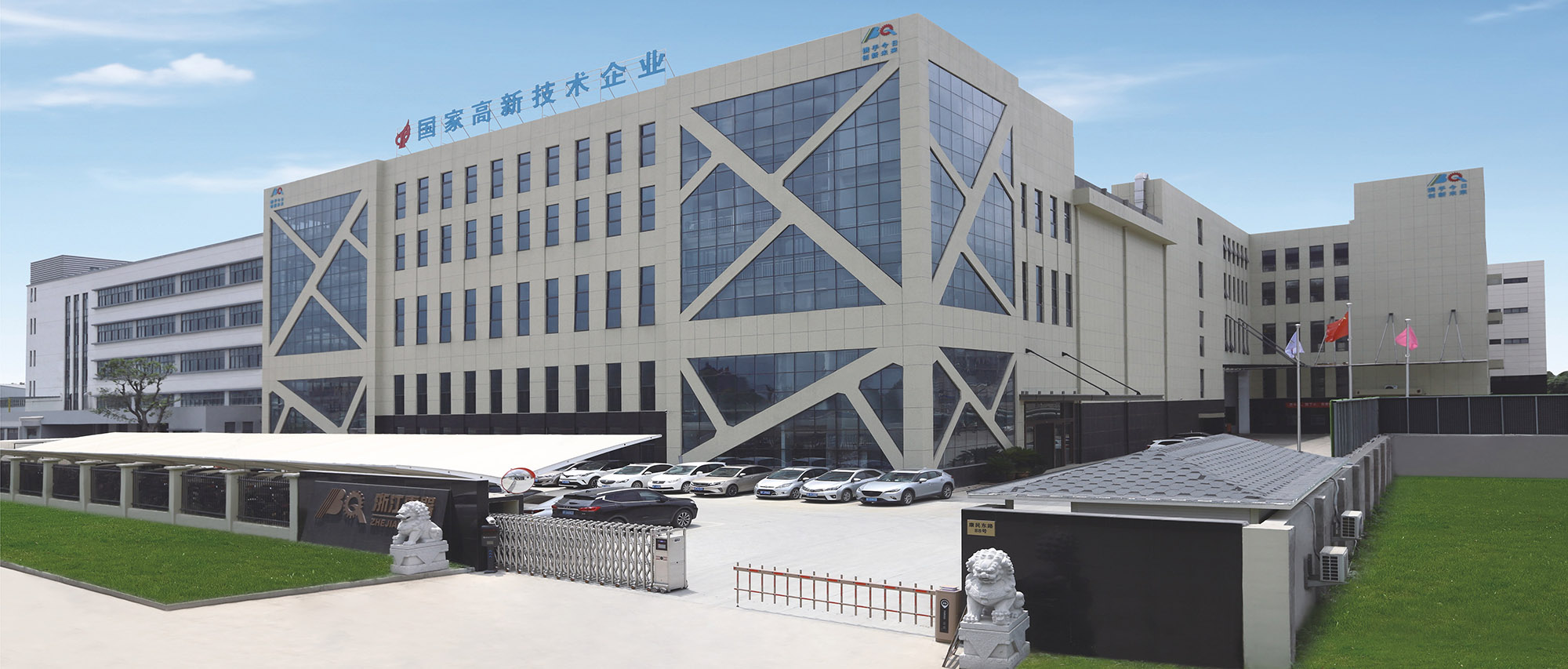
CNC programming is not a one-size-fits-all discipline. Different areas of automotive manufacturing demand specialized programming approaches, machine configurations, and tooling. Let's look at the primary applications:
Car body panels, hoods, doors, and structural pillars are produced using massive stamping dies. These dies are made from hardened tool steels that are difficult to machine. CNC programmers use advanced toolpath strategies, such as trochoidal milling and high-feed milling, to rough out the die blocks. For the finishing stages, CNC Wire EDM (Electrical Discharge Machining) is utilized to cut precise die openings, ejector pin holes, and sharp internal corners that traditional milling cutters cannot reach. This ensures that the stamping dies produce body panels with perfect surface quality and tight tolerances.
Although the market share of EVs is growing, internal combustion engines and hybrid drivetrains remain highly complex systems. Machining engine cylinder heads, engine blocks, and pistons requires multi-axis CNC programming. The paths must be optimized for speed to meet cycle time targets in high-volume automotive plants. Specialized toolpaths are written to ensure that the combustion chambers, valve seats, and cylinder bores are perfectly concentric and smooth to maximize thermal efficiency and reduce emissions.
EV components present unique manufacturing challenges. The rotor shaft of an electric motor must rotate at speeds exceeding 15,000 RPM, requiring precise balancing and machining tolerances. The aluminum stator housing, which contains the motor windings, features integrated cooling channels. CNC programming plays a critical role in machining these thin-walled, complex cooling jackets without causing structural deformation or leaking points.
Case Study: By implementing 5-axis linkage CNC wire cutting for EV motor extrusion dies, manufacturers have reduced the die lead time by 35% while improving the surface finish to Ra 0.8 μm, eliminating the need for manual polishing.
In motorsport (such as Formula 1) and high-end supercar manufacturing, custom parts are frequently required. CNC programming allows engineers to quickly adapt designs and machine custom suspension arms, engine brackets, and aerodynamic splitters directly from billet aluminum or carbon fiber composites, enabling rapid design iterations and trackside adjustments.
Forging global partnerships and driving the future of intelligent manufacturing through trust and shared excellence.
Our open attitude towards international cooperation reflects our commitment to staying competitive and responsive to the changing market dynamics. We are confident that by joining forces, we can create mutual benefits and share the rewards of our combined efforts. With our shared vision and dedication, we can overcome challenges and capture new opportunities in the ever-evolving business landscape.

Looking ahead, we aim not only to grow together but to redefine what collaboration can achieve. By nurturing these partnerships, we are not just securing our place in today’s market—we are planting seeds for tomorrow’s leadership. Together, we will shape industries, elevate standards, and prove that when ambition meets partnership, the possibilities are boundless. This is how we stay resilient, relevant, and truly global—for our stakeholders, our communities, and the world at large.
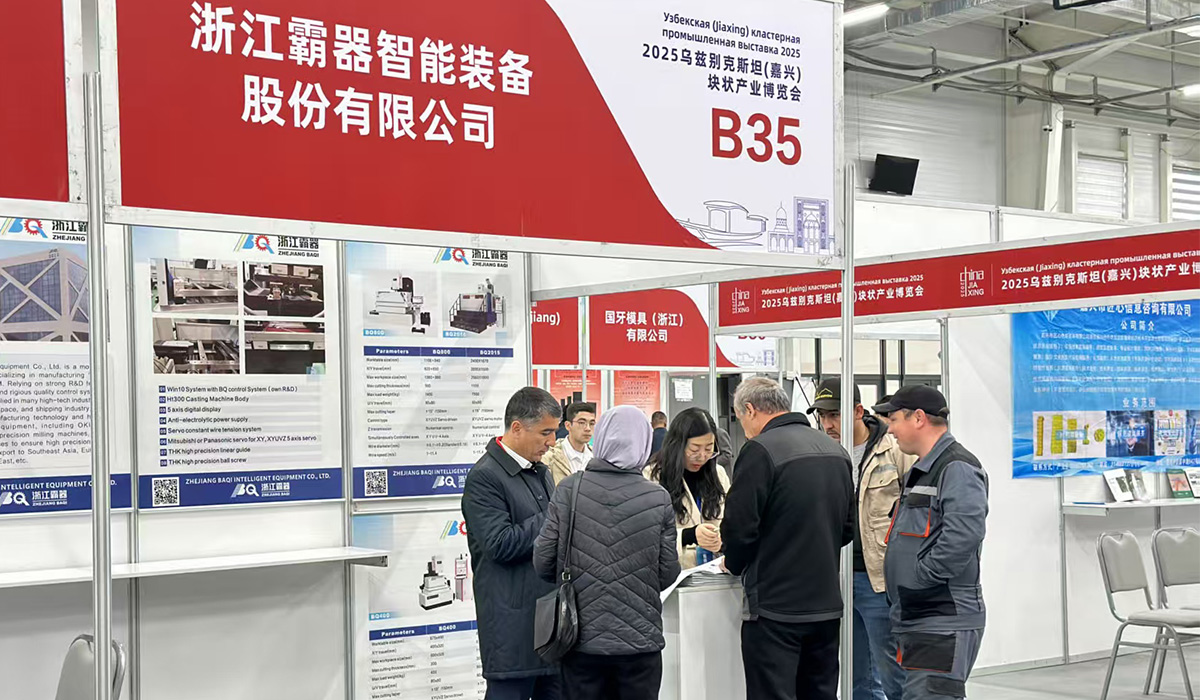
We look forward to building strong and lasting relationships with our global partners, based on trust, respect, and a shared commitment to excellence. Together, we can strive to set new standards in our respective industries and make a positive impact on the global market. Let us embark on this journey of collaboration and innovation, paving the way for a brighter and more prosperous future for all.
Electrical Discharge Machining (EDM) is a critical subtractive manufacturing technology in automotive tooling. While milling and turning are excellent for bulk material removal, CNC Wire EDM excels in machining extremely hard materials and achieving intricate, high-precision geometry. In the production of automotive dies and molds, wire EDM is the preferred method for cutting fine slots, sharp internal radii, and complex profiles.
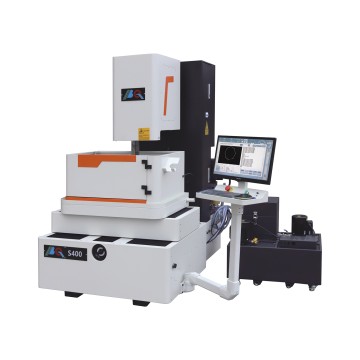
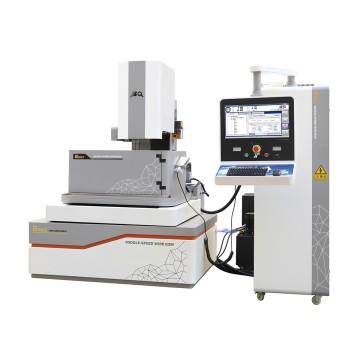
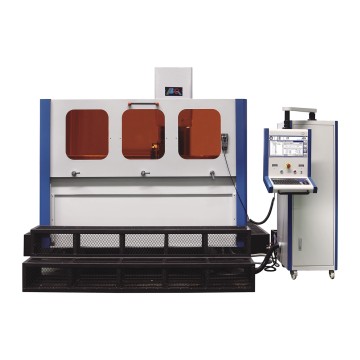
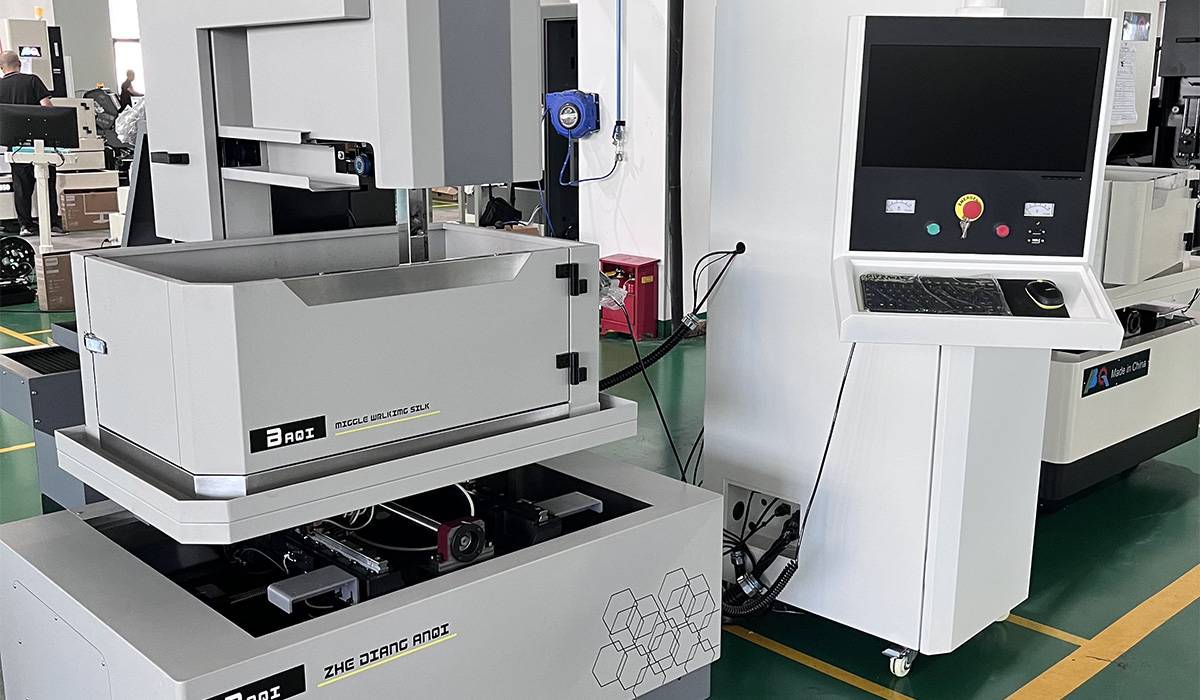
Baqi Intelligent Equipment’s medium-speed CNC wire cutting machines are designed to meet these automotive standards. Featuring multi-axis linkage control, these machines allow programmers to execute precise, tapered cuts and complex 3D profiles. The use of molybdenum wire combined with advanced pulse generators ensures high cutting efficiency, reduced wire wear, and excellent surface finish. This technology is particularly beneficial for cutting extrusion dies used to produce automotive aluminum structural beams, bumper reinforcements, and roof rails.
To achieve the best results on the shop floor, CNC programmers must pay close attention to several parameters when generating G-code for wire cutting EDM machines:
Explore our full range of high-efficiency and high-precision medium-speed wire cutting EDM machines engineered for automotive tooling.