Leave Your Message
Engineered specifically to fulfill rigorous automotive tolerances, complex progressive dies, high-taper geometries, and electric vehicle powertrain toolmaker specifications.
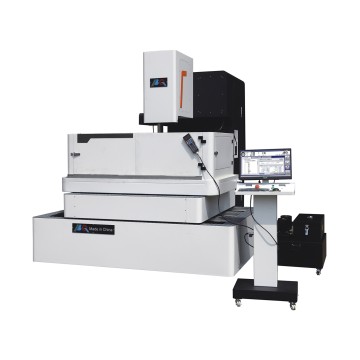
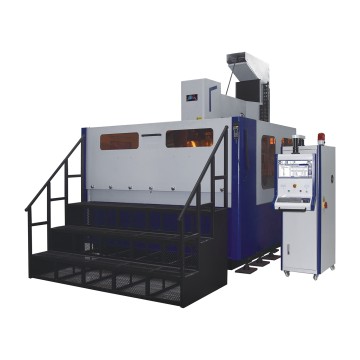
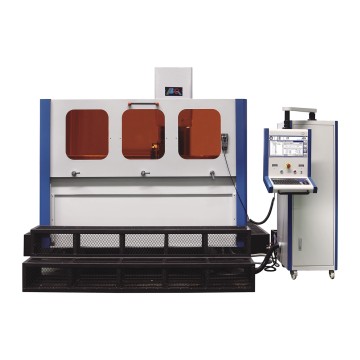
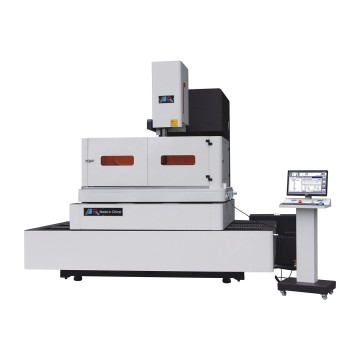
The global automotive sector is navigating its most transformative inflection point since the inception of the assembly line. Driven by electrification, carbon neutrality targets, advanced driver-assistance systems (ADAS), and consumer demand for high-durability vehicles, the CNC market for automotive engineering has transitioned from conventional mass-subtractive cutting to ultra-precision, multi-axis, and non-contact micro-machining ecosystems. Modern automotive engineering relies on Computer Numerical Control (CNC) equipment—spanning milling centers, lathe turning systems, multi-axis machining centers, and Wire Electrical Discharge Machining (EDM)—to execute components within single-micron tolerances.
As Tier-1 automotive suppliers and Original Equipment Manufacturers (OEMs) adapt to accelerated model life cycles, tool-and-die shops are experiencing immense demand for rapid retooling capabilities. The CNC market within automotive production has experienced robust growth, climbing toward a multi-billion-dollar valuation globally. This market expansion is primarily catalyzed by the simultaneous existence of legacy internal combustion engine (ICE) maintenance requirements, hybrid powertrain complexities, and the explosive proliferation of battery electric vehicle (BEV) architectures. Each powertrain variation imposes unique structural, thermal, and tribological criteria upon machine tools.
Shift from cast iron blocks to thin-walled aluminum battery enclosures, stator hairpins, and silicon-steel lamination core punch dies demanding ultra-tight clearance.
Extensive integration of 6000/7000-series structural aluminum, magnesium alloys, and high-strength steels that necessitate rigid chatter-free machine kinematics.
Non-contact spark erosion wire cutting replaces mechanical milling for ultra-hardened progressive punch tools, carbide drawing dies, and injection tooling without tool deflection.
Historically, the CNC market for automotive engineering was anchored by internal combustion powertrains: boring engine cylinder blocks, turning crankshafts and camshafts, and machining complex intake valves. While these components demand exceptional surface finishes and dimensional reliability, electric powertrains present a distinct set of manufacturing criteria. BEVs eliminate engine blocks and multi-speed manual transmissions, but introduce sophisticated electric drive motors (e-axles), single-speed planetary gear reductions, high-voltage battery enclosures, and inverter power modules.
In electric motor manufacturing, performance hinges on magnetic flux efficiency. The rotor and stator cores are comprised of hundreds of insulated silicon electrical steel laminations, often stamped at speeds surpassing 300 to 500 strokes per minute. The stamping dies that produce these laminations must possess edge tolerances within ±0.002 mm with zero burr formation, because even minute burrs cause short circuits and eddy current losses that degrade motor range. Here, multi-axis CNC wire cutting EDM systems serve as the core manufacturing asset. Their non-contact spark erosion avoids mechanical deformation, enabling toolmakers to fabricate hardened carbide punches and die plates with optical surface finishes (Ra < 0.4 µm) without inducing residual thermal cracking.
Automotive body panels, structural pillars (A-pillar, B-pillar reinforcements), and chassis crossmembers are pressed using multi-stage progressive stamping dies manufactured from hardened tool steels such as D2, SKD11, and Cr12MoV. Traditional milling of these alloys after heat treatment induces extreme cutter wear, tool deflection, and micro-chatter marks.
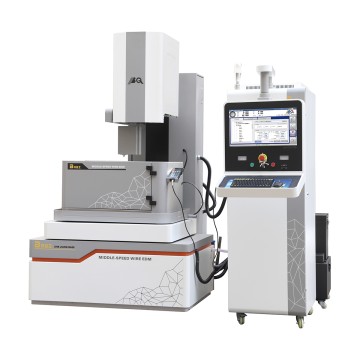
Medium-speed and high-precision CNC wire cutting EDM machines provide the essential resolution to cut complex internal contours, relief angles, and punch guide apertures in hardened blocks up to 500 mm thick. Utilizing high-frequency oscillating discharge circuits, current generation EDM units maintain stable wire tension and adaptive flushing, guaranteeing that taper angles across the vertical profile do not deviate under hydrostatic fluid backpressure.
"In progressive die fabrication for automotive electronic terminals and sensor clips, punch-to-die clearances frequently dip below 5% of material thickness—translating to clearance bands under 3 microns. High-precision 5-axis and 10-axis linkage wire EDM systems remain the primary technology capable of delivering this repeatability sustainably across long production cycles."
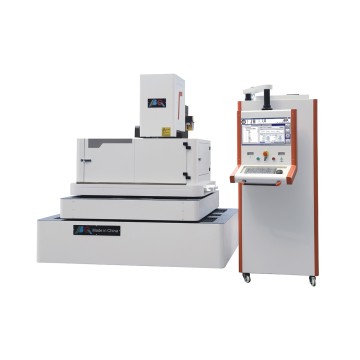
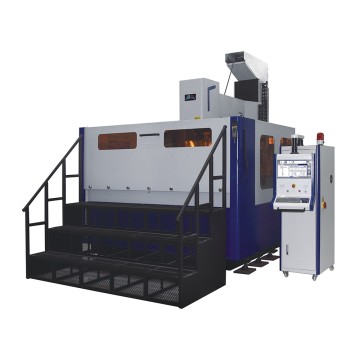
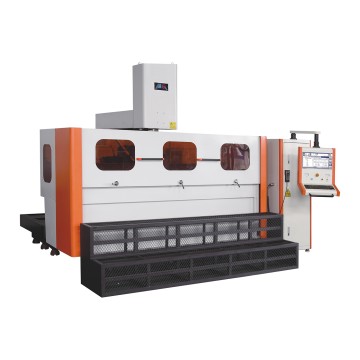
With the advent of integrated megacasting for front and rear underbody assemblies, aluminum extrusion dies have grown exponentially in size. Toolmakers utilize large-travel CNC wire cut systems (such as the BQ2015 and BQ2012 series) to contour massive die plates, structural bridge cores, and runner blocks with sustained positional accuracy across multi-meter traverses.
Autonomous driving architectures necessitate an array of radar brackets, camera housings, LiDAR mirrors, and ultrasonic sensor mounts. These enclosures require tight sealing grooves, micro-milled o-ring channels, and EMI shielding surfaces manufactured in lightweight polymers, magnesium, and aluminum alloys.
Concurrently, precision fuel injection nozzles for ultra-efficient hybrid engines demand micro-hole EDM drilling and wire cutting with hole diameters under 100 microns. Medium-speed CNC wire EDM systems deliver the requisite thermal stability, closed-loop servo feed, and real-time gap monitoring to prevent micro-cracking and recast layer buildup on high-pressure common rail components.
As automotive aerodynamic contours become more organic and duct geometries turn non-linear, toolmakers are pushed beyond planar three-axis machining. Five-axis linkage wire EDM machines have become standard for executing taper cuts, angular draft clearances, and compound injection mold slides. By orchestrating synchronized motion across X, Y, U, V, and Z axes, toolmakers can cut draft angles of ±15° to ±30° without modifying the wire guide setup.
For advanced aerospace-automotive crossover parts—such as variable-geometry turbocharger nozzle rings, steering column universal joint splines, and helical steering racks—10-axis linkage systems (such as the Baqi BQ1063DYB and BQ1280DYB Big Swing platforms) unlock entirely new geometric freedom. By incorporating multi-axis rotary tables, indexable tilt heads, and multi-dimensional swing fixtures, these systems permit single-setup profiling of convoluted parts that previously required three separate manual setups on traditional equipment, cutting cumulative setup errors to zero.
The contemporary CNC market for automotive engineering is being radically altered by artificial intelligence, smart sensor integration, and industrial Internet of Things (IIoT) protocols. Modern machining is no longer defined merely by spindle torque or cutting speed; it is driven by data density, in-process metrology, and predictive compensation.
Adaptive spark gap sensing automatically alters pulse duration, high-frequency voltage, and servo feed rates in response to localized dielectric conductivity fluctuations, preventing wire breakage.
Sensors embedded throughout machine casting beds compensate in real time for ambient thermal drift and dielectric temperature rises, preserving ±0.003 mm precision over 72-hour continuous cuts.
Low-loss high-frequency generators, long-life molybdenum wire spooling systems, and closed-circuit filtration minimize consumable overhead and electric power usage across automotive factories.
Automotive tier suppliers face continuous cost reduction pressures (annual productivity givebacks). Consequently, unmanned operations—often referred to as "lights-out manufacturing"—have expanded from simple pallet-changing mills into wire EDM cells. Modern medium-speed CNC wire cut installations feature automatic wire re-threading (AWT), integrated linear workpiece magazines, robotic part loading arms, and automated optical measurement probes.
When an operator sets up a sequence of transmission valve spools or stamping inserts, the CNC controller can operate through weekend shifts without human intervention. The controller logs discharge wave metrics, verifies spark gap consistency, and notifies factory supervision via IIoT communication protocols if dielectric conductivity or wire tension reaches warning thresholds. This transition fundamentally reduces cost-per-part while safeguarding the reproducible quality required by stringent ISO/TS 16949 automotive standards.
Our company offers a variety of products that can meet your diverse demands. Since the establishment of our company, we have adhered to the management principles of "quality first, customer first, and credit-based." We always strive to satisfy the potential needs of our customers. Moreover, our company is sincerely willing to cooperate with enterprises from all over the world to achieve a win-win situation. We believe that by working together, we can leverage each other's strengths and explore new markets. This is especially important given the current trend of economic globalization, which has been developing with an irresistible force. In this globalized economy, collaboration across borders is becoming increasingly crucial for sustainable growth and success.


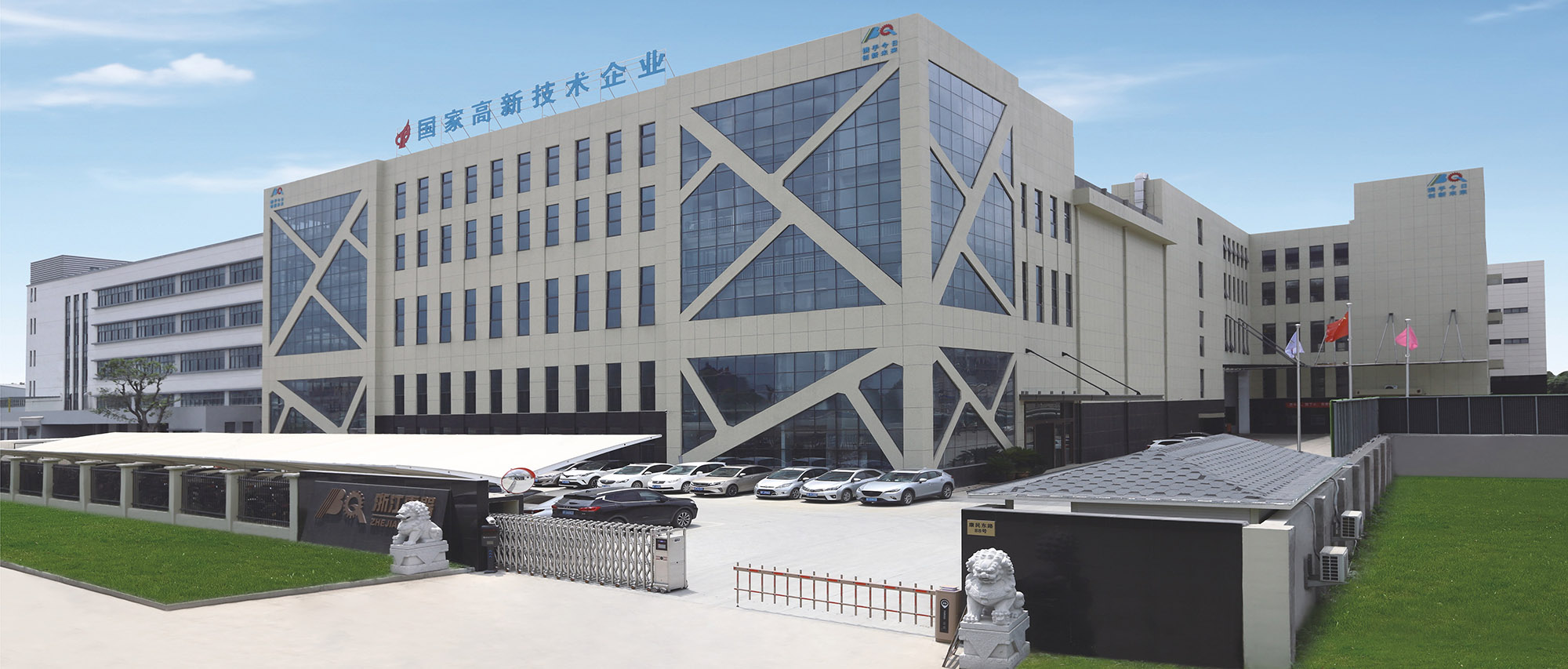
Pioneering precision manufacturing equipment through international technical synergy, long-term integrity, and sustained engineering excellence.
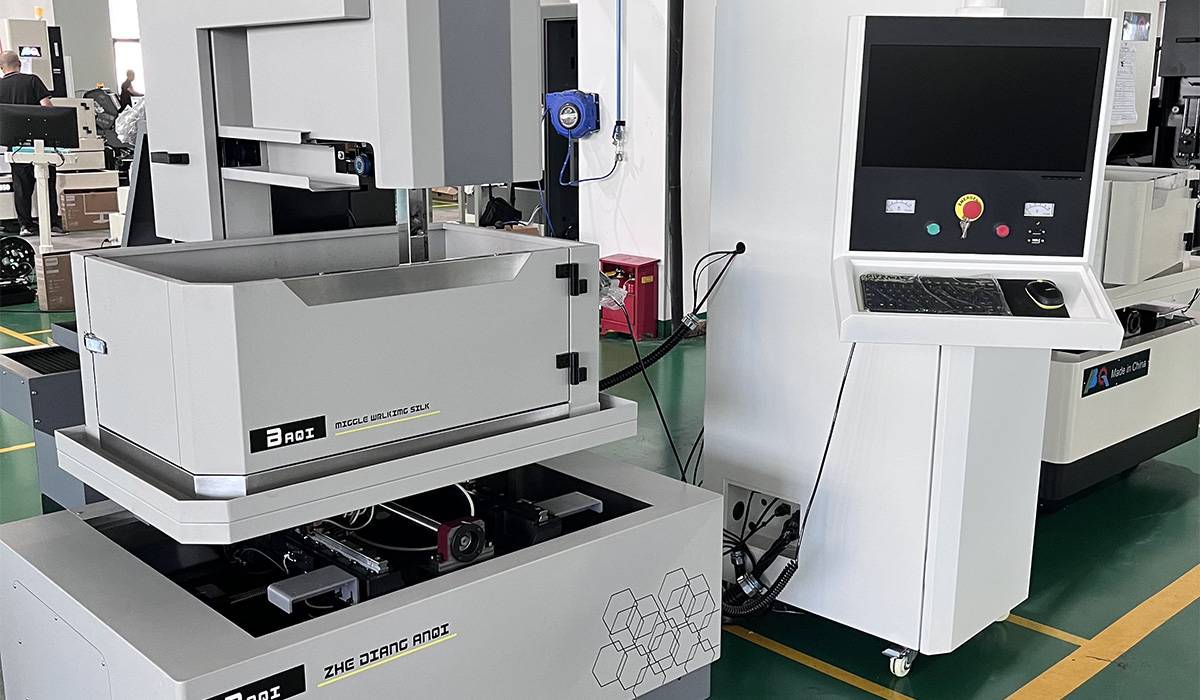
Our open attitude towards international cooperation reflects our commitment to staying competitive and responsive to the changing market dynamics. We are confident that by joining forces, we can create mutual benefits and share the rewards of our combined efforts. With our shared vision and dedication, we can overcome challenges and capture new opportunities in the ever-evolving business landscape.

Looking ahead, we aim not only to grow together but to redefine what collaboration can achieve. By nurturing these partnerships, we are not just securing our place in today's market—we are planting seeds for tomorrow's leadership. Together, we will shape industries, elevate standards, and prove that when ambition meets partnership, the possibilities are boundless. This is how we stay resilient, relevant, and truly global—for our stakeholders, our communities, and the world at large.
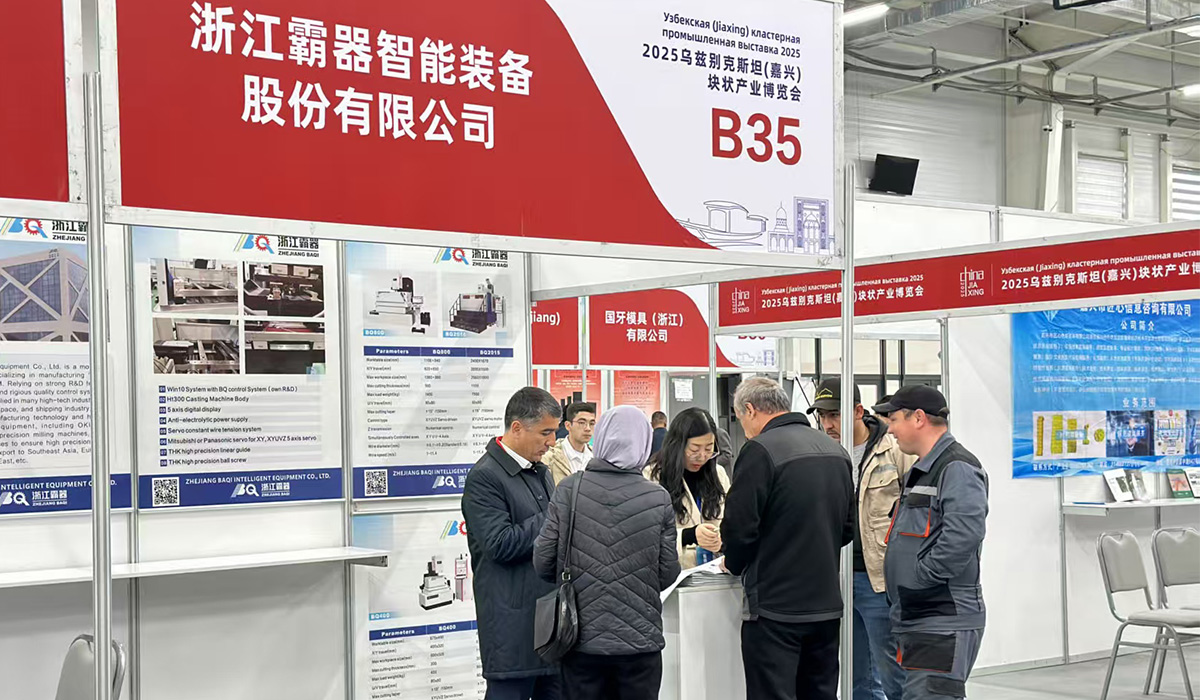
We look forward to building strong and lasting relationships with our global partners, based on trust, respect, and a shared commitment to excellence. Together, we can strive to set new standards in our respective industries and make a positive impact on the global market. Let us embark on this journey of collaboration and innovation, paving the way for a brighter and more prosperous future for all.
Explore our full fleet of 5-axis and 10-axis medium-speed wire EDM platforms engineered for demanding automotive tooling, powertrain manufacturing, and high-precision tier fabrication.