Leave Your Message
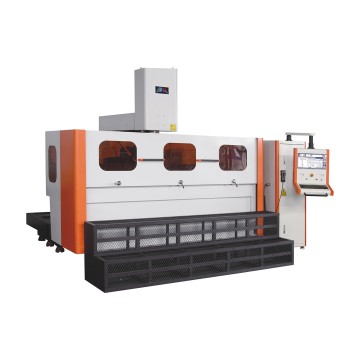
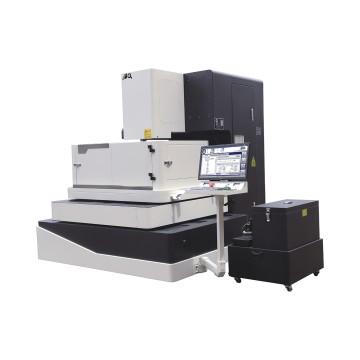
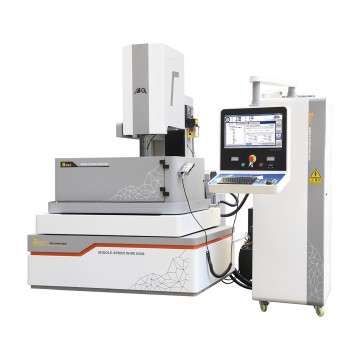
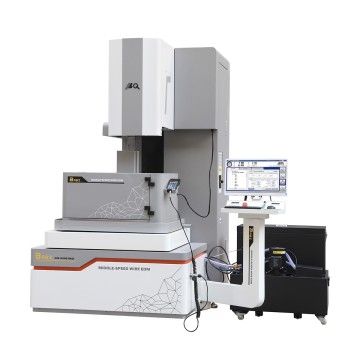
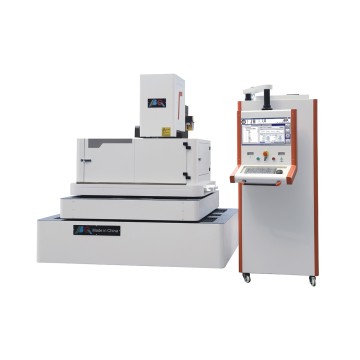
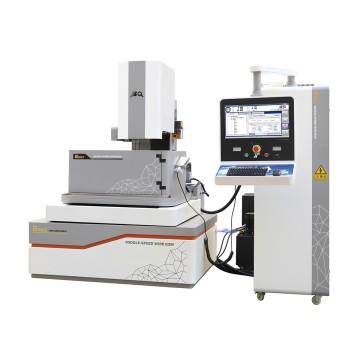
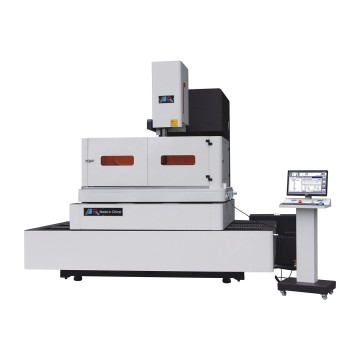
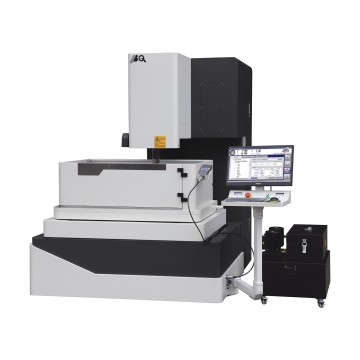
Our flagship medium-speed CNC wire cutting EDM machines deliver micron-level precision for demanding mold & die manufacturing applications.
The global mold & die manufacturing sector is undergoing rapid transformation, driven by the convergence of CNC precision machining, AI-enabled control systems, and smart factory integration.
The mold and die manufacturing industry stands as one of the most critical pillars of modern industrial production. From automotive body panels and aerospace structural components to consumer electronics housings and medical device enclosures, virtually every precision-manufactured product relies on high-quality molds and dies. CNC machine devices — particularly CNC Wire Cutting EDM (Electrical Discharge Machining) systems — have become the backbone of this sector, enabling manufacturers to achieve tolerances and surface finishes that were simply unattainable with conventional cutting methods.
In commercial terms, the global mold & die market surpassed USD 42 billion in 2024 and is projected to grow at a compound annual growth rate (CAGR) of approximately 6.8% through 2030. Asia-Pacific dominates production volume, with China, Japan, South Korea, and Taiwan collectively accounting for over 55% of global output. Europe and North America, while producing lower volumes, command premium pricing due to their focus on ultra-high-precision tooling for aerospace, medical, and defense applications.
Within this landscape, CNC EDM wire cutting machines occupy a uniquely valuable position. Unlike milling or turning operations, wire EDM removes material through controlled electrical discharges rather than mechanical contact — making it ideal for hardened steels, carbides, and exotic alloys that would otherwise be extremely difficult or impossible to machine. This capability is indispensable in mold & die manufacturing, where final components are often heat-treated to extreme hardness before their final dimensional finishing.
The selection of CNC wire cutting EDM as the preferred machining technology for mold & die work is not accidental. Several fundamental advantages drive its widespread adoption:
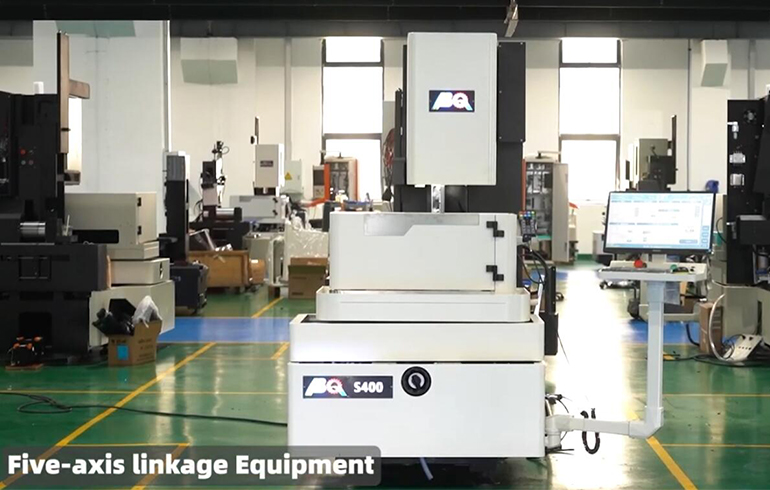
Baqi's 5-axis and 10-axis linkage CNC EDM machines enable simultaneous multi-directional wire movement, allowing manufacturers to cut complex tapered cavities, helical shapes, and intricate die profiles in a single operation — dramatically reducing setup time, improving accuracy, and lowering the total cost of mold production.
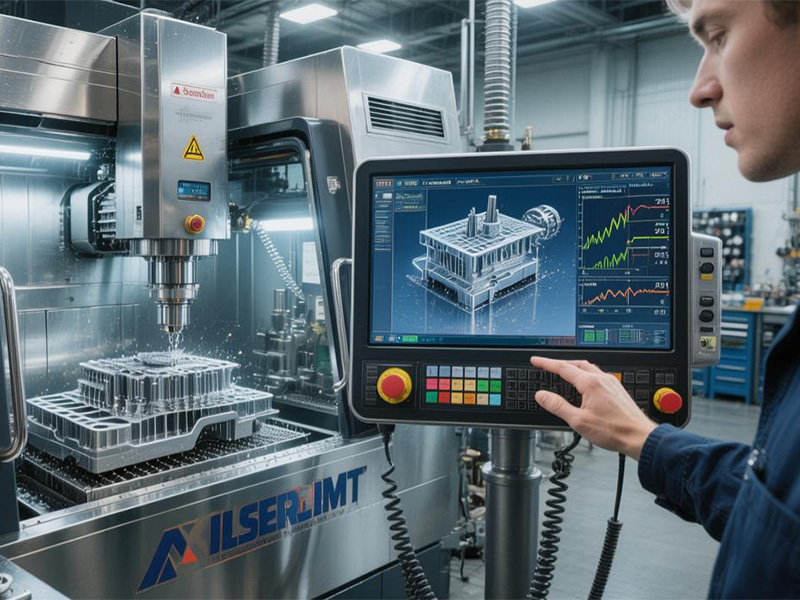
Engineered for the most demanding mold & die applications, our CNC wire cutting EDM machines integrate cutting-edge mechanical design with intelligent digital control.
Precision diamond wire guides combined with closed-loop servo control deliver positioning accuracy of ±0.001mm, ensuring consistent dimensional quality across long production runs for injection molds and stamping dies.
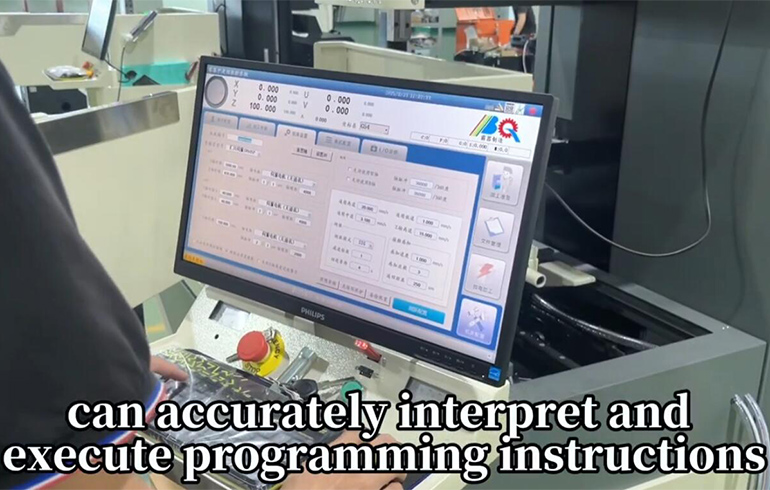
Our proprietary control software features AI-assisted parameter optimization, real-time adaptive cutting control, and automatic corner compensation — reducing operator dependency and improving first-part accuracy.
Simultaneous multi-axis movement enables the machining of complex taper angles up to 45° and intricate 3D wire paths, making it possible to produce compound-angle die components and large-swing structural mold parts.
Advanced pulse power technology delivers stable discharge energy with minimal electrode wire consumption, achieving cutting speeds up to 180mm²/min while maintaining Ra ≤ 0.8μm surface finish.
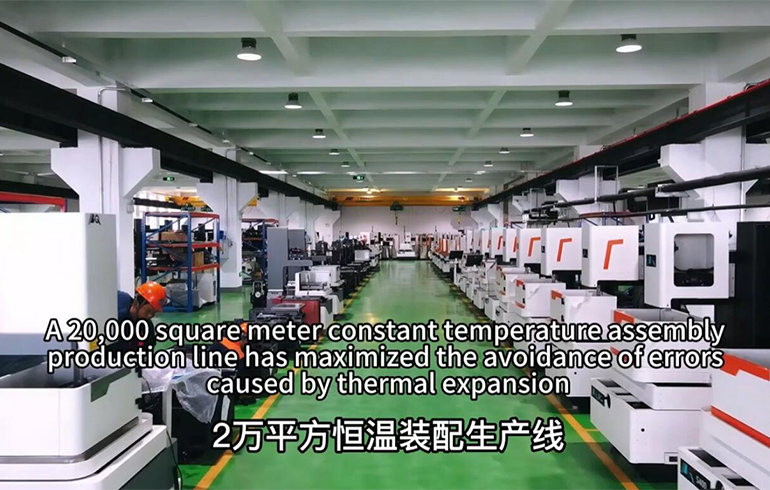
The integrated cast iron base design eliminates assembly joint errors, providing superior rigidity and thermal stability — essential for maintaining accuracy during extended production cycles in temperature-variable shop environments.
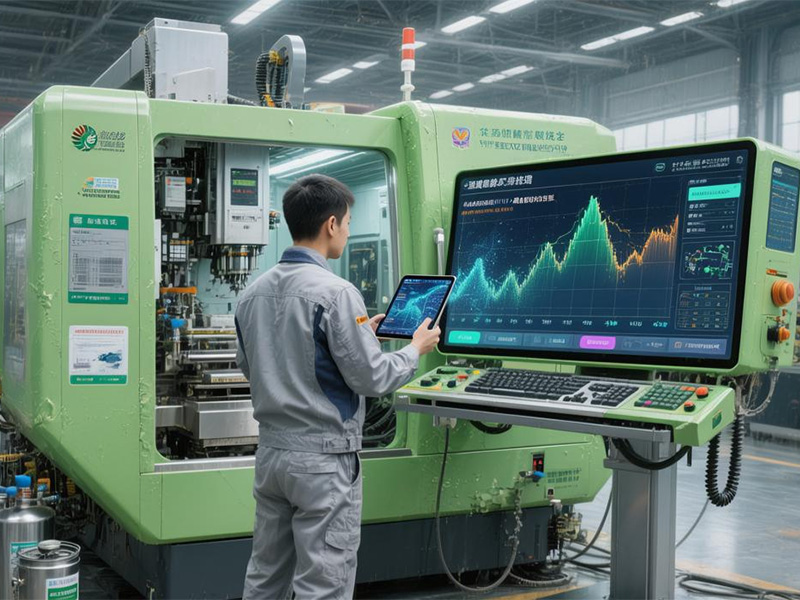
Built-in network connectivity supports remote machine status monitoring, predictive maintenance alerts, and production data logging — enabling seamless integration into Industry 4.0 smart manufacturing ecosystems.
CNC wire cutting EDM machines serve as indispensable tools across a wide spectrum of mold & die manufacturing scenarios — from mass-production stamping tooling to one-of-a-kind precision aerospace components.
High-volume automotive body panel stamping requires dies with extreme dimensional consistency and wear resistance. CNC EDM machines produce hardened D2 and SKD11 tool steel dies with complex profiles, ensuring millions of consistent stampings without dimensional drift. Applications include door panel dies, seat bracket tooling, and chassis forming molds.
Consumer electronics enclosures, connector housings, and micro-component molds demand surface finishes below Ra 0.4μm and tolerances within ±0.002mm. Multi-pass CNC EDM wire cutting achieves these specifications on P20, S136, and NAK80 mold steels, enabling the production of Class-A surface molds for smartphones, laptops, and wearable devices.
Aerospace tooling requirements are among the most stringent in manufacturing. CNC EDM machines cut complex profiles in nickel superalloys, titanium, and hardened stainless steels for turbine blade dies, structural forming tools, and composite layup molds. The non-contact nature of EDM eliminates residual stress, critical for fatigue-sensitive aerospace components.
Medical-grade injection molds for surgical instruments, implant components, and diagnostic device housings require biocompatible steel processing and mirror-quality surfaces. CNC EDM delivers contamination-free machining of 316L stainless, titanium alloys, and medical-grade plastics molds with full traceability and ISO 13485-compatible quality documentation.
Wind turbine component forging dies, solar panel frame extrusion tooling, and oil & gas valve seat dies all benefit from CNC EDM's ability to machine H13, H21, and other hot-work tool steels with complex internal profiles. Large-swing EDM models handle oversized die blocks required for energy infrastructure components.
Carbide cutting inserts, drill bit blanks, and precision hardware components are produced using EDM wire cutting for their intricate chip-breaking geometries and tight tolerance profiles. CNC EDM machines cut tungsten carbide and CBN materials that are impossible to process with conventional machining, enabling cost-effective production of high-performance cutting tools.
The CNC EDM industry is evolving rapidly. Understanding these trends helps manufacturers make forward-looking investment decisions in their mold & die production capabilities.
The next generation of CNC EDM control systems incorporates machine learning algorithms that continuously optimize cutting parameters based on real-time discharge data, workpiece material feedback, and historical performance databases. This enables autonomous parameter adjustment, dramatically reducing skilled operator requirements while improving cutting consistency and reducing wire breakage rates by up to 40%.
Modern CNC EDM machines are increasingly designed as connected nodes within smart manufacturing ecosystems. OPC-UA protocol support, MES/ERP integration, digital twin simulation, and cloud-based production analytics allow mold shops to achieve real-time visibility across their entire production floor, enabling predictive maintenance and just-in-time tooling delivery.
Environmental regulations and sustainability goals are driving the development of energy-efficient EDM power generators, water-based dielectric fluid systems that replace oil-based fluids, and closed-loop filtration systems that minimize waste. Next-generation machines achieve 25-35% lower energy consumption per unit of material removed compared to machines from five years ago.
The trend toward hybrid machining platforms — combining EDM wire cutting with high-speed milling, laser texturing, or additive manufacturing in a single machine — is gaining momentum. These multi-process systems reduce part handling, eliminate fixture errors between operations, and compress total mold production lead times by 30-50% for complex tooling projects.
As miniaturization continues across electronics, medical devices, and micro-optics, the demand for micro-EDM capabilities is surging. Advanced wire EDM systems now achieve positional accuracy below 0.0005mm, enabling the production of micro-molds for MEMS components, micro-fluidic chips, and ultra-fine pitch connector tooling with feature sizes below 50 microns.
Automated wire threading systems, robotic workpiece loading/unloading, and multi-pallet automatic changeover systems are enabling true lights-out EDM operations. Leading mold manufacturers report machine utilization rates exceeding 90% with automated EDM cells running unattended for 16+ hours per day, fundamentally transforming the economics of precision tooling production.
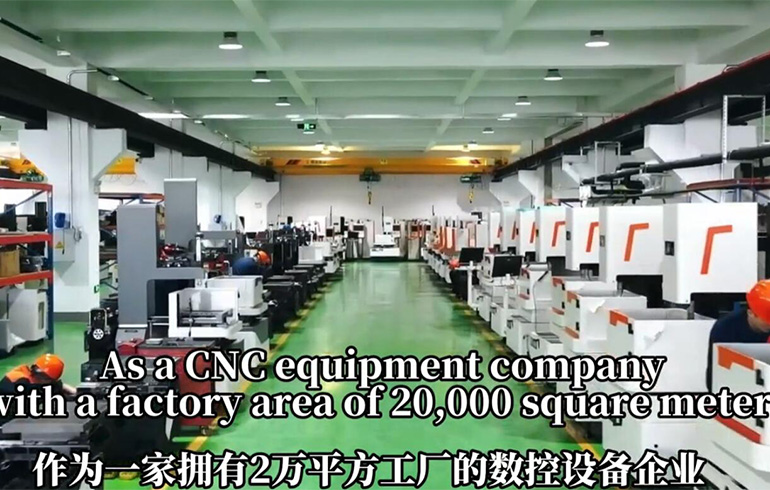
With decades of focused development in CNC wire cutting EDM technology, Baqi has established itself as a trusted partner for mold & die manufacturers worldwide — delivering machines that combine precision engineering with intelligent control.
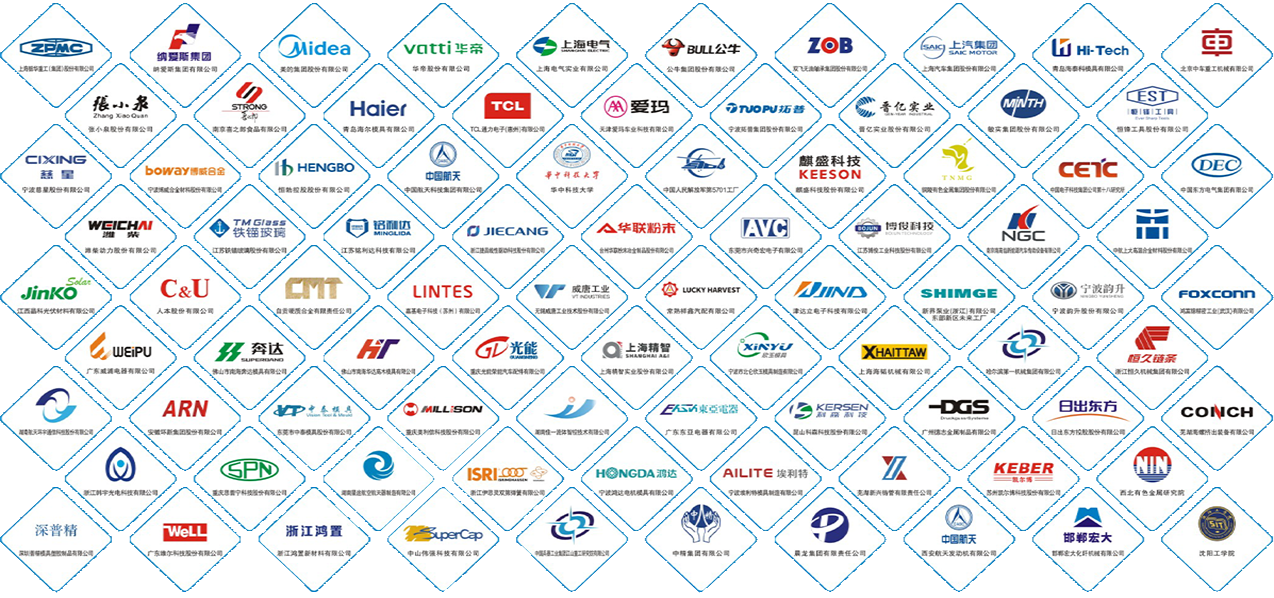
Quality first, customer first, and credit-based.
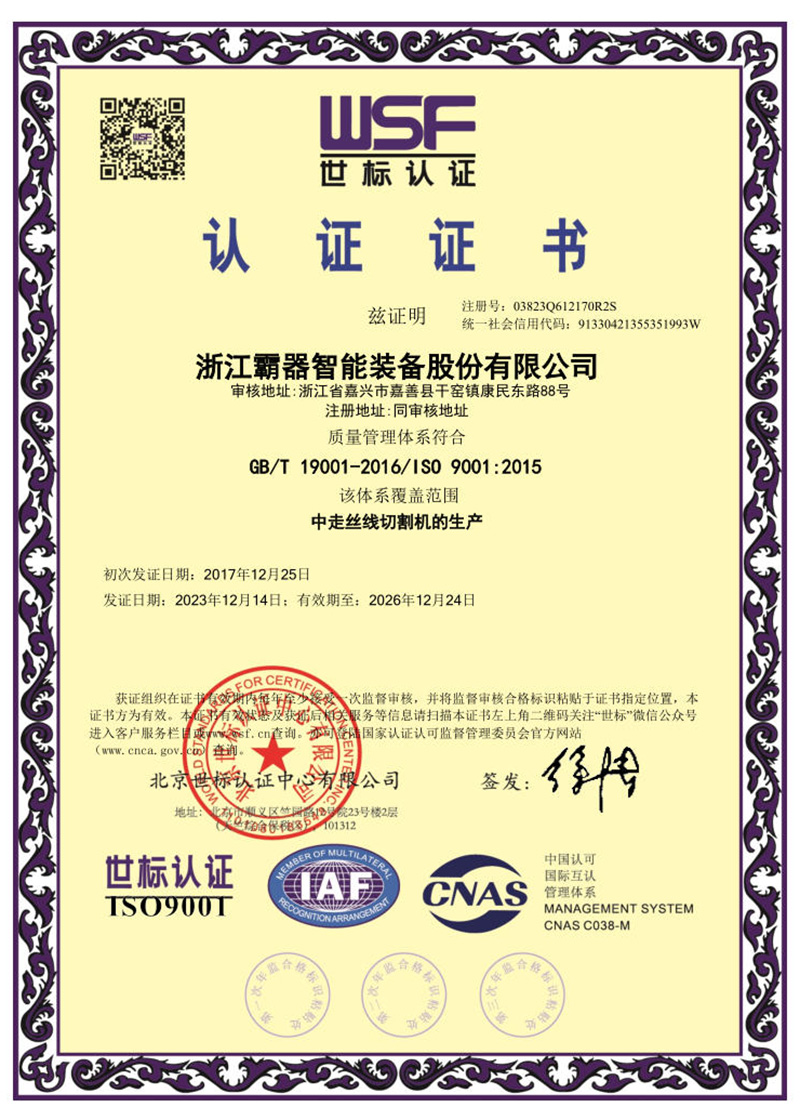
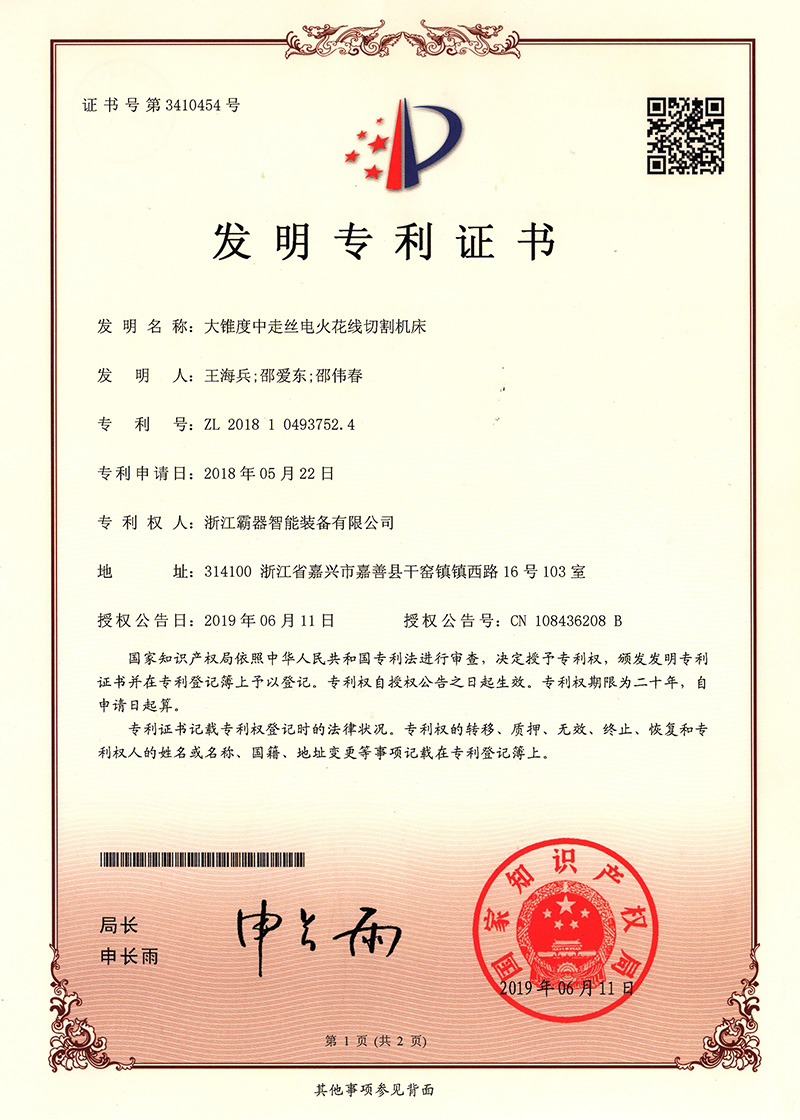
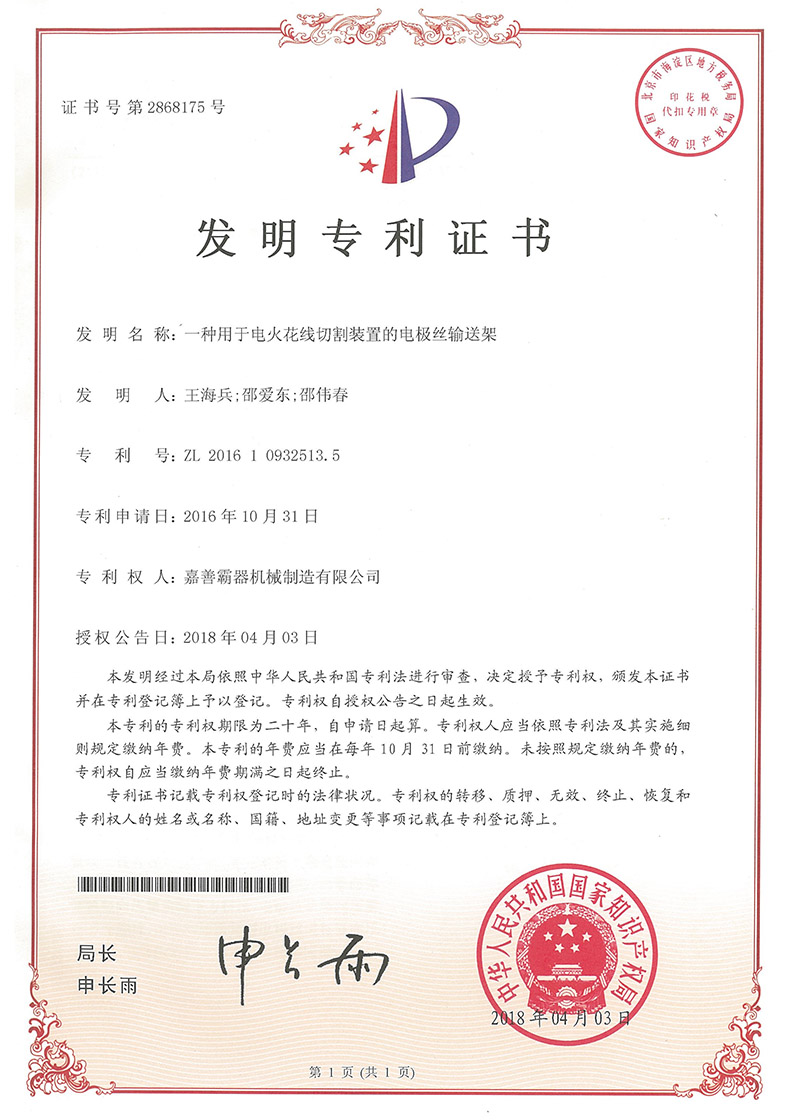
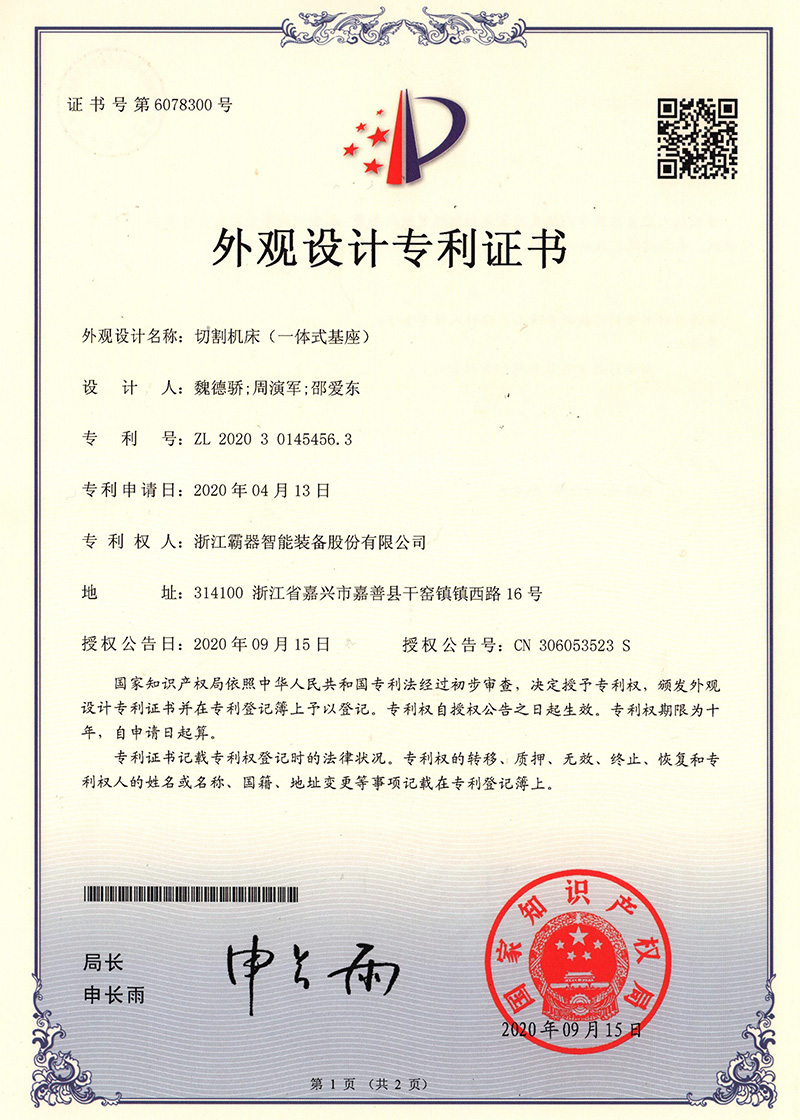
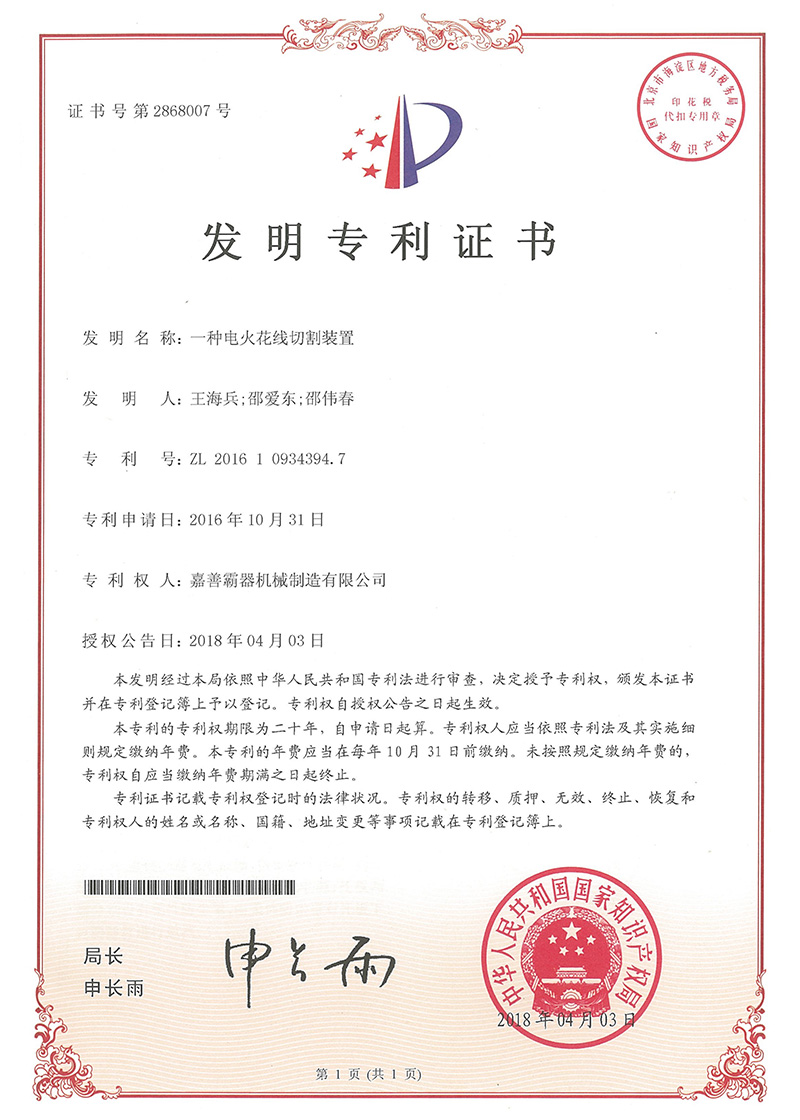
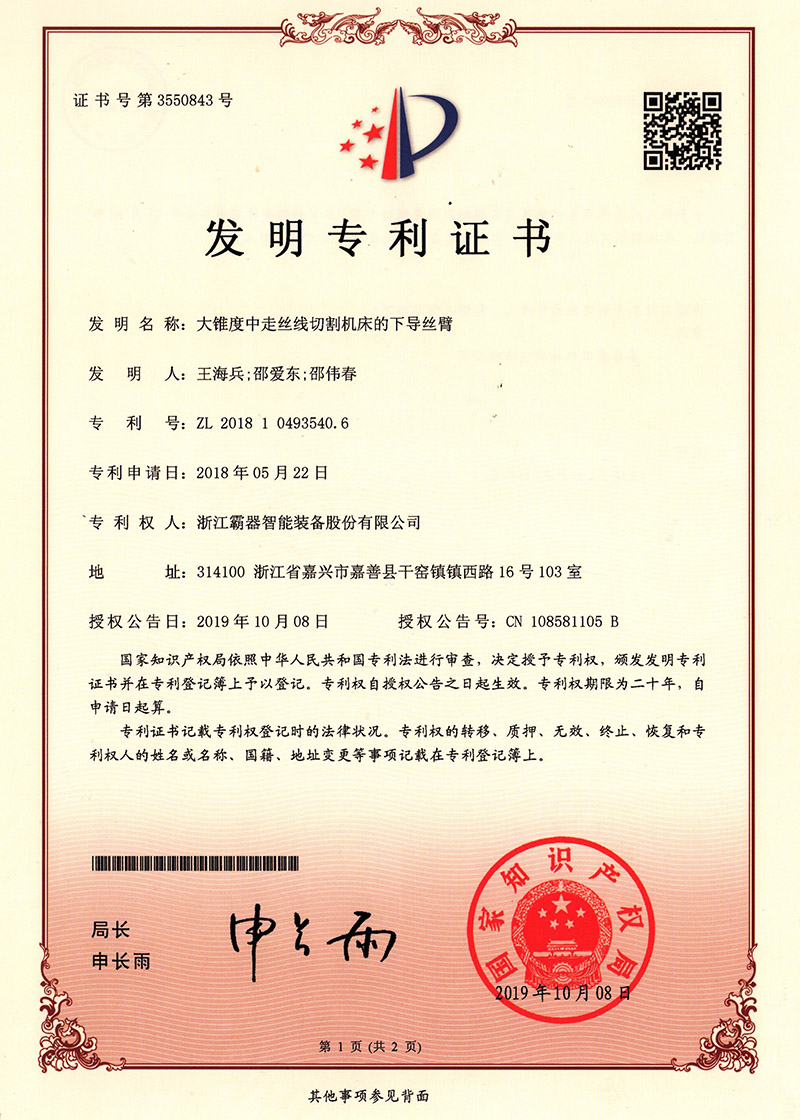
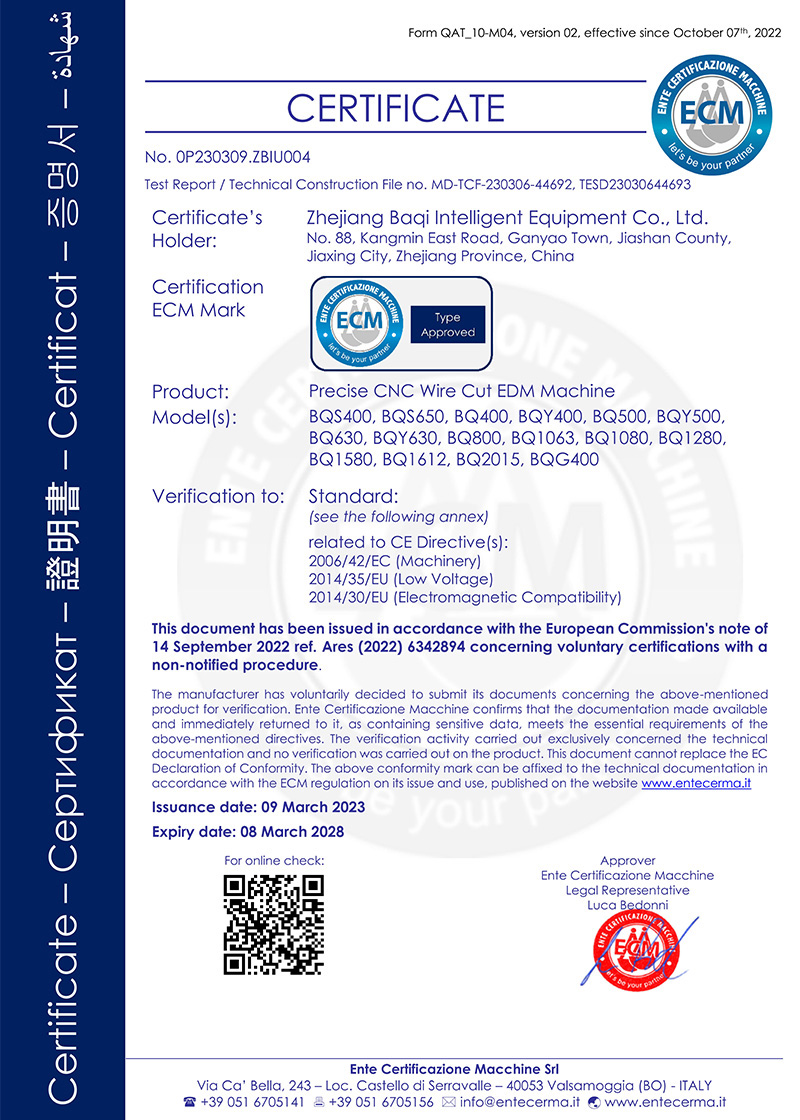
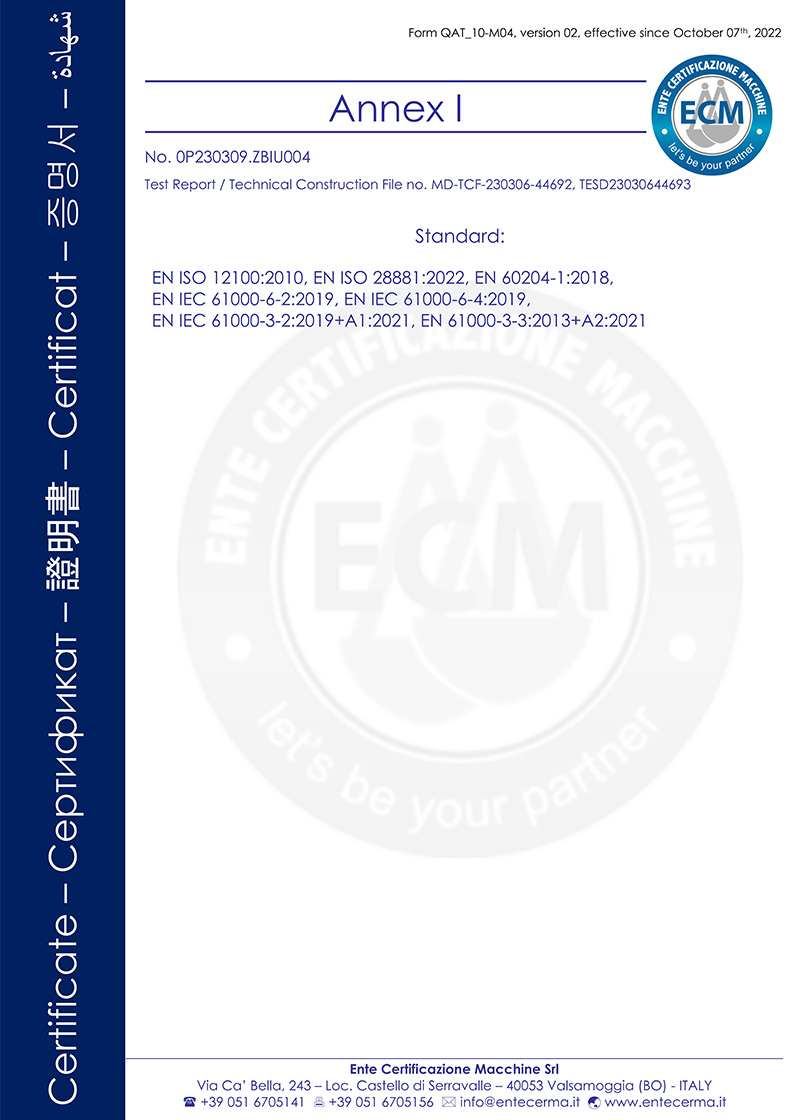
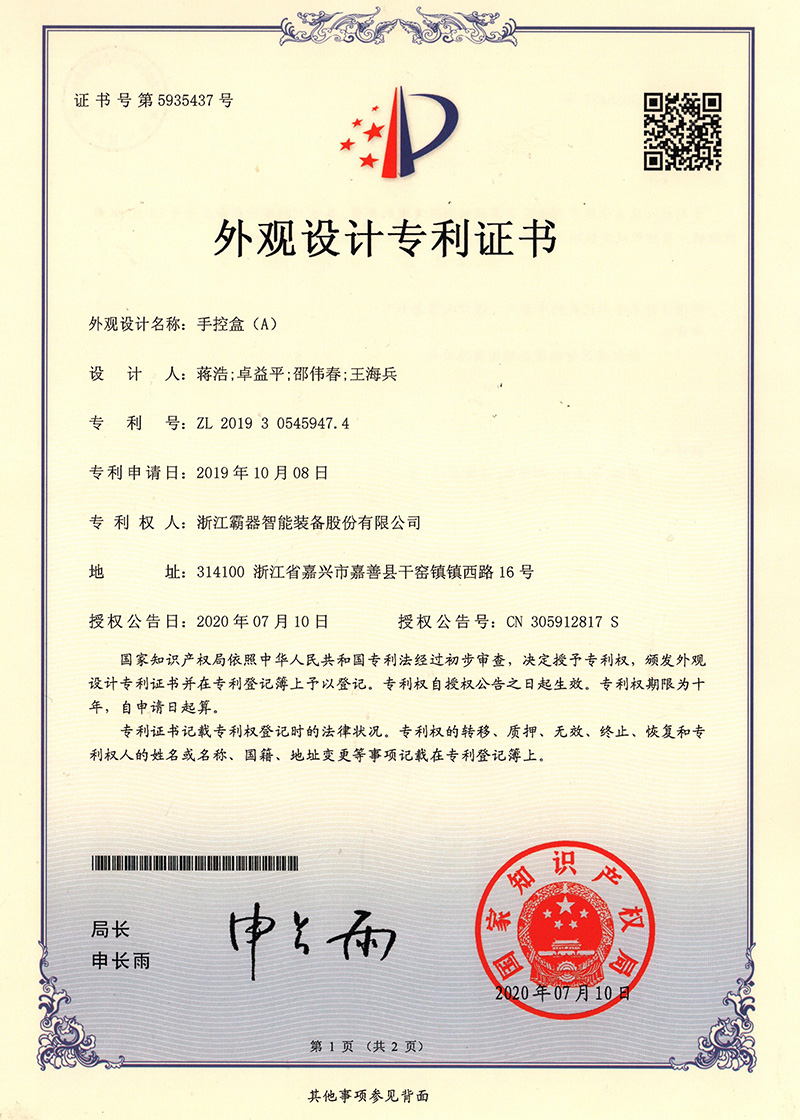
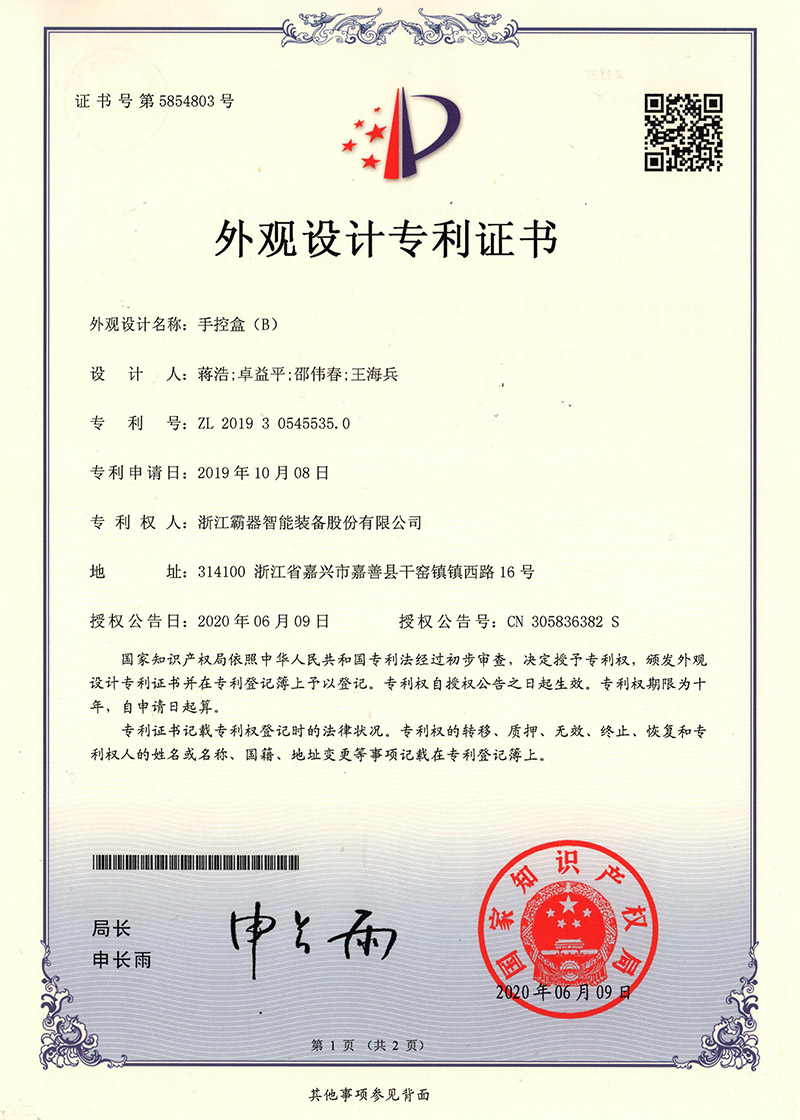
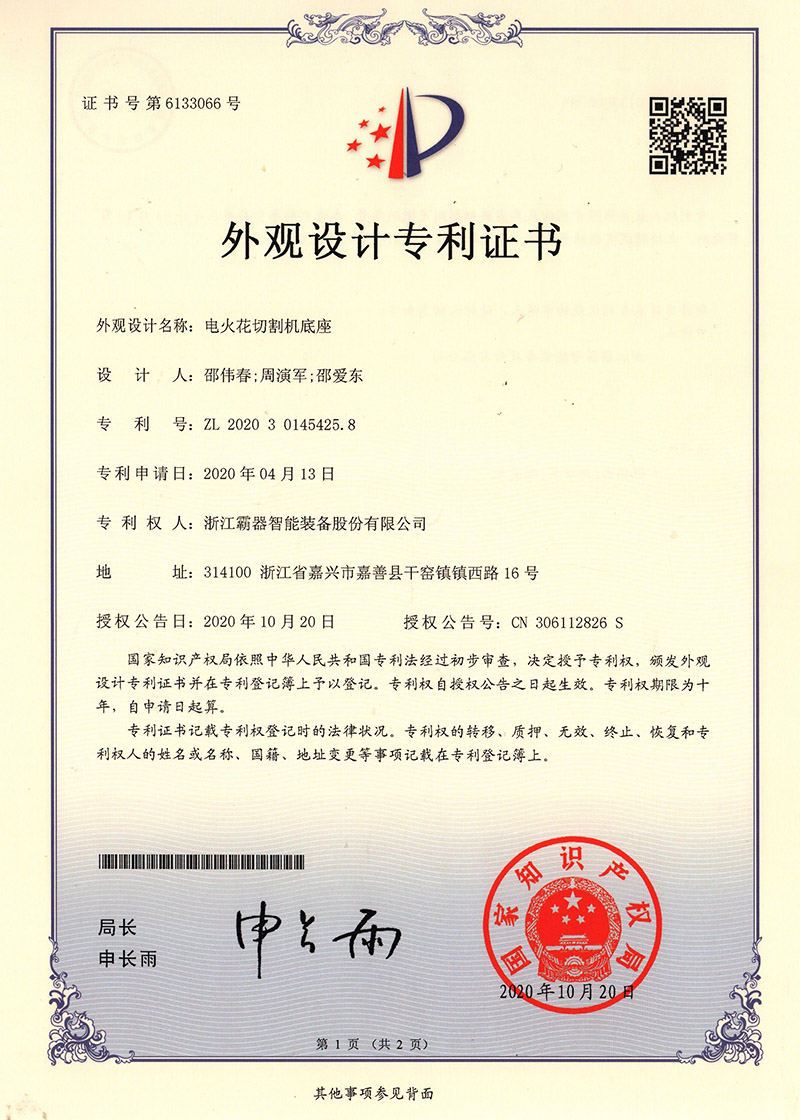
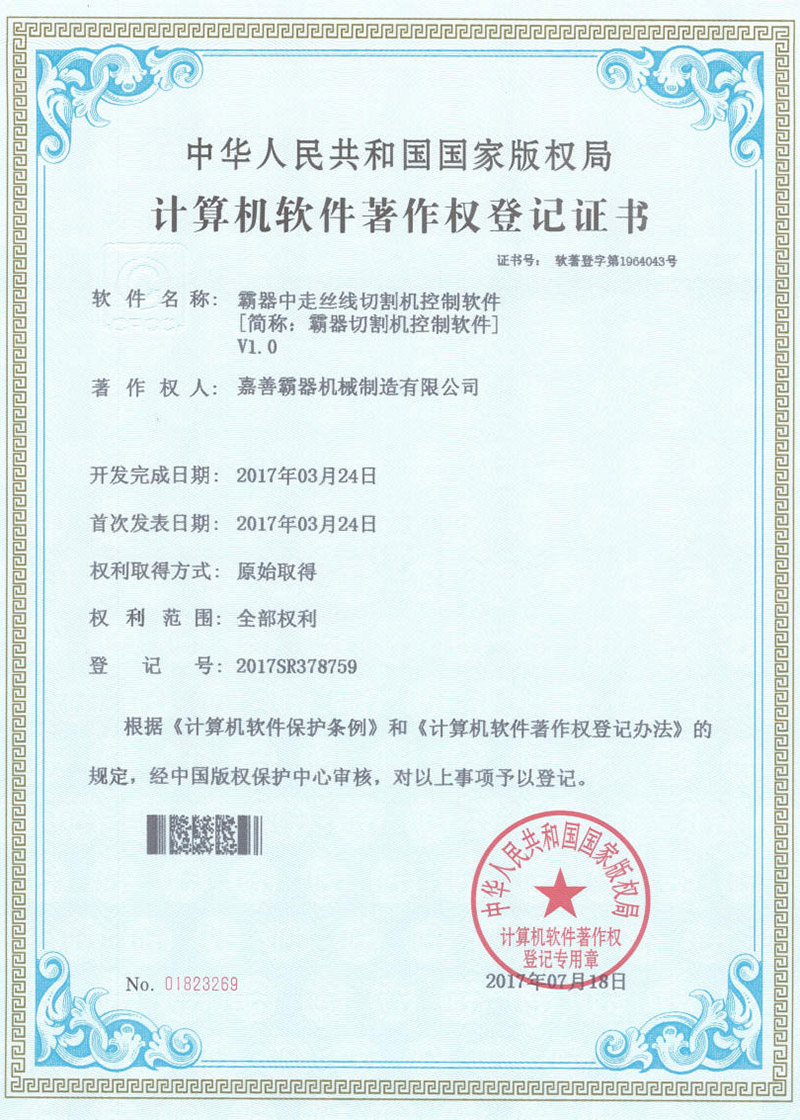
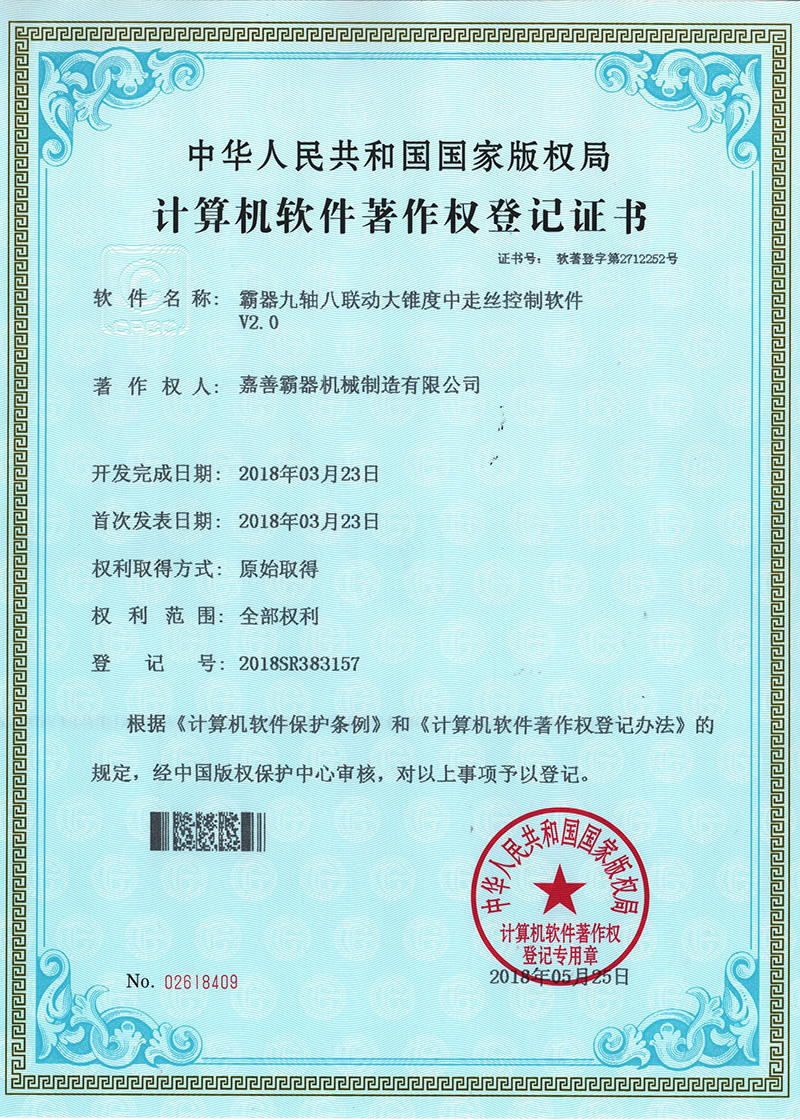
Quality First, Customer First, And Credit-Based.
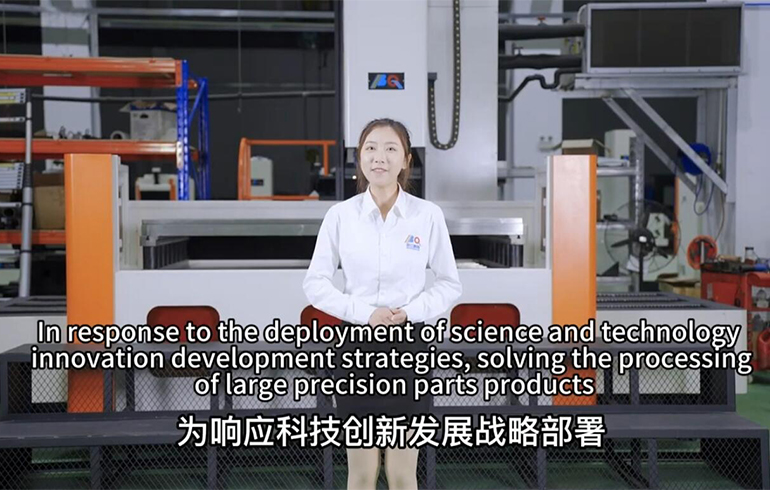


Explore our full range of medium-speed CNC wire cutting EDM machines — engineered to meet every mold & die manufacturing requirement from precision micro-tooling to large-format structural dies.