Leave Your Message
Industry-leading precision EDM solutions engineered for medical-grade component production
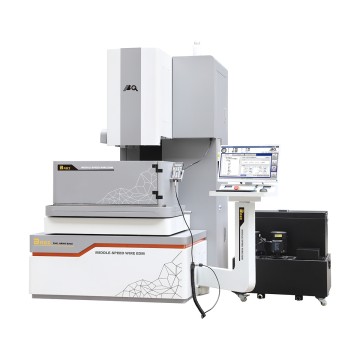
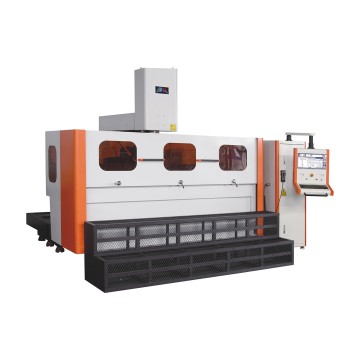
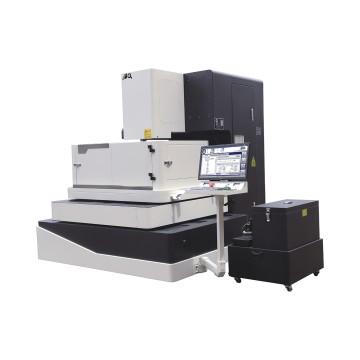
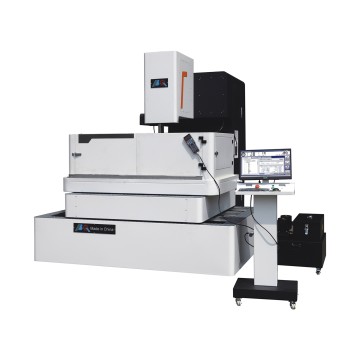
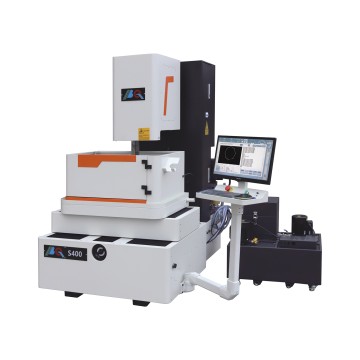
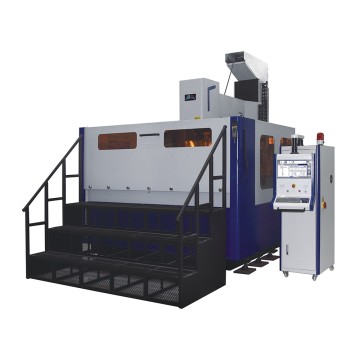
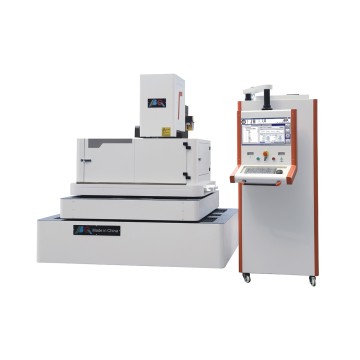
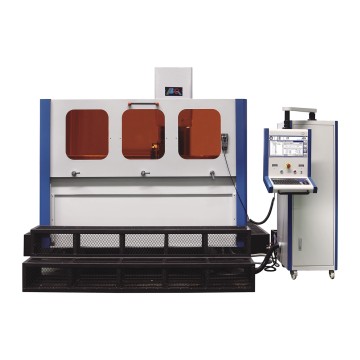
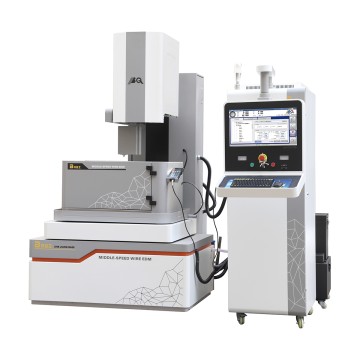
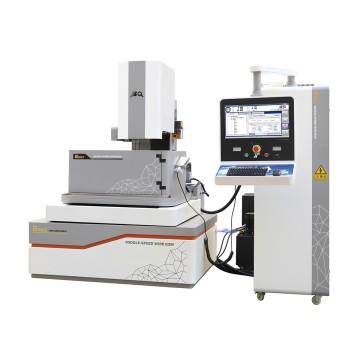
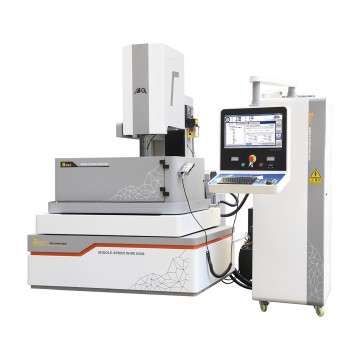
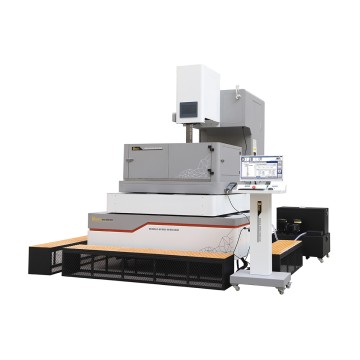
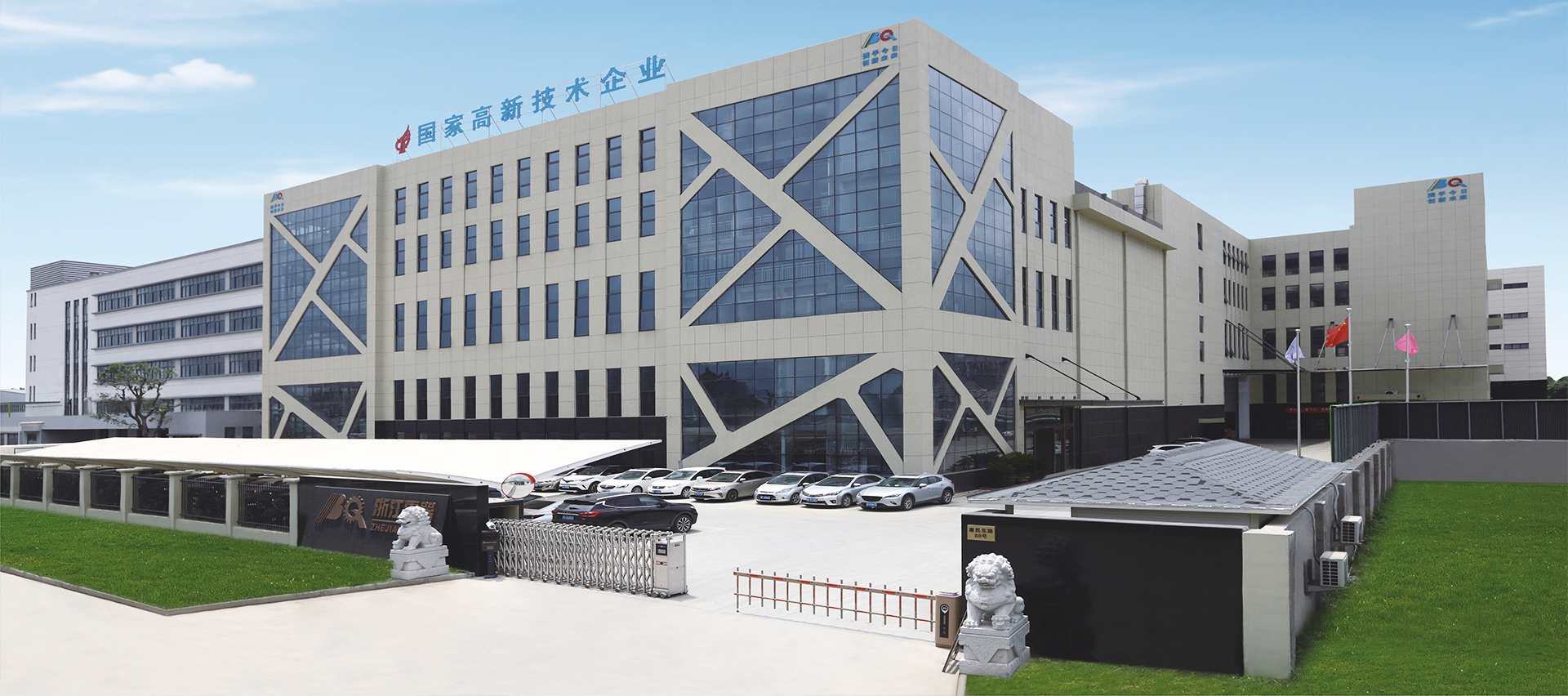
Zhejiang Baqi Intelligent Equipment Co., Ltd. is a modern technology-based enterprise engaged in the research, development, production, and sales of medium-speed wire EDM machines. It has a strong R&D team engaged in the development of core processing software, hardware, and intelligent integration.
It possesses tens of thousands of square meters of constant temperature assembly workshops and imported pentahedral horizontal machining centers, guideway grinding machine and testing equipment, to ensure the progressiveness and stability of products. The product is widely used in hardware molds, plastic molds, tooling and metallurgy tools, auto parts, military defense, ships and other supporting projects in many fields.
The company has a quality management system, sales management system, and after-sales management system that strictly follow advanced operating procedures, standardized execution, fully recognized by customers. The product has covered various domestic markets as well as international markets such as Vietnam and Russia.
The company puts customers at the center, with the core concept of "Precision casting of Baqi powerful tools, intelligent expansion of the future", and strives to provide global special processing services one-stop supporting solutions.

Why precision CNC machining is the backbone of modern surgical device manufacturing
The global surgical instruments market is undergoing a profound transformation, driven by the exponential growth of minimally invasive surgery (MIS), robotic-assisted procedures, and personalized implant solutions. At the heart of this revolution lies CNC (Computer Numerical Control) machine design — particularly Wire EDM (Electrical Discharge Machining) technology — which enables manufacturers to produce surgical tools with tolerances measured in micrometers.
According to industry research, the global surgical instruments market is projected to surpass USD 17 billion by 2030, growing at a CAGR of over 7%. This growth directly fuels demand for advanced CNC machining platforms capable of handling medical-grade materials such as titanium alloys, stainless steel 316L, cobalt-chrome, and biocompatible polymers with zero compromise on dimensional accuracy or surface finish.
Surgical instruments demand a level of precision that conventional machining simply cannot achieve. Features such as micro-scale cutting edges on scalpels, intricate internal geometries of endoscopic tools, and the thin-wall profiles of bone saws require non-contact material removal processes. CNC Wire EDM fulfills these requirements by using a precisely controlled electrical discharge between a thin wire electrode and the workpiece to erode material — with no mechanical force applied to the part.
Key advantages of Wire EDM for surgical instrument manufacturing include:
What sets Baqi CNC Wire EDM apart in the surgical instrument sector
Positioning accuracy to ±0.001mm and surface roughness Ra ≤ 0.4μm — meeting the most stringent medical device dimensional standards, including ISO 13485 and FDA 21 CFR Part 820 requirements.
5-axis and 10-axis CNC linkage configurations allow the simultaneous machining of complex 3D surgical profiles — from tapered laparoscopic shafts to helical orthopedic screw threads — in a single setup.
Optimized cutting parameters for titanium Grade 5, 316L stainless, cobalt-chrome, and Nitinol superalloys — the materials most commonly specified for implantable and reusable surgical instruments.
Intelligent adaptive control systems automatically adjust discharge energy, wire tension, and feed rate in real time — reducing wire breakage, improving cut consistency, and boosting throughput by up to 30%.
Precision-controlled workshop environments and thermally compensated machine structures maintain dimensional stability across long production runs — essential when machining micro-scale surgical features.
Built-in data logging and MES connectivity support full production traceability — a mandatory requirement for medical device manufacturers operating under ISO 13485 quality management systems.
Laparoscopic and thoracoscopic instruments require extremely thin-walled tubular shafts, precision jaw mechanisms, and micro-scale locking features. CNC Wire EDM machines with 5-axis or 10-axis linkage capability enable manufacturers to cut these complex profiles from solid titanium or stainless billets with tolerances under ±2μm — a feat impossible with conventional turning or milling alone. The non-contact nature of EDM also eliminates the risk of micro-cracks that could compromise instrument integrity during sterilization cycles.
Bone saws, reamers, rasps, and drill guides used in joint replacement surgery demand both extreme sharpness and dimensional consistency. CNC Wire EDM is the preferred process for producing the hardened steel dies and punches used to stamp orthopedic cutting instrument blanks, as well as for directly machining the fine serrations and cutting geometries on titanium bone chisels and osteotomes.
Micro-scissors, clip applicators, and neurosurgical retractors operate in the most demanding environments in medicine. Components may weigh less than 1 gram yet must withstand thousands of sterilization cycles. Wire EDM's ability to machine hardened stainless steel and cobalt-chrome to mirror-quality finishes without introducing residual stress makes it indispensable for this segment. Baqi's medium-speed EDM platform achieves surface roughness values as low as Ra 0.2μm on these critical components.
The rapid adoption of robotic surgical systems such as the da Vinci platform has created massive demand for precision-machined end-effector components. These wrist joints, graspers, and needle drivers require multi-axis machined linkage pins, pivot shafts, and jaw profiles with tolerances of ±1–3μm. CNC Wire EDM — particularly 10-axis big-swing configurations — is uniquely capable of producing these complex 3D geometries in a single operation.
From implant drills to extraction forceps and periodontal scalers, dental surgical instruments require exceptionally fine surface finishes and precise tip geometries. CNC Wire EDM enables the production of complex multi-taper profiles and micro-grooved surfaces that improve cutting efficiency and reduce patient trauma — features that are difficult or impossible to achieve through conventional grinding.
Disposable surgical instruments — syringes, catheter connectors, trocar housings — are injection-molded from medical-grade polymers. The precision molds that produce these components are themselves manufactured using CNC Wire EDM. Baqi's machines are widely used by mold-making facilities supplying the global medical disposables industry, cutting hardened tool steel cavities with mirror-finish accuracy that directly translates to defect-free plastic parts.
Key technological and market forces shaping the next decade of medical CNC machining
Leading CNC machine builders are embedding digital twin capabilities — virtual models of the machining process that predict tool wear, dimensional drift, and surface quality before a single cut is made. For surgical instrument manufacturers, this means dramatically reduced scrap rates on expensive titanium and cobalt-chrome billets, and faster validation of new instrument designs.
Artificial intelligence and machine learning algorithms are being integrated into CNC controllers to enable real-time process optimization. In Wire EDM, AI systems monitor discharge waveforms, wire tension, and dielectric conditions to automatically adjust parameters — maintaining optimal cutting conditions even as material properties vary across a workpiece. This is particularly valuable when machining surgical-grade titanium alloys with inconsistent grain structures.
The convergence of metal 3D printing (LPBF/DED) with CNC Wire EDM finishing is opening new possibilities for surgical implant production. Near-net-shape titanium implants produced by additive manufacturing are finished to final tolerance using EDM — combining the design freedom of 3D printing with the dimensional accuracy of EDM. This hybrid approach is expected to dominate complex implant production within the next five years.
Medical device manufacturers are under increasing regulatory pressure to demonstrate full production traceability. Modern CNC Wire EDM machines now offer OPC-UA connectivity, MES integration, and automated quality reporting — enabling seamless data flow from machine to quality management system. Baqi's intelligent EDM platforms are designed with Industry 4.0 connectivity as a standard feature, supporting the digital transformation of medical device factories worldwide.
As surgical procedures become increasingly minimally invasive, instrument components are shrinking in size. Micro-EDM capabilities — using wire diameters as small as 0.02mm — are enabling the production of features at scales previously only achievable through photolithography. This trend is driving significant investment in ultra-precision CNC EDM platforms capable of machining micro-surgical instrument components for ophthalmology, neurology, and pediatric surgery.
The Asia-Pacific region is the fastest-growing market for surgical instruments and the CNC machines used to manufacture them. Countries including China, India, Vietnam, and South Korea are rapidly expanding domestic medical device manufacturing capabilities. Baqi's established presence in international markets across 30+ nations positions the company as a key supplier to this growth wave, offering cost-competitive yet high-precision EDM solutions that meet global quality standards.
Quality first, customer first, and credit-based.
How precision CNC machine design creates competitive advantage for medical device OEMs and contract manufacturers
For surgical instrument OEMs and contract manufacturers (CMOs), the choice of CNC machining platform is a critical business decision that directly impacts product quality, time-to-market, and regulatory compliance costs. Investing in high-precision Wire EDM technology such as Baqi's medium-speed platform delivers measurable commercial returns across multiple dimensions.
Reduced Scrap & Rework Costs: Medical-grade titanium and cobalt-chrome alloys cost 10–50× more than standard engineering steels. The superior dimensional accuracy and process repeatability of CNC Wire EDM — with Cpk values consistently above 1.67 — dramatically reduces the scrap rates that erode margins in high-mix, low-volume surgical instrument production.
Faster Design-to-Production Cycles: Modern CNC Wire EDM machines with intelligent CAD/CAM integration can translate a new surgical instrument design from digital model to first article in hours rather than days. This agility is increasingly valued by medical device companies racing to bring next-generation instruments to market ahead of competitors.
Regulatory Compliance as a Competitive Moat: Surgical instrument manufacturers operating under FDA, CE, and ISO 13485 frameworks must demonstrate process validation (IQ/OQ/PQ) for all production equipment. Baqi's machines, with their comprehensive data logging, parameter locking, and quality reporting features, significantly streamline the validation process — reducing regulatory submission timelines and costs.
Global Supply Chain Resilience: With 30+ international partner nations and established support networks across Asia, Europe, and the Americas, Baqi provides surgical instrument manufacturers with a reliable, globally-supported CNC EDM supply chain — reducing the single-source risk that has become a major concern following recent global supply disruptions.
Explore our full lineup of precision EDM solutions engineered for medical device production