Leave Your Message
Explore our high-performance wire-cut EDM systems engineered for complex surgical instrument profiles, optimized for dust-free integration.
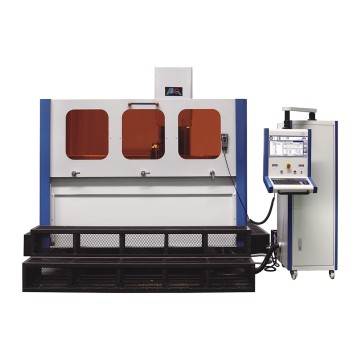
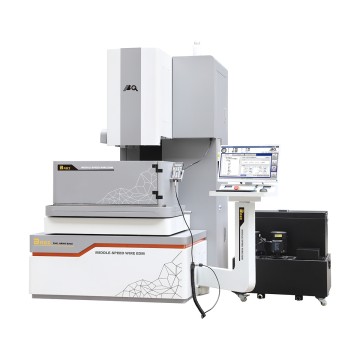
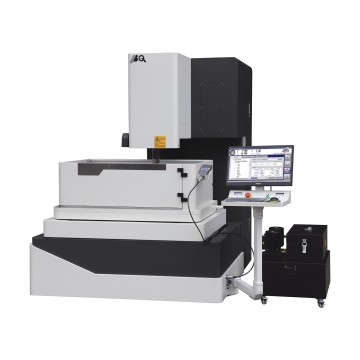
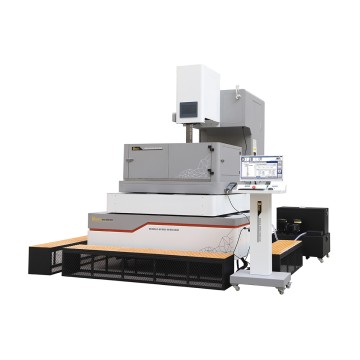
In the highly regulated arena of medical device manufacturing, precision is not just a standard—it is a life-saving necessity. Surgical instruments, ranging from micro-scalpels and orthopedic bone drills to complex robotic surgical end-effectors, require manufacturing tolerances measured in micrometers. To achieve this level of precision, advanced CNC machining methods, such as high-speed milling, grinding, and CNC Wire EDM (Electrical Discharge Machining), are extensively utilized.
However, the process of cutting, grinding, and shaping metals like titanium, stainless steel, and cobalt-chrome generates a significant amount of hazardous fine dust, airborne particulates, and oil mists. This is where a specialized CNC dust extractor for surgical instruments becomes an indispensable asset. Without an efficient dust extraction system, fine metal particulates settle on the workpieces, contaminate the cleanroom environment, accelerate tool wear, and pose severe health risks to operators.
Industry Standard Compliance: Modern medical manufacturing facilities must comply with strict ISO 13485 quality management standards. Implementing high-efficiency particulate air (HEPA) dust extractors ensures that the air quality surrounding the CNC machinery meets the stringent cleanliness levels required for medical-grade components.
Standard industrial dust collectors are designed for wood, plastics, or coarse metal shavings. Surgical instrument manufacturing deals with exotic alloys and biocompatible materials that yield extremely fine, often sub-micron dust particles. These materials include:
The global market for surgical instrument manufacturing is experiencing rapid growth, driven by an aging population, the rise of minimally invasive surgeries, and the expansion of robotic-assisted surgical platforms. Consequently, the demand for CNC machining centers and dedicated dust extraction systems has surged. Today's manufacturing facilities are moving away from centralized, passive air filtration systems toward localized, smart CNC dust extractors integrated directly with the machine control unit.
Modern extractors utilize variable frequency drives (VFD) and sensors to adjust suction based on real-time cutting parameters, saving energy and extending filter life.
With titanium being a primary medical material, wet scrubbers and spark arrestors are standard in CNC setups to eliminate fire hazards.
99.995% efficiency in capturing particles down to 0.1 microns, guaranteeing that exhaust air returned to the factory floor is completely clean.
Predictive maintenance alerts notify operators when filters are reaching capacity, preventing unexpected production downtime.
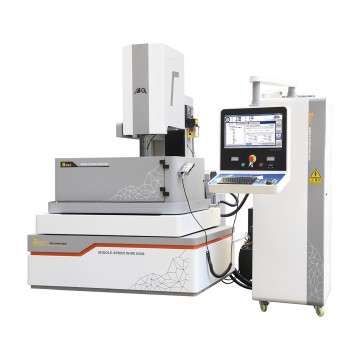
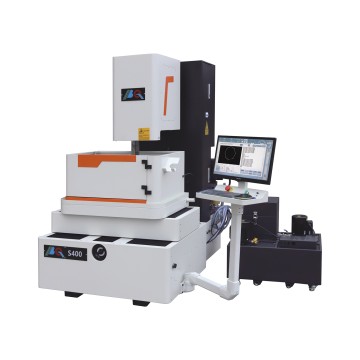
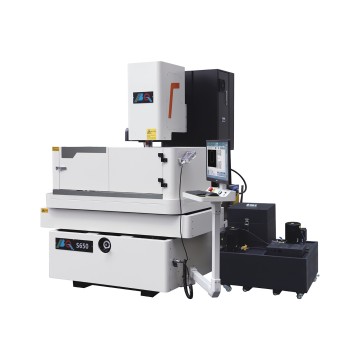
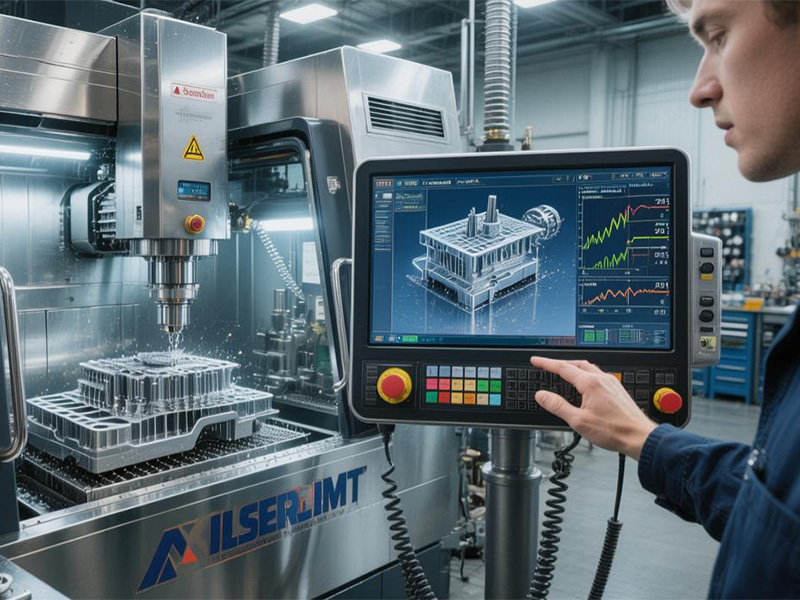
Wire EDM machines, such as the high-precision medium-speed wire cutting systems developed by Baqi Intelligent Equipment, are crucial for cutting complex medical geometries. While EDM is a wet process using dielectric fluid, it still generates microscopic metal particles and vaporized aerosols. A CNC dust and mist extractor connected to the EDM enclosure prevents these aerosols from escaping into the workshop, preserving the dielectric fluid's purity and maintaining the extreme accuracy required for surgical blade edges and micro-forceps hinges.
21
October.2025
21
October.2025
21
October.2025
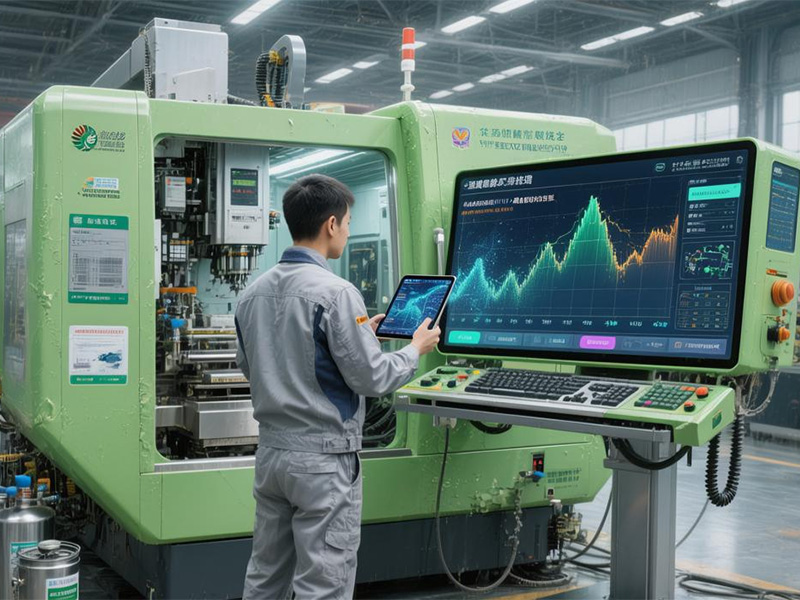
The world's first AI-powered intelligent CNC system has been released, enabling "self-learning" capabilities. On October 5, 2025, Huazhong CNC and Huazhong University of Science and Technology collaborated to bring this breakthrough technology to market, offering unprecedented precision and adaptive control for complex machining environments.
Since 2025, China's "dual carbon" goals (peak carbon emissions and carbon neutrality) have driven the CNC machine tool industry to transform toward green and digital operations. Modern dust extraction systems and energy-efficient CNC systems are central to meeting these regulatory environmental demands.
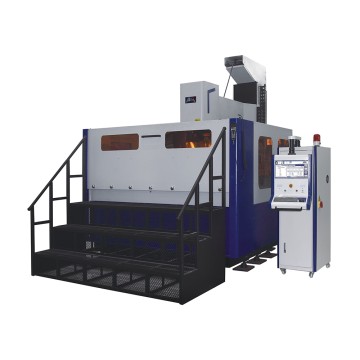
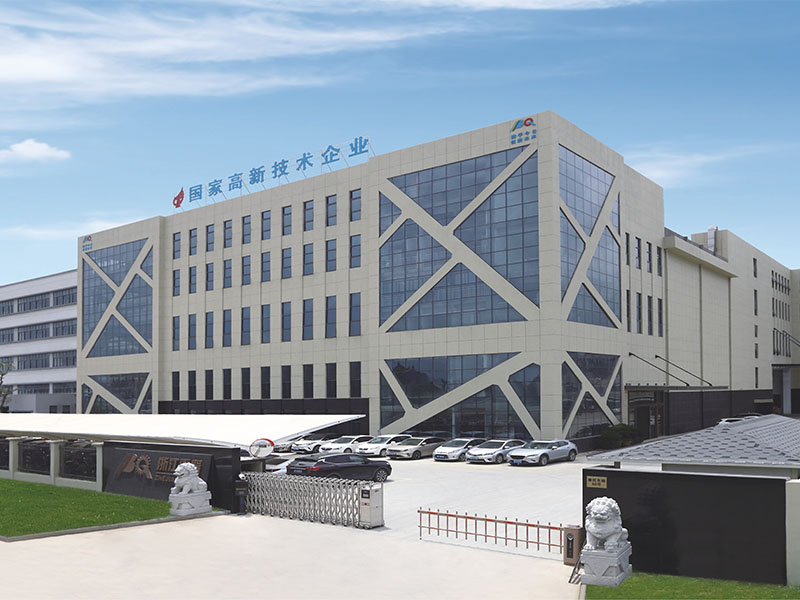
Baqi Intelligent Equipment Co., Ltd. has developed the world's first 11-axis, 10-linkage large-taper wire-cut EDM (Electrical Discharge Machining) CNC machine tool. This machine enables highly complex surgical tool geometries to be cut with extreme precision in a single setup, drastically reducing production times.
In surgical instrument manufacturing, the quality of the surface finish is paramount. Any micro-fissures, burrs, or embedded dust particles can jeopardize the sterilization process or lead to mechanical failure during a surgical procedure. By incorporating a high-efficiency CNC dust extractor, manufacturers can ensure that the cutting zone remains free of re-cutting debris.
When cutting materials like Titanium Grade 5 or specialized stainless steels, the debris generated can be highly abrasive. If these fine particles are not immediately extracted, they are carried back into the cutting path, causing premature tool wear and degrading the surface finish. A constant negative pressure environment created by the extractor captures these particles the instant they are formed, resulting in a cleaner cut, superior surface integrity, and extended tool life.
Titanium and aluminum dust are highly combustible. Under the National Fire Protection Association (NFPA) guidelines, specifically NFPA 484, surgical instrument manufacturers must implement specific safety measures when machining these metals. A dedicated CNC dust extractor designed for explosive dusts features:
Explore our full catalog of medium-speed CNC wire-cut EDM machines, engineered for high accuracy and cleanroom compatibility in surgical manufacturing.