Leave Your Message
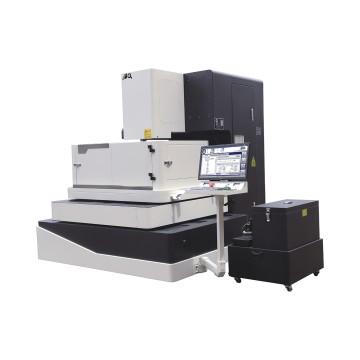
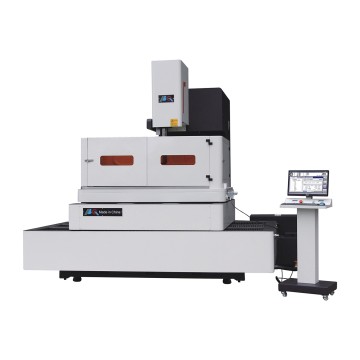
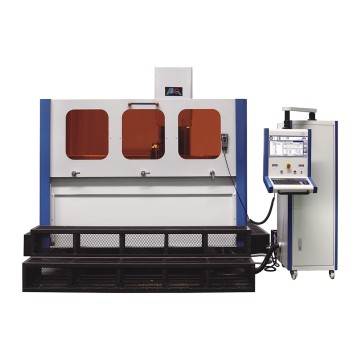
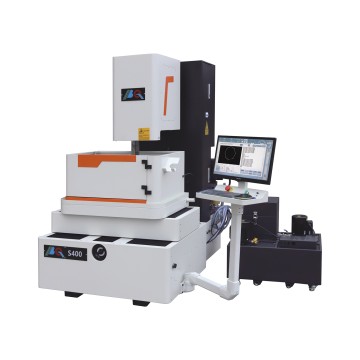
Explore our flagship CNC wire cutting EDM machines engineered for the ultra-precision demands of medical device components — from surgical instruments to implantable parts.
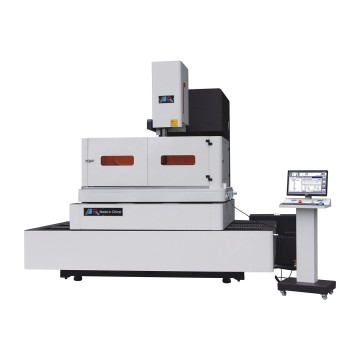
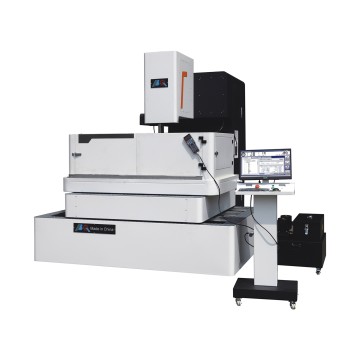
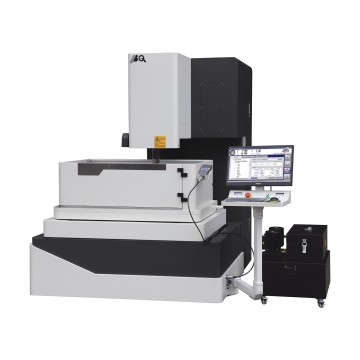
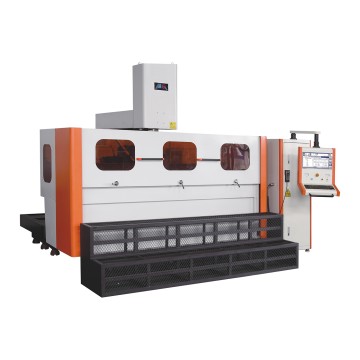
In the medical device industry, precision is not merely a competitive advantage — it is a regulatory and safety imperative. CNC deburring tools, particularly advanced wire cutting EDM (Electrical Discharge Machining) systems, have become indispensable in producing components that meet the exacting tolerances required by FDA, ISO 13485, and CE certification standards. Burrs, sharp edges, and surface irregularities on implants or surgical instruments are not cosmetic defects; they can cause tissue damage, implant failure, or harbor bacteria — all potentially life-threatening outcomes.
CNC deburring tools for medical devices encompass a broad spectrum of technologies: from automated robotic deburring cells and ultrasonic deburring systems to high-precision wire cutting EDM machines. Among these, medium-speed CNC wire cutting EDM machines have emerged as the gold standard for producing intricate medical components from titanium, cobalt-chrome alloys, stainless steel, and engineering polymers — materials notoriously difficult to machine by conventional cutting tools.
The global medical device manufacturing market exceeded $500 billion USD in 2024, with precision machining and finishing processes representing a significant share of production costs. According to industry analysts, over 68% of Class II and Class III medical devices require some form of precision deburring or edge finishing to pass quality assurance protocols. This has driven unprecedented investment in CNC deburring technology across OEM manufacturers and contract machining facilities worldwide.
Traditionally, deburring in medical manufacturing was a manual, labor-intensive process prone to inconsistency. The shift toward CNC automation — especially CNC wire cutting EDM — has transformed this paradigm. Modern EDM-based deburring achieves surface roughness values (Ra) as low as 0.1 µm, dimensional repeatability within ±1 µm, and burr-free edge profiles that manual methods simply cannot replicate at scale. This is especially critical for components such as bone screws, cardiovascular stents, cochlear implant electrodes, and minimally invasive surgical tool tips.
CNC wire cutting EDM machines offer a unique combination of capabilities that make them exceptionally well-suited for medical device applications:
The intersection of AI, robotics, and advanced materials science is reshaping CNC deburring technology for next-generation medical device production.
Machine learning algorithms are being integrated into CNC EDM controllers to adaptively optimize deburring parameters in real-time based on material feedback, tool wear patterns, and surface scan data. This reduces setup time by up to 40% and improves first-pass yield rates for complex medical components.
The miniaturization trend in medical devices — from micro-stents to neural implant electrodes — demands deburring precision at the nano-scale. Next-generation wire EDM machines with sub-micron positioning systems are enabling the production of features as small as 20µm, opening new frontiers in minimally invasive surgery.
Smart factory connectivity via IoT-enabled CNC deburring machines allows real-time quality monitoring, predictive maintenance, and seamless integration with digital twin environments. This is particularly valuable for medical OEMs managing FDA audit trails and quality management system requirements.
The growing adoption of PEEK, bioresorbable polymers, shape-memory nitinol alloys, and patient-specific titanium implants from additive manufacturing requires CNC deburring tools capable of handling these diverse material properties without compromising biocompatibility or structural integrity.
Medical device manufacturers are increasingly deploying fully automated, unmanned CNC deburring cells combining wire EDM machines, robotic part handling, in-process CMM measurement, and automated tool changing — enabling 24/7 production with zero operator intervention for high-volume implant components.
Environmental regulations and corporate sustainability goals are driving demand for CNC EDM deburring systems with closed-loop dielectric fluid recycling, reduced power consumption, and minimal consumable waste — aligning precision medical manufacturing with green manufacturing principles.
Orthopedic implants represent one of the highest-volume applications for CNC deburring tools in medical device manufacturing. Titanium alloy bone screws, spinal fusion cages, and hip/knee joint components require burr-free thread profiles, smooth bearing surfaces, and precisely radiused edges to prevent stress concentration and ensure long-term osseointegration. Wire cutting EDM machines excel in producing the complex cross-sectional profiles of spinal implants and the precision thread forms of bone anchors — geometries that conventional milling and grinding cannot achieve without secondary deburring operations.
Cardiovascular stents — typically laser-cut or EDM-cut from nitinol or cobalt-chrome tubing — require meticulous deburring to eliminate any micro-burrs that could cause endothelial damage, thrombosis, or fatigue fracture in the dynamic coronary environment. CNC wire EDM deburring achieves the smooth, rounded strut profiles required by ISO 25539 and FDA guidance documents for vascular implants. Similarly, heart valve leaflet frames and catheter tip components benefit from the non-contact, thermally controlled material removal of EDM processes.
The global shift toward minimally invasive and robotic-assisted surgery has created enormous demand for ultra-precise, burr-free surgical instruments. Laparoscopic graspers, scissors, and needle drivers require sharp, precisely defined cutting edges combined with smooth, non-snagging profiles on all non-cutting surfaces. CNC multi-axis EDM deburring enables the production of complex instrument jaw geometries with sub-millimeter features that would be impossible to deburr manually at production volumes. For robotic surgery systems like the da Vinci platform, component tolerances are even more stringent — demanding the full capability of 10-axis CNC EDM machining centers.
Dental implant manufacturing demands the highest standards of surface quality and dimensional accuracy. Titanium implant bodies, abutments, and prosthetic frameworks require burr-free, precisely defined thread geometries and surface finishes that promote osseointegration while resisting bacterial biofilm formation. CNC wire EDM deburring is increasingly used for both the primary machining and final edge finishing of dental implant components, particularly for complex custom prosthetic frameworks produced from CAD/CAM-designed titanium blocks.
Beyond implantable and surgical applications, CNC deburring tools play a critical role in producing components for diagnostic equipment — from microfluidic channel plates in point-of-care diagnostic devices to precision sensor housings in imaging equipment. The tight tolerances and complex geometries of these components demand the same level of EDM deburring precision as implantable devices, ensuring reliable fluid flow dynamics and sensor accuracy in life-critical diagnostic applications.
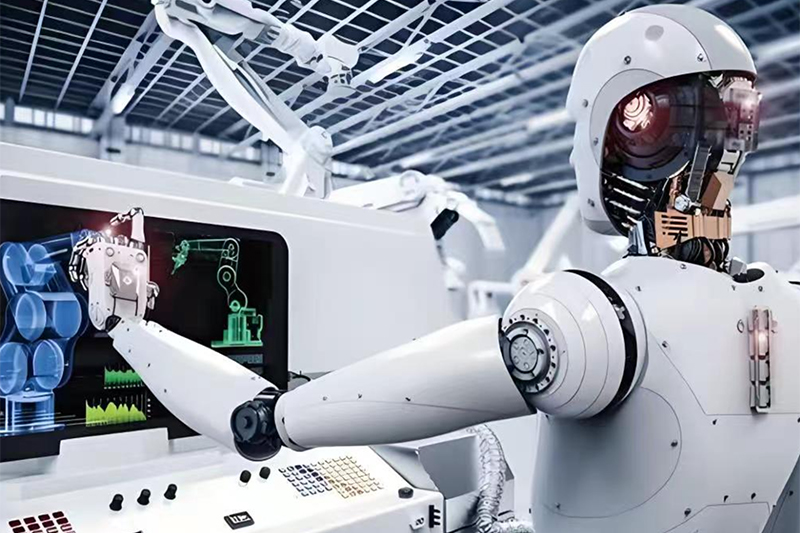
The medium speed molybdenum wire cutting spark machine (medium speed wire), with its core characteristics of high precision and stability, is widely applied in robot component manufacturing requiring tight tolerances and burr-free surfaces.
Read more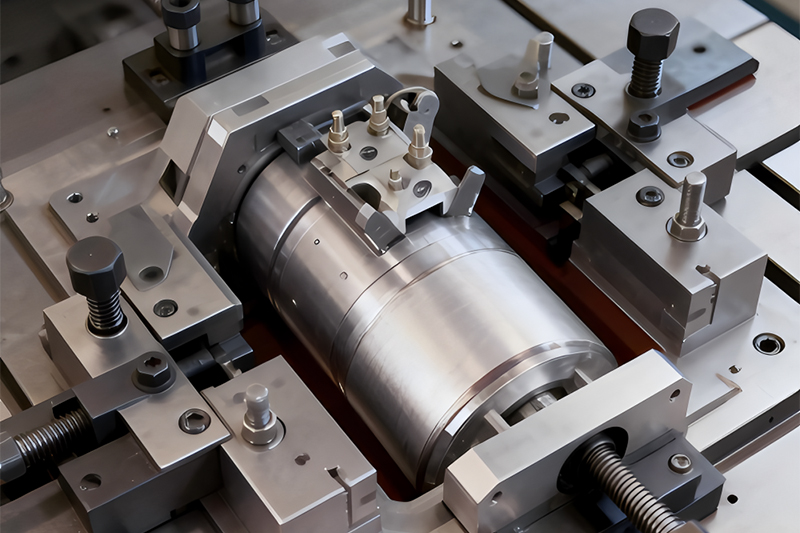
In the mechanical processing industry, wire cutting plays a dual role of universal machining supplement and precision finishing — enabling burr-free edge quality across a wide range of industrial components.
Read more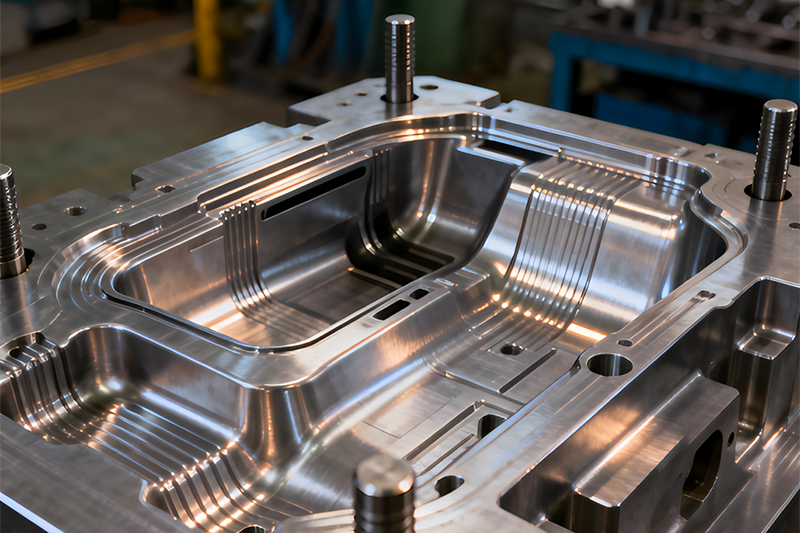
The core advantage of wire cutting in the automotive industry lies in its high efficiency, high precision, and stability — delivering consistent deburring results for fuel injection components, transmission parts, and sensor housings.
Read more
The application of wire cutting in the medical industry is a typical extension of its precision machining capabilities — enabling burr-free, biocompatible surfaces on implants, surgical tools, and diagnostic device components.
Read more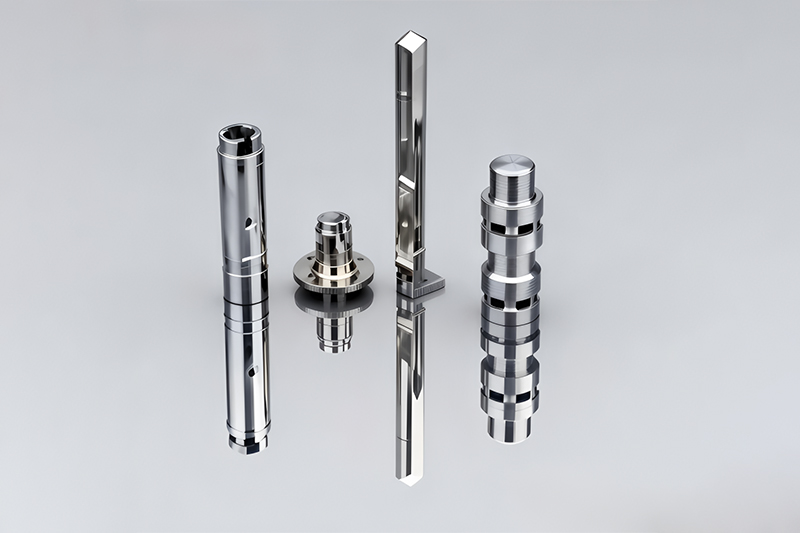
Wire-cutting EDM CNC machine tools occupy an irreplaceable core position in the mold and tooling industry — producing burr-free punch and die profiles, ejector pin holes, and complex cavity geometries with unmatched accuracy.
Read more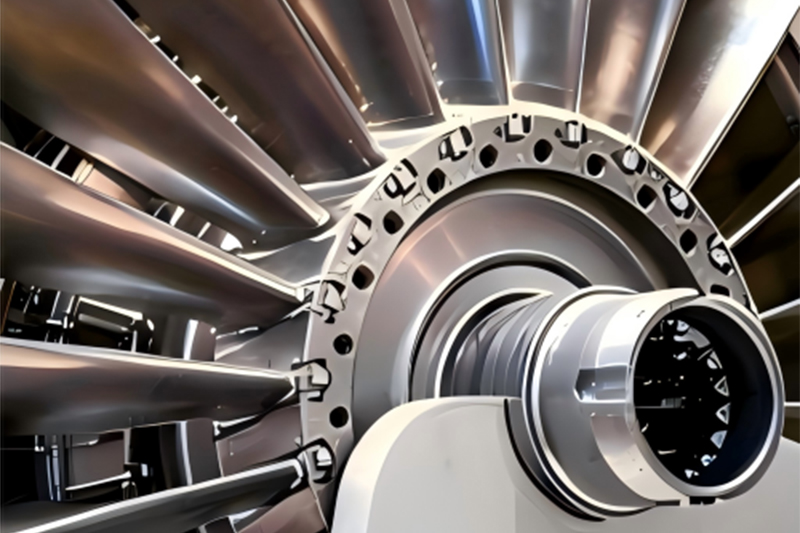
The application of wire cutting in the aerospace industry represents the pinnacle of its machining capabilities — producing burr-free turbine blade cooling holes, fuel system components, and structural aerospace parts from exotic alloys.
Read moreOur full lineup of medium-speed CNC wire cutting EDM machines — engineered for the precision, reliability, and compliance demands of medical device manufacturing environments.