Leave Your Message
Precision wire cutting EDM systems engineered for complex mold cavity and die insert manufacturing
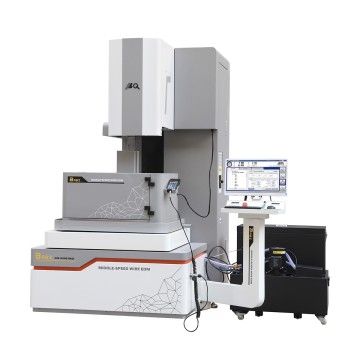
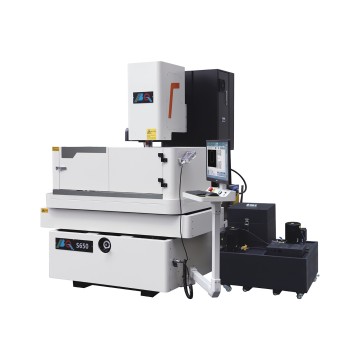
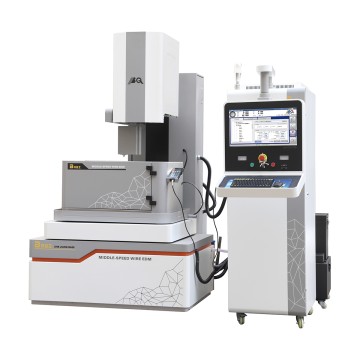
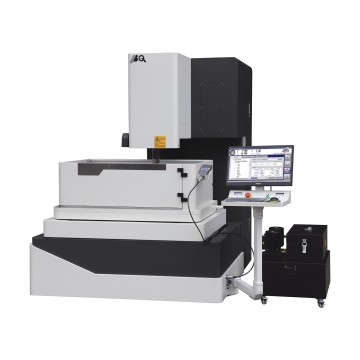
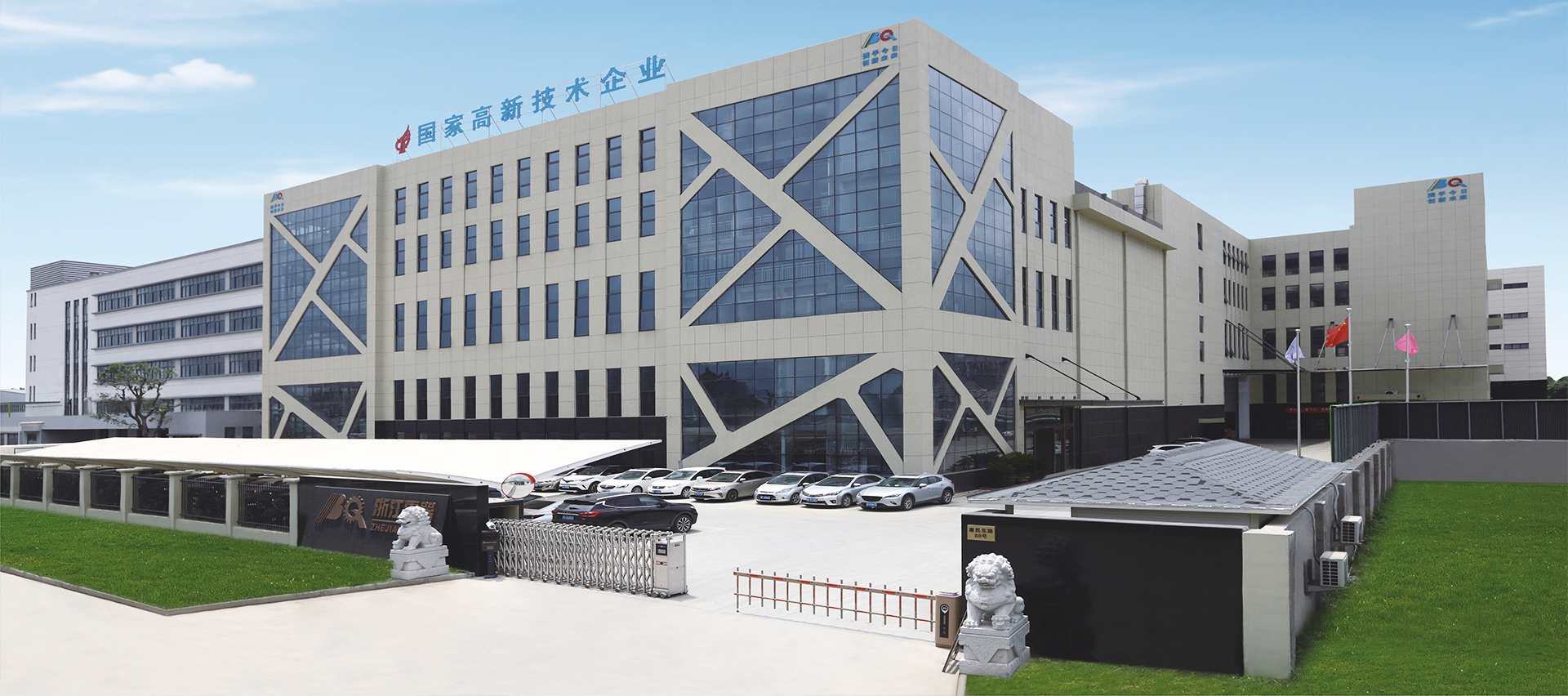
Zhejiang Baqi Intelligent Equipment Co., Ltd. is a modern technology-based enterprise engaged in the research, development, production, and sales of medium-speed wire EDM machines. It has a strong R&D team engaged in the development of core processing software, hardware, and intelligent integration.
It possesses tens of thousands of square meters of constant temperature assembly workshops and imported pentahedral horizontal machining centers, guideway grinding machine and testing equipment, to ensure the progressiveness and stability of products. The product is widely used in hardware molds, plastic molds, tooling and metallurgy tools, auto parts, military defense, ships and other supporting projects in many fields.
The company has a quality management system, sales management system, and after-sales management system that strictly follow advanced operating procedures, standardized execution, fully recognized by customers. The product has covered various domestic markets as well as international markets such as Vietnam and Russia.
The company puts customers at the center, with the core concept of "Precision casting of Baqi powerful tools, intelligent expansion of the future", and strives to provide global special processing services one-stop supporting solutions.

Understanding the commercial and industrial landscape driving demand for precision CNC EDM solutions worldwide
The global mold and die manufacturing market exceeded USD 80 billion in 2023 and is projected to grow at a CAGR of over 5.2% through 2030. CNC wire EDM machines are at the heart of this growth, enabling manufacturers to achieve tolerances below ±0.002mm — a standard increasingly demanded by automotive, aerospace, and electronics sectors. Asia-Pacific dominates production volume, with China, Japan, and South Korea accounting for nearly 65% of global mold output.
Modern mold and die components increasingly use hardened tool steels (D2, H13, P20), carbide, and exotic alloys that are extremely difficult to machine with conventional cutting tools. CNC wire EDM technology addresses this challenge by cutting through any electrically conductive material regardless of hardness, making it the preferred method for producing complex punch-and-die sets, progressive dies, and precision core-cavity inserts without inducing mechanical stress.
Industry 4.0 is reshaping mold shops globally. Leading EDM manufacturers now integrate AI-driven adaptive control systems, real-time spark gap monitoring, and IoT-enabled remote diagnostics into their CNC wire cutting machines. These smart features reduce operator intervention, optimize cutting parameters automatically, and deliver consistent surface finishes (Ra ≤0.4μm) across long unmanned production runs — a critical advantage for high-volume die manufacturing facilities.
Chinese CNC wire EDM manufacturers have made significant strides in international competitiveness, capturing growing market share in Southeast Asia, Eastern Europe, South Asia, and Latin America. Countries like Vietnam, Russia, India, and Brazil represent rapidly expanding markets where cost-effective yet high-precision EDM solutions are in strong demand for local mold manufacturing industries serving consumer electronics, automotive, and packaging sectors.
For mold and die manufacturers, CNC wire EDM delivers compelling ROI. Compared to traditional grinding and milling, wire EDM reduces secondary finishing operations by up to 70%, eliminates the need for expensive form-grinding wheels, and enables single-setup complex geometry cutting. Medium-speed machines with multi-cut technology achieve mirror-like surface finishes (Ra 0.2–0.6μm), directly reducing polishing labor costs and shortening overall mold delivery cycles by 20–35%.
International buyers increasingly require EDM machine suppliers to hold ISO 9001 quality management certifications, CE marking for European markets, and compliance with JIS/DIN dimensional standards. Machines used in aerospace and medical device mold production must demonstrate traceable calibration records and geometric accuracy reports. These quality benchmarks drive manufacturers like Baqi to maintain constant-temperature assembly workshops and rigorous multi-stage inspection protocols.
Wire EDM technology enables manufacturers to cut intricate die profiles, narrow slots, sharp internal corners, and complex 3D tapered surfaces in fully hardened tool steel with zero mechanical cutting forces — preserving material integrity, eliminating distortion, and achieving repeatable accuracies that conventional CNC milling simply cannot match. For mold makers worldwide, this translates directly into faster time-to-market, lower scrap rates, and superior mold longevity.
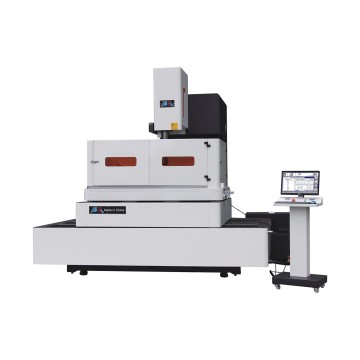
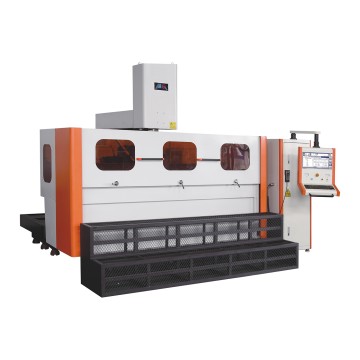
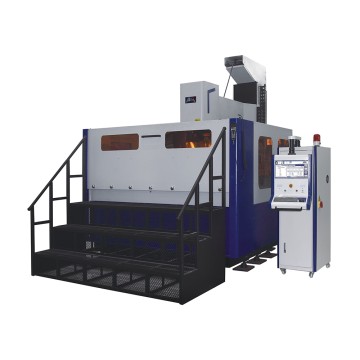
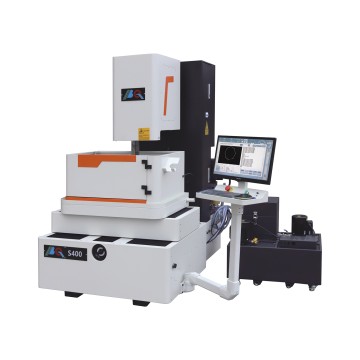
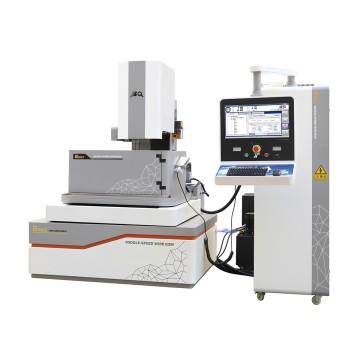
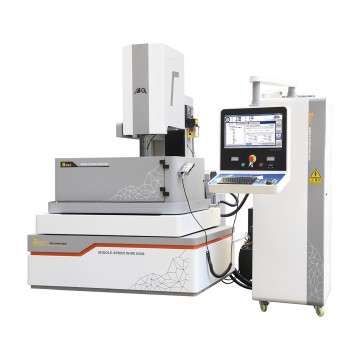
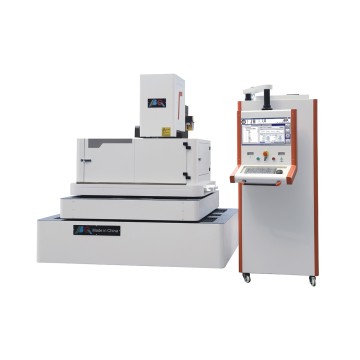
Quality first, customer first, and credit-based — Baqi's most demanded wire EDM solutions for mold cavity and die insert machining
Key technological directions shaping the next generation of wire EDM solutions in mold manufacturing
Next-generation CNC wire EDM systems are incorporating machine learning algorithms that continuously analyze spark discharge data to auto-adjust pulse parameters, wire tension, and feed rates in real time. This AI-driven control eliminates wire breakage, optimizes material removal rates, and maintains surface quality consistency across complex mold geometries — even during unattended overnight production runs. For die shops, this means fewer rejects and dramatically reduced setup times for repeat mold orders.
Modern EDM machines are increasingly equipped with OPC-UA communication protocols, enabling seamless integration with MES (Manufacturing Execution Systems) and ERP platforms. Remote monitoring dashboards allow mold shop managers to track machine utilization, cutting progress, and maintenance alerts from any device worldwide. Predictive maintenance algorithms analyze motor loads, guide wear, and dielectric fluid conditions to schedule servicing before failures occur — maximizing uptime for high-demand mold production schedules.
The evolution from 4-axis to 5-axis and 10-axis CNC wire EDM systems has opened entirely new possibilities for mold and die geometry. Advanced taper cutting capabilities (up to ±45°) allow single-setup production of complex draft angles for injection mold cores, progressive die punch profiles, and extrusion die orifices. Simultaneous multi-axis interpolation enables the cutting of twisted ruled surfaces and non-linear tapers that previously required multiple setups or specialized grinding operations.
Sustainability is becoming a key purchasing criterion for mold manufacturers globally. New-generation EDM machines feature energy-recovery power supplies that recapture up to 30% of discharge energy, low-consumption dielectric filtration systems, and intelligent standby modes that reduce idle power draw by 60%. Environmentally compliant dielectric fluids and closed-loop water recycling systems help mold shops meet increasingly strict environmental regulations in Europe, Japan, and North America while reducing operating costs.
The push toward micro-mold manufacturing — particularly for medical device components, micro-connectors, and optical lens molds — is driving demand for ultra-fine wire EDM capability using 0.05–0.07mm diameter wires. These systems achieve cutting accuracies of ±0.001mm and surface finishes of Ra ≤0.1μm, eliminating the need for post-EDM polishing in many precision mold applications. This capability is increasingly critical for electronics mold makers producing sub-millimeter features.
Lights-out manufacturing is becoming the standard for competitive mold shops. CNC wire EDM machines are now routinely integrated with robotic workpiece loading systems, automatic wire threading (AWT) mechanisms, and pallet-changing systems that allow continuous 24/7 operation with minimal human intervention. Automated electrode and workpiece libraries managed by central scheduling software enable a single operator to oversee 6–8 EDM machines simultaneously — transforming the economics of small-to-medium mold shops.
Where Baqi CNC Wire EDM machines deliver the most critical precision advantages across industries
High-volume automotive body panel stamping dies require extreme hardness and wear resistance. Wire EDM machines cut progressive die components from D2 and M2 tool steel at hardness levels up to 62 HRC, producing burr-free, stress-free profiles that extend die life by 40–60% compared to conventionally machined tooling.
Injection molds for syringes, implant components, and diagnostic device housings demand surface finishes of Ra ≤0.2μm and dimensional tolerances of ±0.003mm. CNC wire EDM is the only practical method for cutting the intricate lifter slots, ejector pin holes, and micro-feature cavities required in Class II and III medical molds without risk of thermal distortion.
Aircraft structural component dies and forming tools made from Inconel, titanium alloys, and high-speed steels are virtually impossible to machine economically with conventional methods. Wire EDM processes these materials with equal efficiency regardless of hardness, enabling aerospace suppliers to produce complex contoured die profiles, precision jig components, and turbine blade forming tools to AS9100 quality standards.
Smartphone housing molds, connector molds, and PCB assembly fixtures demand extreme precision at high production volumes. Wire EDM machines produce the micro-slots, fine parting lines, and intricate ejector systems in hardened stainless and beryllium copper inserts that define the cosmetic quality of consumer electronics. Baqi's multi-cut technology achieves the Ra 0.2μm finishes required to eliminate hand-polishing in Class A surface molds.
Progressive stamping dies for electrical connectors, terminal strips, and contact springs require cutting accuracies of ±0.002mm across complex multi-station profiles. Wire EDM's ability to cut fine pitch features (0.3–0.5mm slots) in hardened die steel makes it indispensable for connector manufacturers producing high-density pin arrays and precision spring contact geometries for 5G infrastructure and EV battery management systems.
Cold forming dies, thread rolling dies, and extrusion tooling for fastener and hardware production require exceptional edge sharpness and dimensional consistency. CNC wire EDM produces the complex die profiles, relief angles, and form radii in carbide and tool steel that define product quality and die longevity. Baqi's machines are widely deployed in hardware tooling workshops across China and Southeast Asia for exactly these demanding applications.
Explore Baqi's full lineup of medium-speed CNC wire cutting EDM machines — precision-built for every mold and die manufacturing requirement