Leave Your Message
Precision-engineered medium-speed CNC wire cutting EDM machines — delivering micron-level accuracy for complex mold cavities and die profiles.
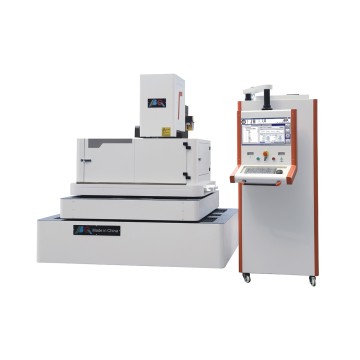
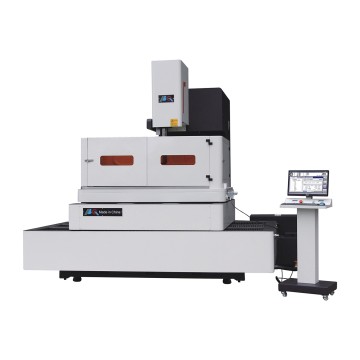
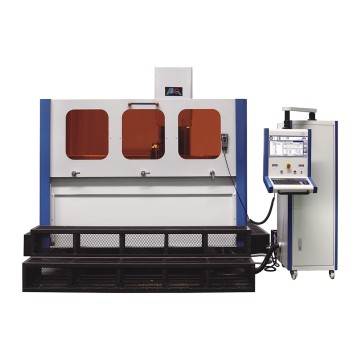
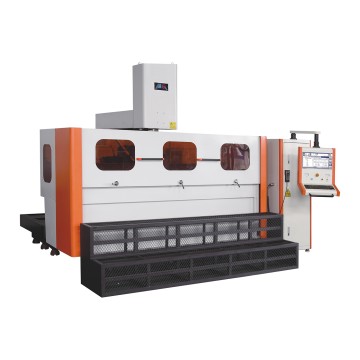
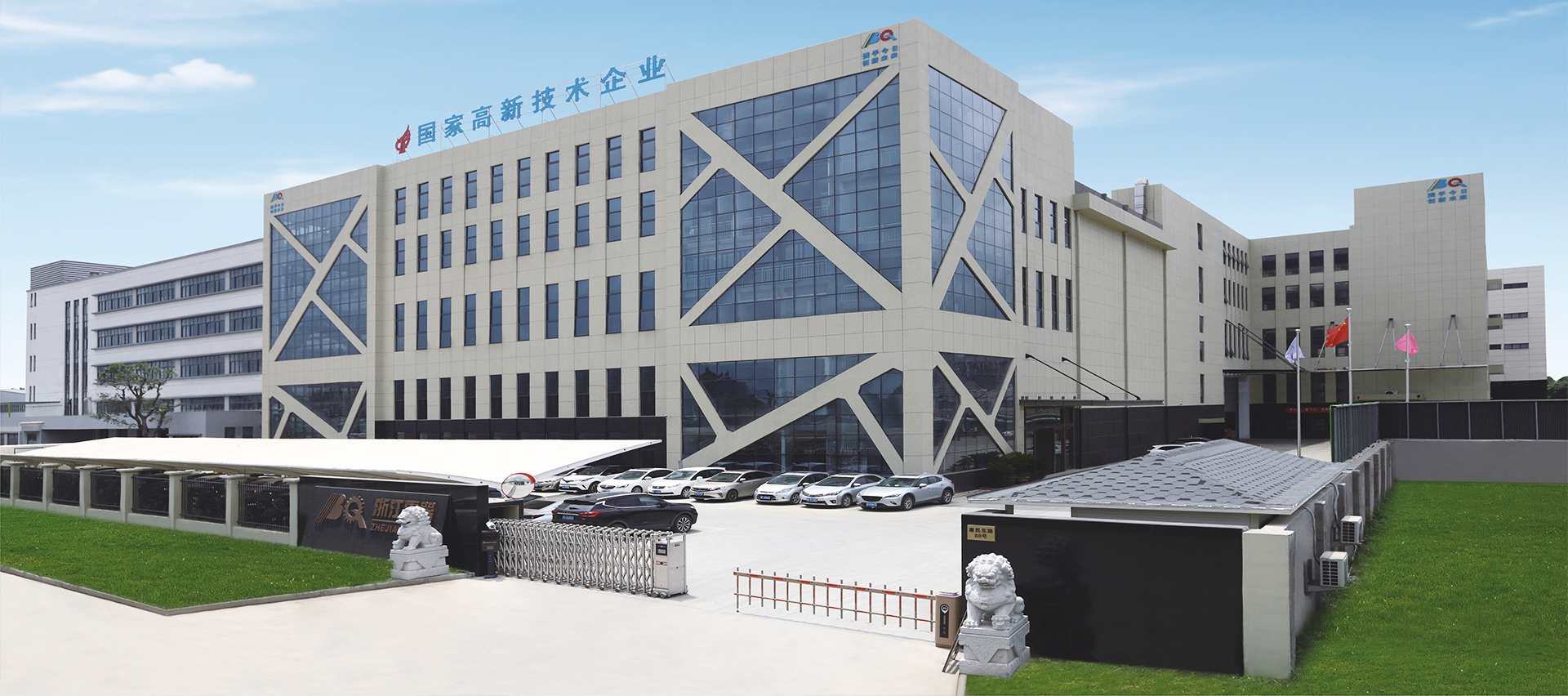
Zhejiang Baqi Intelligent Equipment Co., Ltd. is a modern technology-based enterprise engaged in the research, development, production, and sales of medium-speed wire EDM machines. It has a strong R&D team engaged in the development of core processing software, hardware, and intelligent integration.
It possesses tens of thousands of square meters of constant temperature assembly workshops and imported pentahedral horizontal machining centers, guideway grinding machine and testing equipment, to ensure the progressiveness and stability of products. The product is widely used in hardware molds, plastic molds, tooling and metallurgy tools, auto parts, military defense, ships and other supporting projects in many fields.
The company has a quality management system, sales management system, and after-sales management system that strictly follow advanced operating procedures, standardized execution, fully recognized by customers. The product has covered various domestic markets as well as international markets such as Vietnam and Russia.
The company puts customers at the center, with the core concept of "Precision casting of Baqi powerful tools, intelligent expansion of the future", and strives to provide global special processing services one-stop supporting solutions.

The global mold and die manufacturing industry is undergoing rapid transformation, driven by tightening precision requirements, shorter product cycles, and the integration of smart manufacturing technologies.
The global mold and die market exceeded USD 50 billion in 2023, with CNC EDM and wire-cutting machines accounting for a significant share of capital investment. Asia-Pacific — particularly China, Japan, and South Korea — dominates production, while North America and Europe lead in high-precision aerospace and automotive tooling.
Modern injection molds, stamping dies, and progressive dies demand surface roughness values below Ra 0.4 μm and dimensional tolerances within ±2 μm. CMS CNC wire EDM machines are uniquely positioned to meet these requirements through multi-axis linkage, intelligent adaptive control, and closed-loop feedback systems.
Leading manufacturers are integrating CNC EDM machines into MES (Manufacturing Execution Systems) and IIoT platforms. Real-time data collection on cutting parameters, wire consumption, and machine health enables predictive maintenance, remote diagnostics, and production scheduling optimization — reducing downtime by up to 35%.
Countries like Vietnam, India, Mexico, and Turkey are rapidly expanding their mold-making capacity to support electronics, automotive, and consumer goods manufacturing. Chinese CNC EDM suppliers such as Baqi are capturing significant market share by offering high-performance machines at competitive price points with comprehensive after-sales support.
Artificial intelligence is now embedded in next-generation CNC EDM controllers, automatically adjusting pulse energy, servo feed rate, and flushing pressure based on material type and geometry. This AI-driven approach reduces operator dependency, shortens setup time, and consistently delivers optimal surface finish and cutting speed.
Energy efficiency and waste reduction are becoming critical purchasing criteria. Modern medium-speed wire EDM machines feature energy-saving servo drives, molybdenum wire recycling systems, and dielectric fluid filtration, reducing operational costs and environmental footprint — aligning with global ESG manufacturing standards.
Technology evolution is reshaping how mold and die manufacturers select, operate, and integrate CNC wire cutting EDM equipment.
The evolution from 3-axis to 5-axis and now 10-axis CNC wire EDM represents a quantum leap in machining capability. Multi-axis linkage enables simultaneous contouring of complex ruled surfaces, taper cuts up to ±45°, and compound-angle profiles — essential for producing turbine blade dies, helical gear molds, and intricate progressive stamping tools in a single setup without re-fixturing.
Before a single spark is generated, digital twin technology allows mold makers to simulate the entire EDM process virtually — predicting surface finish, cutting time, and wire wear. This simulation-first approach eliminates costly trial cuts, reduces material waste, and compresses new mold development cycles from weeks to days.
Next-generation CNC EDM controllers use machine learning algorithms to continuously adapt discharge parameters in response to changing workpiece conditions. This self-optimizing capability is particularly valuable when cutting heterogeneous tool steels (P20, H13, D2, S7) where hardness variations can cause wire breakage and dimensional errors in conventional systems.
Automated wire threading, robotic workpiece loading, and unmanned overnight operation are becoming standard features in high-end CNC EDM installations. Mold shops can now run complex die components unattended for 16–20 hours per day, dramatically improving machine utilization rates and reducing labor costs per part.
Cloud-based monitoring platforms aggregate real-time data from multiple CNC EDM machines across different facilities, providing production managers with live dashboards showing OEE (Overall Equipment Effectiveness), cutting progress, alarm history, and energy consumption. This connectivity enables global mold-making operations to optimize resource allocation and respond rapidly to quality deviations.
CMS (Computer-controlled Medium-Speed) CNC wire cutting EDM machines combine the high cutting speed of fast-wire systems with the superior surface finish capability of slow-wire technology — delivering the optimal balance of productivity, precision, and cost-efficiency demanded by today's mold and die manufacturers. With multi-cut capability, intelligent pulse generators, and advanced servo control, CMS CNC EDM machines achieve surface roughness Ra ≤ 0.8 μm and dimensional accuracy within ±0.003 mm on hardened tool steels up to 500 HV.
CMS CNC wire EDM machines address the most demanding precision challenges across diverse mold and die manufacturing sectors.
Progressive stamping dies require punches and die inserts machined to tolerances within ±0.002 mm with perfectly matched clearances. CMS CNC EDM machines cut hardened D2 and M2 tool steel inserts with consistent geometry across high-volume production runs, eliminating hand-fitting and ensuring interchangeability of die components — critical for automotive body panel stamping and electronics connector manufacturing.
Complex injection mold cores with deep ribs, thin walls, and intricate cooling channel profiles are ideally suited for CMS CNC wire EDM. The non-contact cutting process eliminates cutting forces that would deflect thin features, while multi-cut finishing passes achieve mirror-like surfaces (Ra ≤ 0.4 μm) that reduce post-machining polishing time by over 60% in plastic optical lens mold production.
High-strength steel forming dies for automotive structural components demand exceptional hardness (58–62 HRC) and complex 3D profiles. CMS CNC EDM's 10-axis big-swing capability enables the production of large-format dies (up to 1,600 × 1,200 mm) with compound taper angles — serving automotive OEMs and Tier-1 suppliers producing door panels, chassis brackets, and transmission components.
Aerospace tooling demands extreme material capabilities — cutting nickel superalloys (Inconel 718), titanium alloys, and tungsten carbide composites that are impossible to machine with conventional cutting tools. CMS CNC wire EDM processes these exotic materials with equal precision regardless of hardness, making it indispensable for producing turbine blade investment casting dies, composite layup tools, and precision jigs for aircraft structural assembly.
The miniaturization trend in consumer electronics demands micro-molds for connectors, IC packaging, and MEMS components with feature sizes below 0.1 mm. CMS CNC EDM machines equipped with fine-wire capability (0.1–0.18 mm molybdenum wire) and high-resolution positioning systems (0.001 mm resolution) enable the production of micro-cavity molds that support the manufacture of next-generation smartphones, wearables, and IoT devices.
Aluminum and copper extrusion dies require precisely shaped orifices with smooth, burr-free surfaces to control material flow and ensure consistent extruded profile dimensions. CMS CNC wire EDM produces extrusion die openings with ±0.005 mm accuracy and Ra ≤ 1.6 μm surface finish, eliminating the manual die-sinking operations that traditionally bottleneck extrusion die production in the construction and automotive industries.
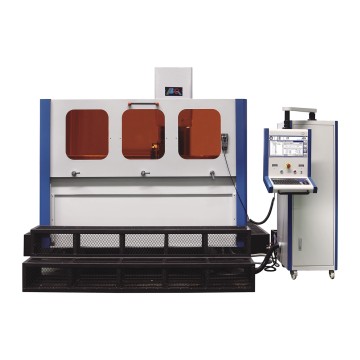
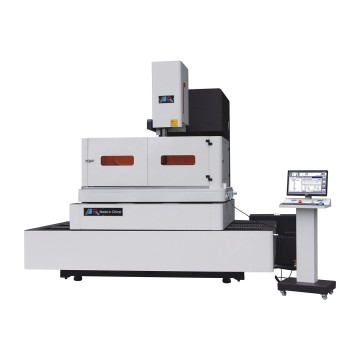
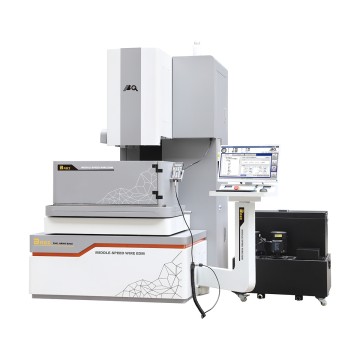
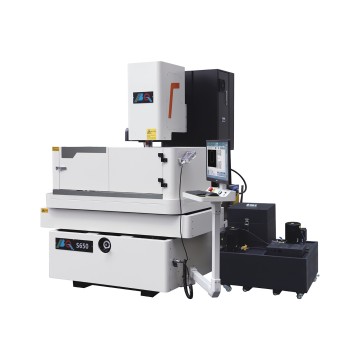
Baqi Intelligent's medium-speed molybdenum wire EDM series — engineered for mold & die precision across every application scale.
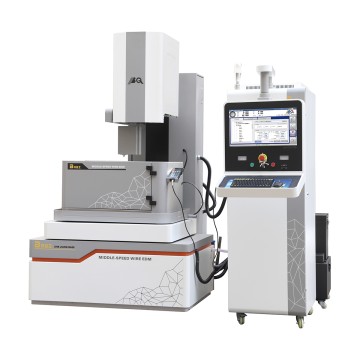
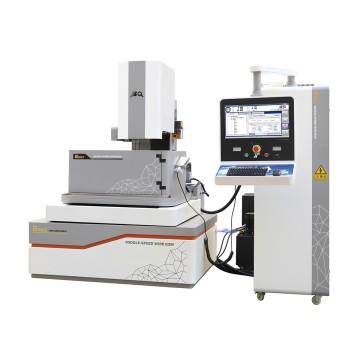
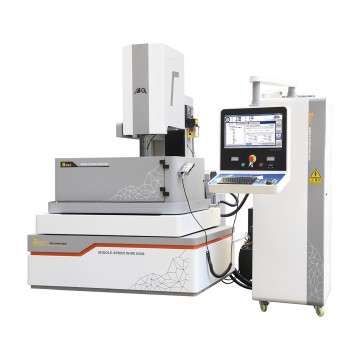
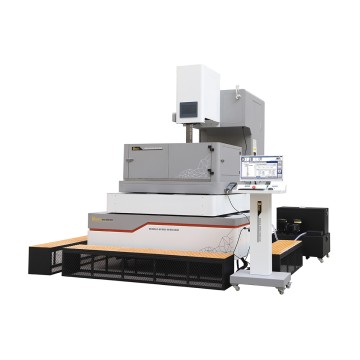
Explore our full lineup of high-precision medium-speed CNC wire cutting EDM machines — purpose-built for every mold and die manufacturing challenge.