
Leave Your Message
Cameroon, often referred to as "Africa in miniature," is currently experiencing a significant industrial transformation. As the largest economy in the Central African Economic and Monetary Community (CEMAC), Cameroon is positioning itself as a regional hub for manufacturing, mining, and infrastructure development. Under the "Vision 2035" national development plan, the Cameroonian government is heavily investing in local industrialization to reduce reliance on imports. This shift has created an unprecedented demand for high-precision tools, specifically CE Certification CNC Touch Probes.
In major industrial centers like Douala and Yaoundé, factories are moving away from manual machining toward Computer Numerical Control (CNC) automation. Whether it's for the emerging automotive assembly plants, the vast timber processing industry, or the maintenance of mining equipment in the East Region, precision is no longer optional—it is a requirement for global competitiveness. CNC Touch Probes serve as the "eyes" of the machine, ensuring that every cut, drill, and mill is executed with sub-micron accuracy.
Ensuring international safety and performance standards for all Cameroonian industrial imports.
Sub-micron accuracy for complex parts used in mining, agriculture, and aerospace sectors.
Designed to integrate seamlessly with existing CNC infrastructure in Douala and beyond.
The implementation of CNC touch probes in Cameroonian factories addresses several local challenges. First, the reduction of material waste is crucial in a market where raw material costs can fluctuate. By using touch probes for automatic workpiece alignment and tool measurement, operators can eliminate human error, which is the primary cause of scrapped parts. Second, the ability to perform "in-process" inspection allows local manufacturers to maintain high quality without needing expensive external laboratory testing.

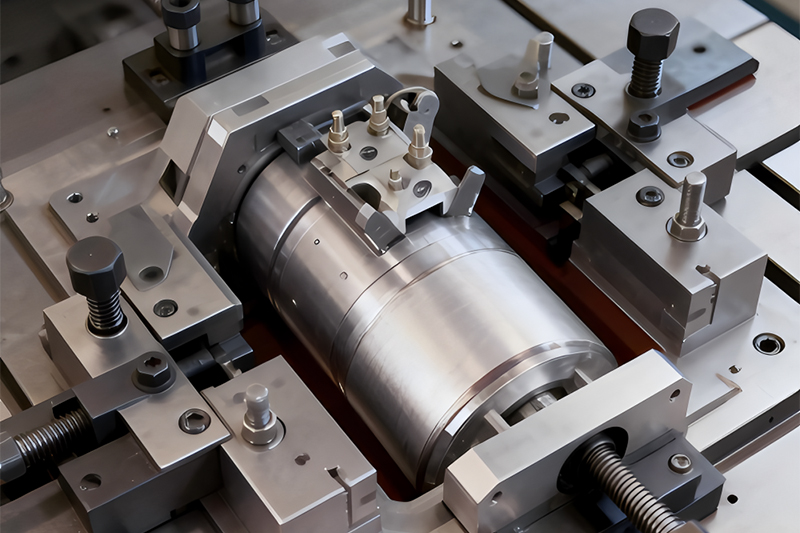
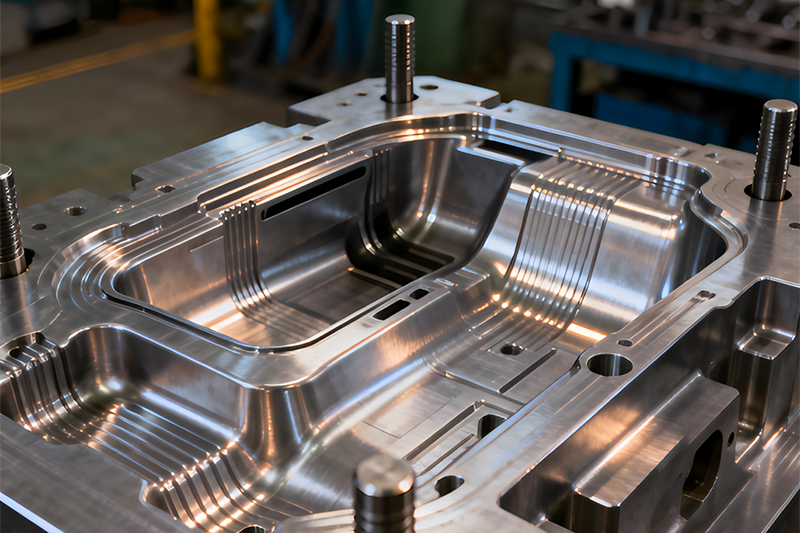

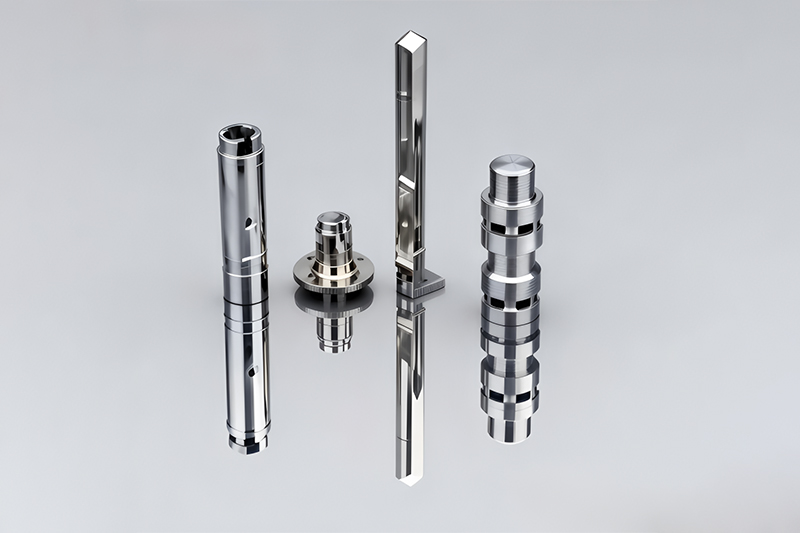

The "Smart Factory" concept is slowly but surely taking root in West and Central Africa. Suppliers of CNC Touch Probes are seeing a shift in how Cameroonian business owners approach technology. It is no longer just about buying a machine; it is about the ecosystem of precision that surrounds it. CE Certification has become a critical filter for local procurement officers. Because European and international standards ensure that the equipment can withstand the electrical fluctuations and environmental conditions often found in tropical industrial zones, CE-marked probes are favored for their durability and safety.
1. Mining Equipment Maintenance: In the mining regions of Betare Oya or Batouri, the downtime of heavy machinery can cost thousands of dollars per hour. Local workshops are now using CNC machines equipped with touch probes to reverse-engineer and manufacture replacement parts locally, significantly reducing lead times compared to shipping parts from Europe or Asia.
2. Agriculture and Food Processing: Cameroon is an agricultural powerhouse. The maintenance of high-speed sorting machines and packaging lines requires precision parts. CNC touch probes allow local shops to create custom gears and components that fit perfectly every time, ensuring the food supply chain remains uninterrupted.
3. Timber and Woodworking: As the government pushes for more "secondary" and "tertiary" processing of timber within Cameroon, the complexity of wood-based products is increasing. Precision CNC machining of molds for wood-plastic composites is a growing niche where touch probes are indispensable.
While the demand is high, suppliers must navigate the unique logistical landscape of Cameroon. Port congestion in Douala and the need for localized technical support are common hurdles. Leading factories and suppliers are now offering comprehensive training programs for Cameroonian technicians, ensuring that the advanced features of a CE-certified CNC touch probe—such as automatic thermal compensation and wireless signal transmission—are fully utilized.
Moreover, the integration of Industry 4.0 features, such as remote monitoring via mobile networks (which are widely available in Cameroon), is becoming a major selling point. Imagine a shop manager in Yaoundé receiving a real-time update on his smartphone regarding the accuracy of a production run in a factory 200 kilometers away. This is the future that CNC touch probe technology is enabling today.
When searching for "CNC Touch Probe Factories & Suppliers in the Cameroon market," industrial buyers should look beyond the price tag. Reliability is the most valuable currency in African manufacturing. A supplier that provides CE-certified equipment demonstrates a commitment to quality that translates to longer machine life and higher safety for operators.
In conclusion, the Cameroon market is at a tipping point. The transition to high-precision CNC machining is essential for the country to achieve its industrial goals. By partnering with reputable suppliers of CE-certified CNC touch probes, Cameroonian enterprises can ensure they are built on a foundation of accuracy, efficiency, and global standards. As the industrial engine of Central Africa continues to roar, those who invest in precision today will lead the market tomorrow.
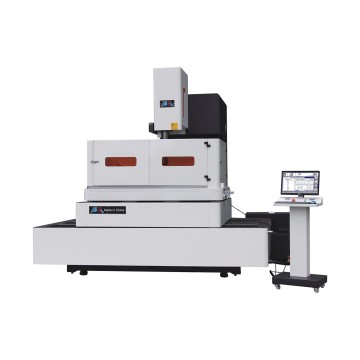 10 Axis BQ1080DYB - Industrial Precision for Douala
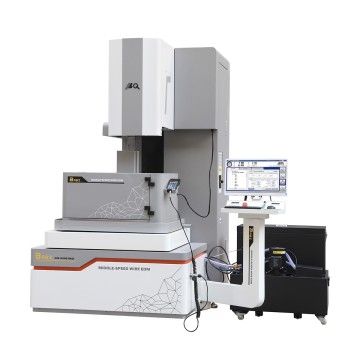 High Precision BQY500 - Leading Technology for Yaoundé
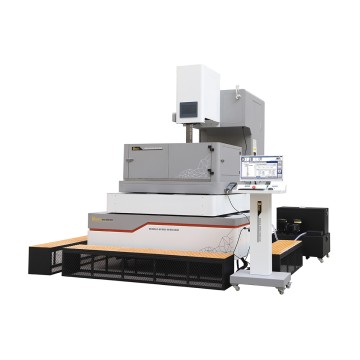 5 Axis BQ800 - Versatile Industrial Wire Cutting Solutions
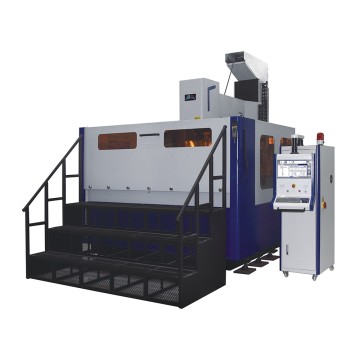 10 Axis BQ2012DYB - High Efficiency for Large Scale Factories
BQ800 CNC Solutions - Top Tier Suppliers for Cameroon
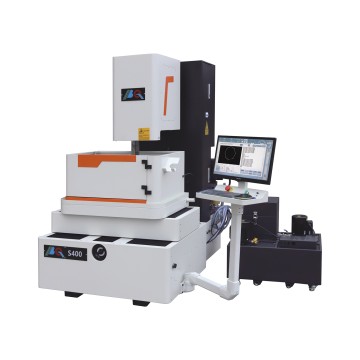 BQS400 Molybdenum Wire EDM - High Efficiency Cutting
10 Axis Linkage BQ1080DYB - Advanced Precision Industries
Integrated BQY500 - Seamless CNC EDM for Local Workshops