
Leave Your Message
Explore our flagship Brass Wire Cut EDM solutions engineered for the highest standards of gear and precision component manufacturing.
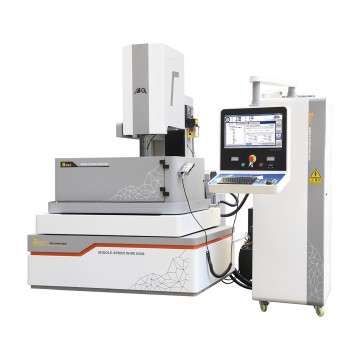
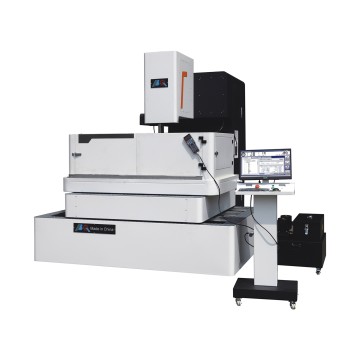
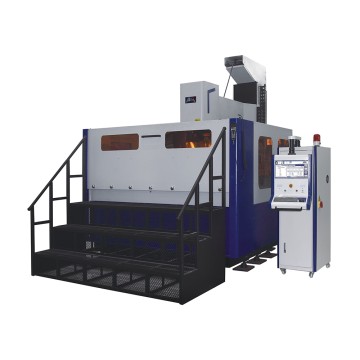
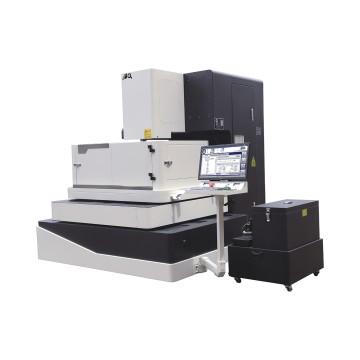
Brass Wire Cut Electrical Discharge Machining (Wire EDM) is a non-contact, thermally driven subtractive manufacturing process that uses a continuously moving brass wire electrode — typically 0.1 mm to 0.3 mm in diameter — to cut electrically conductive materials with extraordinary accuracy. Electrical sparks discharge between the wire and the workpiece through a dielectric fluid, eroding material with micron-level precision.
Unlike conventional milling or grinding, Brass Wire Cut EDM exerts zero mechanical cutting force on the workpiece. This makes it uniquely capable of machining hardened tool steels, carbides, and exotic alloys without inducing stress, deformation, or micro-cracks — qualities that are absolutely critical in gear and precision machinery manufacturing where dimensional stability determines performance and longevity.
🔬 Modern Brass Wire EDM machines achieve positioning accuracy of ±0.001 mm and surface roughness values as low as Ra 0.2 µm — enabling gear tooth profiles and precision cam geometries impossible to achieve by any other method.
Positioning Accuracy — Micron-Level Gear Tooth Precision
Surface Roughness — Mirror-Finish Gear Flanks Achievable
Global Wire EDM Market Size by 2030 (CAGR ~6.8%)
The choice of electrode wire directly determines cutting speed, surface integrity, and dimensional consistency. Brass wire dominates industrial Wire EDM for compelling technical and economic reasons.
Brass wire's high electrical conductivity enables stable, consistent spark discharges, resulting in uniform material removal and predictable surface finish across complex gear profiles.
High tensile brass wire (up to 900 N/mm²) minimizes wire breakage during aggressive cutting of hardened steels and carbides used in industrial gears and precision shafts.
Zinc-coated brass wire variants improve flushing efficiency and cutting speed by up to 30%, critical for high-throughput gear tooth slot machining in production environments.
Tight wire diameter tolerances (±0.001 mm) ensure repeatable kerf widths, enabling gear manufacturers to maintain tight pitch tolerances across large batch production runs.
Compared to molybdenum wire, brass wire offers superior surface finish and speed at competitive cost, making it the preferred choice for commercial precision gear manufacturing.
Spent brass wire is fully recyclable, aligning with ISO 14001 environmental management standards increasingly mandated by automotive and aerospace supply chains.
Gear manufacturing demands tolerances and surface qualities that push the limits of conventional machining. Brass Wire Cut EDM addresses each critical stage with unmatched precision.
Wire EDM precisely cuts gear blanks from hardened stock — including D2, M2 HSS, and cemented carbide — without annealing, preserving full material hardness from day one.
CNC-controlled multi-axis Wire EDM generates mathematically perfect involute tooth profiles, helical gears, and bevel gear geometries with pitch errors below 3 µm — far exceeding hobbing or grinding limits for small-batch specialty gears.
Internal keyways, spline bores, and precision holes in gear hubs are machined to H6/H7 tolerance classes in a single setup, eliminating secondary broaching operations and reducing lead time by up to 40%.
From single prototype gears for motorsport applications to production runs of 500+ precision planetary gear sets, Brass Wire EDM scales seamlessly with zero tooling changeover cost.
The global Wire EDM market is undergoing rapid transformation driven by electrification, miniaturization, and the reshoring of precision manufacturing. Understanding these dynamics is essential for procurement and engineering decision-makers.
The global shift to electric vehicles is creating unprecedented demand for precision gears in e-axle drive units, reduction gearboxes, and motor shaft assemblies. EV powertrain gears require DIN 4–6 accuracy grades achievable only through Wire EDM finishing, driving a projected 18% CAGR in automotive EDM applications through 2028.
Collaborative robots (cobots) and industrial automation systems depend on zero-backlash harmonic drive gears and cycloidal reducers with tolerances under 2 µm. Brass Wire EDM is the only viable manufacturing route for these components at commercial volumes, making it indispensable to the $60B+ global robotics supply chain.
Aerospace actuator gears, turbine blade root profiles, and fuel system components demand AS9100-certified machining with traceability. Brass Wire EDM's non-contact process eliminates heat-affected zones in Inconel and titanium alloys, meeting NADCAP process qualification requirements.
Post-pandemic supply chain restructuring is driving manufacturers in North America, Europe, and Southeast Asia to invest in domestic precision machining capacity. Brass Wire EDM machines offer the versatility to handle diverse gear families on a single platform, making them a cornerstone of reshoring investment strategies.
Next-generation Wire EDM controllers integrate machine learning algorithms that self-optimize spark parameters in real time, reducing wire breaks by 35% and improving cutting speed by 20% on complex gear profiles. This AI integration is transforming Wire EDM from a skilled-operator-dependent process to a lights-out manufacturing capability.
China, Japan, South Korea, and Taiwan collectively account for over 68% of global Wire EDM machine consumption. Domestic Chinese manufacturers like Baqi EDM are rapidly closing the technology gap with Japanese and Swiss competitors, offering advanced multi-axis Brass Wire EDM platforms at highly competitive price points for global export markets.
The Wire EDM industry is evolving at an accelerating pace. These are the defining technological and commercial trends that precision machinery and gear manufacturers must track.
Modern Brass Wire EDM platforms now support up to 10-axis simultaneous interpolation, enabling the production of helical gears, conical surfaces, and complex cam profiles in a single uninterrupted operation. This eliminates fixture repositioning errors and dramatically reduces cycle times for precision machinery components requiring compound angle cuts.
Advanced CNC systems with real-time gap voltage monitoring and adaptive feed control maintain optimal spark conditions even as material properties vary across a gear blank. This results in consistent surface finish and dimensional accuracy without manual intervention, enabling 24/7 unmanned production of precision gears.
Ultra-short pulse (nanosecond) power generators reduce the heat-affected zone to below 1 µm, enabling Wire EDM of cemented carbide gear dies and PCD cutting tools without micro-cracking. This expands the application scope to ultra-hard materials previously considered unmachineable by EDM.
Industry 4.0-connected Wire EDM machines transmit real-time performance data to cloud platforms, enabling predictive maintenance scheduling, remote diagnostics, and production KPI monitoring. For gear manufacturers running multi-machine cells, this connectivity reduces unplanned downtime by up to 45% and improves OEE significantly.
Emerging hybrid machine platforms combine Wire EDM roughing with in-situ precision grinding finishing in a single setup. For precision gear manufacturers, this eliminates the thermal distortion risk of transferring hardened gear blanks between machines, achieving final DIN 4 accuracy without additional handling.
New deionized water-based dielectric systems with closed-loop filtration and resin regeneration reduce water consumption by 60% and eliminate hazardous waste disposal costs. For gear manufacturers pursuing ISO 14001 certification, these systems provide a measurable environmental compliance advantage.

The medium speed wire EDM, with its core characteristics of high precision and surface quality, is the definitive manufacturing solution for harmonic drive gears, cycloidal disc profiles, and zero-backlash actuator components used in industrial and collaborative robots.
Read More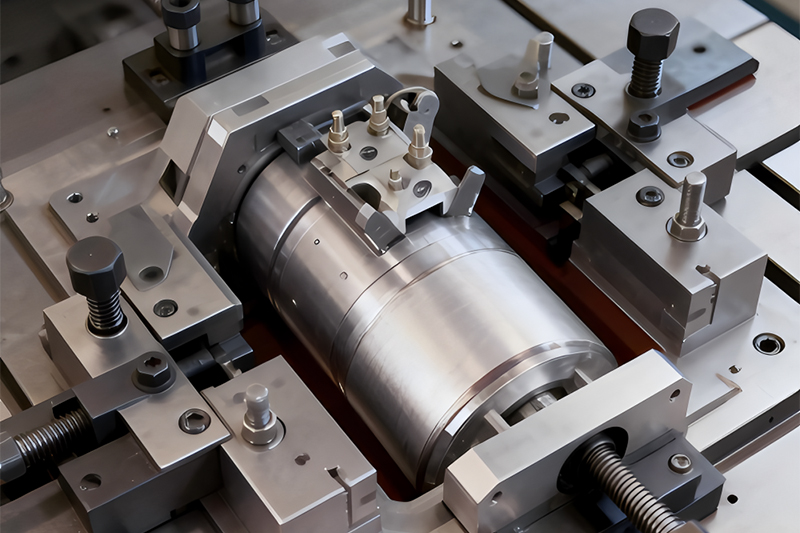
In the mechanical processing industry, wire cutting plays a dual role of universal machining supplement and precision finishing. It is the preferred method for producing spur gears, helical gears, and precision shafts where conventional hobbing or grinding cannot meet tolerance requirements.
Read More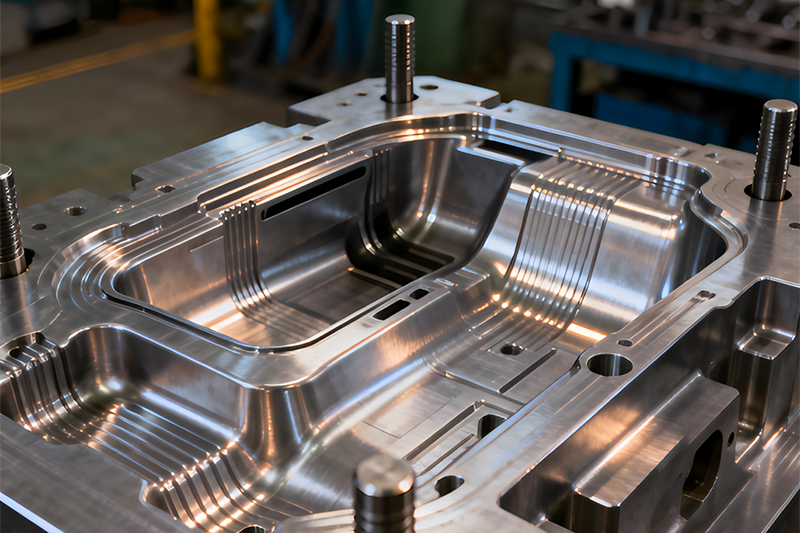
The core advantage of wire cutting in the automotive industry lies in its high efficiency, high precision, and stability for producing transmission gears, differential components, and EV e-axle reduction gears to DIN 5–6 accuracy classes with full traceability.
Read More
The application of wire cutting in the medical industry represents a typical extension of its precision machining capability — producing micro-gears for surgical robots, implantable device drive mechanisms, and diagnostic equipment components with biocompatible material compatibility.
Read More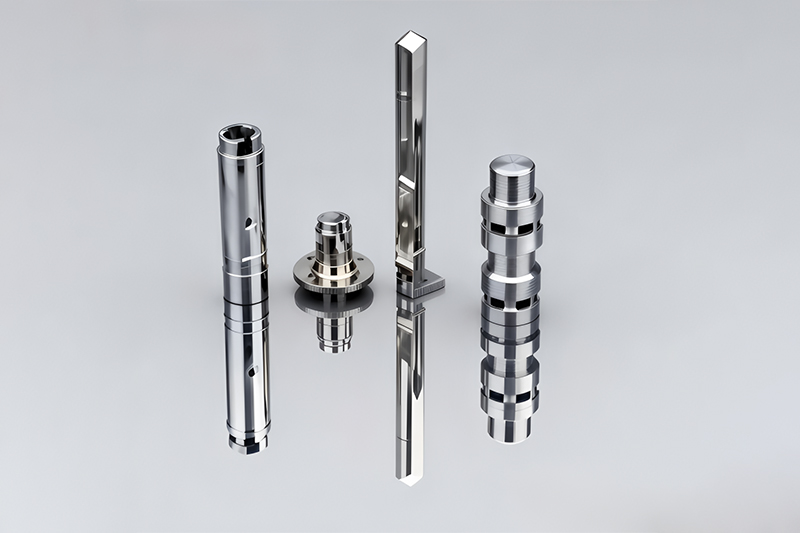
Wire-cutting EDM CNC machine tools occupy an irreplaceable core position in the mold and tool industry — producing gear forming dies, progressive stamping tools, and powder metal compaction tooling with EDM-hardened surfaces that outlast conventionally machined counterparts by 3–5x.
Read More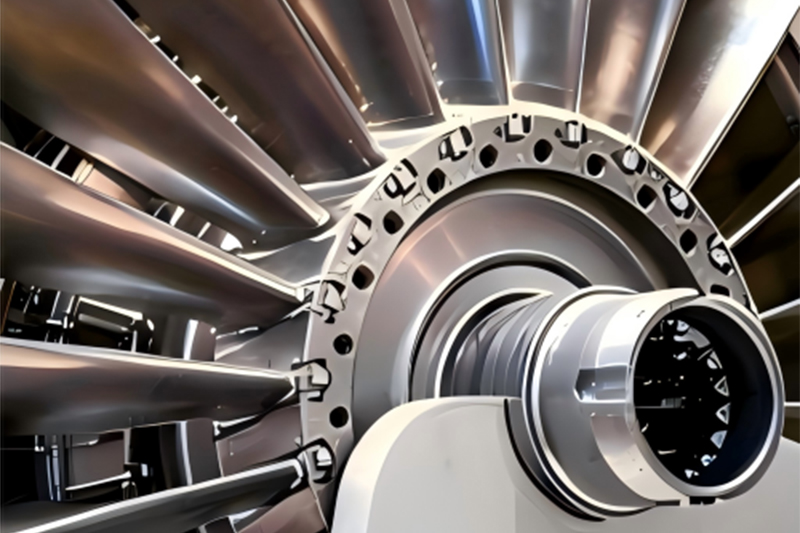
The application of wire cutting in the aerospace industry represents the pinnacle of its machining capability — producing turbine gear stages, actuator drive components, and flight-critical structural parts from Inconel, titanium, and aerospace-grade steel with NADCAP-compliant process control.
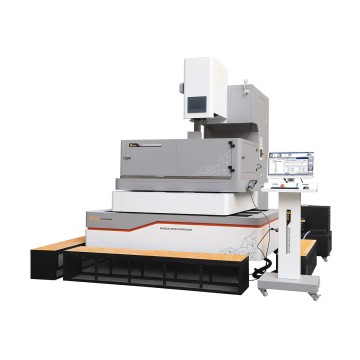
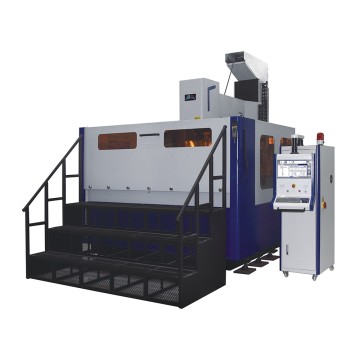
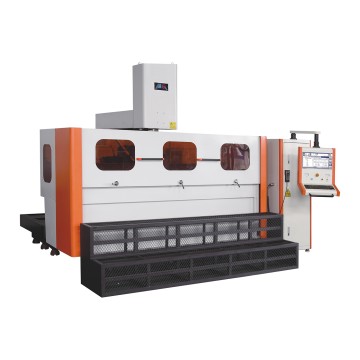
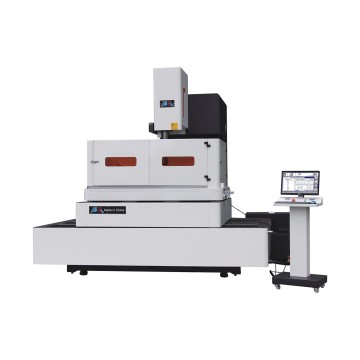
Read MoreOur comprehensive lineup of medium-speed CNC Wire EDM machines covers every precision gear and machinery manufacturing requirement — from compact 5-axis platforms to large-format 10-axis big-swing configurations.
Partner with Baqi EDM for industry-leading Brass Wire Cut EDM solutions. Our engineering team is ready to help you select the optimal machine configuration for your precision gear manufacturing requirements.
Explore All Applications