Leave Your Message
Explore our flagship CNC wire cutting EDM machines engineered specifically for high-precision mold & die applications — combining multi-axis linkage, intelligent control, and superior surface finish.
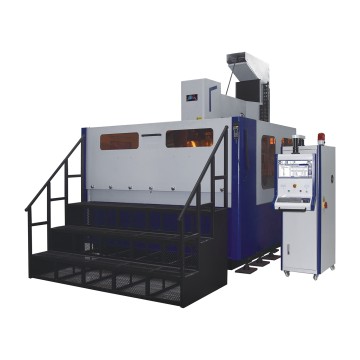
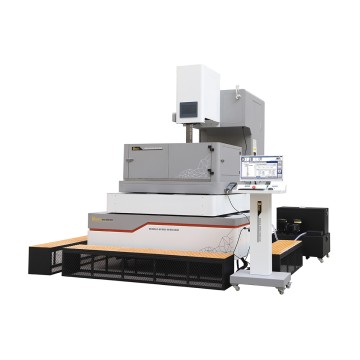
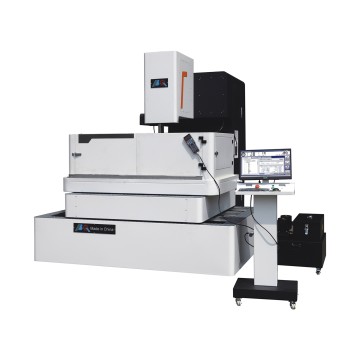
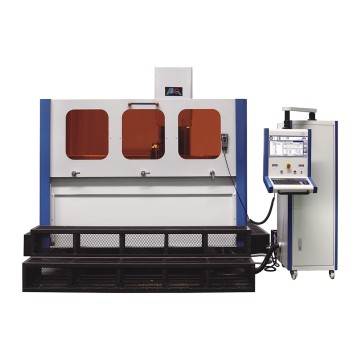
Brass wire cut EDM has become a cornerstone technology in the global mold & die manufacturing sector. As product complexity escalates and tolerances tighten to the sub-micron level, manufacturers across automotive, aerospace, consumer electronics, and medical device industries are increasingly reliant on this technology to deliver consistent, repeatable results.
Compared to molybdenum and other wire electrode materials, brass wire delivers a superior combination of cutting speed, surface quality, and dimensional consistency — making it the dominant choice for high-end mold & die production worldwide.
Brass wire's higher electrical conductivity and tensile strength enable cutting speeds up to 3× faster than molybdenum wire in comparable workpiece materials, dramatically reducing cycle times in high-volume mold production.
The zinc-coated brass wire produces a stable discharge with minimal recast layer, achieving mirror-grade surface finishes (Ra ≤ 0.2μm) critical for injection mold cavities, stamping dies, and precision inserts.
Advanced tension control and thermal compensation systems maintain wire positioning within ±0.001mm throughout extended cutting cycles, ensuring dimensional consistency across complex 3D mold geometries.
The non-contact, spark-erosion principle eliminates cutting forces entirely — preserving the structural integrity of thin-walled mold features, delicate punches, and hardened tool steel components that would be damaged by conventional machining.
Brass wire EDM effortlessly cuts any electrically conductive material regardless of hardness — including D2, H13, M2 tool steels, tungsten carbide, titanium alloys, and PCD — materials that challenge or defeat conventional cutting tools.
Modern brass wire EDM systems feature automatic wire threading, adaptive feed control, and remote monitoring — enabling unattended overnight and weekend operation that maximizes machine utilization and reduces labor costs per part.
Wire-cutting EDM CNC machine tools occupy an irreplaceable core position in the mold & die manufacturing industry. From complex injection mold cavities and precision stamping dies to progressive tooling and extrusion dies, brass wire EDM is the definitive technology for achieving the geometric complexity, surface quality, and dimensional accuracy that modern manufacturing demands. No other process combines the ability to cut any hardness, produce zero burr, and maintain sub-micron tolerances on intricate 2D and 3D profiles simultaneously.
Beyond general-purpose cutting, brass wire EDM serves as the enabling technology for a wide spectrum of specialized mold & die manufacturing challenges that no other process can adequately address.
Injection molds for consumer electronics, automotive interiors, and medical devices demand complex parting surfaces, deep ribs, and fine texture patterns. Brass wire EDM delivers the sharp internal corners (R0.05mm achievable), precise gate geometry, and mirror-finish cavity surfaces that ensure optimal plastic flow and part ejection — directly reducing scrap rates and mold rework cycles.
Progressive dies require multiple punch and die stations machined to within ±0.002mm of each other to maintain consistent metal flow and part geometry across millions of strokes. Brass wire EDM is the only practical technology for cutting the interlocking profiles of carbide punches, die plates, and stripper plates simultaneously, guaranteeing station-to-station alignment and maximizing die life.
Aluminum, copper, and plastic extrusion dies feature complex profile openings that must match the finished product cross-section with extreme precision. Brass wire EDM cuts these profiles — including multi-void hollow sections and asymmetric shapes — in a single setup, eliminating the profile distortion and assembly errors inherent in multi-piece die construction.
Interchangeable mold inserts and graphite/copper EDM electrodes require batch consistency across dozens or hundreds of identical pieces. Brass wire EDM's CNC repeatability ensures every insert is dimensionally identical, enabling rapid mold repair and cavity replacement without re-qualification — a critical advantage in high-volume production environments.
Titanium alloy, Inconel, and stainless steel forming dies for aerospace structural components combine extreme hardness with complex freeform profiles. Brass wire EDM handles these materials without work hardening or tool wear, producing the precise die radii and draft angles needed for accurate part forming — while maintaining the surface integrity required by aerospace fatigue specifications.
Micro-molds for catheters, implant components, and surgical instruments require features as small as 0.1mm with Ra < 0.4μm surface finish. Brass wire EDM with fine wire (0.05–0.1mm diameter) achieves these micro-scale geometries in biocompatible materials like titanium and medical-grade stainless steel, meeting the stringent dimensional and surface requirements of FDA and ISO 13485 standards.
A systematic, intelligent workflow ensures that every brass wire EDM operation delivers maximum precision, efficiency, and repeatability in mold & die manufacturing.
3D mold geometry is translated into optimized wire EDM toolpaths with automatic kerf compensation, taper angle calculation, and multi-pass strategy selection for roughing and finishing.
Precision fixturing and automatic edge-finding routines establish accurate datum references, ensuring correct positioning of start holes and consistent wire perpendicularity throughout the cut.
Intelligent pulse generators continuously monitor discharge conditions, adjusting parameters in real time to maintain optimal cutting speed while preventing wire breakage and ensuring consistent material removal.
On-machine probing and integrated measurement systems verify critical dimensions during and after cutting, enabling immediate correction and eliminating the need for separate CMM inspection cycles.
The brass wire EDM industry is undergoing rapid technological transformation driven by digitalization, AI integration, and the demand for ever-higher precision in advanced manufacturing sectors.
Machine learning algorithms analyze real-time discharge data to autonomously optimize pulse parameters, wire tension, and feed rates — continuously improving cutting efficiency, surface quality, and wire consumption without human intervention.
Next-generation wire EDM systems connect seamlessly to MES, ERP, and digital twin platforms, enabling real-time production monitoring, predictive maintenance scheduling, and automated quality data collection across entire mold manufacturing cells.
10-axis and beyond linkage systems enable simultaneous 5-axis wire EDM cutting with rotary workpiece positioning — dramatically expanding the geometric complexity achievable in a single setup and reducing the number of operations required for complex die components.
New dielectric fluid management systems, energy-efficient pulse generators, and brass wire recycling programs are reducing the environmental footprint of wire EDM operations — aligning mold & die manufacturers with global ESG commitments and regulatory requirements.
Cloud-connected EDM systems support remote programming, diagnostics, and software updates — enabling manufacturers to access expert support globally, reduce machine downtime, and deploy new cutting strategies without on-site engineering visits.
Ultra-fine brass wire (0.02–0.05mm) combined with nano-second pulse generators is pushing wire EDM into micro-mold and nano-structure territory — opening new applications in MEMS, micro-optics, and next-generation semiconductor tooling.

The medium speed molybdenum wire cutting spark machine (medium speed wire), with its core characteristics of high precision and complex geometry capability, serves as a critical enabler for robotic joint components, precision gears, and structural die-cast mold manufacturing.
Read More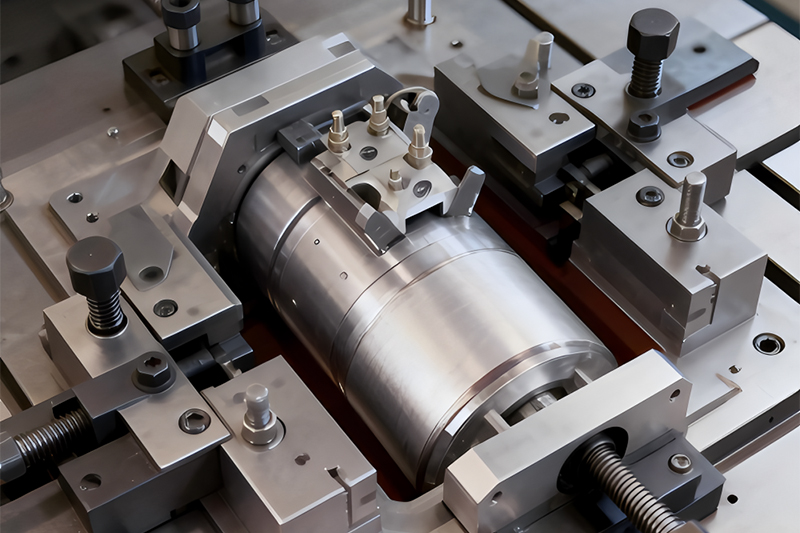
In the mechanical processing industry, wire cutting plays a dual role of universal machining supplement and precision die manufacturing — enabling the production of complex profiles in hardened tool steels that are impossible to machine conventionally.
Read More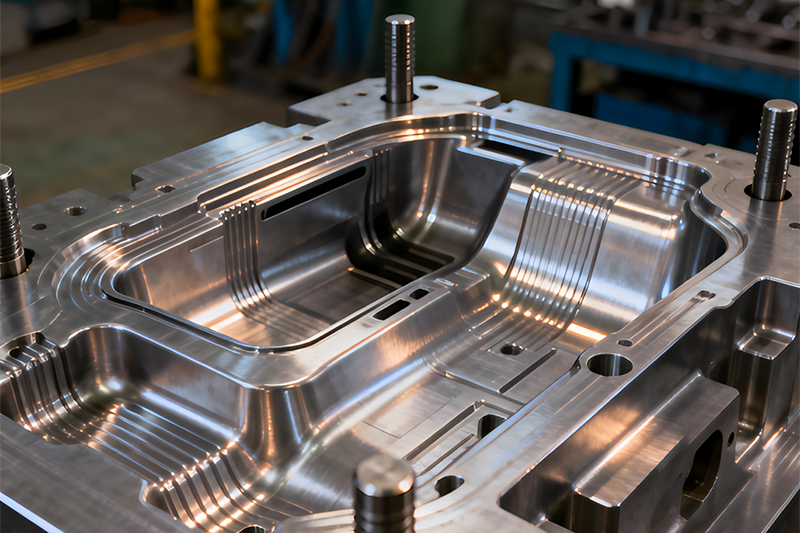
The core advantage of wire cutting in the automotive industry lies in its high efficiency, high precision, and stability — enabling the manufacture of stamping dies, injection molds, and forming tools for body panels, interior components, and powertrain parts.
Read More
The application of wire cutting in the medical industry is a typical extension of its precision machining capability — producing micro-molds for implantable devices, surgical instrument dies, and catheter tooling with biocompatible material compatibility and mirror-grade surface finishes.
Read More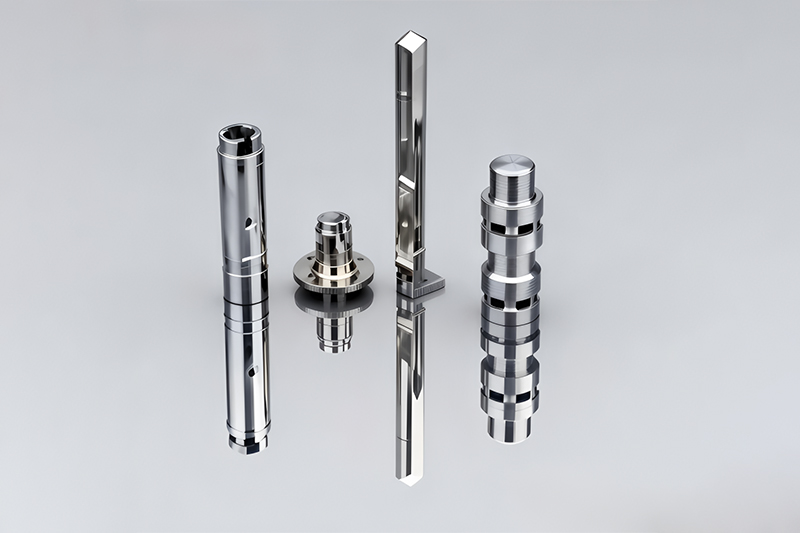
Wire-cutting EDM CNC machine tools occupy an irreplaceable core position in the mold & die manufacturing industry — from injection mold cavities and progressive stamping dies to extrusion tooling and precision forming dies across all material types and complexity levels.
Read More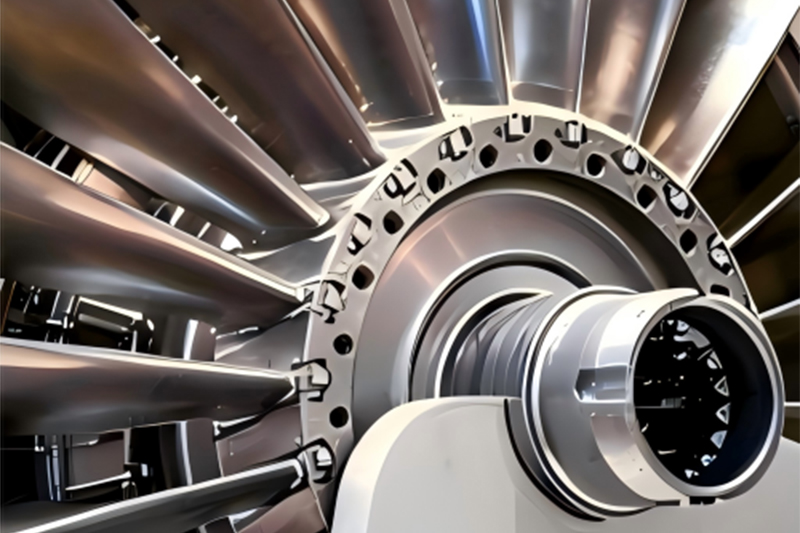
The application of wire cutting in the aerospace industry represents the pinnacle of its machining capability — producing forming dies, composite layup tooling, and precision fixtures for titanium, Inconel, and advanced alloy structural components.
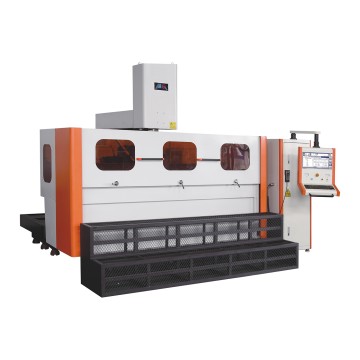
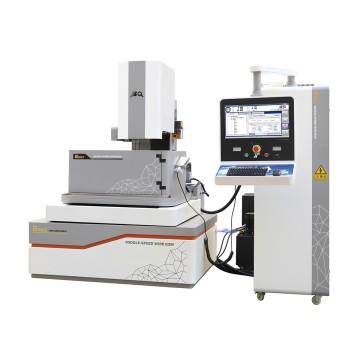
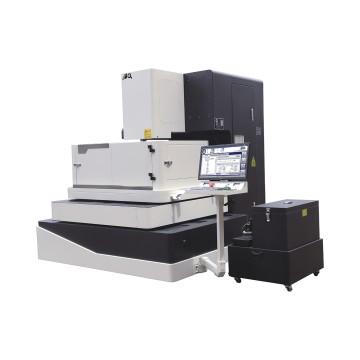
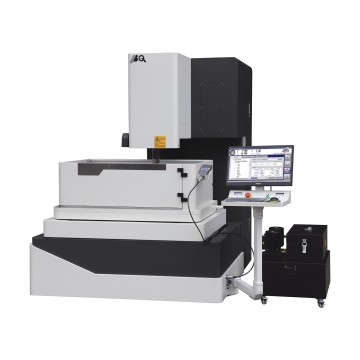
Read MoreOur comprehensive range of medium-speed CNC wire cutting EDM machines covers every scale and complexity of mold & die manufacturing requirement — from compact precision inserts to large-scale industrial tooling.