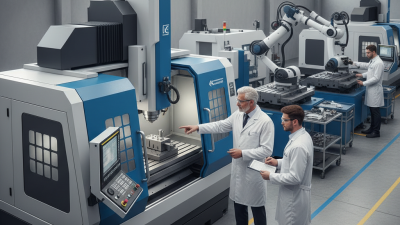
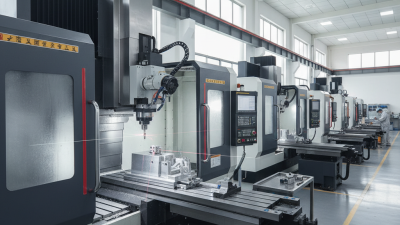
Picking the right Industrial Router Machine can actually feel pretty overwhelming sometimes. I mean, with so many options out there, it’s tough to know what really matters. Typically, you wanna focus on quality, how well it works, and whether it’s reliable—those are the key points that should guide your decision. And honestly, investing in a good router isn’t just about saving a few bucks upfront; it’s about making sure it’ll stay efficient in the long run.
Experts in manufacturing often tell folks to keep a few things in mind. For starters, what kind of materials you’re planning to work with makes a huge difference. Different routers are built to handle different things, so you wanna pick one that matches your main projects. Don’t forget about the software either—it’s sometimes an overlooked detail, but having software that’s compatible quickly boosts your machine’s overall performance.
Looking at what users have said, it’s pretty clear that many underestimate how long it actually takes to get comfortable with a new machine. Choosing one that’s user-friendly can save you a ton of hassle later. On the flip side, some machines don’t come with enough support or detailed instructions, which can be a real headache. Doing some research and reading customer reviews can give you a good sense of how reliable a particular model is. Yeah, it might take some time to weigh your options, but trust me, it’s totally worth it in the end to make a smarter choice.
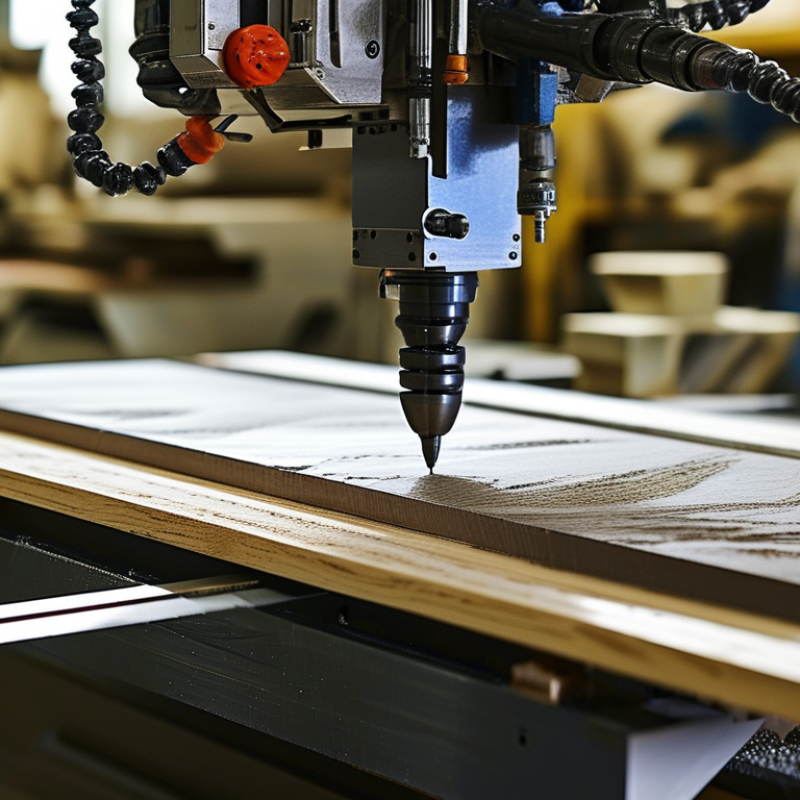
Understanding the Basics of Industrial Router Machines
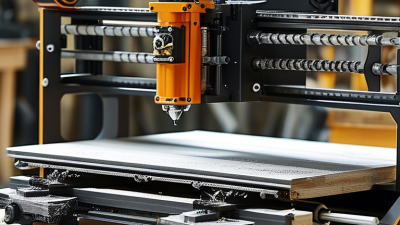
Understanding industrial router machines is crucial for anyone in manufacturing. These machines enhance precision and efficiency. They are used for cutting, engraving, and shaping materials. A Small Industrial Cnc Router is an excellent choice for those with limited space. It offers various features while maintaining high performance.
When choosing an industrial router, consider several factors. Think about the size and materials you will work with. Ensure the machine meets your production needs. Pay attention to the software compatibility. This aspect can impact how well the router integrates into your workflow.
Don’t overlook the importance of support and maintenance. Check if the manufacturer provides reliable customer service. Good support can save time and prevent costly downtime. Also, read reviews and seek feedback from other users. Their experiences can provide valuable insights.
Top Tips for Choosing the Best Industrial Router Machine
| Feature |
Description |
Importance |
| Cutting Speed |
The speed at which the machine can cut through materials. |
High |
| Precision |
The accuracy of the cuts made by the router. |
Critical |
| Control Software |
Ease of use and features of the software used to operate the machine. |
High |
| Material Compatibility |
Types of materials the router can effectively cut. |
Essential |
| Dust Collection |
Effectiveness of dust collection system in keeping the workspace clean. |
Important |
| Maintenance Requirements |
How often the machine needs to be serviced or cleaned. |
Moderate |
| Power Consumption |
Energy efficiency and cost of operation. |
Considerable |
| Cost |
Budget required for purchasing the machine. |
High |
Key Features to Consider When Choosing an Industrial Router
When choosing an industrial router machine, focus on key features that ensure quality and efficiency. First, consider the power and speed of the router. A higher wattage often translates to better performance. Studies show that machines with at least 1.5 kW power can significantly reduce cutting times by 30%. This leads to increased productivity on the shop floor.
Another crucial aspect is the software compatibility of the router. Many industrial routers support advanced CAD/CAM software, which streamlines the design-to-manufacturing process. According to industry reports, up to 70% of users prefer routers that integrate seamlessly with their existing software. This compatibility enhances precision and reduces errors, which may cost time and resources.
Don't overlook the build quality and precision of the machine. A robust frame typically results in more stable operation and accurate cuts. Data indicates that machines with a rigidity rating of 4 or higher produce results with a tolerance of 0.01 mm. However, it’s essential to note that not all machines offer this level of reliability, and choices may vary based on specific manufacturing needs. Always weigh the pros and cons when making your decision.
Evaluating Different Types of Industrial Router Machines
When evaluating different types of industrial router machines, it’s essential to consider specific features and capabilities. According to a market research report by Grand View Research, the global industrial router market is projected to reach $2.73 billion by 2027. This growth is driven by the rising demand for precision in manufacturing.
Many industrial routers are available, including CNC routers, laser routers, and handheld devices. CNC routers are particularly popular for their accuracy and automation. They are ideal for large-scale production. Laser routers, while more expensive, provide exceptional detail in cuts and designs. Understanding the specific needs of your projects can help guide your decision.
It's also crucial to consider machine specifications. For instance, the spindle power and tool compatibility play significant roles in performance. Reports suggest that average downtime for routers can reach 20% due to maintenance issues. Investing in a reliable machine may reduce this concern. Engaging with industry experts and reviewing peer testimonials can also provide useful insights into the best alternatives available. Balancing cost against features is a common challenge, but it’s vital for maximizing your investment in an industrial router machine.
Importance of Precision and Accuracy in Routing
Precision and accuracy are critical when selecting a Cnc Industrial Machine for routing tasks. A small deviation in measurements can lead to significant issues in production. Research indicates that about 30% of manufacturing defects arise from equipment inaccuracies. This statistic highlights the importance of investing in high-quality routers that offer reliable performance.
When choosing a router, it’s vital to assess its cutting tolerance and speed capabilities. Machines that operate at inconsistent speeds can generate uneven cuts, making it crucial to find options that maintain a steady pace. According to industry reports, routers with a cutting tolerance of 0.001 inches significantly reduce the chance of errors, which can yield savings of up to 20% in material costs.
Not all routers perform equally under pressure. Some may excel in low-stress environments but struggle with more demanding applications. This inconsistency can lead to wasted time and resources. Regular maintenance and calibration play a role in accuracy, yet even with these practices, machines can drift over time. Understanding these factors can guide operators in making informed decisions when selecting the best CNC industrial machine for their specific needs.
Assessing Power and Speed Requirements for Your Applications
When selecting an industrial router machine, assessing power and speed requirements is crucial. The right balance affects efficiency, cutting precision, and material compatibility. Industry reports indicate that machines with higher RPMs can improve throughput and surface finish. However, excessive speeds may lead to overheating and premature wear. Understanding your application's material type can guide you in choosing appropriate specifications.
For wood, a mid-range speed of around 18,000 RPM is often sufficient. In contrast, metals may require a more powerful setup, often exceeding 24,000 RPM. Tips to consider: determine the density and hardness of your materials. Lighter materials can often be routed faster, while dense metals require slower, more deliberate cutting speeds.
Additionally, keeping the power in mind is essential. Machines capable of delivering consistent power can enhance precision. Insufficient power may result in poor quality cuts. Conducting a thorough evaluation of your workload can guide you toward the best choices. Investigate trends within the industry regarding cutting speeds and power averages to make informed decisions. Understanding these fundamentals is key for deploying an effective Industrial Cnc Machine in your operations.
Exploring Budget Considerations for Industrial Routers
When selecting an industrial router machine, budget considerations play a crucial role. Price can vary significantly based on features and capabilities. Understanding what you need is vital. Evaluating your budget can help narrow down your options.
A basic Industrial Cnc router can start at a modest price. However, advanced models can soar into the thousands. Consider the cost of maintenance and accessories as well. Sometimes, a cheaper option might end up costing more in the long run due to repairs. Ensure you factor in total ownership costs, not just the purchase price.
Think about your production volume as well. If you plan to run the machine frequently, it may be wise to invest more upfront. Budgeting for training and setup is often overlooked. A machine may require specialized knowledge to operate efficiently. Reflect on whether you have the necessary skills in-house or if you need additional training. This could impact your overall budget significantly.
Comparison of Industrial Router Machine Prices by Features
Maintenance and Support for Long-Term Router Performance
Proper maintenance and support are crucial for the long-term performance of industrial router machines. Regular checks and cleaning can prevent dust buildup, a common issue that affects functionality. Neglecting simple tasks like lubricating moving parts can lead to costly repairs down the line. Setting a structured maintenance schedule enhances the lifespan of the machine.
Training operators on basic troubleshooting is essential. Many problems can be easily resolved without professional help. This knowledge empowers staff and boosts productivity. However, relying solely on in-house support can be risky. External expertise can provide insights and solutions that might not be available internally. Ensure that you have a relationship with a reliable service provider for emergencies.
Documenting maintenance procedures is often overlooked but very important. A clear record helps identify recurring issues and monitor the machine’s health. Yet, many organizations skip this crucial step, leading to confusion and inefficiencies. It's worth considering the cost of ignoring these practices. Long-term performance hinges on these preventive measures and an educated approach to machine care.
FAQS
: Common types include CNC routers, laser routers, and handheld devices. Choose based on your project needs.
Accuracy improves manufacturing precision. CNC routers are popular for their automated accuracy in large production runs.
Key specs include spindle power and tool compatibility. These affect performance and cutting quality significantly.
Average downtime can reach 20% due to maintenance issues. Investing in reliable machines might help minimize this.
For wood, around 18,000 RPM works well. Metals may need over 24,000 RPM for optimal results.
Yes, excessive speeds can lead to overheating. It may also cause premature wear of the machine components.
Assess the density and hardness of materials. Lighter materials can be cut faster than denser metals.
They provide insights on typical cutting speeds and power averages. Analyzing these trends helps in decision-making.
Balancing cost against features is a significant challenge. Understanding your needs can help overcome this issue.
Testimonials provide real-world insights and experiences. They can guide you toward suitable options for your specific tasks.
Conclusion
When selecting the best Industrial Router Machine, it is essential to understand the fundamental features and functionalities that such machines offer. A thorough evaluation of the different types available will help in identifying the right model to suit specific needs. Key factors to consider include precision and accuracy, as these are critical in achieving high-quality routing results. Additionally, assessing power and speed requirements can greatly influence machine performance depending on the applications it will be utilized for.
Budget considerations also play a significant role in the decision-making process, as industrial routers can vary widely in price. Furthermore, ensuring that there is adequate maintenance and support available is vital for the long-term performance of the Industrial Router Machine. By focusing on these areas, users can make a more informed choice that aligns with their operational requirements and financial constraints.