In today's world of modern manufacturing, the Plasma Cnc Machine really stands out as a pretty powerful tool for precise cutting. Basically, it uses a super quick jet of ionized gas to slice through metals with crazy accuracy. Many manufacturers love it because it's efficient and reliable. But, honestly, getting the hang of a Plasma CNC Machine isn’t just about knowing the tech — you need some practical experience too.
As industries keep evolving, you start noticing just how versatile these machines really are. They can handle all sorts of materials—steel, aluminum, you name it. Plus, their ability to create detailed designs and complex shapes really sets them apart from some of the competition. That said, a lot of folks run into issues with setting up and calibration. It’s pretty important to understand the ins and outs of how the machine operates to avoid common mistakes.
Even though the potential of a Plasma CNC Machine is huge, you’ve got to stay on top of regular maintenance and get proper training if you want it to perform at its best. When used right, it can seriously boost your productivity. But honestly, to really get the most out of it and keep things running smoothly long-term, you need to understand its mechanics a bit more deeply.

What is a Plasma CNC Machine? An Overview
A plasma CNC machine is an advanced tool for cutting metal with precision. It utilizes a high-velocity jet of ionized gas, known as plasma, to melt through materials. The CNC aspect means it is computer-controlled, allowing for intricate designs and repeatable accuracy. This technology is beneficial for various industries, including automotive and aerospace.
One attractive feature of plasma CNC machines is their ability to handle a range of metals. Steel, aluminum, and copper can be easily cut into desired shapes. Many hobbyists explore Diy Cnc Plasma projects to create custom pieces for art or manufacturing. However, mastering this technology takes practice. Misalignment can lead to uneven cuts. Proper setup and calibration are essential.
Despite the challenges, the benefits are significant. Not only do plasma CNC machines provide speed, but they also produce cleaner edges compared to other methods. By continuing to experiment and learn, users can enhance their skills. The learning curve may be steep, yet the results can be rewarding. It’s about finding balance with efficiency and quality in every cut.
Performance Metrics of Plasma CNC Machines
Key Components of a Plasma CNC Machine
A Plasma CNC machine operates by utilizing a high-velocity jet of ionized gas, known as plasma, to cut through materials. Understanding the key components of this machinery is essential for effective operation. Three major components define the efficiency and functionality of Plasma CNC machines: the plasma torch, the CNC controller, and the cutting table.
The plasma torch is the heart of a Plasma CNC system. It generates the plasma arc that melts and cuts through metal. According to a report by the Fabricators and Manufacturers Association, precision cutting using plasma can achieve tolerances of ±0.5 mm. This level of accuracy makes Cnc Plasma Tables highly sought after in industries ranging from automotive to construction.
The CNC controller translates design files into actual movement. It coordinates the torch's position and speed, ensuring an optimal cut. Often, operators face challenges with software integration that may affect performance. Lastly, the cutting table supports the material being cut. Some tables are equipped with water trays to reduce fumes and slag. Yet, depending on the design and material, challenges like uneven surfaces can present issues during the cutting process. This imperfect synergy of components underscores the need for continuous learning and adaptation in the operation of CNC plasma systems.
The Plasma Cutting Process Explained
The plasma cutting process is a widely used technique in various industries. It employs a powerful plasma arc to cut through electrically conductive materials. Typically, this process uses compressed air or inert gas, which is heated to create plasma. According to a report by the American Welding Society, plasma cutting is estimated to reduce cutting time by 60% compared to traditional methods.
The implementation of plasma CNC machines has transformed the cutting landscape. These machines utilize a Computer Numerical Control system for precision and efficiency. Skilled operators create detailed designs, which the machine then executes flawlessly. A 2021 study highlighted that companies using Portable Cnc Plasma technology reported a 25% increase in productivity. However, it’s important to acknowledge that improper setup and maintenance can lead to inconsistent cuts.
Understanding the nuances of the plasma cutting process requires experience. Operators must know how to adjust parameters such as feed rate and gas pressure. This technical knowledge is vital for quality outcomes. Variations in materials and thickness can also affect performance. Regular training and feedback are essential to ensure optimal functioning and output quality. The landscape is dynamic, and ongoing learning is crucial for staying competitive.
What is a Plasma CNC Machine and How Does It Work? - The Plasma Cutting Process Explained
| Dimension |
Value |
| Typical Cutting Thickness |
1/16" to 1" (1.6 mm to 25.4 mm) |
| Cutting Speed |
10 to 50 inches/minute (250 to 1270 mm/min) |
| Power Supply |
Compressed Air or Nitrogen |
| Typical Applications |
Metal Fabrication, Automotive Industry, Aerospace |
| Operating Temperature |
Up to 20,000°F (11,100°C) |
| Accuracy |
±0.01 inches (0.25 mm) |
| Material Compatibility |
Steel, Aluminum, Brass, Copper |
| Software Used |
CAD/CAM Software for Design and Path Generation |
Applications of Plasma CNC Machines in Industry
Plasma CNC machines have become indispensable in various industrial applications, particularly in metal fabrication. According to recent industry reports, the global plasma cutting market is projected to reach $7.3 billion by 2026, reflecting a steady growth rate. These machines offer precision cutting, which is vital for industries demanding high-quality outcomes, such as automotive and aerospace manufacturing. The ability to cut complex shapes can significantly reduce material wastage and improve overall production efficiency.
In construction, plasma CNC machines are used to create customized metal parts for structural applications. The versatility of these machines allows them to work with various metals, including steel and aluminum. In the shipbuilding industry, plasma cutting technologies streamline the process of creating intricate designs required for hull structures. While many operations favor plasma CNC for its speed and precision, some companies report challenges, such as initial setup time and the need for skilled operators. Maintaining a balance between technology and human expertise remains critical.
The energy sector also relies on plasma CNC machines for turbine blade manufacturing and repair. These applications demand faultless accuracy and often face tight deadlines. However, operators must be mindful of safety protocols. Proper training is essential to avoid accidents during operation. Some studies highlight a gap in safety practices, suggesting that companies invest more in employee training to mitigate these risks.
Advantages of Using Plasma CNC Technology
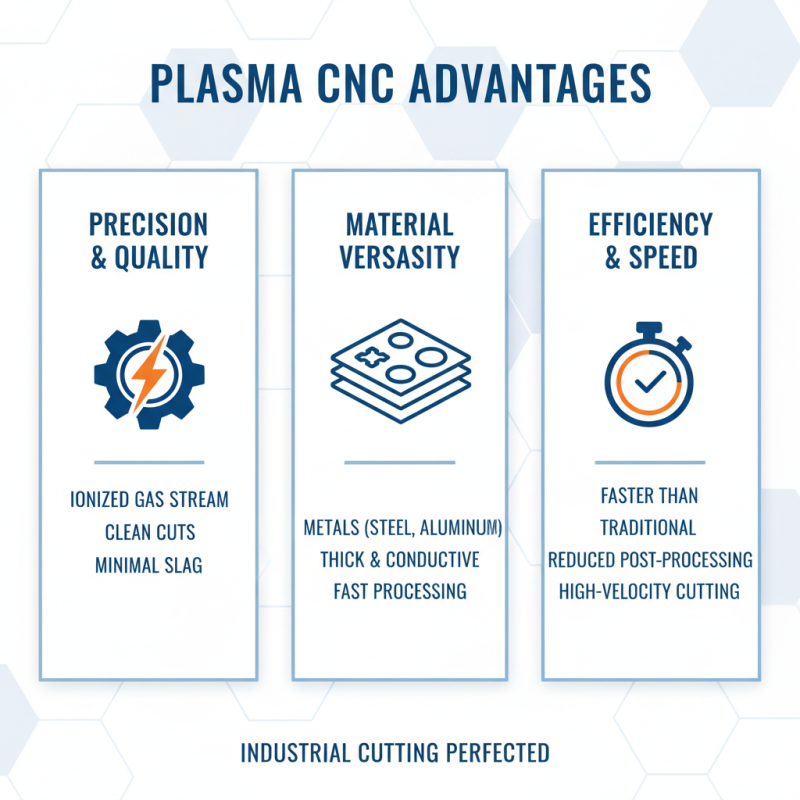
Plasma CNC technology offers significant advantages for precision cutting. This method utilizes a high-velocity stream of ionized gas to cut through various materials, including metals. It is particularly effective with thick and conductive materials like steel. The process ensures clean cuts with minimal slag, which can lead to less post-processing. Efficiency is crucial in industrial settings, and plasma CNC machines often outperform traditional cutting methods.
One key advantage is speed. Plasma cutting can operate much faster than other techniques, reducing production times. This speed translates into cost savings for factories and workshops. Additionally, plasma CNC machines require relatively low setup times, allowing for quick job transitions. However, the initial investment in this technology can be considerable, posing challenges for smaller businesses.
Another important factor is versatility. Plasma CNC machines can accommodate various materials and thicknesses. This adaptability makes them suitable for numerous applications, from small parts to large components. While the technology is advanced, operators must maintain and calibrate their machines regularly. Neglecting maintenance can lead to decreased performance and accuracy over time, highlighting the need for ongoing training and expertise in the field.
Comparing Plasma CNC Machines to Other Cutting Methods
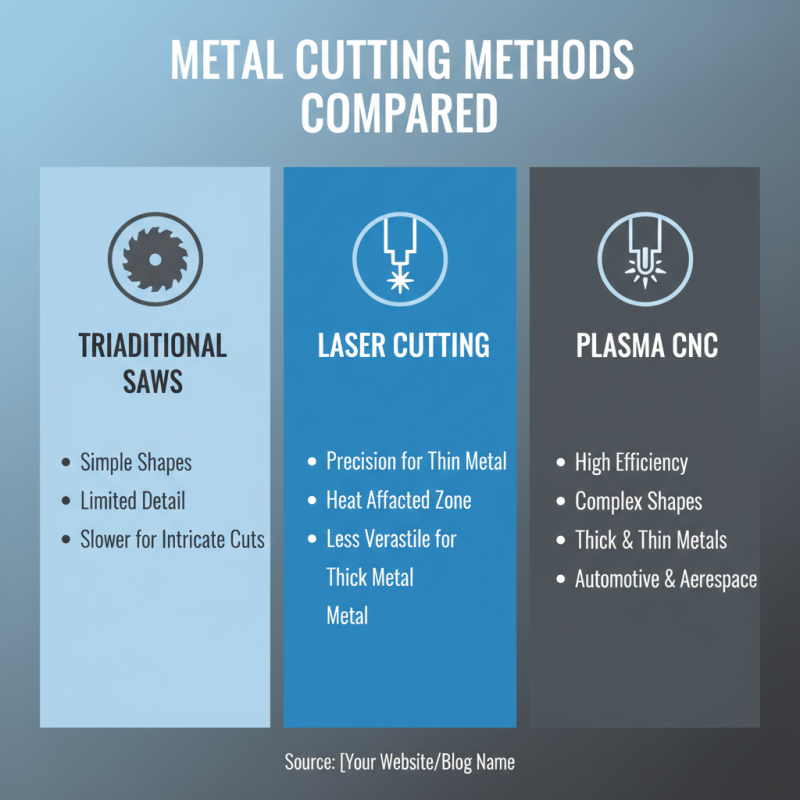
Plasma CNC machines have gained popularity for their efficiency in cutting metal. However, when comparing them to other methods, notable differences emerge. Traditional cutting tools like saws or lasers have their place, but they often struggle with complex shapes. A Plasma CNC machine offers more versatility, cutting intricate designs with ease. This adaptability makes it valuable in industries like automotive and aerospace.
Efficiency is another point of contrast. Plasma cutting is generally faster than laser cutting, especially on thicker materials. It creates a clean edge without the heat-affected zones that lasers can produce. However, the precision of a laser is unmatched for thin materials. Users often weigh these factors against their specific needs. The Stv Plasma Table is known for optimizing this balance, yet it is essential to understand its limitations as well.
Cost can be another area of consideration. Plasma machines typically have lower operational costs compared to lasers, especially when cutting thick metals. Nevertheless, maintenance can add up over time. Users must reflect on these elements while deciding. Ultimately, it's about finding the right method for the task at hand. Each cutting method has its strengths and weaknesses, making informed decisions crucial.
Safety Measures and Best Practices for Plasma Cutting
Plasma cutting is a powerful tool in various industries, but safety measures are critical. The high temperatures generated during plasma cutting can expose operators to serious risks. According to industry reports, more than 40% of workplace injuries in manufacturing involve cutting processes. These figures highlight the need for effective safety protocols.
Operators must wear appropriate personal protective equipment (PPE). This includes flame-resistant jackets, safety goggles, and gloves that withstand heat. Additionally, proper ventilation is essential. Fumes generated during cutting can be harmful. A well-ventilated workspace reduces health risks significantly. Studies reveal that workplaces with robust ventilation systems report 30% fewer health-related incidents.
Training is vital. Operators should understand the equipment and potential hazards. Many companies fail to conduct regular safety training, leaving gaps in knowledge. Regular drills can help reinforce safety practices. Investing in employee safety education leads to less downtime and fewer injuries, which is beneficial for overall productivity. Reflecting on past incidents can provide insights into areas that require improvement. Addressing these issues proactively can enhance safety culture in the workplace.
Conclusion
A Plasma CNC Machine is a computer-controlled cutting tool that utilizes a high-velocity jet of ionized gas, or plasma, to cut through various materials with precision. This technology consists of essential components such as a plasma torch, motion control system, and a CNC (Computer Numerical Control) unit, which work together to execute intricate patterns and designs efficiently. The plasma cutting process involves generating an electrical arc between the torch and the workpiece, resulting in extreme heat that melts the material while simultaneously blowing away the molten metal.
Plasma CNC Machines find their applications in multiple industries, including manufacturing, automotive, and construction, due to their ability to cut different metals quickly and accurately. The advantages of using plasma CNC technology include its speed, versatility, and minimal material waste compared to traditional cutting methods. To ensure safety and efficiency during operation, it is crucial to adhere to established safety measures and best practices, such as wearing appropriate protective gear and maintaining a clean workspace. Overall, Plasma CNC Machines are invaluable tools that enhance productivity and precision in various industrial applications.