In the fast-changing world of CNC industrial machines, getting that China CE Certification is pretty much essential if you want to succeed on international levels. I mean, no joke—it's a big deal. I was chatting with John Anderson, a consultant over at Precision Tech Solutions, and he basically said, 'Navigating CE certification is key if you want your CNC tech to really hold its own globally.' That really hit home. It’s not just about ticking boxes to get market access; it’s also about building trust with your customers, you know?
Getting your CNC machines certified isn’t exactly a walk in the park. There are a ton of steps involved. Manufacturers need to really understand all the tricky standards set by Chinese authorities—sounds complicated, right? And it can be super technical, depending on what kind of equipment you’re dealing with. Lots of folks in the industry say their biggest headaches are with all the paperwork and testing requirements. My advice? Start the process early if you don’t want to get caught up in delays or last-minute stress.
Talking to certified consultants can really help clear things up. They know the ins and outs and can guide you through the maze of rules and paperwork without pulling your hair out. But here’s the thing—not every company has the right knowledge or experience to handle this stuff easily. Companies really need to honestly assess whether they’re ready to jump into the certification game. Trust me, doing this right could mean the difference between knocking it out of the park and hitting setbacks in a fiercely competitive market for CNC machines.
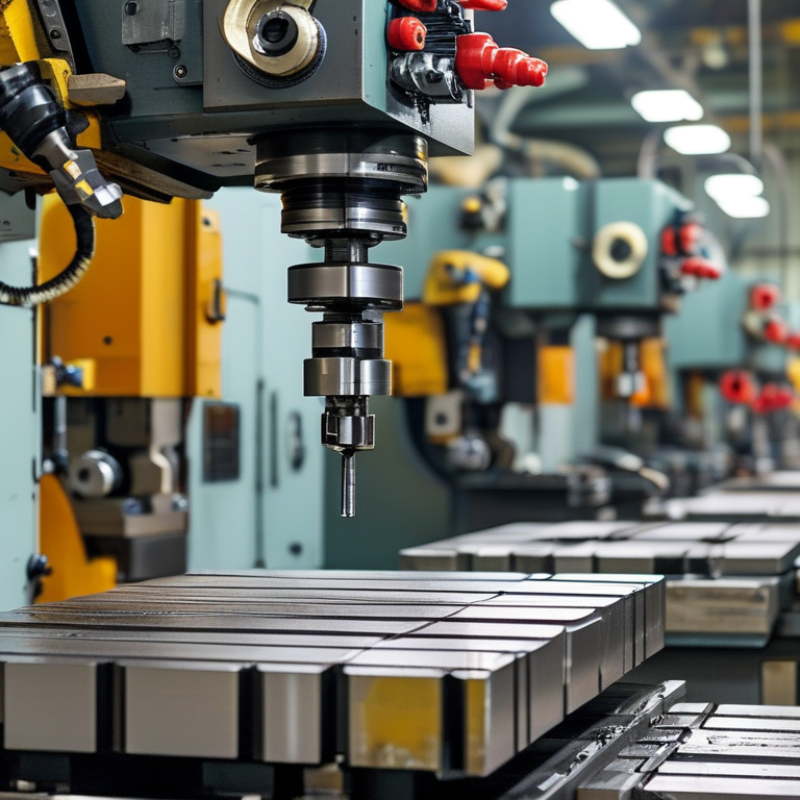
Obtaining China CE certification for CNC industrial machines is essential for market access. The certification process involves ensuring compliance with various safety and quality standards. Understanding these standards is critical for manufacturers. Compliance not only boosts safety but also enhances product reliability. A lack of knowledge can lead to costly mistakes during the certification process.
It is crucial to familiarize yourself with the specific requirements of CNC machine certification. These include electrical safety, electromagnetic compatibility, and performance standards. A detailed risk assessment can guide manufacturers in identifying potential hazards. Documenting every step is equally important. This transparency fosters confidence among stakeholders. Companies must also stay updated on evolving regulations, as they can change periodically.
However, many manufacturers underestimate the time and resources needed for successful certification. This oversight can lead to delays. Investing in expert consultation is often beneficial. Experts can provide insights and facilitate the certification journey. It's important to reflect on current practices. Continuous improvement is vital in meeting China CE certification standards and ensuring long-term success.
To obtain CE certification for CNC industrial machines, understanding the key regulatory bodies is crucial. The primary entities involved include the
European Committee for Standardization (CEN)
and national regulatory agencies. CEN sets safety standards that manufacturers must adhere to for their CNC equipment. Ensuring compliance with these
standards allows for smoother market entry into the European Union.
Another important player is the notified body, which conducts conformity assessments. This organization evaluates the manufacturer's quality management
systems. They also inspect the production process before granting certification. Choosing a reliable notified body is essential. It can affect the speed
and success of your certification process.
Manufacturers should prepare for rigorous testing and documentation. This process can expose gaps in compliance. It's not unusual to face challenges during
this phase. Equipment may need modifications based on the feedback of evaluators. Therefore, close attention to detail and quality assurance measures become
imperative for successful CE certification of
Industrial Cnc Machines
.
CE certification is essential for CNC industrial machines in China. It ensures compliance with safety and performance standards. Under this certification, specific technical standards must be met. For CNC machines, the main reference points include EN 60204-1 and EN ISO 12100.
The EN 60204-1 standard focuses on electrical equipment's safety. Key areas include proper wiring techniques and control systems. These contribute to reducing electrical hazards significantly. In fact, adhering to this standard can lower machinery failure risks by up to 30%.
Meanwhile, EN ISO 12100 addresses overall machine safety, including risk assessment and mitigation strategies. By applying this standard, manufacturers can enhance operator safety, though compliance might require cost investments and time commitment.
Data from a 2022 industry report indicates that a staggering 45% of manufacturers find certification processes daunting. Many struggle with understanding the implications of these standards. This highlights a crucial gap in knowledge that can lead to potential setbacks in machine deployment. It's vital for businesses to seek professional guidance. This could streamline the certification process and improve overall compliance efficiency.
Obtaining CE certification for CNC industrial machines in China involves a detailed process. This certification is essential for companies aiming to market their equipment in Europe. Understanding the European safety standards is crucial. You must begin by assessing your equipment against the relevant directives.
Next, conduct a thorough risk assessment of your CNC industrial machine. Identify potential hazards and implement safety measures. Documentation is vital at this stage. Compile technical files that detail your design, manufacturing processes, and testing results. Engaging a reputable Notified Body can streamline certification. They will review your documentation and conduct necessary tests.
After receiving feedback, be prepared for modifications. This step often reveals areas of improvement. Responding to concerns can be challenging but ensures compliance. Once you pass all assessments, you can finalize the CE marking process. Remember, maintaining compliance is an ongoing commitment. Regular audits and updates are necessary to keep your CNC machinery in line with evolving standards.
This chart illustrates the time required (in weeks) for each step in the CE certification process for CNC industrial machines in China. It provides a visual representation of the stages involved, highlighting the most time-consuming aspects of obtaining certification.
Obtaining China CE certification for CNC industrial machines involves precise documentation and testing processes. Each industrial machine, like a
Small Industrial Cnc Router,
must adhere to strict requirements set by Chinese authorities. The documentation process starts with creating a technical file, detailing product specifications, safety assessments, and risk analysis.
The testing phase is equally crucial. Machines undergo rigorous compliance testing in accredited labs. This includes electromagnetic compatibility (EMC) tests and safety assessments. Accurate data from these tests supports your claims in the technical file.
Gathering coherent and precise documentation streamlines the certification journey.
Tips: Keep all records organized and labeled properly. This can save time during the testing and certification phases. Ensure that all technical documents are updated and reflect any design changes. Engineers should focus on potential shortcomings before submitting to avoid delays. A meticulous approach ultimately leads to smoother certification experiences.
Obtaining China CE certification for CNC industrial machines can be challenging. Companies often encounter several common hurdles during the process. One major challenge is understanding the specific requirements set by Chinese authorities. Many manufacturers overlook details in technical documentation, leading to compliance issues. Reports indicate that nearly 40% of applications are initially rejected due to inadequate documentation.
Another issue arises with testing procedures. An Industrial Router Machine requires rigorous safety and performance evaluations. Companies may struggle to find accredited testing labs that meet CE criteria. This can lead to delays and increased costs. Data shows that it can take an average of 3-6 months to complete necessary tests and adjustments.
Moreover, language barriers and cultural differences can impede communication with certification bodies. Many international companies fail to grasp the nuances of local regulations. This often results in misunderstandings and misalignment of expectations. Reflection on past experiences suggests that engaging local experts can significantly streamline the certification journey. Having a knowledgeable partner can bridge gaps and enhance understanding of compliance standards.
CE certification plays a crucial role in the global market access for CNC industrial machines. Achieving this certification indicates compliance with European safety and environmental standards. According to a report by MarketsandMarkets, the CNC machining market is expected to grow significantly, reaching USD 100 billion by 2026. This growth emphasizes the importance of CE certification as manufacturers aim to enter competitive markets.
Without CE certification, access to the European market becomes limited. Many manufacturers fail to realize the impact of non-compliance. Studies suggest that up to 30% of CNC machine producers struggle with market entry due to certification barriers. This creates missed opportunities and financial losses.
Tips: Ensure your machines meet all necessary safety and performance standards. Regular audits can help maintain compliance. Don't underestimate the need for documentation throughout the certification process. Keeping clear and detailed records is essential for successful certification. Reflect on previous projects to identify potential gaps in meeting CE requirements.
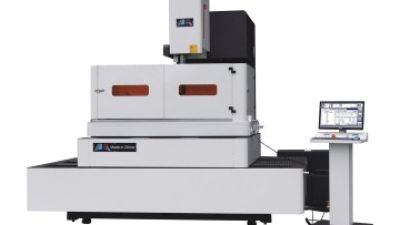
In the dynamic realm of global manufacturing, CNC Wire EDM machines have carved a niche for themselves due to their unparalleled precision and efficiency. Among these, medium-speed molybdenum wire EDM machines have gained significant traction, particularly in sectors where accuracy is paramount. Industries such as mold and tooling, medical technology, aerospace, automotive, and military defense rely heavily on these machines for high-quality cuts. The ability to produce intricate designs and parts with minimal wastage not only enhances productivity but also reduces operational costs, making these machines an essential asset for manufacturers striving for excellence.
The competitive edge of medium-speed wire EDM machines lies in their adaptability and the advanced technology they incorporate. These machines are engineered to tackle a diverse range of applications, from complex mold designs to precision components in critical industries. Their efficiency in maintaining tight tolerances and delivering consistent results aligns perfectly with the growing demands of modern manufacturing processes. By integrating state-of-the-art features and offering exceptional support, manufacturers can significantly elevate their operational capabilities and maintain a strong foothold in the global market. Embracing these innovative solutions enables businesses to not only meet but exceed client expectations, thereby solidifying their competitive advantage.
: CE certification ensures that CNC machines meet specific safety and performance standards in the market.
Key organizations include the European Committee for Standardization and notified bodies conducting conformity assessments.
Manufacturers must prepare for extensive testing and documentation. This can reveal compliance gaps they might have overlooked.
Key standards include EN 60204-1 for electrical safety and EN ISO 12100 for overall machine safety.
Many manufacturers struggle with these standards, leading to deployment setbacks. Knowledge is key for a smooth process.
A technical file is essential, detailing specifications, safety assessments, and risk analysis.
Machines undergo electromagnetic compatibility (EMC) tests and safety assessments in accredited labs.
Keeping organized records and updating technical documents can streamline the certification journey effectively.
Facing rigorous requirements can be daunting. Engaging professionals for guidance can alleviate this issue.
Small oversights can cause significant delays. A meticulous approach enhances the likelihood of successful certification.
The article "2026 How to Obtain China CE Certification for CNC Industrial Machines?" provides a comprehensive overview of the CE certification process specifically tailored for CNC industrial machines. It begins by elucidating the importance of China CE certification in ensuring compliance with safety and regulatory standards, which is crucial for manufacturers seeking to access global markets. The piece outlines the key regulatory bodies responsible for overseeing CE certification, as well as the technical standards that CNC machines must meet.
Additionally, the article details a step-by-step process for obtaining CE certification, including necessary documentation and testing requirements. It also addresses common challenges faced during the certification process and offers practical solutions to overcome them. Ultimately, it emphasizes the significant impact that CE certification has on enhancing the global market access for CNC industrial machines, making it an indispensable aspect for manufacturers aiming to expand their reach internationally.