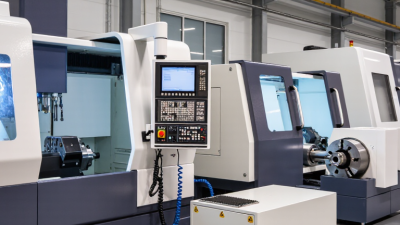
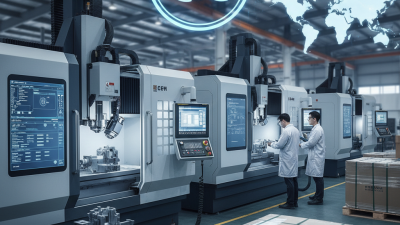
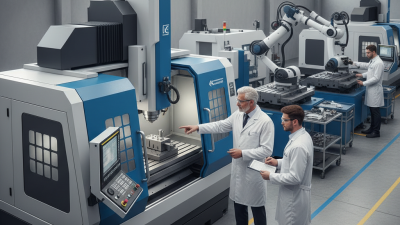
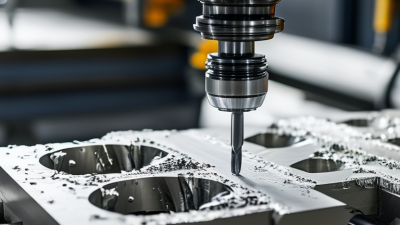
Honestly, picking Cnc Equipment in 2026 is about a lot more than price tags and spindle speeds. You need a machine that actually fits your materials, your production volume, your floor space, your operators, and where your shop is headed. A compact three-axis mill might be perfect for a prototype shop, while a five-axis machining center could cut down on setups for aerospace parts. The right call comes from evidence, not just glossy brochures.
Experienced buyers don't stop at the spec sheet. They look at cutting tests, repeatability reports, how easy the controller is to use, and how fast service responds. Ask a supplier to run your actual aluminum, steel, or composite sample. Watch the tool change, check the surface finish, and measure the final part. Those little details matter. A smooth demo alone? Not enough.
Total cost is another thing people forget. It includes tooling, software, training, maintenance, electricity, and downtime. In 2026, connected monitoring and energy-efficient drives might boost productivity, but new features can also add complexity. Before you sign anything, confirm data security, software compatibility, operator access, and the safety requirements that apply to you. And talk to current users, not just the sales team. Their feedback often uncovers noise issues, calibration delays, or support that's harder than it should be.
No machine is perfect. Your first shortlist may still change once you test real workloads. That's not a failure; it's a useful reality check. Solid decisions come from documented requirements, independent checks, and realistic payback math. This guide will look at machine types, automation options, control systems, supplier credibility, and ownership risks. With a disciplined evaluation, manufacturers can choose Cnc Equipment that handles accurate work today and stays adaptable tomorrow.
Define the Production Goals and Parts to Be Machined
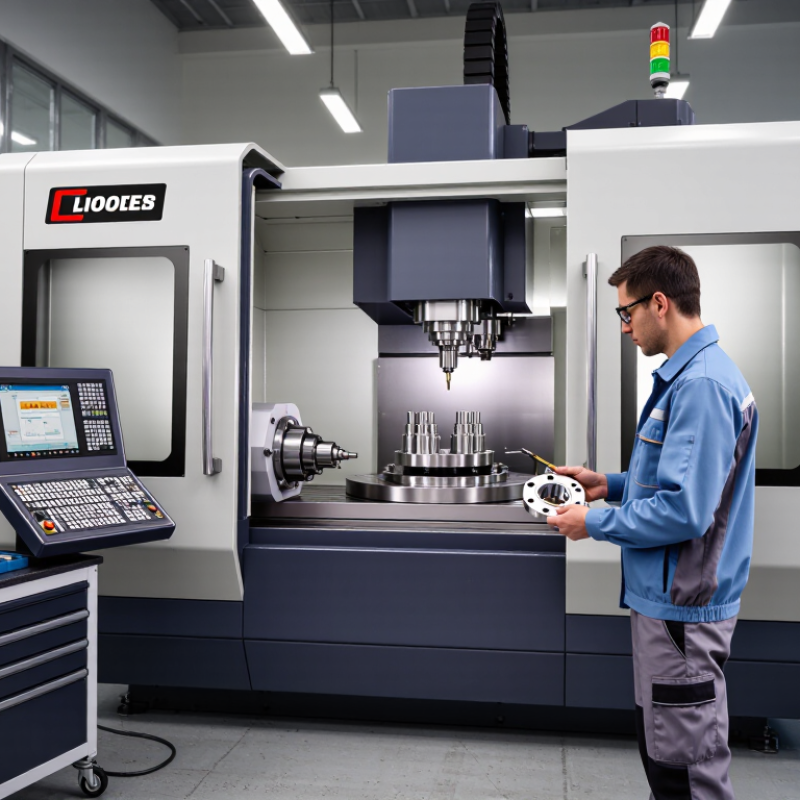
Choosing CNC equipment in 2026 should begin with the parts, not the machine catalog. Define the production goal in measurable terms. Are you making ten prototypes weekly, or 5,000 repeat components monthly? Record material, annual volume, tolerance, surface finish, and target cycle time. A stainless steel valve body demands different rigidity than an aluminum cover. Small details matter. Include part size, weight, clamping method, and the number of setups required. I have seen teams select impressive equipment, then discover their fixture blocked tool access. That mistake was expensive.
Create a simple part-family map before requesting quotations. Group parts by material, geometry, tolerance, and machining operations. A three-axis machine may handle prismatic plates, while multi-axis capability can reduce repositioning on angled surfaces.
Do not assume more axes automatically improve output.
They may increase programming effort, inspection needs, and operator training. Specify critical features, such as a 0.02 mm bore tolerance or a 1.6 μm surface finish, only when function requires them. Otherwise, you may pay for precision that never improves the product. Test assumptions with sample cycle estimates and a pilot run. Keep records of scrap, setup time, tool wear, and inspection results. The plan will not be perfect. Revise it after real parts expose weak points. Also consider future demand, but avoid buying capacity for an uncertain forecast.
Reliable choices come from documented requirements, verified trials, and honest production data.
Compare CNC Machine Types, Axes, and Work Envelopes
How to Choose CNC Equipment in 2026?
CNC selection starts with the part, not the machine’s brochure.
A three-axis vertical mill suits plates, pockets, and predictable drilling. It offers simpler programming and lower setup risk. A four- or five-axis machine reaches angled faces without repeated clamping. That can reduce alignment errors, but it demands stronger programming skills. Lathes handle rotational parts, while turn-mill systems combine turning and milling operations. They save handling time, although their controls require more training. Start with the part.
The work envelope needs closer inspection. Compare X, Y, and Z travel with the largest fixture installed. Check spindle-to-table distance, table load, door opening, tool clearance, and chip evacuation. A machine may show 800 mm of X travel, yet the usable space shrinks around a vise and rotary table. Leave room for probing and safe tool changes. Measure twice. The table matters.
The International Federation of Robotics reported 542,076 industrial robots installed worldwide in 2023, a 2% annual increase in World Robotics 2024. This signals growing demand for connected, repeatable production, but automation cannot repair poor machine sizing. The U.S. Bureau of Labor Statistics projects a 2% employment decline for machinists and tool-and-die makers from 2024 to 2034. Operator time will matter more. When evaluating
Premier Equipment Cnc
options, calculate cycle time, setup minutes, and operator access. I would not trust a capacity chart alone. Real fixtures often expose the mistake.
Evaluate Accuracy, Speed, Materials, and Cutting Capacity
Choosing CNC equipment in 2026 starts with the part, not the machine’s marketing sheet. Accuracy depends on structure, calibration, tooling, and temperature control. For tight fits, request repeatability data from real production conditions. Ask for a sample cut, then measure holes, edges, and surface finish with verified instruments. Measure twice.
Speed matters, but cutting stability matters more. High feed rates can reduce cycle time, yet they may increase vibration, heat, and tool wear. Check spindle power, acceleration, chip removal, and control response together. Speed is not everything. Different materials also require different torque and tooling. Aluminum may need sharp, fast cutting, while steel demands rigidity and controlled heat. Plastics can melt when settings are too aggressive.
Cutting capacity should match your largest realistic workpiece, not only today’s order. Review axis travel, table load, spindle clearance, and maximum material thickness. Leave room for fixtures and tool movement. I once overvalued rapid feed and underestimated setup time; the machine looked productive but delivered inconsistent results. That mistake changed my evaluation process. I now compare test cuts, calibration records, operator access, and maintenance requirements. A smaller machine may be more reliable for precise work, while a larger model can waste energy and floor space. Ask how accuracy changes after hours of continuous cutting. The answer may reveal more than a brochure.
Check Control Systems, Automation, Software, and Connectivity
How to Choose CNC Equipment in 2026?
Control architecture deserves more attention than spindle speed. During machine trials, I check program transfer, alarm history, tool compensation, and recovery after power loss. A clear controller should display offsets beside the active tool path. Small details matter. International Federation of Robotics data reported 541,302 industrial robots installed worldwide in 2023. That growth makes reliable machine-to-robot communication increasingly important. Choose equipment supporting open connectivity standards, such as OPC UA or MTConnect, rather than isolated interfaces. Confirm whether the control system can share cycle, energy, alarm, and maintenance data without manual exports.
Automation should fit the process, not impress visitors. Test probing, tool measurement, pallet changes, and material handling with real parts. Software should connect production planning, simulation, quality records, and Cnc Inspection Equipment. The Deloitte 2024 Smart Manufacturing and Operations Survey found that 86% of surveyed leaders expect smart manufacturing to become a major competitiveness driver within five years. Still, integration is rarely painless. Legacy machines may need gateways, and cloud dashboards can hide inaccurate sensor readings. I would request a live demonstration using your own file formats, tolerances, and inspection routines. Ask how updates are controlled, how user permissions work, and how quickly operators can restore production after a network failure. Cybersecurity also belongs in the purchase discussion, including segmented networks, encrypted connections, and documented patch procedures. Fast is not always reliable. A connected machine that cannot explain its data becomes an expensive guess.
Calculate Total Ownership Costs and Workplace Requirements
Choosing CNC equipment in 2026 starts with ownership costs, not the purchase quote.
A machine priced lower may consume more electricity, tooling, coolant, and operator time. Record your expected monthly hours, material types, tolerance demands, and maintenance history from similar equipment. Ask experienced operators where downtime usually begins. Their answers often reveal costs hidden in spreadsheets. Keep invoices, repair logs, and setup times. Real evidence beats optimistic estimates.
Calculate purchase, installation, training, software, inspection, and disposal costs over five to seven years. Include energy use during cutting and idle periods. Add tooling replacement, filtration, lubrication, calibration, and emergency service. For
Wire Cutting Equipment,
estimate wire consumption, dielectric maintenance, filters, and waste handling. Request service intervals in writing. Then test the calculation against a slow production month. It may expose weak assumptions.
Workplace requirements deserve equal attention.
Measure door widths, floor loading, ceiling clearance, ventilation, drainage, power capacity, and temperature stability. Leave space for material movement and safe maintenance access. A crowded cell creates delays and safety risks. Check noise, fluid storage, chip control, and operator sightlines. Do not ignore training time. We once underestimated setup learning by two weeks. That error changed the payback period. Recheck every estimate with maintenance and production staff before committing. A perfect spreadsheet can still describe the wrong workplace.
Verify Supplier Support, Training, Maintenance, and Future Upgrades
How to Choose CNC Equipment in 2026?
A CNC machine is only as reliable as the support behind it. Ask suppliers for response times, technician coverage, training plans, and spare-parts availability. During a factory visit, inspect the support process, not just the machine. Can a technician diagnose alarms remotely? Can operators practice safely before production begins? A polished demonstration proves little.
The International Federation of Robotics reported 541,302 industrial robots installed worldwide in 2023. This growth increases the need for skilled maintenance and adaptable systems. Your supplier should explain preventive maintenance intervals, calibration procedures, software updates, and upgrade costs. Ask whether the controller can connect with future inspection tools or Automated Assembly Equipment. Also request customer references using similar materials and production volumes. Downtime exposes gaps. A specification can still be wrong.
Tips: Put every support promise into the contract. Request a two-day operator training session and a separate maintenance workshop. Test a sample part before purchase, including tolerances, surface finish, and cycle time. The Deloitte 2024 Smart Manufacturing and Operations Survey found that 86% of manufacturers view smart manufacturing as important for competitiveness. Still, digital features do not replace practical skills. I would budget for training twice: once during installation, and again after six months. People forget. Systems change.
High-Precision 5-Axis BQ500 CNC Wire EDM Machine: Features, Benefits, and Buying Guide
The High-Precision 5-Axis BQ500 CNC Wire EDM Machine is designed for manufacturers that require accurate, flexible, and efficient wire cutting. Its five-axis configuration supports complex contours, angled surfaces, and intricate profiles that are difficult to produce with conventional equipment. Using molybdenum wire technology, the machine delivers stable cutting performance, fine detail reproduction, and reliable dimensional accuracy for molds, tooling, medical components, aerospace parts, automotive products, precision machining, and defense-related manufacturing.
When evaluating this type of wire EDM machine, buyers should consider axis travel, positioning accuracy, cutting speed, surface quality, control-system usability, and long-term maintenance requirements. A dependable wire transport system, effective flushing, rigid construction, and consistent electrical discharge control can improve production efficiency while reducing rework. It is also important to review worktable capacity, compatible materials, automation options, technical support, and the availability of replacement components. For factories handling demanding geometries and varied production volumes, a medium-speed, five-axis solution can provide a practical balance between precision, versatility, operating stability, and overall manufacturing cost.
FAQS
Start with the part, not the marketing sheet. Define materials, tolerances, dimensions, and expected workload. Your current order may not represent future needs.
Request repeatability data from real production conditions. Ask for a sample cut and measure holes, edges, and surface finish. Use verified instruments. Measure twice.
No. High feed rates can increase vibration, heat, and tool wear. Compare spindle power, acceleration, chip removal, and control response. Speed is not everything.
Aluminum may require sharp tools and fast cutting. Steel needs rigidity and controlled heat. Aggressive settings can melt plastics. Material assumptions can fail.
Match capacity to your largest realistic workpiece. Review axis travel, table load, spindle clearance, and material thickness. Leave room for fixtures and tool movement.
Include purchase, installation, training, software, inspection, and disposal. Add electricity, tooling, coolant, lubrication, filtration, and calibration. Emergency service can disrupt optimistic estimates.
Record monthly hours, materials, tolerances, repairs, and setup times. Ask experienced operators where downtime usually begins. Test the calculation during a slow production month. Spreadsheets can mislead.
Measure door widths, floor loading, ceiling clearance, ventilation, drainage, and power capacity. Check temperature stability and safe maintenance access. Leave space for material movement. Crowded cells create delays.
Conclusion
Choosing the right Cnc Equipment in 2026 starts with clearly defining production goals, part dimensions, materials, quantities, and required tolerances. Buyers should compare machine types, axis configurations, work envelopes, spindle performance, cutting capacity, speed, and accuracy to ensure the equipment matches both current and future machining needs. It is also important to review the control system, programming software, automation options, data connectivity, and compatibility with existing workflows.
A complete decision should include total ownership costs, including purchase, installation, tooling, energy, maintenance, training, and workplace requirements. Suppliers should be evaluated by the quality of their technical support, operator training, spare-parts availability, maintenance services, and upgrade options. By balancing technical performance, operational flexibility, long-term costs, and dependable support, manufacturers can select Cnc Equipment that improves productivity, maintains consistent quality, and supports sustainable business growth.