Leave Your Message
Deciding on a Cnc Engraving Machine in 2026 isn’t just about grabbing the one with the biggest spindle or the fastest specs you see advertised. Honestly, a smart choice starts with looking at your workbench setup. Think about the materials you'll be working with, how deep you need to engrave, the volume you're planning, the space available on your shop floor, and how comfortable the operator is with the machine. Like, a machine that works well for cutting aluminum really needs a different level of rigidity compared to one used for engraving wood, acrylic, or coated metals. You’ll notice these differences in the small stuff — like vibration marks around letters or dust gathering near the guide rails, which can tell you a lot about the machine’s suitability.
Yoram Koren, a well-respected expert in CNC and manufacturing automation, once said, “The goal of automation is not to replace people, but to make their work more valuable.” That’s a really good mindset to keep in mind when you're comparing different CNC engraving machines. Things like good software, simple workholding, easy maintenance, and quick access to support can actually matter way more than having the fanciest specs. Make sure you check out the controller interface, ask for a live demo of cutting a real piece, and find out how fast they can get replacement parts if needed.
Sometimes, going for the cheapest machine might end up costing you more down the line — with constant tool changes, calibration issues, or poor customer service eating up your time and budget. It happens, even to folks with experience. People often overlook stuff like dust extraction, noise levels, electrical needs, or how long it takes to get trained. This guide takes a closer look at things like machine structure, spindle performance, accuracy, software compatibility, safety features, and overall ownership costs. It also challenges some common assumptions — like bigger isn’t always better, and faster doesn’t automatically mean more productive. The key is choosing wisely — a machine that fits today’s projects but also leaves room for learning, upgrades, and the inevitable little mistakes that come with working hands-on.
How to Choose a CNC Engraving Machine in 2026?
Define Your CNC Engraving Goals and Materials
Before comparing machines, define what you want to make. Small nameplates require different capabilities than cabinet panels or detailed relief carvings. Write down your expected workpiece size, engraving depth, weekly workload, and acceptable detail. These answers prevent an expensive machine from solving the wrong problem.
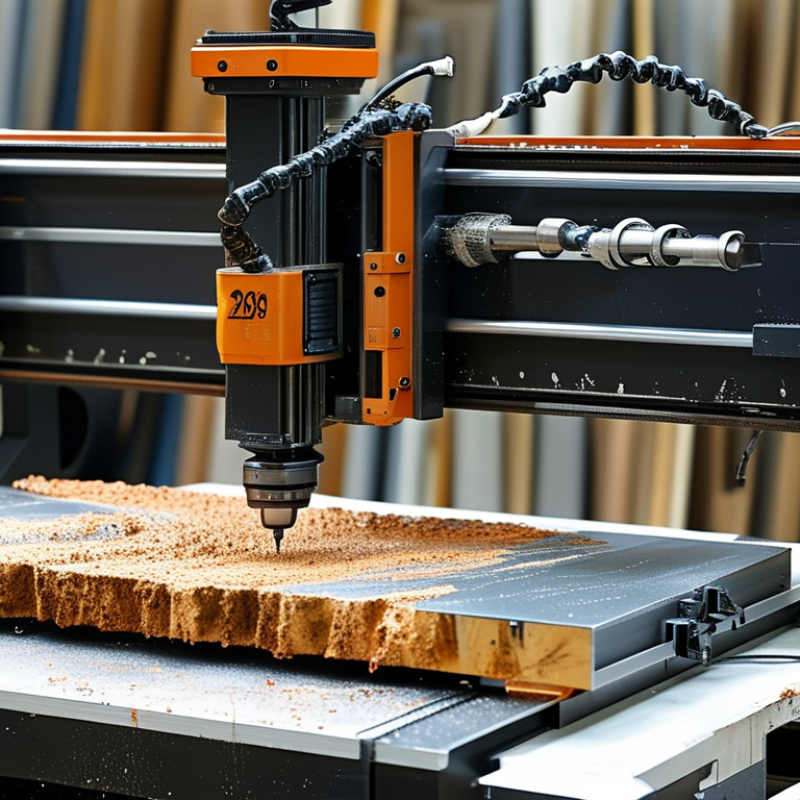
Material choice matters just as much. Wood usually needs clean chip removal and stable workholding. Acrylic requires controlled cutting speed and careful heat management. Aluminum demands a rigid frame, suitable tooling, and accurate feed settings. Glass and coated surfaces may need specialized bits or different engraving methods. Check the machine’s rated materials, spindle range, bed size, and repeatability instead of trusting impressive photographs.
I once underestimated dust buildup during a long wood project. The cuts looked accurate, but cleanup took longer than expected. That experience changed how I evaluate dust collection and access around the table. Request sample cuts when possible. Test fine lettering, sharp corners, and your thickest material. Measure the finished lines with calipers, not just your eyes. Small errors become obvious on repeated parts. Also consider software compatibility, tool changes, noise, and operator training. A machine that appears powerful may still be inconvenient for your daily workflow. Define the work clearly first.
| Engraving Goal | Typical Materials | Recommended Machine Type | Useful Working Area | Spindle or Laser Considerations | Recommended Accuracy | Important Features | Best Fit |
|---|---|---|---|---|---|---|---|
| Small signs, nameplates, and personalized gifts | Wood Acrylic Plastic Anodized aluminum | Desktop CNC router or compact engraving machine | 300 × 300 mm to 600 × 400 mm | 0.5–1.5 kW spindle for cutting and milling; diode or CO2 laser may suit non-metal marking | ±0.05–0.10 mm positioning accuracy | Easy software setup, compact footprint, dust collection, emergency stop, and limit switches | Home workshops, schools, makers, and occasional production |
| Detailed wood engraving and decorative panels | Softwood Hardwood Plywood MDF | Rigid CNC router with a dedicated dust-extraction system | 600 × 900 mm to 1300 × 2500 mm | 1.5–3.0 kW spindle; variable-speed control helps match the cutter and wood type | ±0.05–0.10 mm positioning accuracy | Rigid gantry, spoilboard, collet compatibility, automatic tool-zeroing, and strong chip extraction | Furniture components, wall décor, cabinet doors, and sign production |
| Cutting and engraving plastics or acrylic sheets | Acrylic PVC HDPE Polycarbonate | CNC router with controlled chip removal | 600 × 900 mm to 1300 × 2500 mm | 1.5–3.0 kW spindle; single-flute or plastic-specific cutters can help remove chips and reduce melting | ±0.05–0.10 mm positioning accuracy | Adjustable feed rate, vacuum table or clamps, chip extraction, and low-vibration construction | Display panels, templates, packaging parts, and protective covers |
| Light engraving and cutting of non-ferrous metals | Aluminum Brass Copper | Metal-capable CNC engraving machine or rigid benchtop mill | 300 × 400 mm to 1000 × 1500 mm | 1.5–4.5 kW spindle with stable speed control; mist or air cooling may be required for cutting | ±0.02–0.05 mm positioning accuracy | Cast or reinforced frame, low backlash, coolant or mist support, rigid workholding, and ball screws | Control panels, small metal parts, plaques, and industrial markings |
| Deep relief carving and 3D surface machining | Wood Foam Resin Non-ferrous metal | Three-axis CNC router; four-axis equipment for indexed workpieces | 600 × 900 mm to 1300 × 2500 mm | 2.2–4.5 kW spindle with a broad speed range and compatible collets for small ball-nose cutters | ±0.03–0.08 mm positioning accuracy | Rigid Z-axis, sufficient clearance, 3D CAM compatibility, automatic tool measurement, and stable workholding | Relief panels, molds, artistic carving, prototypes, and sculptural components |
| High-volume production of repeated parts | Wood Plastics Aluminum Composite sheets | Industrial CNC router with automated loading or vacuum fixturing | 1300 × 2500 mm or larger | 3.0–9.0 kW spindle depending on material thickness and cutting load | ±0.03–0.08 mm positioning accuracy | Vacuum table, automatic tool changer, nesting software, production monitoring, and reliable chip extraction | Sign shops, cabinet manufacturing, panel processing, and contract production |
| Fine marking on coated or thin materials | Anodized aluminum Painted metal Wood veneer Paperboard | Laser marking or compact CNC engraving system selected according to the material | 200 × 200 mm to 600 × 900 mm | Laser power must match the material; a spindle is more suitable when physical depth or chip removal is required | Fine detail capability with repeatable positioning | Enclosed work area, extraction and filtration, focus adjustment, material testing, and safety interlocks | Serial numbers, logos, labels, packaging prototypes, and decorative markings |
| Large-format architectural or furniture work | Plywood MDF Solid wood Composite panels | Large-format CNC router with a reinforced gantry | 1300 × 2500 mm to 2000 × 4000 mm | 4.5–9.0 kW spindle; select power according to tool diameter, material thickness, and expected duty cycle | ±0.05–0.15 mm positioning accuracy | Vacuum zones, automatic tool changer, through-feed options, heavy-duty frame, and effective dust collection | Furniture panels, interior features, doors, and architectural fabrication |
| Educational, hobby, and prototyping work | Foam Wax Wood Plastic | Entry-level desktop CNC machine with enclosed or guarded cutting area | 200 × 200 mm to 600 × 600 mm | 0.3–1.5 kW spindle; lower cutting forces are appropriate for soft materials and small tools | Approximately ±0.10 mm positioning accuracy | Simple controller, open file compatibility, training resources, compact size, and accessible maintenance points | Schools, design studios, laboratories, and early-stage product development |
Grand View Research and MarketsandMarkets both identify electrical-discharge machining as a steadily expanding segment, supported by demand for tighter tolerances, complex geometries, and automated production. MarketsandMarkets projects the EDM market to grow from approximately USD 5.1 billion in 2023 to USD 7.4 billion by 2028, representing a compound annual growth rate of about 7.6%. Grand View Research likewise highlights advanced manufacturing, aerospace, automotive, medical, and mold-making applications as important growth drivers. Differences in market definitions mean that these figures should be viewed as directional benchmarks rather than identical forecasts.
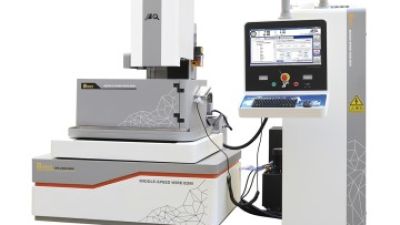
Within this outlook, medium-speed molybdenum wire-cut EDM machines offer a practical balance between precision, operating cost, and production flexibility. Their reusable wire system, programmable cutting paths, and ability to process hardened steel, carbide, and intricate conductive components make them suitable for dies, molds, medical parts, aerospace components, automotive tooling, general machining, and defense-related manufacturing. A modern factory-built system can further improve workflow through stable wire transport, digital control, automatic compensation, and efficient flushing, helping manufacturers maintain accuracy across small batches and customized orders while responding to increasingly demanding production requirements.
Define your workpiece size, engraving depth, weekly workload, and required detail. Small nameplates need different capabilities than cabinet panels. Write these requirements down. Otherwise, an expensive machine may solve the wrong problem.
Wood needs reliable chip removal and stable workholding. Acrylic requires controlled speed and careful heat management. Aluminum needs a rigid frame, suitable tooling, and accurate feeds. Glass may require specialized bits or methods.
Request sample cuts using your actual materials. Test fine lettering, sharp corners, and your thickest workpiece. Measure finished lines with calipers. Your eyes may miss small repeated errors.
Check the enclosure, emergency stop, door interlock, and automatic shutdown. Test them during a demonstration. They should respond immediately. Also inspect ventilation, electrical protection, noise, and table access.
Look for easy access to rails, lubrication points, filters, cables, and the spindle. Check whether chips collect under the table. Keep calibration records and spare wear parts nearby. Hidden service points can waste hours.
Training should cover tool loading, workholding, software settings, dust control, and emergency procedures. Operators should know what abnormal vibration means. Shortcuts happen. They should not become normal practice.
Include tooling, software, installation, electricity, extraction, training, maintenance, shipping, and rejected work. Also estimate calibration and spindle replacement. A lower price may not remain lower.
Ask about response times, spare parts, remote diagnostics, and regional technicians. Send one technical question before purchasing. A vague answer is useful evidence. Check expansion ports, software updates, automatic tool changing, and rotary attachments. Brochures sound perfect. Machines are not.
Choosing the right Cnc Engraving Machine in 2026 begins with clearly defining your engraving goals, materials, production volume, and expected level of detail. Consider whether you need a desktop, benchtop, or industrial configuration, then compare the available machine types according to work area, spindle power, cutting depth, and material compatibility. A suitable machine should provide enough capacity for current projects while leaving room for future needs.
Precision, operating speed, software compatibility, and control systems are also essential factors. Look for intuitive operation, reliable positioning, and features that support consistent results. Safety functions, routine maintenance requirements, and operator training should be evaluated before purchase. Finally, calculate the total cost, including accessories, installation, consumables, maintenance, technical support, and possible upgrades. A well-planned decision will help you select a dependable machine that improves productivity, supports safe operation, and delivers long-term value.