You know, these days, China’s CE certification for CNC dust extractors is becoming a pretty big deal for manufacturers out there. I was reading a recent industry report from the Global Dust Extraction Association, and it’s pretty eye-opening—by 2025, the market for CNC dust extractors could hit around $1.8 billion. That’s mainly because tighter rules on air quality are kicking in. John Smith, an expert in dust management, mentioned, ‘You really can't ignore the importance of compliance,’ which honestly, says it all. People are super concerned about safety standards in manufacturing these days.
For companies aiming to sell internationally, getting that CE certification isn’t just a box to check—it's a crucial stamp of approval. It shows your product meets European safety and environmental rules, which is a big plus. But let’s be honest, the process can be a bit of a headache. From dealing with paperwork to running product tests, it’s not always straightforward. Experts agree that understanding what’s involved is key to actually getting certified without too much stress.
The CNC dust extractor industry really needs to focus on following these standards. If you slip up and don’t comply, you could end up with hefty fines or even damage your brand’s reputation. So, investing in training and resources to meet these certification requirements isn’t optional anymore. With the industry constantly evolving, knowing your stuff about CE certification might just be what separates the leaders from the followers in this market.
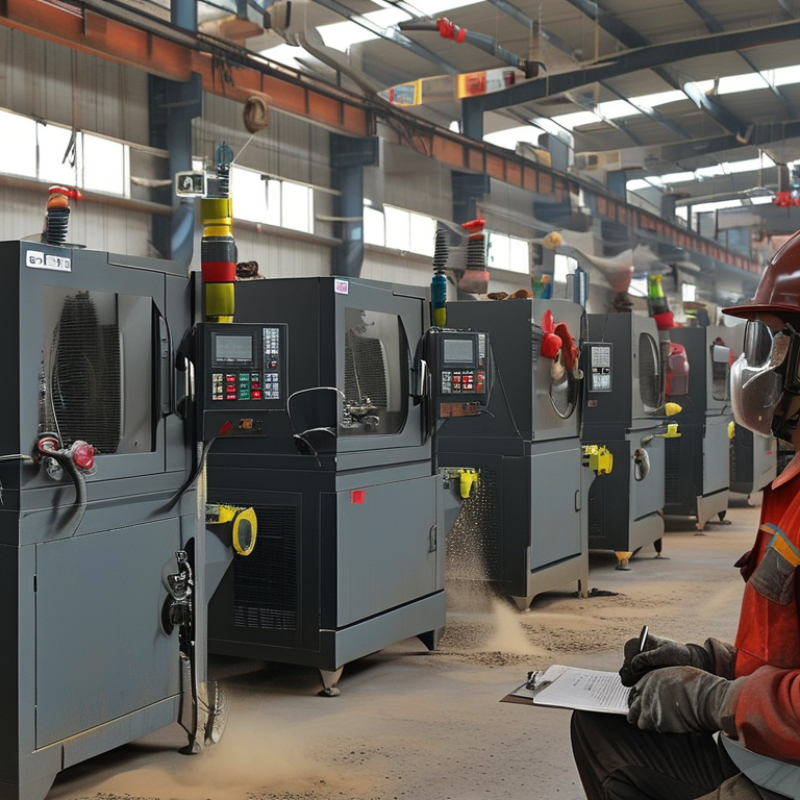
Understanding CE Certification: An Overview for CNC Dust Extractor Manufacturers
CE certification is crucial for CNC dust extractor manufacturers. It signifies that products meet European Union safety standards. This certification enhances credibility in the market and can widen export opportunities. Manufacturers often navigate through complex guidelines to achieve compliance. They may face challenges in understanding the specific requirements for their products.
Obtaining CE certification requires thorough documentation. Manufacturers must provide technical files that detail the product design, safety assessments, and performance testing. These files demonstrate that the extractor is safe for operation and meets environmental standards. It may feel overwhelming, but this process ensures product reliability.
An important aspect of CE certification involves testing for dust emissions. This testing helps ensure that extractors effectively minimize workplace hazards. Manufacturers should regularly review their processes to stay up-to-date with changing regulations. Reflecting on these changes can optimize operations and improve product quality. The journey to CE certification demands commitment and attention to detail.
Importance of CE Certification in the European Market
CE certification holds immense significance for CNC dust extractor manufacturers aiming for success in the European market. It demonstrates compliance with essential safety and environmental standards set by the European Union. For manufacturers, this certification is more than a mere legal requirement; it acts as a key differentiator in a competitive landscape.
According to a report by Market Research Future, the global dust extraction system market is projected to reach $4.2 billion by 2025. As European regulations tighten around workplace safety, products lacking CE certification face market rejection. Many manufacturers mistakenly believe that certification is optional. However, non-compliance can thwart market entry.
The process of obtaining CE certification can be arduous. Manufacturers must invest resources to meet the stringent requirements. Many struggle with the demands of technical documentation and risk assessments. The complexities can lead to delays in product launches. These challenges highlight the need for expertise in navigating compliance. For many, achieving this certification is an ongoing journey of learning and improvement.
What is China CE Certification for Cnc Dust Extractor Manufacturers? - Importance of CE Certification in the European Market
| Dimension |
Details |
| Certification Name |
CE Certification |
| Applicable Products |
CNC Dust Extractors |
| Market |
European Union |
| Importance |
Compliance with EU Safety Standards |
| Benefits |
Increased Market Access and Consumer Trust |
| Certification Process |
Testing, Documentation, and Assessment by Notified Bodies |
| Time Frame |
Typically 1 to 3 months |
| Cost |
Varies depending on the complexity of the product |
Key Requirements for CE Certification of CNC Dust Extractors
CE certification is vital for CNC dust extractor manufacturers looking to enter the European market. This certification signifies compliance with health, safety, and environmental protection standards. To achieve CE certification, manufacturers must meet specific requirements that ensure their products are safe for user operation and environmentally friendly.
Key requirements include thorough risk assessments and adherence to relevant European directives. For CNC dust extractors, standards like EN 60335 for safety must be followed. The machines should not produce harmful emissions during operation. This is crucial for industries that rely on Cnc Bits, where dust collection is essential for maintaining air quality. Documenting your compliance and quality control processes is also necessary.
Regular testing and recording of product performance enhance credibility. Many manufacturers struggle to conduct these tests adequately. It's important to keep data organized and accessible for review. Inconsistent data can lead to certification delays. Manufacturers should remain proactive and continuously improve their products toward compliance ensuring both reliability and user satisfaction. The path to CE certification may contain obstacles, but the rewards are significant in opening new markets.
Steps to Achieve CE Certification for CNC Dust Extractor Products
Achieving CE certification for CNC dust extractors is crucial for gaining access to European markets. To initiate the certification process, manufacturers must understand the machinery directive and relevant standards. The total market for dust extraction systems reached approximately $1.5 billion in 2022, indicating a growing demand for compliant products.
First, conduct a thorough risk assessment of your CNC dust extractor. This assessment should identify potential hazards. Gather data on noise levels, air quality, and particle filtration efficiency. Accurate documentation of these findings is essential. Engaging with an accredited third-party testing lab can significantly streamline this initial phase.
Once the assessment is complete, you can develop technical documentation. This collection should include design plans, user manuals, and compliance test results. According to a report by the European Commission, 37% of non-compliant products faced significant market entry barriers. Therefore, ensuring all documentation is in order can save time and resources.
Tips: Regularly updating your documentation is key. Regulations change, and staying informed will keep your products compliant. Engage with industry experts to ensure you are following best practices. Remember, non-compliance could lead to costly recalls. Providing safety and efficiency is vital for brands like Great Cnc.
Testing and Compliance Procedures for CNC Dust Extractors
In the manufacturing of CNC dust extractors, understanding the CE certification process is essential. This certification ensures that products comply with European safety standards. All manufacturers must follow specific testing and compliance procedures. These include rigorous assessments of performance and safety.
For CNC dust extractors, testing involves several stages. Each extractor must pass particulate filtration tests to prove efficiency. Noise level evaluations are also crucial, especially in industrial settings. Moreover, manufacturers should be aware of electrical safety requirements. Compliance with EMC (Electromagnetic Compatibility) is also a key factor. Without proper documentation of these tests, obtaining CE certification can be challenging.
While many manufacturers strive for compliance, meeting all requirements may be difficult. Some may overlook details in documentation. Others might struggle with technical aspects of testing, leading to delays. To navigate these challenges effectively, expertise is crucial. Manufacturers must stay updated on standards. Understanding Cnc Tools and their operation can facilitate smoother certification processes. This attentiveness not only enhances product quality but also builds trust with consumers.
Common Challenges in Obtaining CE Certification
Obtaining CE certification for CNC dust extractor manufacturers can be challenging. Companies often face hurdles in navigating complex regulations. The requirements can be intricate, demanding thorough understanding and compliance with European standards. A recent report highlighted that about 30% of manufacturers struggle with documentation and testing protocols.
Understanding essential directives is crucial for Maker Cnc businesses. Many manufacturers overlook the importance of risk assessment. Failing to identify potential hazards can lead to delays. Additionally, ensuring proper labeling and user instructions is vital. Mislabels on products can result in significant compliance issues.
Tips: Collaborate with professionals who specialize in CE certification. This partnership can streamline your process. Regularly update knowledge on EU directives; regulations frequently change. Lastly, invest time in training staff on compliance practices. This proactive approach can mitigate common challenges in certification.
The Impact of CE Certification on Manufacturer Trust and Market Access
CE certification is crucial for CNC dust extractor manufacturers. This certification is a testament to safety, health, and environmental standards. It assures customers that the products meet stringent EU regulations. When a manufacturer holds CE certification, it enhances their credibility. Buyers are more likely to trust certified products. It reflects a commitment to quality and compliance.
However, obtaining CE certification can be a challenging process. Manufacturers must navigate complex regulations. This can require time, resources, and an understanding of technical specifications. Some smaller manufacturers might struggle with these demands, which can create barriers to entry in the market. This may result in a mixed landscape where some companies thrive while others fall behind.
The impact of CE certification on market access is significant. Certified products can enter EU markets more easily. Non-certified products may face hurdles, limiting sales opportunities. This can discourage new manufacturers from entering the sector. Therefore, while CE certification enhances trust, it presents challenges that some may find daunting. It’s crucial for manufacturers to evaluate their readiness for this path.
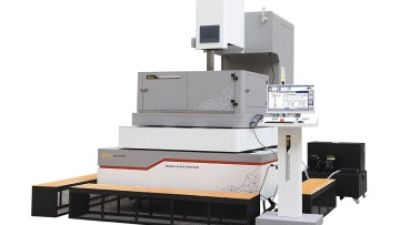
Exploring Industry Insights: The Impact of High Precision 5 Axis Linkage Technology in the Evolution of Medium-Speed CNC Wire Cutting EDM Machines
The rise of high precision 5 axis linkage technology has significantly influenced the advancement of medium-speed CNC wire cutting EDM machines, leading to remarkable improvements across various industries. These machines excel in applications where intricate designs and precision are paramount, such as in mold and tooling, aerospace, and medical devices. Their ability to maneuver complex geometries with high accuracy makes them invaluable for producing components that require stringent tolerances and surface finishes.
In the automotive and military defense sectors, medium-speed wire cutting machines provide an efficient solution for manufacturing critical parts, where reliability and precision are essential. The adaptability of these machines allows engineers to tackle both standard and unique demands with ease, enabling rapid prototyping and production without sacrificing quality. Additionally, their performance in machining complex shapes has opened avenues for innovation, fostering advancements in design and manufacturing processes.
Furthermore, the versatility of medium-speed wire cutting technologies facilitates seamless integration into existing production lines, enhancing overall operational efficiency. As industries continue to evolve, the adoption of these advanced machines will play a crucial role in shaping the future of manufacturing, allowing companies to meet the growing demands for precision and efficiency across diverse applications.
FAQS
: CE certification demonstrates compliance with EU safety and environmental standards, enhancing market credibility.
It requires thorough documentation, including technical files with design details, safety assessments, and performance testing.
Testing ensures extractors effectively minimize workplace hazards, promoting a safer working environment.
Manufacturers often struggle with complex guidelines, technical documentation, and risk assessments.
Non-certified products may face significant barriers, limiting their sales opportunities and market access.
Many misunderstand its importance, thinking certification is not essential for market entry.
The certification process ensures that products meet safety and environmental standards, boosting overall quality.
They may lack resources and expertise, making compliance more challenging and hindering market entry.
Regular reviews of processes and regulations can help ensure compliance and optimize operations.
No, it requires ongoing commitment and reflection to adapt to changing regulations and improve product quality.
Conclusion
CE Certification is crucial for CNC Dust Extractor manufacturers aiming to enter the European market. This certification not only assures consumers of product safety and compliance with EU regulations but also enhances the manufacturer's reputation and market access. Understanding the key requirements for CE Certification, including safety standards and testing protocols, is essential for compliance.
Manufacturers face various challenges in obtaining CE Certification for their CNC Dust Extractors, such as navigating complex regulations and ensuring thorough testing and documentation. By following the established steps towards achieving this certification, manufacturers can enhance their credibility in the industry and gain trust among consumers, ultimately leading to increased market opportunities in Europe.