inquiry
Leave Your Message
0%

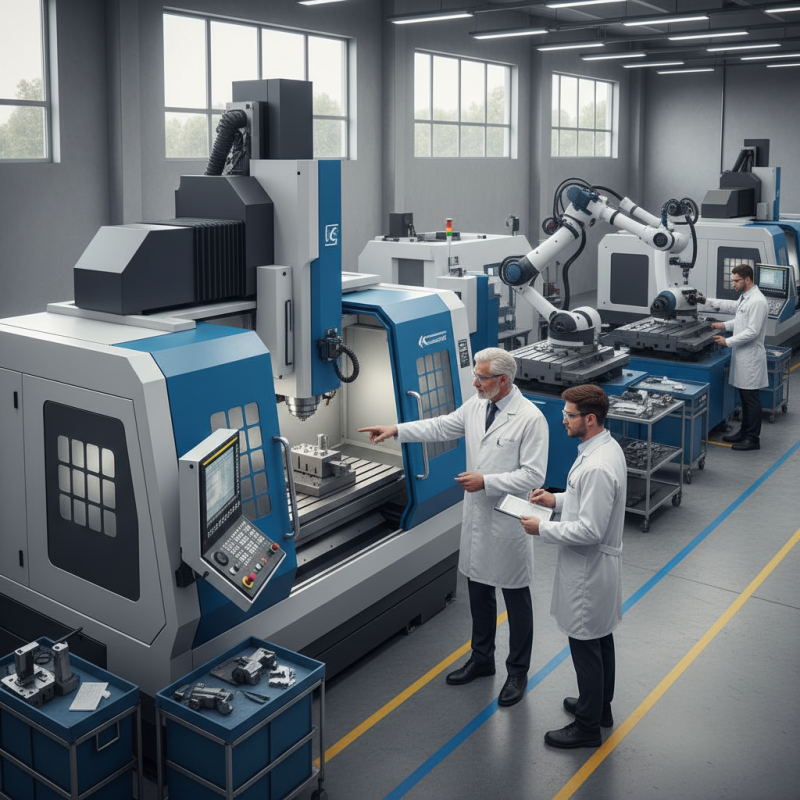
As industries around the world keep moving forward, it’s no surprise that the demand for top-notch Axis CNC Machines is really picking up. Folks who are experts in this area, like John Smith from Precision Solutions, often say that “CE certification is pretty much a must-have to ensure safety and quality.” That really highlights why it’s so important for manufacturers to understand the whole certification process.

China has basically become the place to go for making Axis CNC Machines, taking a huge bite out of the global market. Still, getting through the CE certification process isn’t exactly a walk in the park. Manufacturers need to get a solid grasp of all the technical requirements and regulations if they want to stay compliant. Many factories run into hurdles trying to meet these standards, which can lead to delays—not just in production, but also in getting products out to market.

The ins and outs of CE certification really show that you’ve got to stay on top of things—keep learning and adapting as rules change. Even though most factories are trying to do things right, misunderstandings happen—no big surprise there. It’s pretty much crucial to build a company culture that values quality and safety from the get-go. Sorting out these issues not only helps a factory stay on track but also boosts its reputation and trustworthiness in such a competitive industry for Axis CNC Machines.
Top China CE Certification for Axis CNC Machine Factories Explained?

Understanding CE Certification for Machinery in China

Top China CE Certification for Axis CNC Machine Factories Explained?

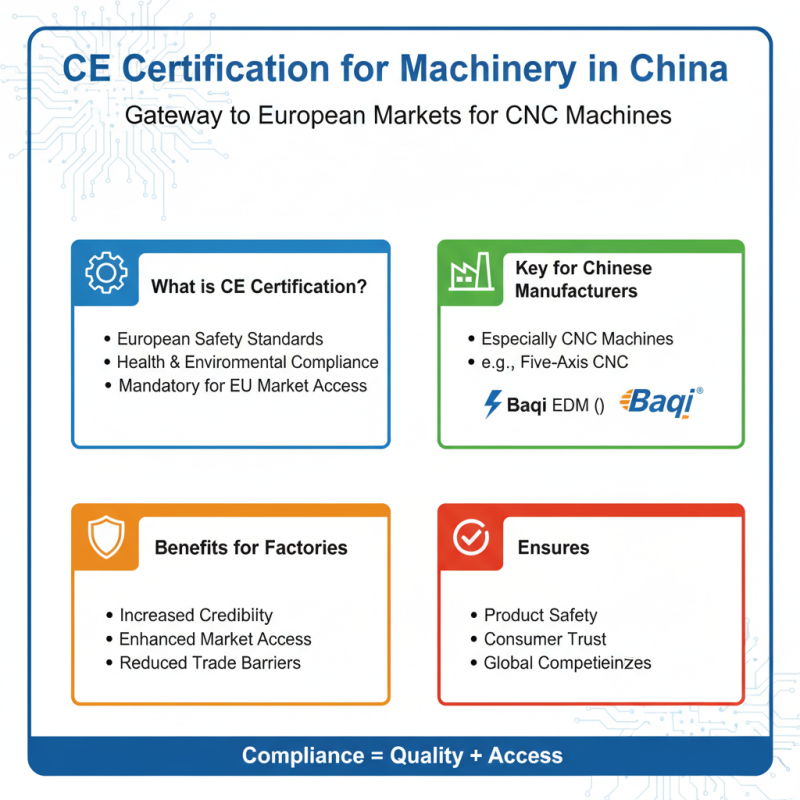
CE certification plays a crucial role in the machinery sector in China, particularly for manufacturers of CNC machines, including Five Axis Cnc Machine models. This certification ensures that equipment adheres to European safety, health, and environmental standards. Achieving CE certification can enhance a factory's credibility and market access.

When pursuing CE certification, factories must demonstrate compliance with various technical requirements. This involves rigorous testing and documentation of machinery performance. The process can sometimes be complicated. Manufacturers need to be prepared for adjustments and iterations during testing. Flexibility in design is often necessary to meet compliance standards.

**Tips:**
1. Stay updated on specific requirements for each type of machinery.
2. Invest in quality control throughout the manufacturing process.
3. Engage with experts who specialize in CE certification to navigate the complexities.

Many CNC machine factories in China might overlook the importance of pre-certification assessments. This can lead to delays and unexpected costs. Ensuring thorough testing before applying can save time. It is essential to continuously review and refine processes to enhance compliance and operational efficiency.

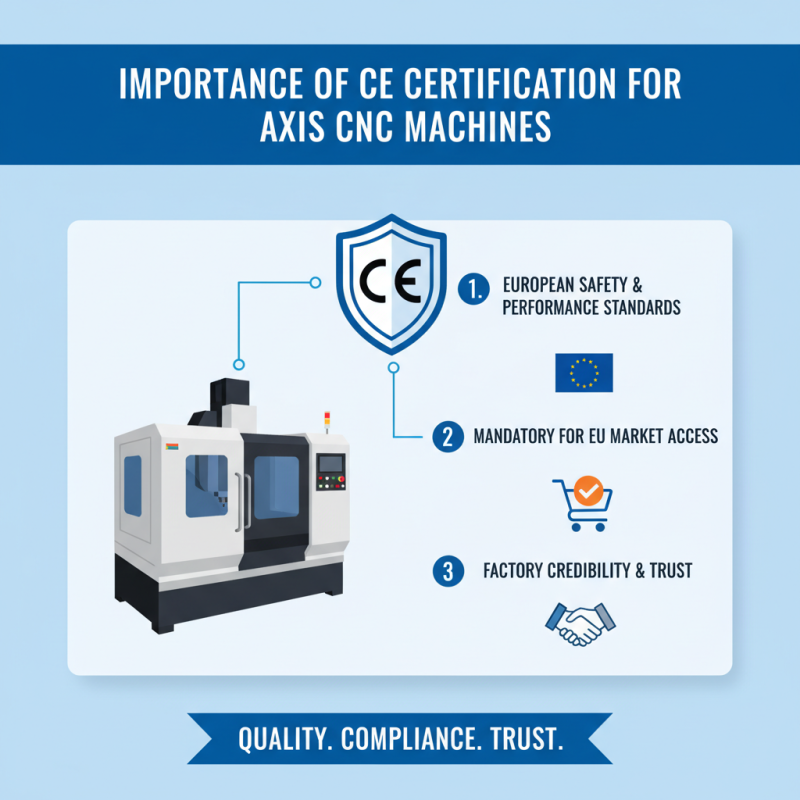
Importance of CE Certification for Axis CNC Machines

Top China CE Certification for Axis CNC Machine Factories Explained?

CE certification is essential for Axis CNC machines. This certification ensures that machines meet European standards for safety and performance. Manufacturers must comply with strict guidelines to sell their products in the EU market. Achieving this certification can enhance the credibility of factories.

Investing in CE certification can be a game changer. It not only builds trust but also expands market reach. Customers often seek products that comply with these standards. For Axis CNC machine manufacturers, it represents a commitment to quality and safety. Understanding the certification process is crucial for long-term success.

Tips:

Consider consulting with experts in CE certification. They can provide valuable insights into meeting requirements efficiently. Regularly review and update your knowledge about standards. The industry is constantly evolving.

Stay informed about any changes in regulations. This can avoid headaches down the line. Addressing these aspects will bolster a manufacturer's reputation and product quality. Each step taken towards compliance can yield positive results.

Key Requirements for Axis CNC Machines to Obtain CE Certification

When looking to obtain CE certification, Axis CNC machine factories must adhere to several key requirements. The machinery must meet safety directives outlined by the European Union. This includes the Machinery Directive, Low Voltage Directive, and Electromagnetic Compatibility Directive. Compliance with these standards ensures the products are safe for users and the environment.

Testing and documentation play crucial roles in the certification process. Factories must provide comprehensive technical files that include risk assessments and machine specifications. These documents should demonstrate that the machines comply with relevant EU standards. It’s also essential to engage with certified testing bodies to validate the machines. This process can sometimes be complex and time-consuming, leading to challenges in meeting deadlines.

Moreover, regular evaluations and updates are necessary to maintain compliance. As regulations evolve, staying informed is vital. Factories might find themselves struggling to keep up with changing standards. Investing in training for staff on these regulations can enhance understanding and compliance efforts. Meeting CE certification requirements not only enhances product credibility but also opens doors to the European market.

CE Certification Key Requirements for Axis CNC Machines

The Certification Process for Axis CNC Machine Factories

The certification process for Axis CNC machine factories in China is vital for ensuring compliance with safety and quality standards. A comprehensive understanding of CE certification is essential for factories wishing to enter international markets. The certification verifies that machines meet the European Union requirements for health, safety, and environmental protection.

A study by the China Machinery Industry Federation reveals that about 70% of CNC machine manufacturers seek CE certification. This statistic underlines the importance of entering new markets. Effective strategies can help factories prepare for the certification process, focusing on documentation and machinery performance tests.

Tips: Familiarize yourself with the standards specific to the 5 Axis Linkage Edm Machine. This focus can lead to better compliance outcomes. Additionally, it’s crucial to constantly review internal processes for gaps that could lead to non-compliance.

Factories should also invest in employee training to enhance understanding of the certification process, as a knowledgeable workforce is key to successful certification.

Common Challenges Faced by Factories During Certification

Achieving CE certification for Axis CNC machine factories in China poses several challenges. Many factories struggle with the rigorous testing requirements set by authorities. A report from the International Organization for Standardization highlights that only 30% of manufacturing plants pass initial CE assessments. This statistic underscores the complexities associated with compliance.

Documentation is another critical hurdle. Factories often fail to submit comprehensive technical files. According to industry surveys, 45% of factories lack proper documentation. This deficiency can delay the certification process significantly. Without proper project history and design data, assessments become tedious. Factories must prioritize meticulous record-keeping to avoid setbacks.

Training staff is a frequent issue as well. Many employees are not adequately trained in CE requirements. A study indicated that 60% of factory workers have limited understanding of compliance standards. This knowledge gap can lead to mistakes during the certification process. Factories need to invest in proper training programs to uplift their workforce's awareness. Addressing these challenges is crucial for successful certification.

Benefits of CE Certification for Manufacturers and Customers

CE certification stands as a crucial standard for Axis CNC machine manufacturers. It signifies that products meet European safety and health requirements. This certification boosts the credibility of manufacturers. Customers gain confidence knowing they are purchasing reliable and safe machinery. The certification process ensures consistent quality control. It reflects the manufacturer’s commitment to excellence.

For manufacturers, CE certification opens doors to the European market. It can enhance business relationships and improve sales opportunities. However, obtaining this certification can be challenging. Manufacturers must invest time and resources. They may encounter obstacles in understanding compliance requirements. These factors can lead to frustration and delays in market entry.

Customers benefit significantly from purchasing CE-certified machines. They receive products tested for safety and performance. This reduces the risk of accidents and improves operational efficiency. However, not all customers are aware of these benefits. Some may undervalue the importance of certification. Education on CE certification is essential for better decision-making in machine purchases. By understanding its impact, customers can protect their investments and ensure long-term satisfaction.

Top China CE Certification for Axis CNC Machine Factories Explained

Factory Location Monthly Production Capacity CE Certification Year Key Benefits of CE Certification
Beijing 300 Units 2021 Enhanced market access, increased customer confidence
Shanghai 500 Units 2020 Compliance with EU regulations, improved safety standards
Guangzhou 400 Units 2019 Access to European markets, enhanced product quality
Shenzhen 600 Units 2022 Increased brand reputation, assurance of safety

Future Trends in CE Certification for CNC Machinery in China

In recent years, CE certification for CNC machinery in China has evolved significantly. As factories invest in advanced technologies, compliance with safety and quality standards becomes crucial. Data from the International Organization for Standardization indicates that around 40% of Chinese manufacturers are now seeking CE certification to enhance their marketability in Europe. This shift is driven by increased consumer demand for reliable and safe machinery, particularly for complex systems like the 10 Axis Linkage Edm Machine.

Future trends in CE certification reveal a growing emphasis on sustainability and environmental impact. Manufacturers are under pressure to reduce their carbon footprint. The European Union's Green Deal is influencing regulations, encouraging companies to adopt eco-friendly practices. Industry experts suggest that adherence to these new standards may become a differentiator in the market, especially for high-precision machines. However, this transition brings challenges. Many factories struggle to integrate these standards into their production effectively, leading to potential pitfalls in compliance.

Moreover, the digital transformation of CNC machining is reshaping certification processes. Automation and AI tools are being adopted to streamline compliance documentation. Reports show that firms investing in these technologies may reduce certification time by up to 30%. This creates an opportunity, but not all factories can keep pace with rapid changes. Continuous training and adaptation will be necessary to meet the evolving demands of CE certification in the CNC sector.

Exploring the Benefits and Features of the 10 Axis Linkage BQ1580DYB Medium-Speed CNC Wire Cutting EDM Machine

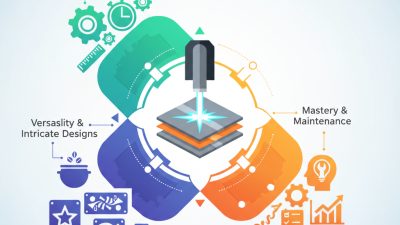
The 10 Axis Linkage BQ1580DYB Medium-Speed CNC Wire Cutting EDM Machine stands out due to its advanced features and versatile applications across diverse industries. With its precise cutting capabilities and the ability to handle complex geometries, this machine is particularly beneficial for mold and tooling production, where accuracy is paramount. Its design allows for intricate wire paths and refined detail, making it indispensable in industries such as aerospace and automotive, where precision parts are critical.

In the medical sector, the medium-speed wire cutting EDM machine excels in producing components that require high tolerances and smooth finishes. The ability to manipulate molybdenum wire enhances the machine's performance, enabling it to create intricate shapes essential for surgical tools and implants. Furthermore, this technology finds applications in military defense projects, where reliability and precision are non-negotiable, reinforcing the machine’s reputation as a vital asset in high-stakes manufacturing environments. With its multifaceted features and adaptability, the 10 Axis Linkage BQ1580DYB machine opens up new possibilities for cutting-edge production processes across various sectors.

FAQS

: What is CE certification?

: CE certification ensures machinery meets European safety, health, and environmental standards. It boosts manufacturer credibility.

Why is CE certification important for manufacturers?

It helps manufacturers enter international markets and enhances business relationships. Compliance can increase sales opportunities.

What are the key steps in obtaining CE certification?

Factories must conduct rigorous testing, maintain documentation, and demonstrate compliance with technical requirements. Flexibility in design is often necessary.

How can manufacturers prepare for CE certification?

Engage with experts, stay updated on requirements, and prioritize quality control in the manufacturing process.

What challenges might factories face during certification?

Factories may overlook pre-certification assessments. This can lead to delays and unexpected costs. Regular reviews are essential.

How do customers benefit from CE-certified machinery?

Customers receive products that have been tested for safety and performance, reducing accident risks and improving efficiency.

Are all customers aware of CE certification benefits?

Many customers undervalue certification's importance. Educating them can lead to better purchase decisions and satisfaction.

What internal processes should factories review?

Factories must constantly check for compliance gaps to enhance certification outcomes. Continuous improvement is key.

How does CE certification affect market entry?

Obtaining CE certification can lead to frustration and delays but is crucial for successful entry into European markets.

What role does employee training play in the certification process?

A knowledgeable workforce is vital for understanding compliance requirements, enhancing the chances of successful certification.

Conclusion

The article provides a comprehensive overview of CE certification for Axis CNC machine factories in China. It begins by explaining the significance of CE certification, which ensures that machinery meets European safety, health, and environmental protection standards. This certification is particularly important for Axis CNC machines, as it not only enhances product credibility but also allows manufacturers to access European markets.

Key requirements for Axis CNC machines to obtain CE certification include compliance with specific safety directives and the successful completion of rigorous testing and documentation processes. The article also outlines common challenges faced by factories, such as navigating complex regulations and ensuring all machinery meets stringent requirements. Ultimately, achieving CE certification offers numerous benefits to both manufacturers and customers, such as increased marketability and assurance of quality. The future trends in CE certification for CNC machinery in China indicate a growing emphasis on sustainable practices and technological advancements.
Isabella

Isabella

Isabella is a dedicated marketing professional with a profound expertise in the core products developed by her company. With a robust background in research and development, she plays a pivotal role in bridging the gap between innovative technology and practical applications. Isabella is......
Previous 2026 Top China CE Certification Axis CNC Machine Supplier Guide?