When it comes to the competitive world of CNC equipment manufacturing, CE Certification is a pretty big deal. Companies like Haidenhain and DMG Mori consistently stress how important it is to meet European standards. Getting that certification not only boosts the trustworthiness of your products but also really opens doors in the European market. According to recent reports from the International Federation of Robotics, the CNC equipment market is expected to grow by more than 8% each year — not too shabby, right?
That being said, the road to certification isn't always smooth sailing. Manufacturers have to ensure they're perfectly aligned with safety and environmental rules, which can be a real headache for some. A survey by the German Machinery Association even found that nearly 30% of manufacturers find achieving CE compliance pretty challenging. Honestly, it shows just how much they need to understand the ins and outs of the process and develop some solid expertise.
Getting a grip on what CE Certification really involves is key if you want to succeed in the global CNC equipment scene. It’s about staying ahead of the game by understanding industry standards, investing in the right training, and making sure everything matches up. Sure, the journey can feel a bit overwhelming at times, but honestly, the payoff for those who get it right can be pretty significant. It’s all about setting your business up for long-term success with confidence that you're meeting the right standards.
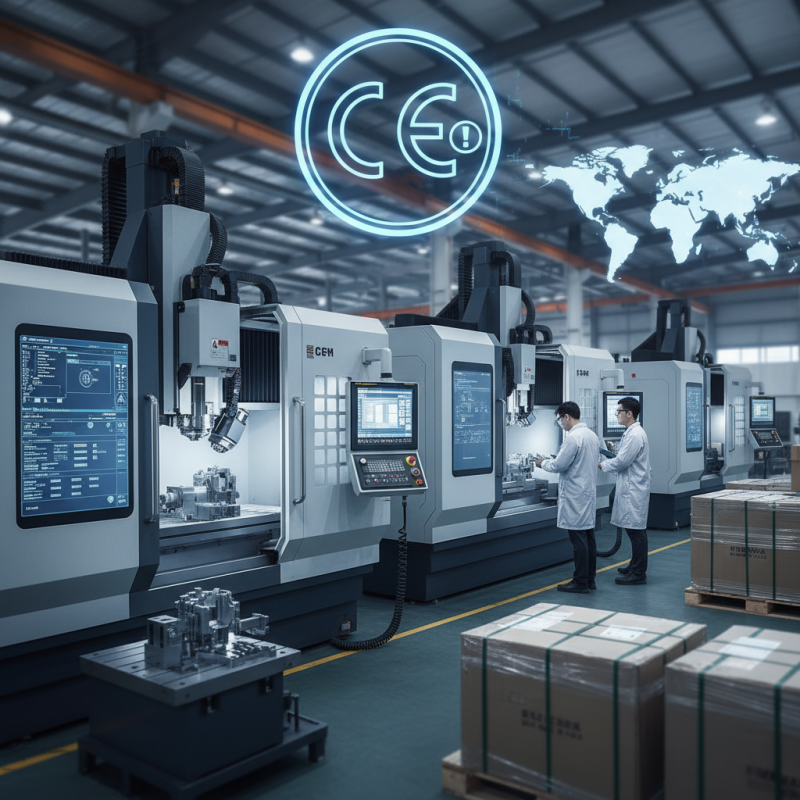
Understanding CE Certification: An Overview for CNC Equipment Manufacturers
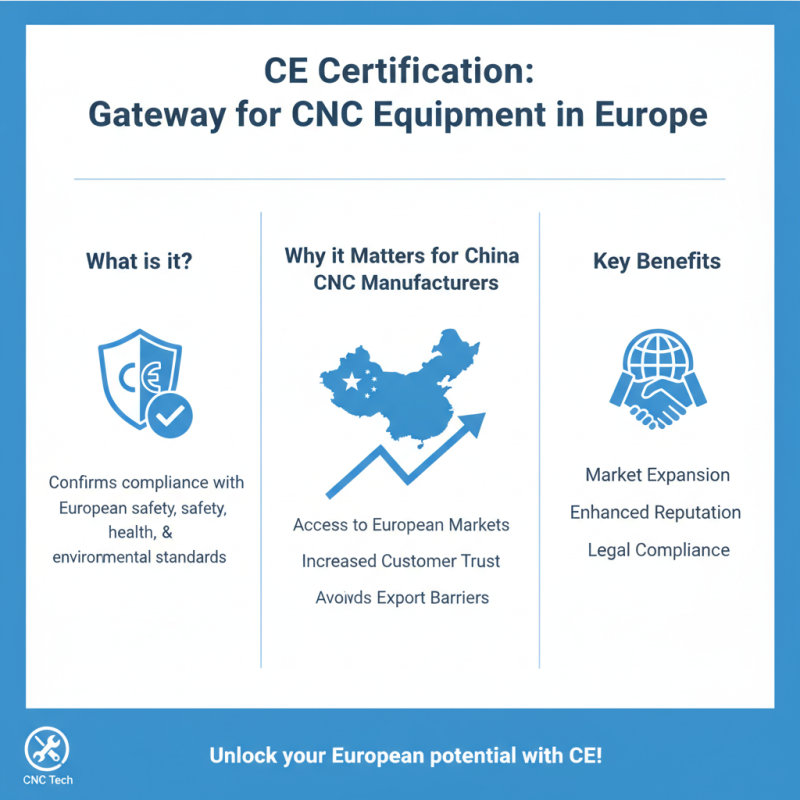
CE certification is crucial for CNC equipment manufacturers in China. It signifies that products meet European safety, health, and environmental protection standards. This certification opens doors to European markets, increasing trust among customers. Without it, manufacturers may face barriers when exporting.
The CE marking process involves several steps. Manufacturers must conduct product testing and document compliance with relevant directives. This can be complex and time-consuming. Many firms may find discrepancies in their understanding of requirements. Engaging with experts or consultants can help navigate these challenges. It’s vital for companies to address gaps in their compliance methods.
Obtaining CE certification is more than just a formality. It shows commitment to quality and safety. Failures in this process can lead to significant financial losses and reputational damage. Companies should regularly review their compliance protocols. Continuous improvement is essential in adapting to regulatory changes.
Importance of CE Certification for CNC Equipment in the European Market
CE certification is crucial for CNC equipment manufacturers aiming to penetrate the European market. This certification demonstrates that products meet EU safety, health, and environmental standards, significantly enhancing credibility. In 2022, research indicated that over 70% of manufacturers without CE certification faced barriers entering Europe. This highlights the importance of compliance.
Ensuring CE certification can directly influence market share. A report from the European CNC Association suggested that certified products increased sales opportunities by up to 40%. Additionally, customers often prefer certified equipment, associating it with quality and reliability. Without this certification, manufacturers risk losing valuable contracts, especially in competitive markets.
Despite the advantages, the certification process can be complex. Many manufacturers, including those specializing in Premier Equipment Cnc, struggle with stringent testing requirements. Misunderstandings about the technical documentation can lead to delays. Reflecting on these challenges emphasizes the need for expert guidance to navigate certification effectively. Proper understanding of CE requirements not only facilitates market access but also ensures long-term business success.
Steps to Obtain CE Certification for CNC Equipment in China
Obtaining CE certification for CNC equipment in China involves several critical steps. Manufacturers must ensure that their products meet stringent European safety standards. This process begins with a comprehensive product assessment. Analyzing equipment specifications and material quality is essential. Insufficient evaluation can lead to delays in certification.
Next, manufacturers must conduct a risk assessment. This includes identifying potential hazards associated with their Cnc Inspection Equipment. Any apparent risks must be addressed before moving forward. Documentation plays a vital role. Accurate records of tests and evaluations are necessary to demonstrate compliance with CE requirements.
Finally, securing a certification body is crucial. Manufacturers need to partner with accredited institutions to validate their processes. This step often requires additional testing, which can be costly and time-consuming. Inadequate preparation could lead to setbacks. The pursuit of CE certification is essential for accessing European markets, but it demands attention to detail and perseverance. Manufacturers often revisit their processes for improvement, aiming for a better outcome in future certifications.
Key Requirements for CE Compliance in CNC Equipment Manufacturing
CE certification is crucial for CNC equipment manufacturers in China. It ensures that products meet European safety, health, and environmental standards. For CNC equipment, including Wire Cutting Equipment, compliance with CE requirements is essential for market access.
Manufacturers must conduct risk assessments as part of the compliance process. Documenting the technical specifications is also necessary. Testing prototypes against European standards helps identify potential hazards early. Each piece of wire cutting equipment should have a clear instruction manual and safety warnings. This information is critical for user safety and adherence to regulations.
While the CE certification process can seem overwhelming, paying attention to details is vital. Overlooking small components or minor safety features can lead to non-compliance. Manufacturers should also stay updated on changing regulations. Continuous learning and adaptation are key in this constantly evolving industry. The journey to CE compliance requires diligence and careful planning.
CE Certification Requirements for CNC Equipment Manufacturers in China
Common Challenges Faced by CNC Manufacturers in Achieving CE Certification
The journey to obtaining CE certification for CNC equipment manufacturers in China is fraught with challenges. One of the main hurdles is understanding the extensive requirements set by the European Union. Many manufacturers struggle with the complexity of the standards, as they often need to interpret technical documents and ensure compliance. This can lead to confusion and misinterpretation.
Another issue is the rigorous testing processes involved. Manufacturers may face delays in product testing, which can add to the frustration. Identifying a reliable testing laboratory proves challenging, given the rising number of options. Furthermore, the continual updates in CE guidelines can catch manufacturers off guard, rendering current products suddenly non-compliant.
Many manufacturers also overlook the importance of documentation during certification. Failure to maintain detailed records can result in significant setbacks. It’s essential to regularly review all safety and operational manuals. Establishing a proactive approach to compliance can help alleviate these obstacles. Manufacturers must engage in ongoing education about CE standards. This keeps their processes aligned with regulatory expectations.
Post-Certification: Maintaining Compliance and Quality Standards
Post-certification, CNC equipment manufacturers in China face the challenge of maintaining compliance with CE standards. Regular audits and updates to quality control processes are essential. A recent report indicated that 30% of manufacturers struggle with maintaining these standards due to evolving regulations. Compliance doesn’t end with initial certification; it is a continuous commitment.
Quality management systems must be integrated into everyday operations. Investment in staff training is crucial. According to industry findings, companies that prioritize training see a 20% decrease in non-compliance incidents. However, many firms overlook the importance of this factor. As regulations change, staying informed is paramount. Manufacturers can utilize resources like the European Commission’s guidelines for the latest updates.
Documentation is another key element. Proper record-keeping helps in timely audits and mitigates risks. It’s reported that companies with rigorous documentation practices are 40% more likely to pass audits successfully. Yet, it remains a common oversight. Continual improvement should be the goal, as it ensures that quality does not slip post-certification.
Impact of CE Certification on Global Market Access for Chinese CNC Equipment
CE certification has become a key requirement for CNC equipment manufacturers in China. It signifies compliance with European Union safety, health, and environmental protection standards. For manufacturers, obtaining CE certification opens doors to the European market. A report by the Global Industrial Standards Association notes that 72% of international customers prefer products with CE marking. This preference enhances a manufacturer's credibility, especially in regions with stringent quality requirements.
Impact on global market access is significant. CE certification removes barriers that often hinder Chinese CNC equipment from competing on an equal footing. Many buyers view CE certification as a quality assurance indicator. Moreover, a recent survey revealed that 65% of importers from Europe are willing to pay a premium for certified products. Such data underscores the importance of CE certification for companies producing
Automated Assembly Equipment. Without it, manufacturers risk losing competitive advantages in a rapidly evolving global landscape.
However, the pathway to certification can be challenging. Many manufacturers struggle with compliance due to intricate regulations. The complexity of meeting EU requirements can lead to delays in product launch. Continuous investment in understanding and implementing these standards is essential but often underfunded. Addressing these challenges is crucial for long-term success in the global market.
Maximizing Precision and Efficiency in Metal Fabrication: Insights from the Latest CNC EDM Machine Industry Analysis
The precision and efficiency requirements in metal fabrication have never been more critical, particularly in high-stakes industries such as aerospace, automotive, medical, and military sectors. Maximizing performance in these areas involves sophisticated machinery, notably CNC EDM (Electrical Discharge Machining) systems, which have become increasingly integral to modern manufacturing processes. According to recent industry analyses, the global CNC EDM market was valued at approximately $3.5 billion in 2022 and is projected to grow significantly, driven by advancements in technology and the rising demand for precision manufacturing.
Medium-Speed Wire EDM technology, for instance, has demonstrated remarkable adaptability across different industrial applications. In the mold and tooling sector, it allows for highly intricate shapes and tight tolerances, crucial for producing reliable and efficient molds. In the medical field, the ability to create complex geometries without compromising precision has revolutionized the production of surgical instruments and implants. Furthermore, in defense applications, the reliable and accurate cuts provided by medium-speed wire EDM systems support the creation of complex components vital for military hardware.
The benefits of using medium-speed wire cutting machines are evident, as they enhance productivity while minimizing material waste. With an increasing emphasis on sustainability in manufacturing, these machines promote efficient material usage and reduced operational costs. Moreover, industry reports suggest that incorporating advanced wire EDM technologies can lead to a 30% increase in productivity compared to traditional methods, making them indispensable for companies aiming to stay competitive in rapidly evolving markets.
FAQS
: Key steps include product assessment, conducting risk assessments, and securing a certification body.
It identifies hazards associated with equipment, helping manufacturers address potential risks effectively.
Documentation is vital. Accurate records demonstrate compliance and help avoid certification delays.
Many struggle with understanding complex requirements and interpreting technical documents, leading to misinterpretations.
Delays often arise from rigorous testing processes and difficulties in finding reliable testing laboratories.
Regulations change frequently. Staying informed prevents existing products from becoming non-compliant unexpectedly.
A proactive approach and ongoing education about CE standards can align processes with current regulations.
Overlooking documentation and minor safety features can lead to significant setbacks in achieving compliance.
Regular reviews of safety components and thorough evaluations of equipment specifications are crucial for improvement.
It can be overwhelming and complex. Reflection on challenges faced can lead to better compliance strategies.
Conclusion
CE certification plays a crucial role for CNC equipment manufacturers in China seeking to penetrate the European market. This certification process ensures that CNC equipment meets specific safety and performance standards, enhancing its credibility and competitive edge. The importance of CE certification lies in its ability to facilitate market access and foster trust among international buyers, thus broadening the manufacturers' global reach.
To obtain CE certification, manufacturers must navigate several steps, including understanding key compliance requirements and addressing common challenges that may arise during the process. Post-certification, maintaining compliance and upholding quality standards is essential for sustaining market reputation. Overall, CE certification significantly impacts the global accessibility of Chinese CNC equipment, enabling manufacturers to expand into diverse markets while adhering to international regulations.