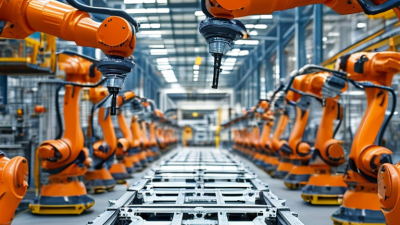
When it comes to manufacturing electronics, picking the right equipment is kinda a big deal. For instance, a Robotic Soldering Machine can seriously boost your efficiency and help get things more accurate. Big names like Yaskawa and Panasonic have really made a mark here, offering machines with all sorts of features. These machines make pretty tricky soldering tasks a whole lot easier.
That said, there’s no “perfect” robotic soldering machine that works for everyone. Every production setup is different, and factors like how much you’re manufacturing, how precise things need to be, and your budget—those all matter a lot. If you choose the wrong machine, it could end up costing you more in the long run.
Figuring out which model to go for can be pretty overwhelming too. You might find some machines that run super fast but aren’t all that precise, while others might give you top-notch accuracy but operate at a snail’s pace. It’s really important to weigh performance carefully because, honestly, the decision impacts your whole operation. Investing some time in evaluating what actually fits your needs—both now and down the line—can really make all the difference. The right soldering robot could totally transform your production process, but yeah, it takes some thoughtful planning.
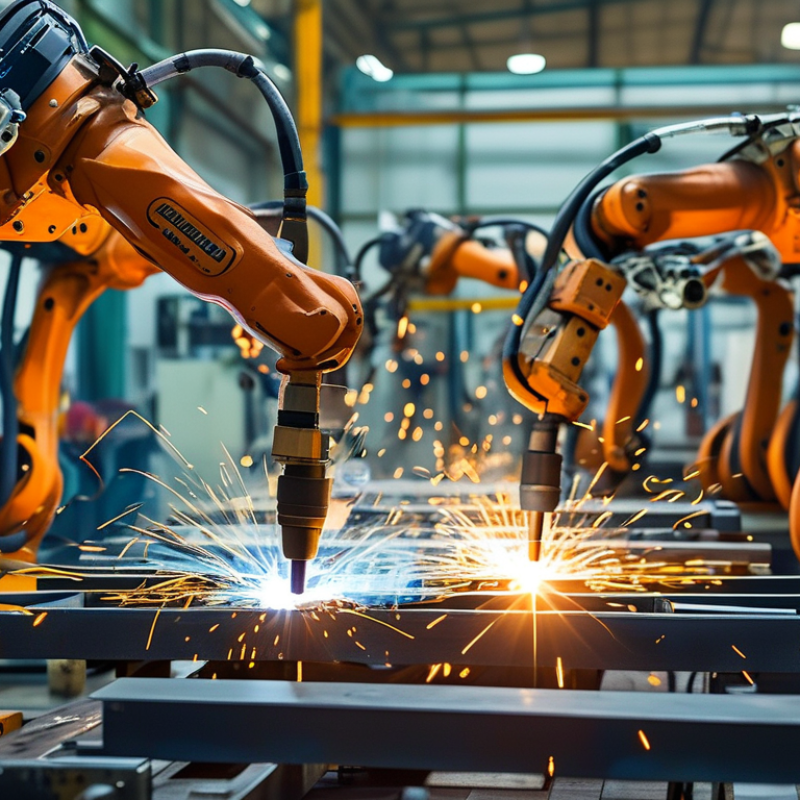
Understanding Robotic Soldering Machines: Key Features and Benefits
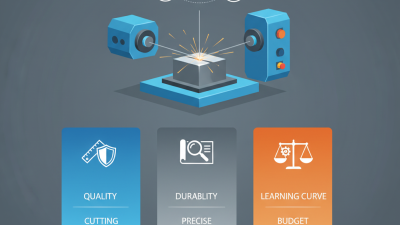
Robotic soldering machines offer precision and efficiency in electronics manufacturing. Understanding their key features can help you make an informed decision. One crucial aspect is accuracy. High-quality machines often have advanced sensors that improve placement and soldering accuracy. This leads to fewer defects in production, which is essential for maintaining high standards.
Another important feature is programmability. Many machines allow customization of soldering parameters. This flexibility can cater to various components and applications. It's worth noting, however, that not all machines offer the same level of programmability. Users may find some machines easier to set up and adjust than others. Reading manuals or watching tutorials can enhance user experience.
The overall build quality and durability also play a significant role. Well-constructed machines can withstand heavy use, ensuring a longer lifespan. However, cheaper models may present challenges over time, like wear and tear. It’s imperative to balance budget and quality to avoid frequent repairs. Investing in robust machinery often pays off in the long term, but it can pose a dilemma for cost-sensitive operations.
Types of Robotic Soldering Machines for Different Applications
Robotic soldering machines come in various types, each designed for specific applications. For precision tasks, high-speed pick-and-place models are ideal. These machines enhance efficiency in electronic assembly lines. According to a recent industry report, the demand for such machines increased by 20% in 2022. A robotic machine can perform soldering work at speeds surpassing manual methods.
For more complex applications, integrated systems combining vision technology with robotic arms are available. These systems can adapt to various PCB layouts. This adaptability is crucial as the electronics industry shifts to small-batch production. Industry data indicates that 75% of manufacturers plan to adopt these advanced machines within the next five years. However, integration of vision systems can add cost and complexity.
Another consideration is the affordability of robotic solutions for smaller operations. Choices in the market often lead to confusion. Robotic soldering often requires calibration and fine-tuning, which may overwhelm some users. Manufacturers often need to weigh the cost benefits against the ongoing costs of operation and maintenance. A Cnc Machine may require constant programming updates and can be tricky for operators without advanced training. Balancing these factors is key to finding the right machine for your needs.
Factors to Consider When Choosing a Robotic Soldering Machine
When selecting a robotic soldering machine, several critical factors deserve careful examination. Precision is paramount. According to a recent industry report, machines with a placement accuracy of ±0.01 mm significantly improve production quality. This precision directly influences defect rates and overall yield, making it a central consideration.
Another important factor is the machine’s speed. In high-volume settings, machines that can solder at rates exceeding 100 joints per minute are preferred. However, high speed doesn't always mean high quality; balancing speed with soldering quality is essential. Additionally, flexibility is vital; some machines adapt to various board designs better than others.
Integration with existing systems is also crucial. Machines that offer seamless connectivity with software and hardware in production lines reduce setup times. The result is improved operational efficiency. However, finding the ideal balance between these factors is often challenging. Each production environment is unique, highlighting the need for a tailored approach. In an industry where 70% of manufacturers report difficulties when upgrading to automation, a thoughtful selection process is essential.
Top Robotic Soldering Machine Brands and Models
When selecting a robotic soldering machine, understanding the leading brands and models is essential. Industry reports reveal that the global market for soldering robots is projected to grow rapidly. The demand for precision and efficiency is driving manufacturers to innovate. The top models often feature advanced algorithms that enhance soldering accuracy and speed. For instance, some machines utilize real-time feedback systems, allowing adjustments on the fly.
Key brands are recognized for their reliability and cutting-edge technology. Data indicates that robotic soldering machines can increase production by up to 30%. However, not all brands deliver consistent quality. Users report varying levels of ease in programming and maintenance. Some machines may require specialized training for operators. This can lead to longer onboarding times and increased costs.
Additionally, it’s vital to consider the specifications that match your unique needs. Some models offer enhanced flexibility for different soldering applications. Others focus on high-volume production and speed. Market analysts emphasize that investing in an efficient Edm Machine can significantly impact your operational efficiency. The choice you make should align with your production goals and technical expertise.
Cost Analysis: Budgeting for a Robotic Soldering Machine
When considering a robotic soldering machine, cost is a pivotal factor. Investing in the right equipment can be a daunting task. For businesses, understanding the balance between quality and expense is vital. Different models can vary in price significantly. Some machines might seem affordable but could lack essential features for complex tasks. A detailed analysis of what you need can save future costs.
It's essential to look beyond the initial purchase price. Consider ongoing expenses such as maintenance and training. A Dnc Machine may seem expensive at first, but its reliability can lead to savings. If a machine frequently malfunctions or requires lengthy training, those hidden costs can add up. Businesses should prioritize machines that offer long-term efficiency over merely low upfront costs.
Moreover, the type of projects your team handles will influence your decision. Some machines excel in high-volume production, while others cater to intricate, low-volume tasks. Creating a budget that reflects these needs, and weighing the pros and cons, will help in making a sound investment. A comprehensive cost analysis should also include potential downtime. In the end, ensuring that the investment aligns with your operational goals is critical.
What is the Best Robotic Soldering Machine for Your Needs? - Cost Analysis: Budgeting for a Robotic Soldering Machine
| Model |
Price ($) |
Features |
Suitable Applications |
| Entry-Level Robot |
3,500 |
Basic soldering, programmable via PC |
Prototype development, small batch production |
| Mid-Range Robot |
7,000 |
Advanced soldering, built-in vision system |
Medium production runs, quality inspection |
| High-End Robot |
15,000 |
High precision, customizable parameters |
High-volume production, intricate designs |
| Industrial Robot |
25,000 |
Fully automated, integration with other systems |
Large scale manufacturing, complex assemblies |
Maintenance and Support for Robotic Soldering Machines
Maintenance and support for robotic soldering machines are crucial for optimal performance. Regular maintenance can prolong the lifespan of your equipment. A well-maintained Machine Tool can prevent costly downtimes. Routine checks on software updates and mechanical components ensure smooth operations. Investigating wear and tear should be part of your maintenance checklist.
It is vital to have access to reliable support. Training your team on basic troubleshooting can save valuable time. Documenting common issues and their solutions is beneficial. However, sometimes even the best teams face unexpected challenges. Having a support system in place can alleviate stress. Always consider service contracts that offer reasonable response times.
Reflecting on specific maintenance practices might reveal areas for improvement. Perhaps your team could benefit from more structured training sessions. Documenting maintenance logs can help identify patterns over time. Addressing these patterns can enhance overall efficiency. Continuous evaluation leads to better practices and ultimately more reliable machine tools.
Future Trends in Robotic Soldering Technology and Innovation
Robotic soldering technology has made significant advancements in recent years. These machines now feature improved precision, speed, and integration capabilities. According to a recent market report, the global robotic soldering machine market is projected to grow at a CAGR of 8.5% from 2022 to 2028. This growth highlights the increasing demand for automation in electronics manufacturing.
Future trends suggest that artificial intelligence and machine learning will play crucial roles in robotic soldering. By using machine learning algorithms, these machines can optimize soldering processes and reduce defects. A data analysis report indicates that AI-driven systems can improve soldering accuracy by up to 30%. However, reliance on technology raises concerns about the need for skilled technicians to monitor and maintain these systems.
When considering robotic soldering machines, pay attention to your production volume and soldering requirements. Different applications may necessitate varying features, such as speed or the type of soldering. Evaluating your specific needs is vital. Regular maintenance and calibration of robotic systems are essential to prevent malfunctions and ensure consistent quality. Understanding the balance between automation and human oversight can lead to more efficient production lines.
FAQS
: Consider the precision, efficiency, and specifications that match your production needs. Flexibility and speed are also crucial.
Regular maintenance prolongs equipment lifespan and prevents costly downtimes. Routine checks can ensure smooth operations.
Operators may need specialized training. Basic troubleshooting skills help save time and improve efficiency.
Yes, they can increase production by up to 30%. However, not all brands guarantee consistent quality.
Having a reliable support system is essential. Documenting common issues can facilitate quicker resolutions.
Yes, documenting logs helps identify patterns and areas for improvement. Continuous evaluation fosters better practices.
Real-time feedback systems allow for on-the-fly adjustments, enhancing accuracy and speed during the soldering process.
Research brands thoroughly, as quality can vary. Look for user reviews and expert recommendations to guide your choice.
Yes, unexpected challenges may arise. Always be prepared with a support system and proper training to mitigate stress.
Invest in efficient technology and provide structured training for your team. Regularly assess practices for continuous improvement.
Conclusion
Robotic Soldering Machines have become essential tools in modern manufacturing, offering precision and efficiency in various applications. Understanding their key features and benefits can help users select the right machine to meet their specific needs. Different types of robotic soldering machines are designed for various tasks, from PCB assembly to complex electronics, making it crucial to consider the specific application before making a choice.
When selecting a robotic soldering machine, factors such as budget, required features, and support services should be taken into account. A thorough cost analysis is important for effective budgeting, ensuring that you invest wisely in these advanced technologies. Maintenance and support options also play a significant role in the longevity and performance of the equipment. As the industry advances, future trends point towards ongoing innovation, enhancing the capabilities and efficiency of robotic soldering machines, making them a vital component in the evolving landscape of electronics manufacturing.