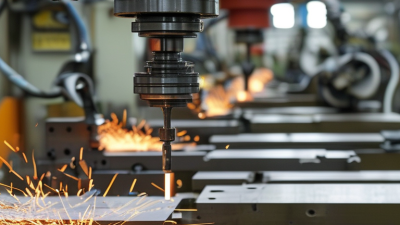
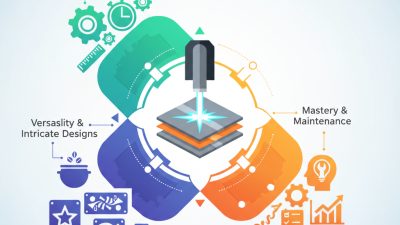
In the busy world of manufacturing, staying efficient is pretty much everything. One key player that can really boost productivity is the Cnc Chip Conveyor. I was chatting with John Smith over at Precision Manufacturing Solutions, and he mentioned, "A well-designed Cnc Chip Conveyor system can make a huge difference in smoothing out operations." That really drives home just how important it is to pick the right chip conveyor to keep things running smoothly.
Cnc Chip Conveyors are mainly built to handle metal chips and debris, which helps keep the workspace tidy and safe. Plus, they play a vital role in keeping machines working well and extending the life of tools. But, let’s be honest — not all conveyors are the same. Some might cause bottlenecks if they’re not perfectly matched with the manufacturing setup. Skipping over this detail can really cause headaches down the line.
Figuring out which Cnc Chip Conveyor to go for isn’t exactly a one-size-fits-all situation. Things like the type of material, how fast the conveyor moves, and the layout of your workspace all come into play. Sure, some companies drop a bunch of cash on fancy systems, but there are also plenty of efficient, more affordable options that work just fine. Doing your homework and exploring different choices is definitely worth it — it all pays off in better productivity and fewer worries about system breakdowns.
Understanding CNC Chip Conveyors and Their Importance
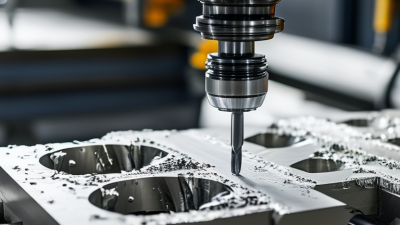
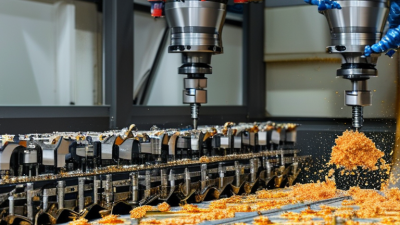
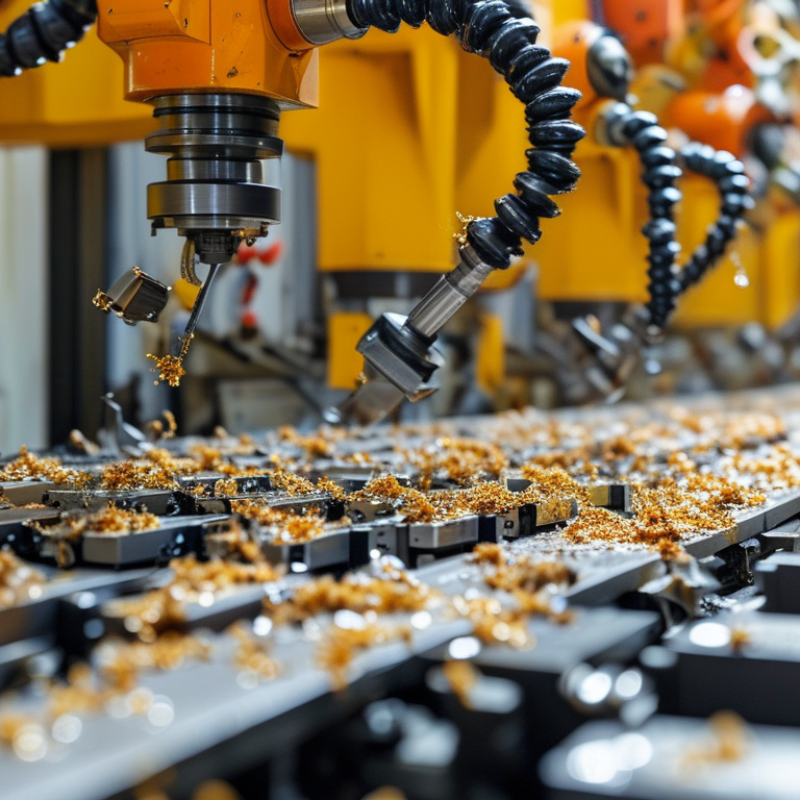
CNC chip conveyors play a vital role in modern manufacturing. These systems effectively transport metal shavings and chips produced during machining processes. The importance of maintaining a clean workspace cannot be overstated. A cluttered environment can lead to inefficiency and even safety hazards.
Choosing the right conveyor type is essential for operational efficiency. Various factors, such as layout and chip type, influence this decision. For example, a well-ventilated area can enhance conveyor performance. Always assess how chips are collected and ensure easy access for maintenance.
**Tip:** Regularly inspect and clean your chip conveyors. This practice boosts longevity and reliability. Small problems can escalate quickly, leading to costly downtime. A proactive approach minimizes disruptions and keeps production running smoothly. Chip conveyors are not just accessories; they are integral to a streamlined manufacturing process.
Best CNC Chip Conveyors for Efficient Manufacturing Solutions
| Model |
Type |
Material Capacity (lbs/hr) |
Length (ft) |
Power Requirement (HP) |
Features |
| Model A |
Screw Conveyor |
500 |
10 |
1.5 |
Noise Reduction, High Efficiency |
| Model B |
Magnetic Conveyor |
400 |
8 |
1.0 |
Compact Design, Easy Maintenance |
| Model C |
Bucket Conveyor |
600 |
15 |
2.0 |
High Capacity, Customizable |
Types of CNC Chip Conveyors and Their Applications
CNC chip conveyors play a vital role in modern manufacturing. Their main function is to transport metal chips and debris away from machining centers. This ensures a clean and efficient workspace. Different types of chip conveyors cater to various manufacturing needs. Each type has distinct features that suit specific applications.
There are several common types of CNC chip conveyors. For example, hinged steel belt conveyors are robust and can handle heavy chips. They are ideal for heavy-duty machining. On the other hand, magnetic chip conveyors are efficient for ferrous materials. They easily transport metal shavings and reduce clogging issues. In contrast, vacuum chip conveyors offer flexibility in installations. They can reach tight spaces, enhancing operational efficiency.
However, selecting the right chip conveyor is not straightforward. Factors like chip type, volume, and machine layout influence choices. Expertise in the manufacturing process is essential. It helps in making informed decisions. Sometimes, facilities may find that a chosen model doesn’t fit perfectly. This leads to inefficiencies. Regular reviews and adjustments are crucial for optimal performance. In the long run, investing time in understanding chip management will improve
Cnc Bits functionality and prolong machinery lifespan.
Key Features to Consider When Choosing Chip Conveyors
When selecting a chip conveyor for CNC machining, key features should drive your decision. The conveyance method matters greatly. Options include hinged steel belts and roller conveyors. Each has its pros and cons. A hinged belt can handle heavy chips effectively, while rollers offer versatility in material transport. Consider your specific application to find the best fit.
Another important factor is conveyor size. The length and width must accommodate the machining area and the types of chips produced. Great Cnc setups often require a compact design. A compact conveyor saves floor space and allows for efficient chip removal. Check the specifications to ensure it aligns with your equipment.
Lastly, pay attention to maintenance requirements. A well-designed conveyor will need less frequent service. Look for features that simplify cleaning and part replacement. Some units come with easy-access doors and built-in inspection points. These features not only improve reliability but can also save costs over time. Balancing efficiency, durability, and ease of use is critical in selecting the right chip conveyor for your manufacturing needs.
Benefits of Using CNC Chip Conveyors in Manufacturing
In modern manufacturing, CNC chip conveyors play a crucial role. These systems efficiently transport metal shavings, enhancing workflow. A recent industry report highlights that over 70% of manufacturers experience reduced downtime with proper chip removal systems. This indicates a significant connection between effective chip management and operational efficiency.
Investing in CNC chip conveyors brings various advantages. They minimize manual labor, reducing fatigue and potential injuries among workers. Furthermore, automated chip handling decreases the risk of machine downtime. According to a study from a leading manufacturing association, companies utilizing these conveyors reported a 30% increase in productivity. This figure underscores the efficiency gained through optimized chip processing.
However, not all chip conveyor systems are perfect. Some may require frequent maintenance, leading to unexpected costs. Additionally, improper selection may result in compatibility issues with specific CNC machines. Organizations must evaluate their needs carefully to avoid these pitfalls. Failure to do so can negate the benefits these conveyors offer, ultimately impacting productivity.
How CNC Chip Conveyors Improve Efficiency and Productivity
CNC chip conveyors are essential for modern manufacturing. They help in collecting metal chips and shavings effectively. These systems enhance workflow by minimizing downtime. A study highlighted that efficient chip removal can boost machine uptime by up to 50%. This contributes directly to increased productivity.
Implementing CNC chip conveyors reduces manual labor. Operators spend less time on cleaning and maintenance tasks. Data indicates that manufacturers can achieve a 25% increase in efficiency with automated chip handling. Moreover, effective conveyor systems can improve safety in the workplace by reducing slip and trip hazards.
Despite their advantages, challenges remain. Some installations may require significant upfront investment. Not all systems are compatible with existing Cnc Tools. Additionally, periodic maintenance is crucial for optimal performance. Manufacturers must reflect on these factors when considering upgrades.
Impact of CNC Chip Conveyors on Efficiency and Productivity
Top Brands and Models of CNC Chip Conveyors Reviewed
Choosing the right CNC chip conveyor can significantly enhance manufacturing efficiency. Various models provide unique benefits tailored to specific operational needs. Industry reports highlight that adopting advanced chip removal systems can improve machine uptime by up to 30%. This is crucial in a fast-paced environment where productivity is paramount.
When selecting a chip conveyor, consider the material and size of chips produced. A well-suited conveyor can streamline workflows, avoiding bottlenecks. But not all systems are equal. Some may fail to handle heavy, stringy chips effectively. This inconsistency can lead to costly downtime.
Tips: Assess your current operations before purchasing. Understand the types of chips generated by your machines. Research various models to find the best fit. Focus on features like durability and ease of maintenance. Investing time in research can yield substantial long-term benefits.
Look for options that integrate well with existing systems. Enhancements in chip conveyor technology mean better designs and functions are available. These can save space and reduce handling time. Always check for user reviews and expert opinions to identify reliable solutions.
Maker Cnc advocates for systems that contribute to a seamless manufacturing experience, emphasizing the need for efficiency.
Maintenance Tips for Maximizing CNC Chip Conveyor Lifespan
Maintaining CNC chip conveyors is crucial for maximizing their lifespan and ensuring efficient manufacturing. Regular inspections help identify wear and tear. A study shows that preventative maintenance can reduce machinery downtime by up to 30%. This highlights the importance of early detection of minor issues before they escalate.
Cleanliness is also vital. Accumulated debris can hinder the operations of conveyors. According to industry reports, efficient cleaning schedules can increase the reliability of equipment by a significant margin. Using a combination of compressed air and vacuum systems ensures that chips and coolant are effectively removed. Regular lubrication of mechanical parts prevents rust and prolongs service life. Using the right lubricants is key.
Operators must be aware of unusual noises or vibrations in the system. These can indicate underlying problems requiring immediate attention. Ignoring these signs can lead to costly repairs down the line. Training staff on proper operating procedures fosters a proactive maintenance culture. Ultimately, prioritizing maintenance can yield significant long-term savings for manufacturers, while ensuring continuous productivity.
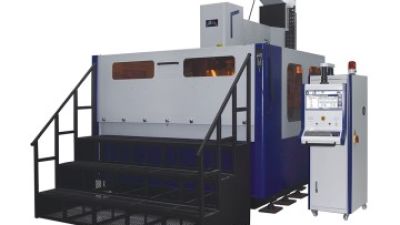
Innovative Precision Solutions: Exploring the BQ2015DYB Medium-Speed CNC Wire Cutting EDM Machine for Efficient Manufacturing
The BQ2015DYB Medium-Speed CNC Wire Cutting EDM machine represents a significant advancement in precision engineering, empowering manufacturers across various sectors. Designed specifically for applications in mold making, tooling, and the medical industry, this innovative machine excels at delivering high-quality outcomes with remarkable efficiency. Its ability to utilize medium-speed molybdenum wire sets it apart, making it an invaluable asset in industries such as aerospace, automotive parts manufacturing, and even military defense.
By embracing the capabilities of the medium-speed CNC Wire Cutting EDM technology, manufacturers can achieve unparalleled accuracy and repeatability in their processes. This machine's robust engineering ensures that it can handle demanding production environments, where precision and reliability are paramount. As a result, manufacturers can enhance their production workflows, reduce waste, and contribute to overall operational efficiency. Investing in this sophisticated EDM solution not only optimizes manufacturing processes but also elevates the standard of quality in end products, making it an essential tool for forward-thinking enterprises aiming to stay competitive in today's dynamic market.
FAQS
: Key features include the conveyance method, size, and maintenance requirements.
Hinged belts handle heavy chips well, while rollers offer versatility in material transport.
The length and width must fit your machining area and the types of chips produced.
A compact conveyor saves floor space and allows for efficient chip removal.
Features like easy-access doors and built-in inspection points simplify cleaning and part replacement.
Research various models, focusing on features like durability and maintenance ease.
Knowing your chips helps in selecting a conveyor that prevents bottlenecks and downtime.
These systems can improve machine uptime and overall productivity.
They can highlight reliable solutions and help you avoid ineffective systems.
Yes, it can lead to substantial long-term benefits for your operations.
Conclusion
CNC chip conveyors play a crucial role in modern manufacturing by efficiently removing chips and debris generated during machining processes. Understanding the various types of CNC chip conveyors, including belt, screw, and magnetic systems, helps manufacturers select the right model for their specific applications. Key features to consider when choosing a CNC chip conveyor include capacity, size compatibility, and ease of maintenance, all of which contribute to overall operational efficiency.
The benefits of utilizing CNC chip conveyors are significant, as they not only enhance productivity by maintaining a clean workspace but also reduce downtime associated with manual chip removal. By effectively managing waste, these conveyors improve overall manufacturing efficiency. Regular maintenance is essential to maximize the lifespan of CNC chip conveyors, ensuring that they continue to operate effectively and contribute to streamlined production processes.