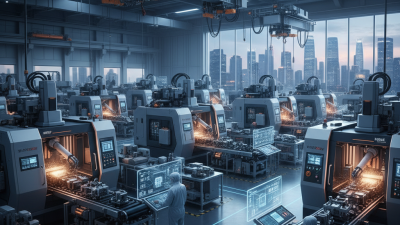
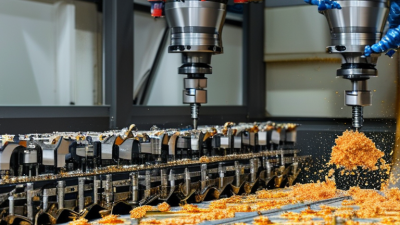
Using an Automatic Plasma Cutter is honestly shaking up the metal cutting world. These machines are pretty impressive, offering a level of efficiency and precision that really makes a difference. Metalworkers and fabricators are gasping for how much easier and faster their jobs become with this tech. The fact that it can cut through all sorts of materials really simplifies the workflow. Big names like Miller Electric and Hypertherm are definitely leading the way and showing what’s possible.
Getting an Automatic Plasma Cutter means faster turnarounds and less time wasted. Plus, it cuts down on labor costs and reduces those pesky human errors we all worry about. That said, I gotta admit, for some folks, getting the hang of it can be a bit challenging at first. Picking the right settings is super important to get the best results, so understanding what your machine can and can’t do is pretty key.
And let’s not forget safety—this stuff isn’t to be taken lightly. Proper training for everyone using the machine is a must. A little mistake or oversight can lead to accidents, which no one wants, obviously. So while this technology has tons of perks, it also needs careful handling and knowledge. Jumping on board with it is definitely a step forward, but it’s also about being responsible and knowing what you’re doing.
Understanding Automatic Plasma Cutters: A Brief Overview
Automatic plasma cutters represent a significant advancement in metal processing technology. These machines utilize ionized gas, or plasma, to achieve high-precision cuts on conductive materials. According to industry reports, these cutters can deliver speed enhancements up to 50% over traditional cutting methods, such as oxy-fuel cutting. This efficiency is vital for manufacturers aiming to meet fast-paced production demands.
The technology behind automatic plasma cutters includes sophisticated CNC controls. These enable accurate tracking of intricate designs with minimal manual intervention. As per data from metalworking studies, organizations have noted a reduction in material waste by approximately 30% when using automatic plasma cutting systems. However, not all operations maximize this benefit; misalignment and operator errors can lead to added costs and inefficiencies.
Despite the advantages, challenges remain. Automated plasma cutters require initial investment and skilled personnel for operation and maintenance. Moreover, maintaining optimal power and gas flow is crucial for achieving ideal results. Studies suggest that 20% of users face difficulties in setup, leading to quality inconsistencies. Addressing these issues requires ongoing training and support to ensure machines perform at their best.
Top Benefits of Using Automatic Plasma Cutters for Efficient Metal Cutting
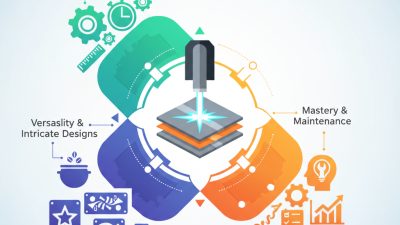
The chart above illustrates the top benefits of using automatic plasma cutters in metal cutting. Each benefit is rated on a scale of 1 to 10, showcasing high scores for speed, ease of use, and safety, confirming their effectiveness in improving cutting operations.
The Mechanism Behind Plasma Cutting Technology
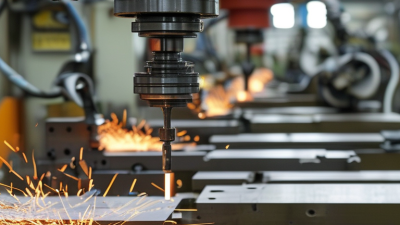
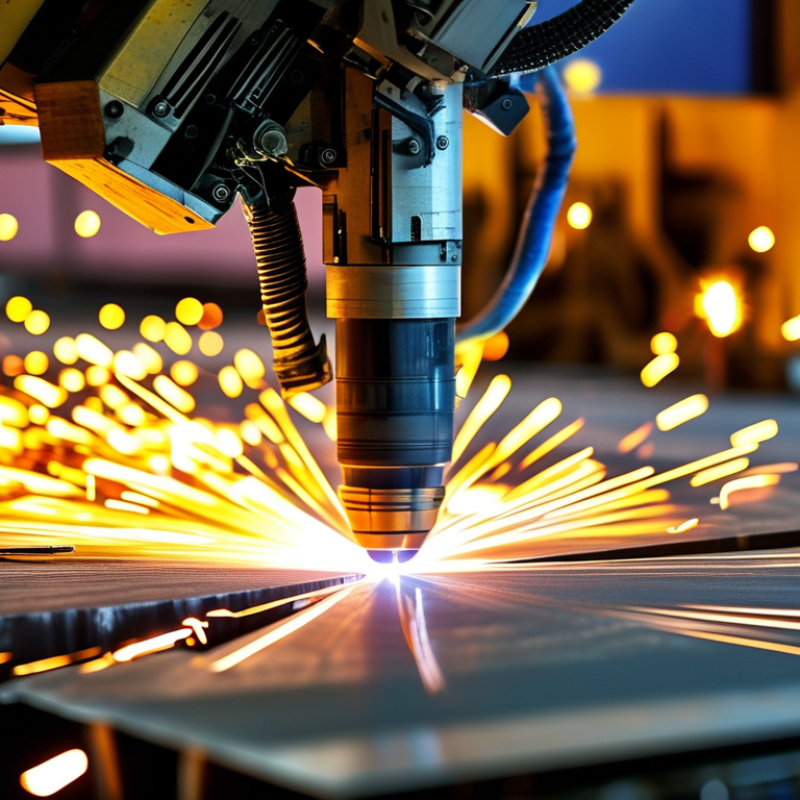
Plasma cutting technology operates by creating a high-velocity jet of ionized gas, or plasma. The process is initiated when an electric arc is struck between an electrode and the workpiece. This method can achieve temperatures exceeding 20,000°C, allowing for effective metal cutting. The efficiency of this technology is supported by data from the American Welding Society, indicating that plasma cutters can cut metal up to five times faster than traditional methods.
The Cad Plasma Cutter is noted for its precision. This versatility allows users to cut various thicknesses of metal, from sheet metals to heavy plates. The plasma's concentrated heat ensures minimal distortion, which is a key consideration in many metal fabrication projects. A report by the Welding Journal highlighted that operators can achieve clean cuts with a tolerance of ±0.05 mm, which is crucial for intricate designs.
However, operators must continuously monitor various factors. Parameters such as gas flow rate and cutting speed require adjustment based on the material type and thickness. In some cases, users report difficulties in maintaining consistent quality. This aspect can be frustrating, particularly when high-volume production is needed. Refining these processes is essential for maximizing the benefits of plasma cutting technology.
Key Advantages of Using Automatic Plasma Cutters
Automatic plasma cutters have transformed the metal cutting industry, offering significant advantages that enhance productivity and precision. According to industry reports, these tools can cut through metal at a rate of 20-30 inches per minute, substantially reducing time compared to traditional methods. This efficiency is particularly crucial in high-volume production environments, where time is money.
One of the key benefits of using automatic plasma cutters is their ability to achieve intricate designs with precision. They maintain a kerf width of only 1/16 inch. This feature minimizes material waste, which improves cost-efficiency. Businesses can save on raw material costs and increase profitability. However, operators must be trained to maximize this tool’s potential; neglecting training can lead to errors and wasted resources.
Tips: When utilizing a Rotary Plasma Cutter, it's crucial to regularly check equipment settings. This can prevent inconsistencies in cutting quality. Additionally, maintaining a clean workspace can help avoid accidents and improve project flow. Adhering to these practices promotes a culture of safety and efficiency.
Increased Precision and Accuracy in Metal Cutting
Automatic plasma cutters are revolutionizing the metal fabrication industry. One of the significant benefits is the increased precision and accuracy they offer. According to a report by the Fabricators and Manufacturers Association, plasma cutting can achieve tolerances of ±0.5 mm. This level of precision minimizes material waste and reduces the need for rework, which ultimately saves time and costs.
These machines use a high-velocity jet of ionized gas to cut through metal. This allows for intricate designs that traditional cutting methods struggle to achieve. The result is clean, sharp edges with less distortion. High-definition plasma cutting technology further enhances accuracy, ensuring a smooth finish on various metals, including steel and aluminum.
Tip: To enhance cutting accuracy, ensure proper maintenance of the plasma cutter regularly. Regular checks on consumables, such as nozzles and electrodes, can make a big difference.
Despite their advanced capabilities, operators must be well-trained. Misalignment or incorrect settings can lead to issues, highlighting the importance of proper setup. It is crucial to understand the material's properties and optimal cutting parameters to achieve desired results.
Tip: Before cutting, always conduct test pieces to refine settings and confirm accuracy. This step helps avoid costly mistakes and maximizes efficiency.
Top Benefits of Using Automatic Plasma Cutters for Efficient Metal Cutting
| Benefit |
Description |
Impact on Metal Cutting |
| Increased Precision |
Automatic plasma cutters offer tighter tolerances, allowing for intricate designs and minimal waste. |
Reduces need for post-cut finishing, enhancing overall efficiency. |
| Higher Speed |
Plasma cutting technology allows for faster cutting speeds compared to traditional methods. |
Increases productivity and allows for quicker turnaround times. |
| Lower Operational Costs |
Reduced material wastage and shorter processing times translate to lower costs. |
Helps maintain budget constraints for projects. |
| Versatility |
Can cut various metal types and thicknesses effectively. |
Applicable for a wide range of industrial applications. |
| Improved Safety |
Modern plasma cutters come with enhanced safety features, reducing risk of accidents. |
Creates a safer working environment for operators. |
| Minimal Heat Affected Zone |
Produces less heat than traditional methods, limiting warping and distortion. |
Ensures integrity of metal parts post-cutting. |
Enhanced Efficiency and Productivity in Metal Fabrication
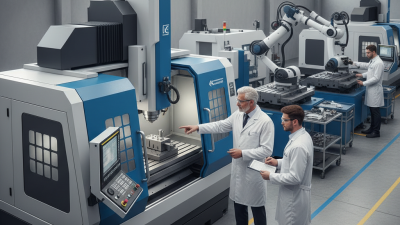
The use of automatic plasma cutters has transformed the metal fabrication industry. Data indicates that industries utilizing Cnc Plasma Pipe Cutters have seen efficiency improvements of up to 50%. This increased efficiency can be attributed to the precision and speed of plasma cutting, which allows for faster operations and reduced waste. Manufacturers report achieving high-quality cuts with minimal human intervention.
In addition, productivity gains are evident, with reports showing a 30% increase in output for those employing automated systems. These systems can operate continuously, requiring less downtime for maintenance and operator fatigue. The consistency of cut quality leads to fewer reworks and higher customer satisfaction. However, the investment in such technology also raises questions about the learning curve and the initial setup costs, which may deter smaller shops.
Implementing automatic plasma cutting systems encourages a shift in workforce skills. Employees must adapt to new technologies, which can create a temporary disruption. Despite this, companies that persevere often find that their teams become more efficient and knowledgeable. As the landscape of metal fabrication evolves, embracing automatic plasma cutters seems imperative for those wanting to stay competitive.
Safety Features of Automatic Plasma Cutters
Automatic plasma cutters have transformed metal cutting, making it quicker and more efficient. However, safety features are crucial to their operation. High-powered machinery poses risks, and implementing safety measures is essential for protection.
One of the main safety features is the automatic shutdown. This feature activates if the machine detects irregularities, such as overheating or voltage spikes. According to industry reports, machines with automatic shutoff can reduce accidents by up to 40%. Moreover, proper shielding can prevent harmful sparks and plasma from affecting the operator. A well-designed cutter ensures that the user is shielded from direct exposure, significantly lowering the risk of injuries.
Tips for safe operation include wearing protective gear, such as gloves and helmets, that comply with safety standards. Regular maintenance checks are also important. Machines that are not well maintained can malfunction, increasing risks. For those utilizing smaller units, like the Smallest Plasma Cutter, ensure that it has the same safety features as larger models.
Operators should stay informed about the latest safety protocols. Awareness leads to better practices and safer environments. Remember, safety in a workshop is not just about the equipment; it's about the mindset of those using it. Proper training can create a proactive safety culture, significantly enhancing overall workplace safety.
Applications of Automatic Plasma Cutters in Various Industries
Automatic plasma cutters have gained traction across various sectors for their precision and efficiency. In the automotive industry, these tools are essential for cutting complex shapes in metal components. Precision cuts ensure that parts fit perfectly during assembly. This not only speeds up production but also enhances the overall quality of vehicles. However, achieving optimal results requires skilled operators who understand the equipment.
In construction, automatic plasma cutters streamline the fabrication of structural steel. They allow for quick adaptation to different project specifications. This flexibility saves time during the cutting process, yet it can present challenges. Operators must be aware of material types and thicknesses to avoid mistakes. The cutting speed might seem advantageous, but inaccuracies can lead to costly reworks.
Another notable application is in the aerospace sector. Here, weight reduction is critical. Plasma cutters help produce lightweight components while maintaining structural integrity. Yet, operators must constantly monitor the settings to ensure consistency. This requires ongoing training and experience. Nevertheless, the integration of automatic plasma cutters enhances productivity while posing challenges that need careful thought.
FAQS
: It is a machine that uses ionized gas to cut conductive materials with high precision.
It can increase cutting speeds by up to 50% compared to traditional methods like oxy-fuel cutting.
Yes, they can achieve about 30% less waste. However, operator errors can limit this benefit.
Plasma cutting can reach tolerances of ±0.5 mm, which improves accuracy and minimizes rework needs.
Skilled personnel are necessary for operation and maintenance. Ongoing training is essential for optimal setup.
Issues like misalignment and setup difficulties can lead to quality inconsistencies and increased costs.
Regular maintenance and checks on consumables, like nozzles, are crucial for maintaining cutting quality.
Yes, proper training helps avoid inaccuracies and optimizes the cutting process for better results.
Conducting test pieces before actual cuts can help refine settings and prevent costly mistakes.
Conclusion
Automatic Plasma Cutters have revolutionized the metal cutting industry by offering a range of benefits that enhance efficiency and precision. These advanced machines utilize plasma cutting technology, which involves generating a high-velocity jet of ionized gas to melt and blow away metal. This innovative mechanism enables users to achieve increased precision and accuracy, significantly improving the quality of cuts in various metal fabrication projects.
Beyond precision, the use of Automatic Plasma Cutters leads to enhanced productivity as they can operate at faster speeds while reducing human error. Additionally, these cutters are designed with multiple safety features, providing a secure working environment. Their versatility also allows for applications across different industries, making them an invaluable asset for anyone involved in metalworking or fabrication. Overall, the advantages offered by Automatic Plasma Cutters make them essential tools for modern manufacturing processes.