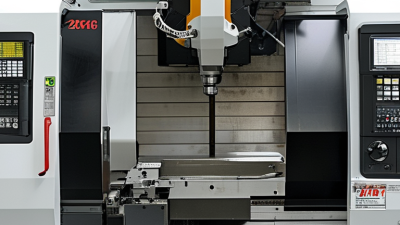
Choosing the best Cnc Machine Tools for 2026 isn't just about comparing spindle speeds or the price tags. Honestly, buyers around the world need more than that—they look for reliable accuracy, practical automation features, good service options, and clear ownership costs. Sure, a machine might look fantastic in the showroom, but it can totally underperform in a humid workshop or after running for long hours straight. The truth is, seeing real-world results matters a lot. Watching test-cut videos, reading verified user reviews, checking maintenance logs, and seeing factory acceptance reports can uncover details that fancy brochures rarely reveal.
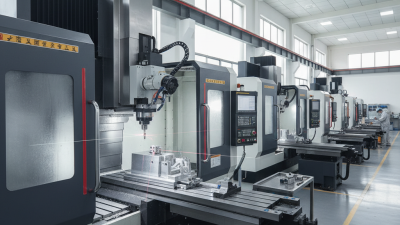
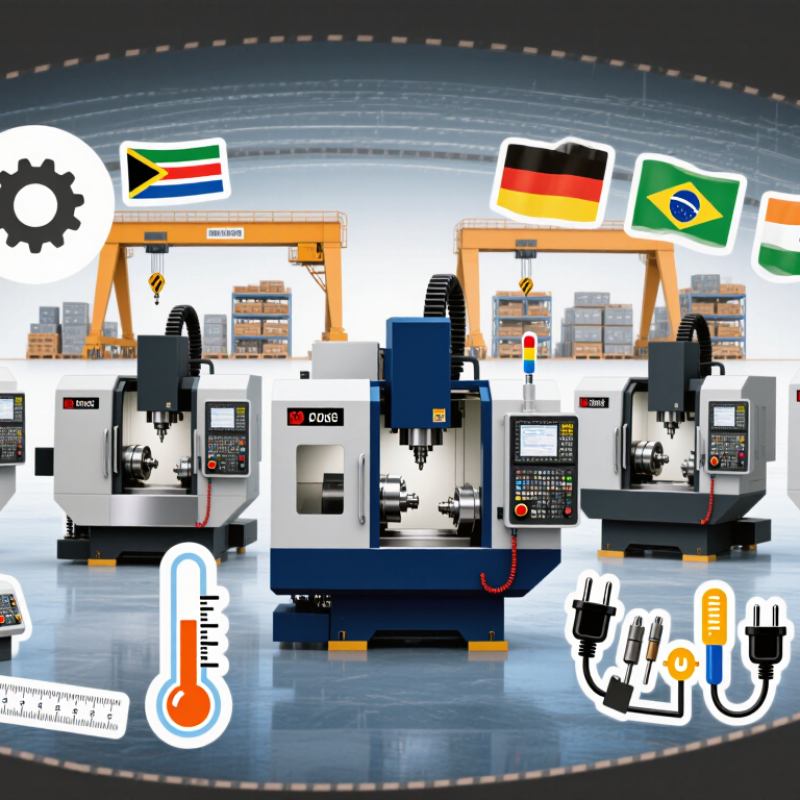
This guide dives into different kinds of machines—machining centers, turning centers, multi-axis setups, and compact production models—mostly from big names like Mazak, DMG MORI, Haas Automation, Okuma, and Makino. We’re looking at things like positional accuracy, thermal stability, how easy the controls are to use, how many tools they can hold, energy needs, and how safe they are for operators. Regional support is also a big deal; having spare parts available in places like Germany, Brazil, India, or South Africa can really make or break the total value of a machine.
Honestly, there’s no one-size-fits-all winner here. A high-speed five-axis machine might be perfect for aerospace parts but totally overkill for a small job shop. On the flip side, a simple three-axis machine could give you way better bang for your buck if you’re working on repeatable components. Keep in mind that some comparisons aren’t perfect—basically, factory data can sometimes differ from how a machine actually performs in the field. So, don’t just take their word for it. Challenge those glowing claims, ask for sample parts, and do the math on possible downtime before you commit to buying.
All in all, this 2026 review aims to keep things balanced—based on real experiences—to help you make smarter purchasing decisions, ensure smooth installation, and keep your production running reliably, no matter where you are in the world.
A CNC machine tool is a computer-controlled system that removes material with programmed accuracy. It converts digital instructions into movements along several controlled axes. Common functions include milling, turning, drilling, boring, grinding, and precision contouring. Unlike manual equipment, it repeats complex paths with consistent speed and position. Accuracy starts with a rigid structure. Small errors matter. During production, operators still check dimensions with gauges or coordinate measuring equipment because programming cannot correct every physical condition.
Core technologies connect design, motion, cutting, and inspection. CAD/CAM software creates toolpaths from a three-dimensional model. Servo motors then move the table, spindle, or cutting head. Linear scales and encoders provide feedback when positioning must remain precise. Automatic tool changers reduce setup time, while probing systems measure workpieces before or during machining.
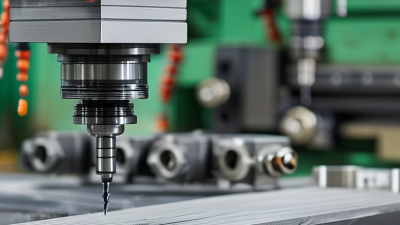
Cnc Machine Cutting Tools must match the material, spindle speed, feed rate, coolant method, and required surface finish. A sharp carbide insert may suit hardened steel, while another geometry may perform better on aluminum.
Global buyers should examine axis travel, spindle power, repeatability, control functions, maintenance access, and technical support. Request test-cut data, inspection records, and clear tolerance information. A machine can appear powerful yet perform poorly if its structure vibrates. Tool wear also changes results gradually. This is often overlooked. In practice, stable fixturing and correct coolant delivery can matter as much as headline specifications. Some published accuracy figures reflect ideal conditions, not every factory floor. Temperature, operator habits, material stress, and imperfect setup deserve careful review.
Choosing Cnc Tools in 2026 requires more than comparing spindle speed and purchase price. Start with cutting accuracy, machine rigidity, and repeatability under real production loads. Request test cuts using your actual material, tolerances, and tool paths. A polished showroom sample can hide vibration, heat drift, or slow tool changes.
Control software deserves close attention. Check program compatibility, remote diagnostics, data protection, and operator training requirements. A clear interface reduces mistakes on a busy shop floor. Ask how quickly technicians can respond in your region. Spare-part access matters too, especially when one failed sensor can stop several shifts.
Energy use now affects long-term machine value. Examine standby consumption, motor efficiency, coolant management, and maintenance intervals. Measure the machine footprint, noise level, and loading access before installation. I have learned that impressive specifications do not always produce better parts. A smaller, rigid machine may outperform a faster model in daily work. It can still disappoint if its support network is weak. Verify inspection records, calibration methods, warranty terms, and documented service performance. Procurement teams should also review local electrical standards, workplace rules, and import requirements before signing.
CNC milling machines shape complex parts with rotating cutters, making them suitable for aerospace brackets, molds, and precision housings. CNC turning machines rotate the workpiece, producing shafts, bushings, and threaded components efficiently. Machining centers combine milling, drilling, and tapping in one setup. This reduces handling errors. According to the International Federation of Robotics, 541,302 industrial robots were installed worldwide in 2023, showing stronger demand for automated production cells. CNC equipment increasingly connects with robots, sensors, and inspection systems.
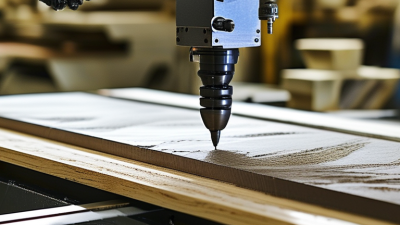
Grinding machines deliver very fine finishes on hardened steel, often after heat treatment. Electrical discharge machines remove conductive material through controlled sparks. They are useful for narrow slots and intricate cavities. CNC routers mainly process wood, plastics, composites, and aluminum sheets. Application should guide selection, not advertised speed. A 2024 industry analysis by Grand View Research estimated continued growth in the global CNC machine market, although market definitions differ between reports. That difference deserves attention. It can distort investment comparisons.
Tips: Check material, tolerance, batch size, floor space, and operator skill before choosing a machine. Request sample cuts using your actual material. Measure cycle time, surface roughness, tool wear, and energy use. Also examine service access and spare-part availability. A cheaper machine may become expensive after repeated setup changes. This is where many purchasing plans remain incomplete.
Representative standard axis configurations by CNC machine type and their primary industrial applications
CNC turning centers typically use two linear axes for cylindrical parts, while vertical and horizontal machining centers commonly use three. Five-axis machining centers add rotary movement for complex geometries and reduced setup time. CNC routers are widely used for sheet materials and large panels, wire EDM machines are suited to precise conductive-part cutting, and CNC grinders provide high-precision finishing.
Choosing leading CNC machine tool brands requires more than comparing price lists. Global buyers should examine proven accuracy, machine rigidity, control-system stability, and documented service performance. A reliable manufacturer shares test results, maintenance schedules, and application references. These details reveal more than polished catalogs.
In factory evaluations, inspect sample cuts, tool-change movement, and surface finish under continuous operation. Ask whether the supplier supports local installation, operator training, spare parts, and remote diagnostics. Cnc Measuring Tools can verify dimensional consistency during acceptance testing. Check repeatability at different speeds, not only under ideal conditions. Some machines look impressive during demonstrations. Real production may expose vibration, heat drift, or slow technical support.
Tips: Request a written acceptance standard before ordering. Compare actual tolerances, cycle times, energy use, and warranty coverage. Visit a working installation if possible. Speak with operators, not only sales staff. Consider total ownership costs over five years, including maintenance and tooling. I have seen buyers focus too heavily on initial discounts. That choice can become expensive when replacement parts arrive slowly. A careful review may still miss something; production conditions are rarely perfect.
When comparing CNC machine tools, begin with the workpiece, not the brochure. Record material grade, dimensions, tolerances, batch size, and expected cycle time. A machine rated at 12,000 rpm may look impressive, yet a lower speed can produce better results on hardened steel. Match spindle torque curves with real cutting conditions. Check axis travel, rapid speed, positioning accuracy, and repeatability separately. They measure different abilities.
Numbers can mislead. Ask for test-cut data using comparable material, tooling, and feeds. Inspect the sample surface under consistent lighting, then measure critical dimensions with calibrated equipment. Thermal drift matters during long production runs. Run the machine for several hours and compare the first and final parts. Listen for vibration near corners. It often reveals weak rigidity before a measurement does. Review control response, tool-change time, chip evacuation, and coolant delivery as well.
Maintenance details affect performance more than many buyers expect. Confirm lubrication intervals, accessible service points, spare-part support, training, and electrical compatibility. Include Cnc Deburring Tools when evaluating finishing operations, because burr removal can change labor costs and edge quality. A machine may meet its stated accuracy in ideal conditions but struggle on a crowded shop floor. I have seen evaluations focus too heavily on speed and overlook setup time. That was a costly mistake. Leave room for operator feedback, because the people loading fixtures notice practical problems first.
| Machine Type | Typical Axis Configuration | Typical Work Envelope | Spindle Range | Rapid Traverse | Positioning Accuracy* | Repeatability* | Typical Materials | Best Applications | Main Buying Considerations |
|---|---|---|---|---|---|---|---|---|---|
| 3-Axis Vertical Machining Center | X, Y, Z | 500–1,050 mm X travel 350–600 mm Y travel 400–600 mm Z travel |
8,000–18,000 rpm 15–30 kW |
20–40 m/min | ±0.005–0.010 mm | ±0.003–0.005 mm | Aluminum, steel, stainless steel, cast iron, engineering plastics | General milling, plates, housings, fixtures, production components | Strong all-round value; check table size, tool capacity, chip evacuation, and rigidity. |
| 5-Axis Machining Center | X, Y, Z plus two rotary axes | 300–800 mm X travel 300–700 mm Y travel 300–600 mm Z travel |
10,000–24,000 rpm 15–40 kW |
20–50 m/min | ±0.003–0.008 mm | ±0.002–0.005 mm | Aluminum, titanium, steel, nickel alloys, composites | Aerospace parts, impellers, medical components, complex molds, multi-sided parts | Evaluate rotary-axis accuracy, collision avoidance, postprocessor support, and operator training. |
| CNC Turning Center | 2-axis X, Z; optional live tooling and Y-axis | Turning diameter 200–500 mm Turning length 300–1,000 mm |
3,000–6,000 rpm 11–30 kW |
20–36 m/min | ±0.005–0.010 mm | ±0.003–0.005 mm | Steel, stainless steel, aluminum, brass, copper alloys, plastics | Shafts, bushings, threaded parts, flanges, hydraulic and automotive components | Compare chuck size, bar capacity, spindle torque, turret stations, and chip control. |
| CNC Mill-Turn Center | Turning axes plus Y-axis, C-axis, and optional B-axis | Turning diameter 300–700 mm Turning length 500–1,500 mm |
3,000–5,000 rpm turning 8,000–15,000 rpm milling |
20–40 m/min | ±0.005–0.010 mm | ±0.003–0.005 mm | Steel, stainless steel, titanium, aluminum, nickel alloys | Complete machining of complex shafts, valve bodies, connectors, and precision fittings | Higher purchase cost; assess programming complexity, tool access, spindle synchronization, and service capability. |
| CNC Router | 3-axis; optional rotary fourth axis | 1,300–3,100 mm X travel 2,500–6,000 mm Y travel 100–300 mm Z travel |
12,000–24,000 rpm 3–15 kW |
30–60 m/min | ±0.020–0.050 mm | ±0.010–0.030 mm | Wood, MDF, plastics, foam, aluminum sheet, composite panels | Signage, furniture panels, packaging, cabinet parts, lightweight non-ferrous machining | Prioritize bed size, vacuum table performance, dust extraction, gantry rigidity, and software compatibility. |
| CNC Swiss-Type Lathe | Multiple linear axes, main and sub-spindle, live tooling | Typical bar diameter 3–32 mm Part length commonly up to 300 mm |
4,000–12,000 rpm 5–15 kW |
20–40 m/min | ±0.002–0.006 mm | ±0.001–0.003 mm | Stainless steel, brass, titanium, cobalt alloys, medical-grade polymers | Small precision parts, medical components, electronic connectors, miniature shafts | Excellent for high-volume small parts; check guide-bushing options, bar feeder integration, and setup skill requirements. |
| CNC Electrical Discharge Machine | 3-axis or 4-axis wire; 3-axis die-sinking configurations | Workpiece size commonly 300–800 mm Cutting thickness commonly up to 300 mm |
Electrical pulse generator; no conventional cutting spindle | Cutting speed commonly 50–300 mm²/min | ±0.005–0.015 mm | ±0.002–0.005 mm | Hardened tool steel, carbide, conductive alloys, graphite | Fine slots, intricate cavities, hardened dies, molds, and components with difficult geometries | Compare dielectric filtration, wire consumption, surface finish capability, and power requirements. |
Global buyers should treat a CNC machine as a regulated production system, not a boxed purchase. Before ordering, verify voltage, frequency, safety guarding, software licenses, export documents, and local conformity requirements. Customs classification must match the machine’s actual configuration. Incorrect descriptions can delay clearance and increase storage costs.
UNCTAD’s Review of Maritime Transport 2024 states that over 80% of global merchandise trade moves by sea. Therefore, packaging, moisture control, and shock indicators deserve serious attention.
Ask suppliers for measurable evidence. Request factory acceptance test records, dimensional accuracy results, electrical schematics, and calibration certificates.
The ISO Survey 2023 recorded more than 1.2 million ISO 9001 certificates worldwide. Certification helps, but it does not replace machine-specific inspection. A certificate is not proof of performance.
Buyers should also confirm spare-parts availability, remote diagnostic procedures, response times, and technician coverage in the destination country.
Installation planning often fails quietly. The foundation may be unsuitable. Compressed air may be contaminated. Operators may lack training.
The World Bank Logistics Performance Index 2023 highlights customs, infrastructure, tracking, and timeliness as critical logistics factors. Those factors continue after delivery.
In practice, a detailed checklist still leaves gaps, especially around local electrical standards and operator habits. I would budget for commissioning, preventive maintenance, and training separately.
Cheap support can become expensive downtime. Reliable purchasing requires evidence, local verification, and a willingness to question apparently complete proposals.
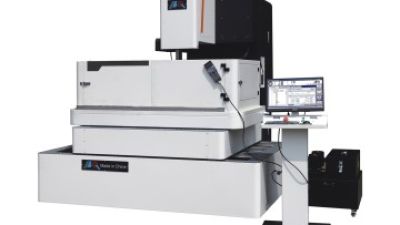
Recent industry market reports estimate the global wire EDM sector at approximately US$1 billion in the mid-2020s, with growth of about 7% annually as manufacturers pursue tighter tolerances, smaller features, and greater automation. The outlook for 10-axis wire EDM reflects this shift: synchronized multi-axis movement can support tapered cuts, complex 3D contours, and fewer setups, making advanced systems valuable for precision molds, tooling, and difficult-to-machine conductive alloys.
Medium-speed molybdenum wire EDM offers a practical balance between cutting efficiency, operating cost, and accuracy. Its reusable molybdenum wire is well suited to mold inserts, stamping dies, medical components, aerospace structures, and automotive parts, where burr-free edges and stable dimensional control are essential. In general machining, it can produce narrow slots and intricate profiles in hardened materials without imposing significant mechanical cutting forces.
Industry analyses also identify smart manufacturing as a major trend, with connected equipment, automatic threading, adaptive power control, and remote monitoring improving uptime and process consistency. For applications associated with regulated engineering and high-reliability production, multi-axis interpolation and dielectric filtration can help maintain repeatable surface quality while reducing manual intervention.
It uses rotating cutters to shape complex parts. Common examples include brackets, molds, and precision housings. It suits detailed work.
Choose turning equipment for shafts, bushings, and threaded components. The workpiece rotates while cutting tools remove material. It performs efficiently on round parts.
A machining center can mill, drill, and tap in one setup. Fewer handling steps can reduce alignment errors. That matters.
Grinding machines provide very fine finishes, often after heat treatment. They suit hardened steel surfaces requiring tight accuracy and smoothness.
It removes conductive material with controlled sparks. This method suits narrow slots and intricate cavities. It is not suitable for every material.
Check the material, tolerance, batch size, floor space, and operator skill. Request sample cuts using your actual material. Measure cycle time and tool wear.
Confirm voltage, frequency, safety guarding, software permissions, export documents, and local conformity requirements. The machine configuration must match customs information.
Use moisture protection, strong packaging, and shock indicators for sea transport. Check the foundation, compressed-air quality, and electrical standards before delivery. Small omissions matter.
Request acceptance-test records, accuracy measurements, electrical drawings, and calibration documents. Certification helps, but it cannot prove this specific machine’s performance.
Confirm spare-parts availability, remote diagnosis, response times, and local technician coverage. Budget separately for commissioning, maintenance, and training. Cheap support may create costly downtime.
This guide to Cnc Machine Tools explains how computer-controlled equipment transforms digital designs into precise, repeatable components for industries such as automotive, aerospace, electronics, medical manufacturing, and general engineering. It introduces core technologies including multi-axis motion, automatic tool changing, digital control systems, sensors, and connected production features. Readers will also learn how to evaluate machines in 2026 by considering accuracy, rigidity, speed, work envelope, automation compatibility, energy efficiency, software capabilities, safety functions, and long-term operating costs.
The article compares major machine types—including machining centers, turning machines, milling machines, grinding machines, drilling systems, and specialized multi-tasking equipment—and describes their typical applications. It also provides a practical framework for comparing specifications and real-world performance rather than relying only on advertised figures. Finally, it covers essential global purchasing considerations, including documentation, quality verification, electrical compatibility, shipping, installation, operator training, maintenance, spare parts, technical support, and compliance with applicable regional requirements.