
Leave Your Message
Engineered for mission-critical aircraft alloy profiling, deep-cavity blisk machining, and extreme-taper cutting with zero mechanical contact stress.
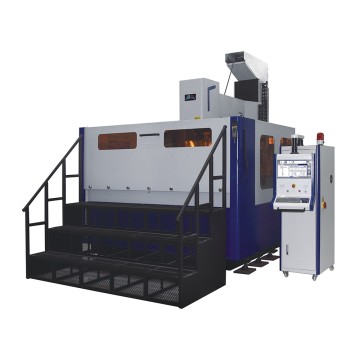
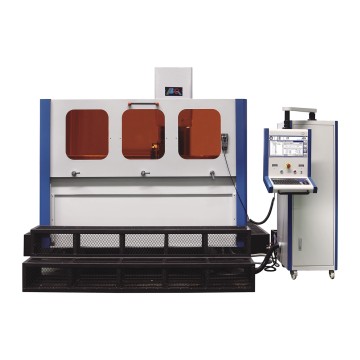
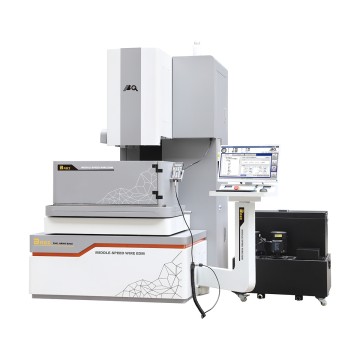
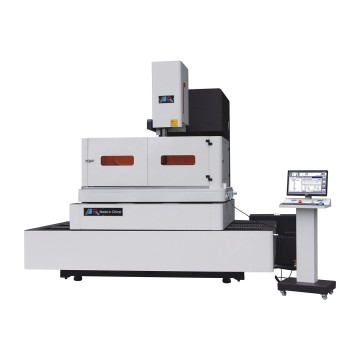
Modern commercial aircraft programs (e.g., Airbus A350, Boeing 787, COMAC C919) and next-generation space exploration vehicles demand monolithic titanium bulkheads, single-crystal nickel turbine components, and high-aspect wing spars. Big CNC machine architectures serve as the backbone for these safety-critical structures.
Historically, large aviation structures were assembled from hundreds of riveted sheet metal and small milled parts. Today, aerospace engineering emphasizes monolithic structural design—machining massive, unified components out of single billets of Titanium (Ti-6Al-4V), Inconel (718, 625), Aluminum-Lithium alloys, and carbon composite hybrid stacks.
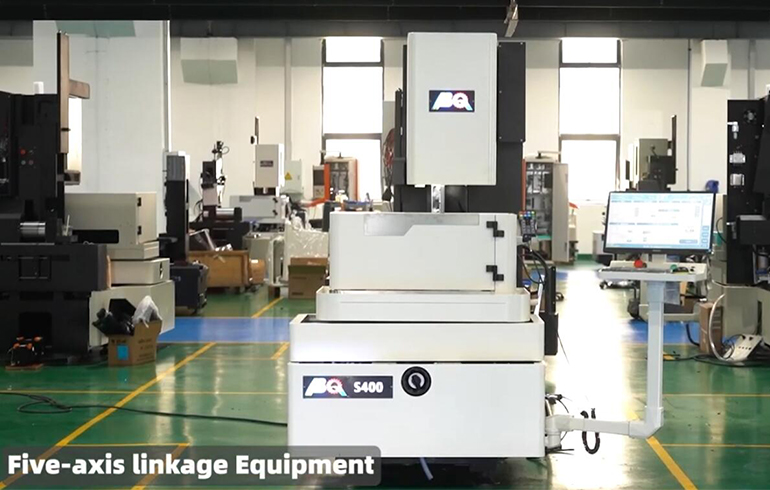
This paradigm shift demands big CNC machines equipped with massive work envelopes (exceeding 2000 mm × 1200 mm travels), multi-axis linkage (5-axis to 10-axis synchronization), and rigid meehanite cast-iron beds capable of absorbing high dynamic cutting vibrations. Wire electrical discharge machining (EDM) in particular eliminates cutting forces, making it irreplaceable for deep, thin-walled, and heat-sensitive aerospace components.
Unlike mechanical milling tools that exert high mechanical pressure, wire EDM operates electro-thermally. This prevents structural deformation, micro-fracturing, and residual work-hardening in ultra-thin aerofoil blades and fuel injection nozzles.
Large swing-angle wire EDM centers permit up to ±60° taper cutting. Complex 3D aerodynamic surfaces, fir-tree root slots, and shrouded impellers can be finished without re-fixturing or introducing cumulative datum errors.
Integrated AI pulse power modules continuously monitor discharge gap impedance, adapting frequency and pulse width in microseconds to prevent wire breakage during high-speed cutting of variable-thickness titanium billets.
How modern 5-axis and 10-axis large-format wire cutting EDM centers resolve the most difficult manufacturing bottlenecks in civil aviation, defense jet propulsion, and rocket engines.
Integrally Bladed Rotors (Blisks) combine turbine discs and blades into a single component, eliminating aerodynamic losses and reducing engine weight by up to 30%. However, machining the narrow, twisted channels between titanium or Inconel 718 blades presents catastrophic tool wear and vibration challenges for conventional carbide end mills.
Big 10-axis linkage CNC wire EDM machines employ synchronized rotational (A/B/C) and Cartesian (X/Y/Z/U/V) axes. The continuously wound molybdenum or brass wire glides through twisted blade channels, slicing intricate curved profiles with absolute geometric repeatability, leaving zero burrs and negligible recast layers.
Channel Width: Down to 1.5 mm clearance
Surface Integrity: Controlled recast layer < 5 µm with multi-pass skim technology
Cycle Time Reduction: 40% faster than 5-axis mechanical milling in hardened superalloys
Modern widebody aircraft airframe structures feature wing spars over 2 meters in length with pocket depths exceeding 200 mm. In standard milling, tool deflection on deep walls causes dimensional tapering and wall-thinning defects.
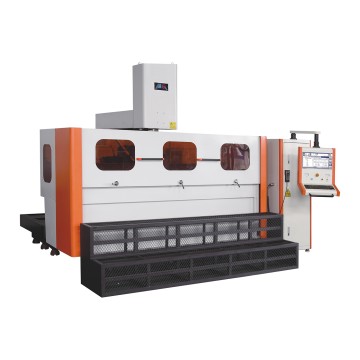
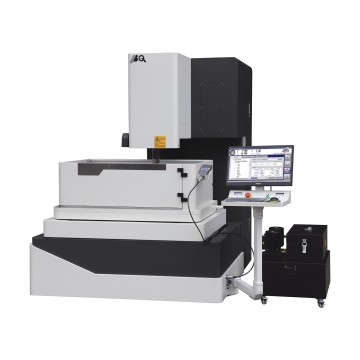
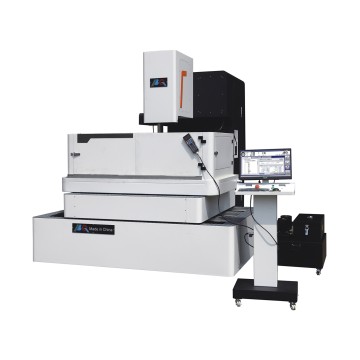
Large-bed CNC wire cutting machines like the BQ2012DYB series accommodate oversized workpieces up to 2000 mm × 1200 mm. The robust guide arms support uniform wire tension across extreme vertical heights, ensuring perpendicularity across entire structural bulkheads while dramatically lowering buy-to-fly material waste ratios.
Material Savings: Cuts nested structural parts from a single slab, saving up to 35% raw titanium
Thermal Stability: Temperature-stabilized dielectric circulation guarantees long-hour accuracy
Reliability: Rigid Meehanite cast-iron bed with low center of gravity
Liquid propellant rocket thrust chambers (e.g., methane/oxygen, kerosene/oxygen engines) require hundreds of micro-grooved regenerative cooling ribs and high-pressure fuel injection ports across curved copper alloy (GRCop-84) and nickel alloy jackets.
High-precision 5-axis and 10-axis CNC wire cutting delivers razor-sharp internal cooling channels without burr formation that could otherwise obstruct cryogenic fluid dynamics. The non-contact nature preserves ultra-thin rib walls down to 0.25 mm thickness without buckling under cutting pressure.
Channel Aspect Ratio: Greater than 25:1 height-to-width ratio
Burr Elimination: 100% burr-free fluid passages eliminating post-machining chemical deburring
Complex Geometry: Variable cross-section nozzle contours executed in single setups
How industry 4.0 integration, real-time closed-loop metrology, and power-efficient discharge algorithms are reshaping big CNC aerospace production lines.
Next-gen CNC units embed machine-learning neural networks to predict thermal growth in real-time, dynamically compensating ball screw pitches and optical linear scale feedback to maintain micron-level positioning over 48-hour continuous operations.
Virtual kinematics models simulate the entire multi-axis path of big swing guide arms before actual spark generation. This guarantees complete collision avoidance within tight blisk pockets and validates ISO G-code programs off-line.
Advanced high-frequency pulse generators cut energy consumption per cubic millimeter of removed superalloy by up to 28%. Water-based dielectric fluids with smart recycling filtration support aerospace sustainability goals.
Quality First, Customer First, And Credit-Based Precision Engineering.

Quality First, Customer First, and Credit-Based Global Standards (ISO9001 & CE Certified).
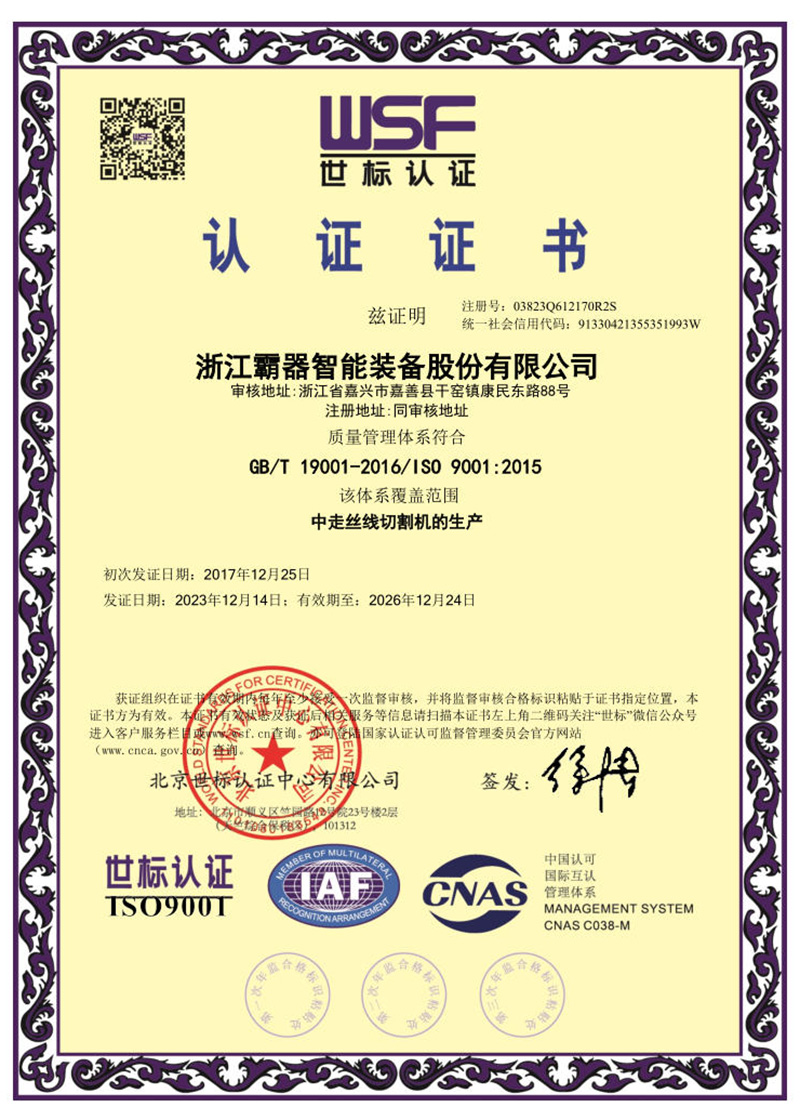 ISO9001 Certified
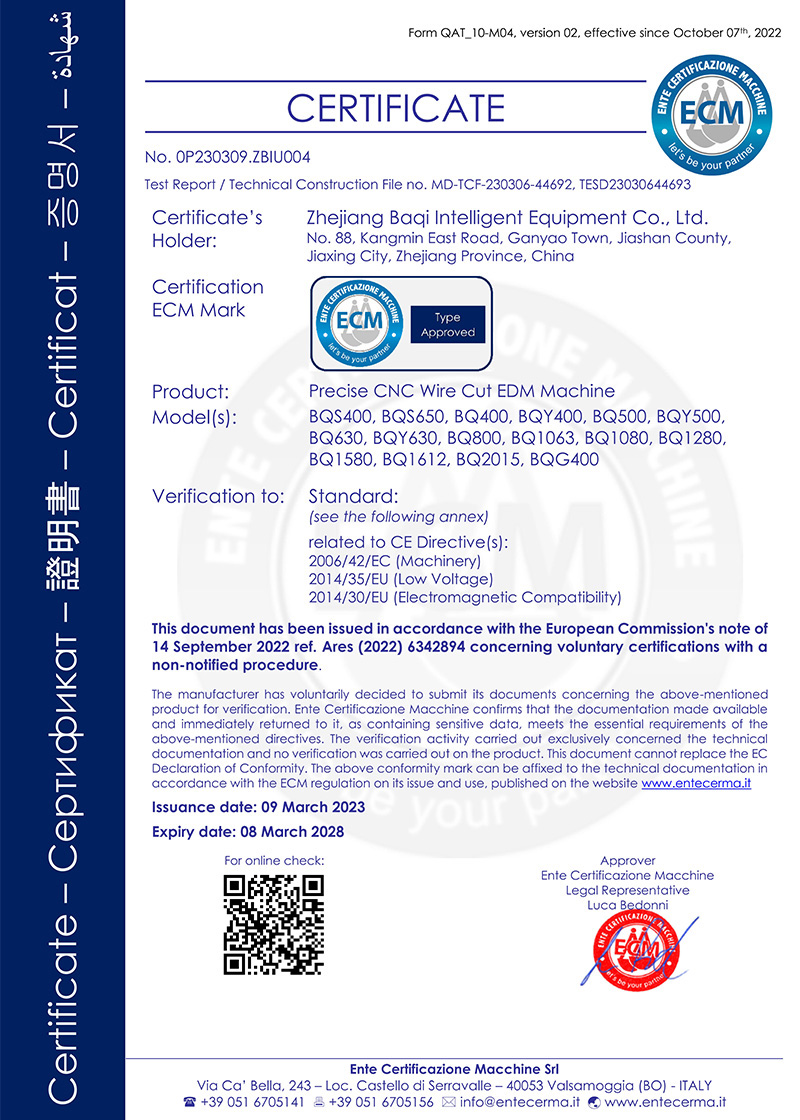 CE Directives
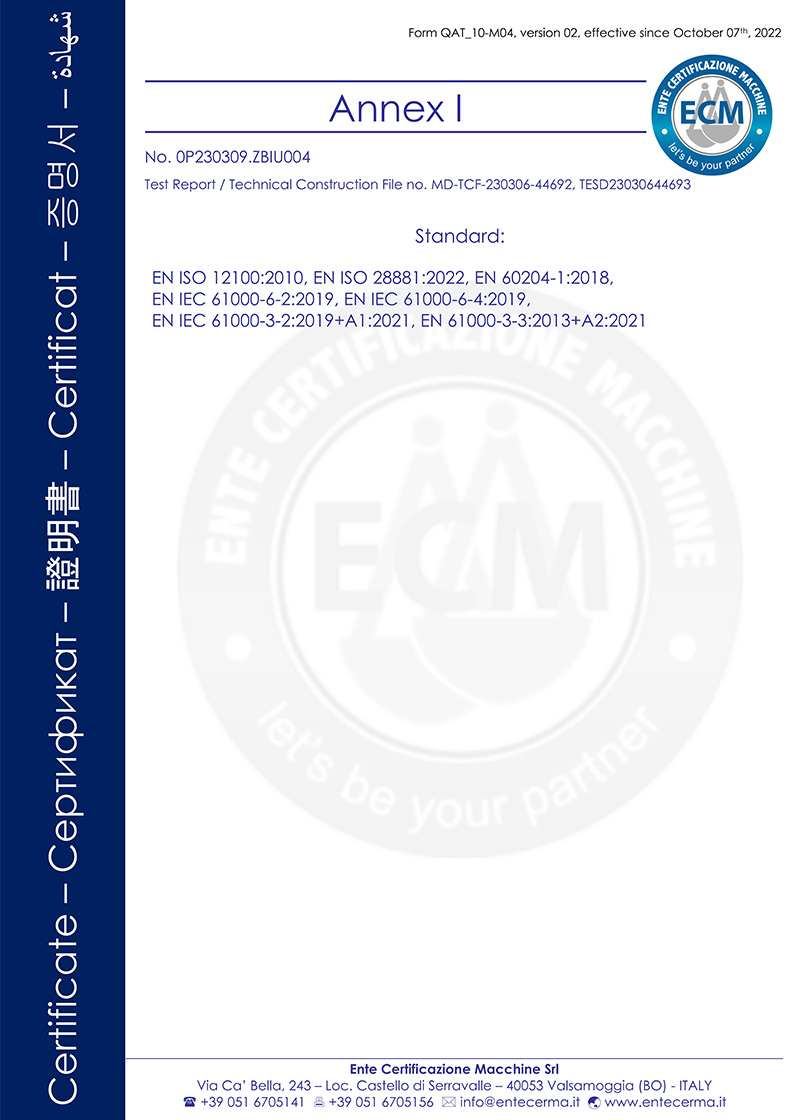 CE Verification
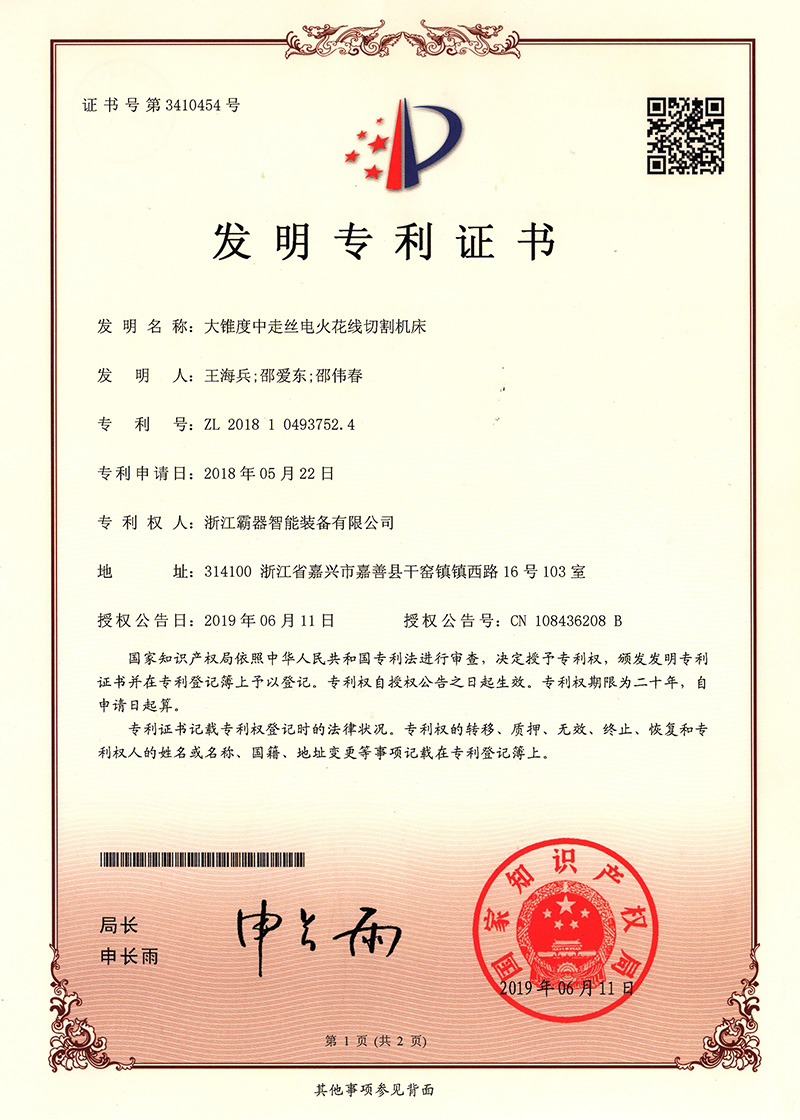 Large-Taper Patent
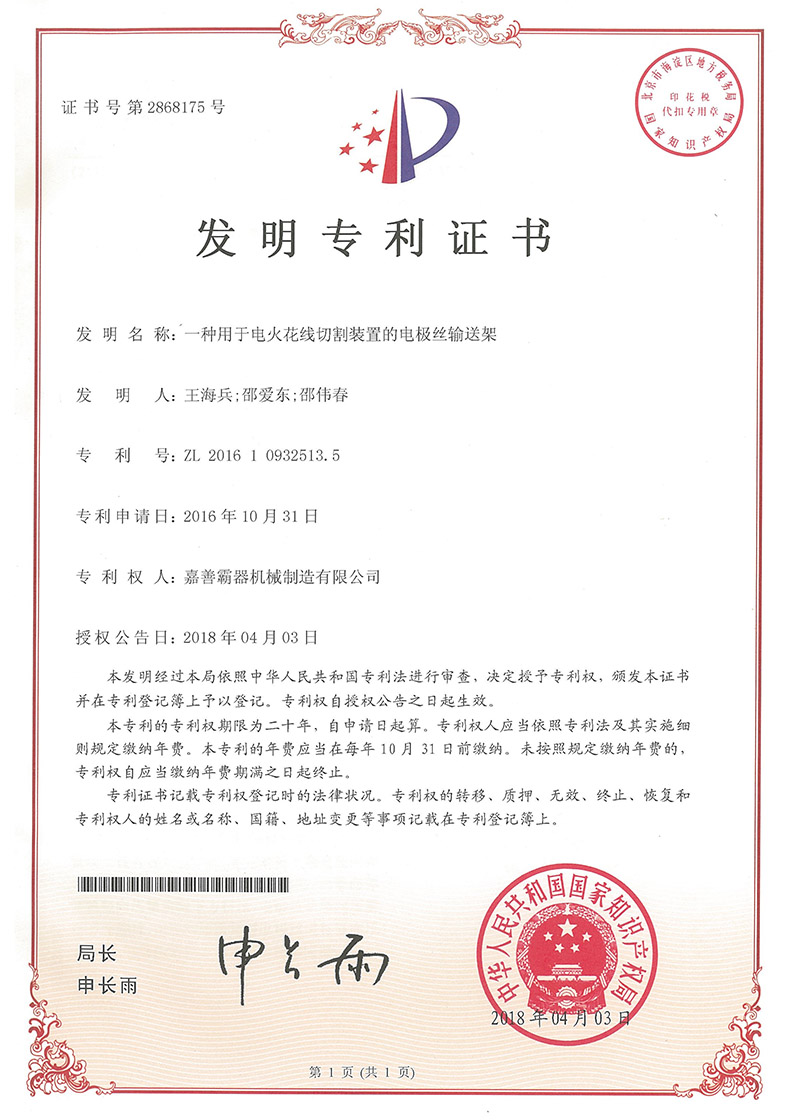 Wire Conveyor Rack
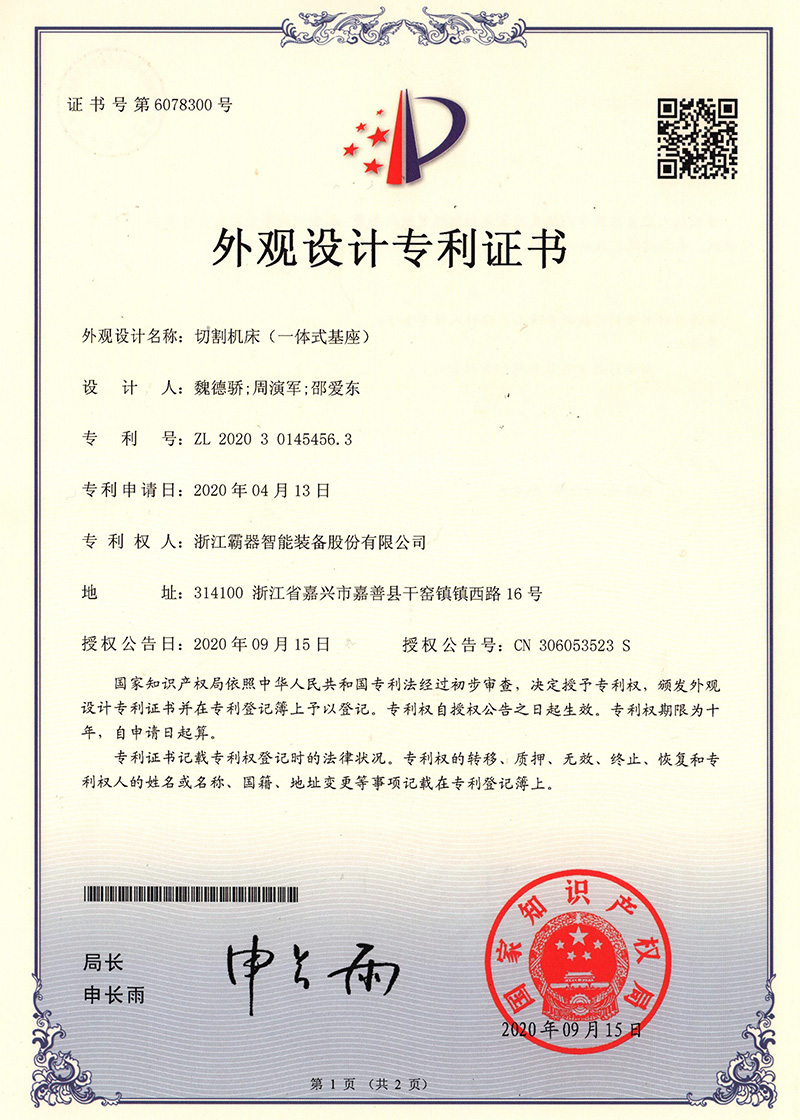 Integrated Base
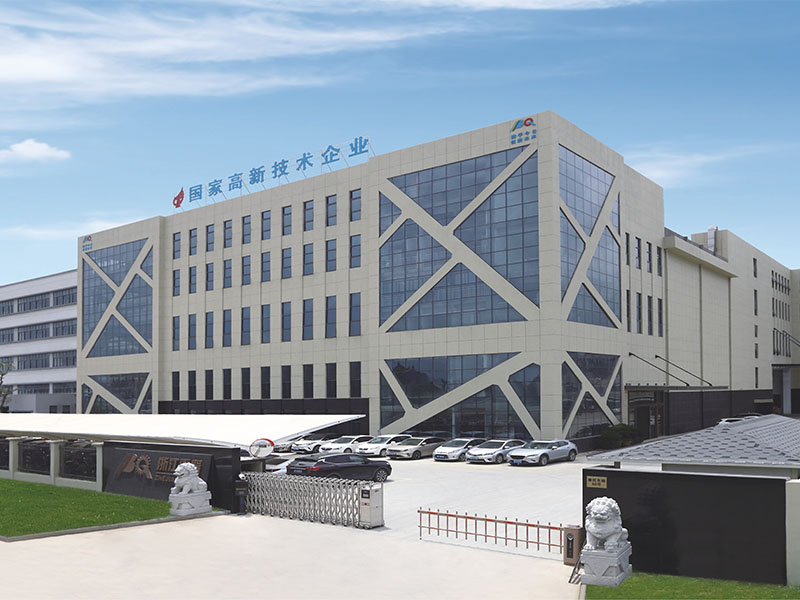
 Tech Enterprise
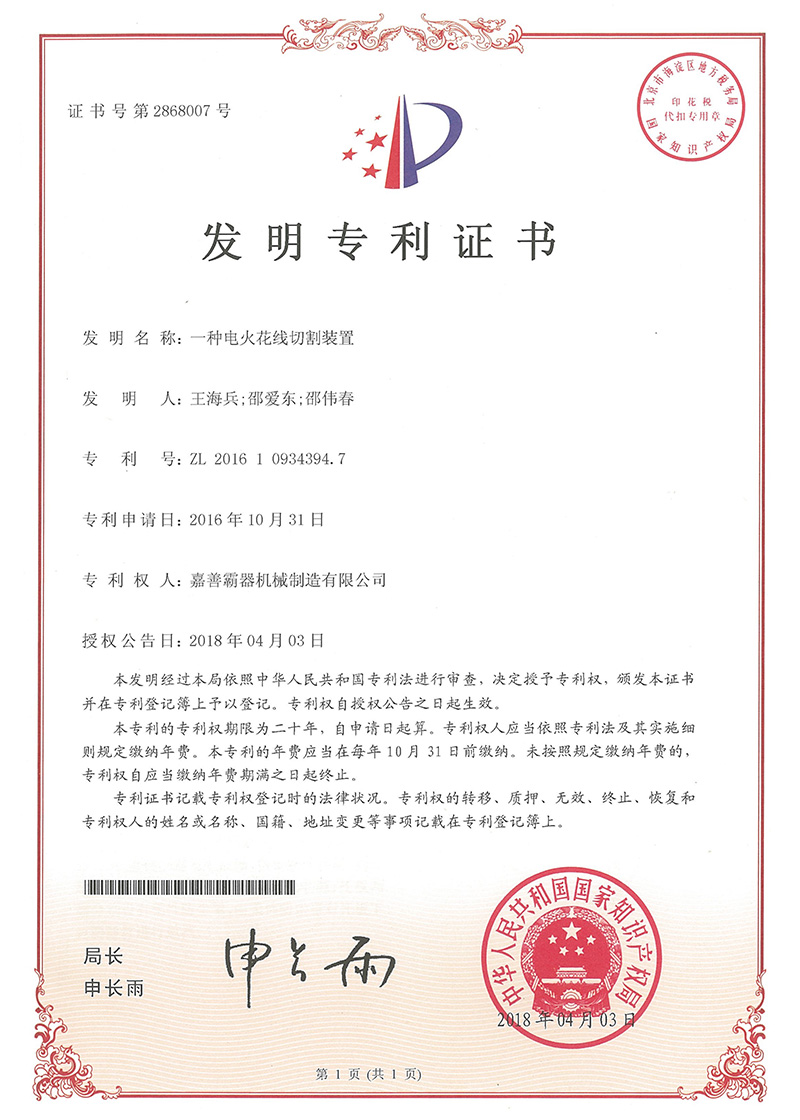 EDM Device Patent
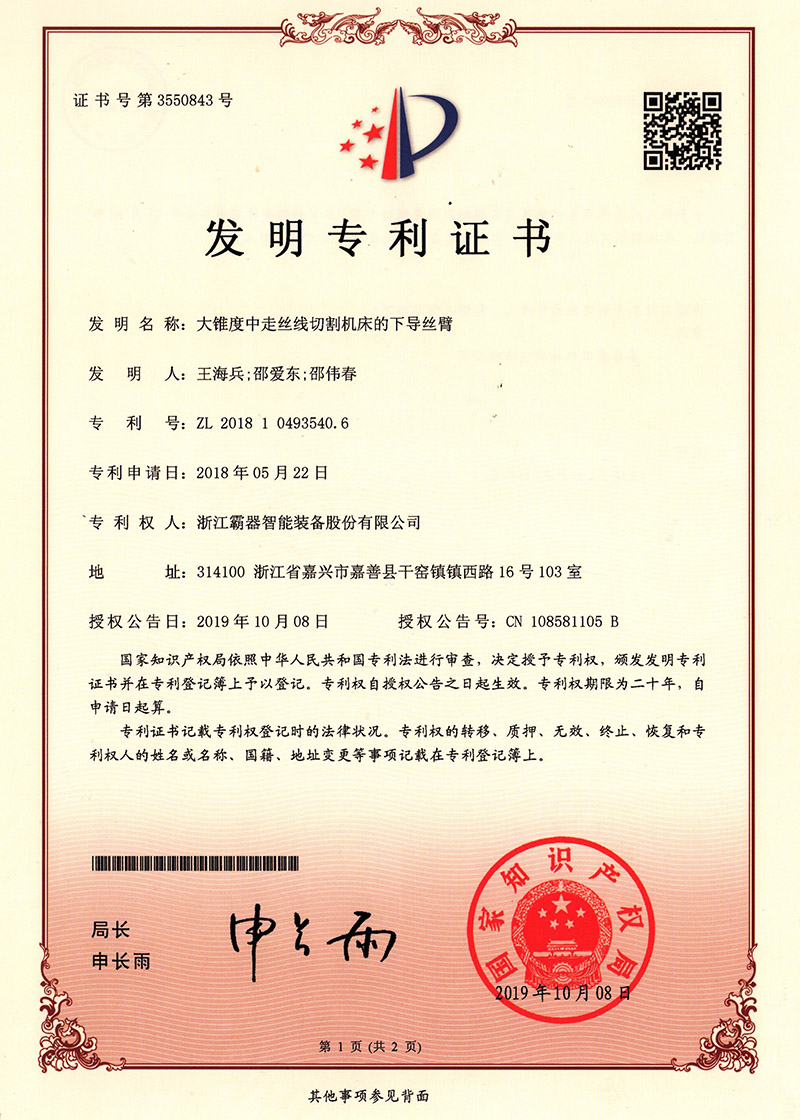 Lower Guide Arm
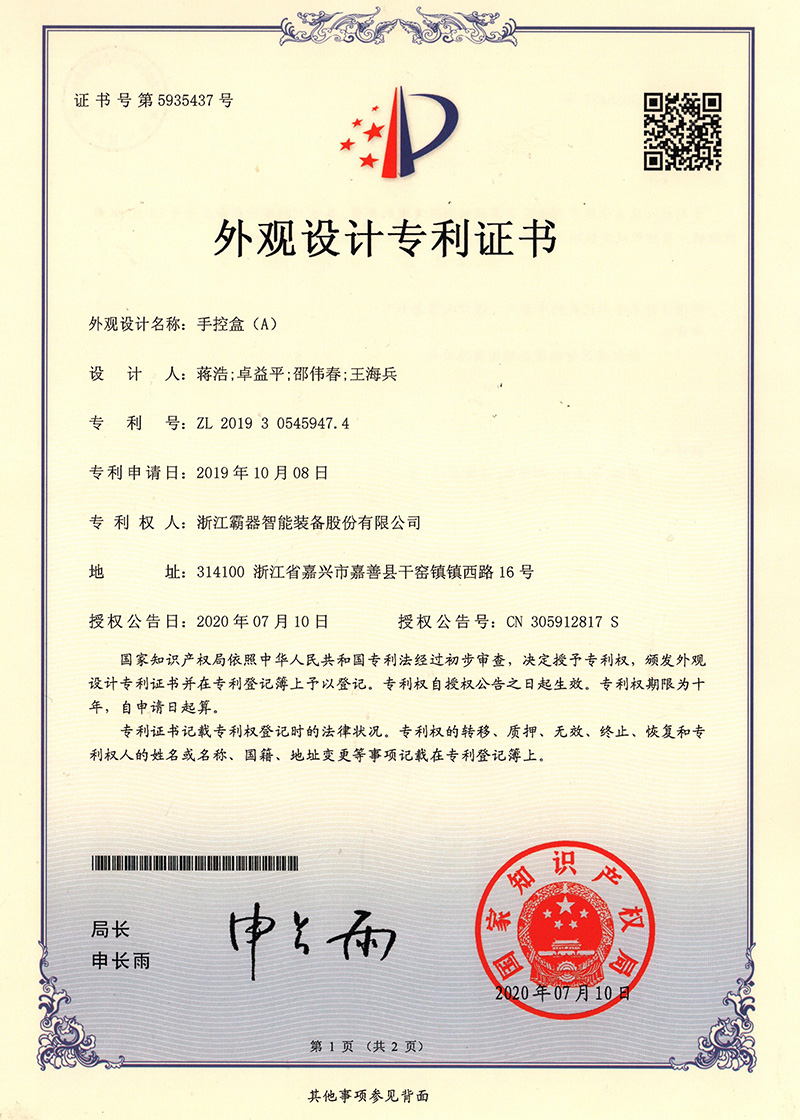 Control Pendant A
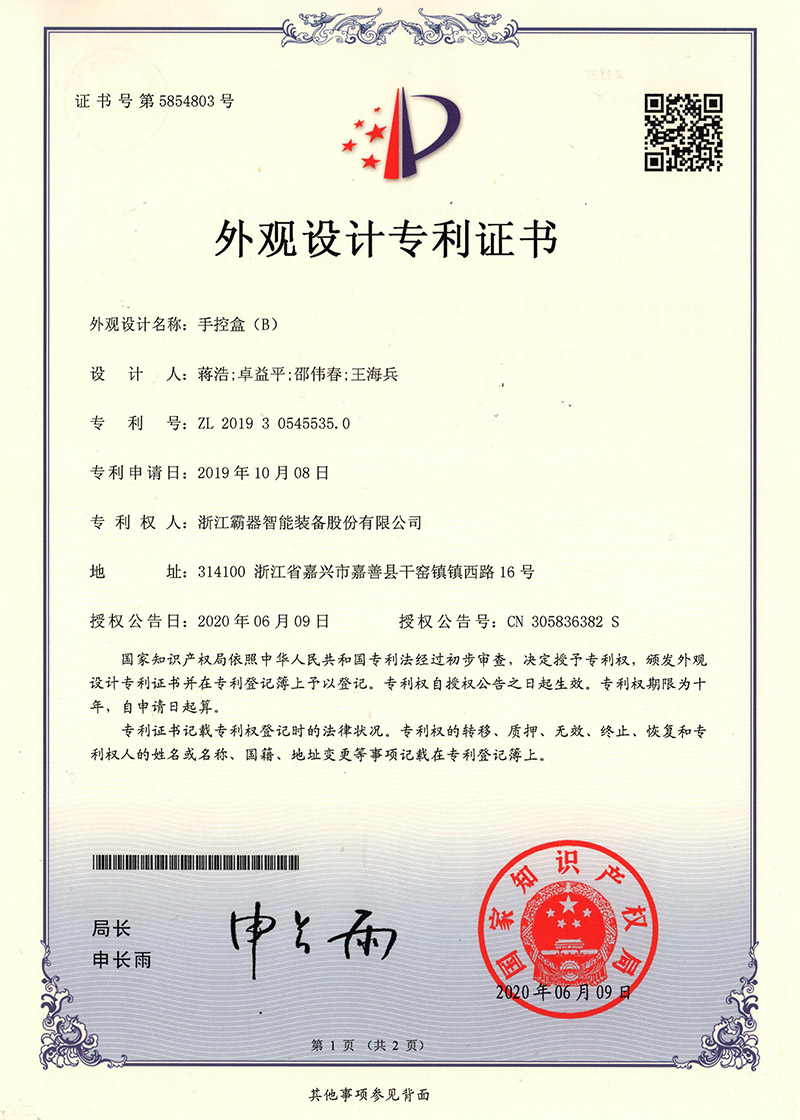 Control Pendant B
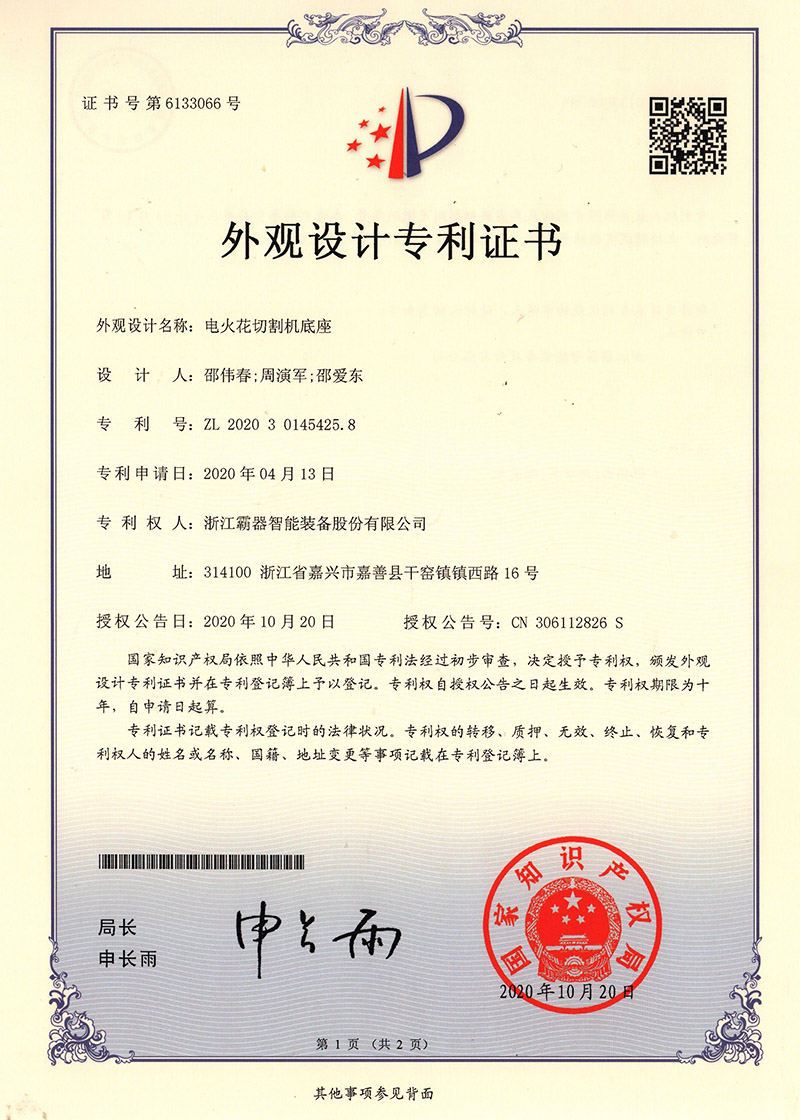 Structural Bed
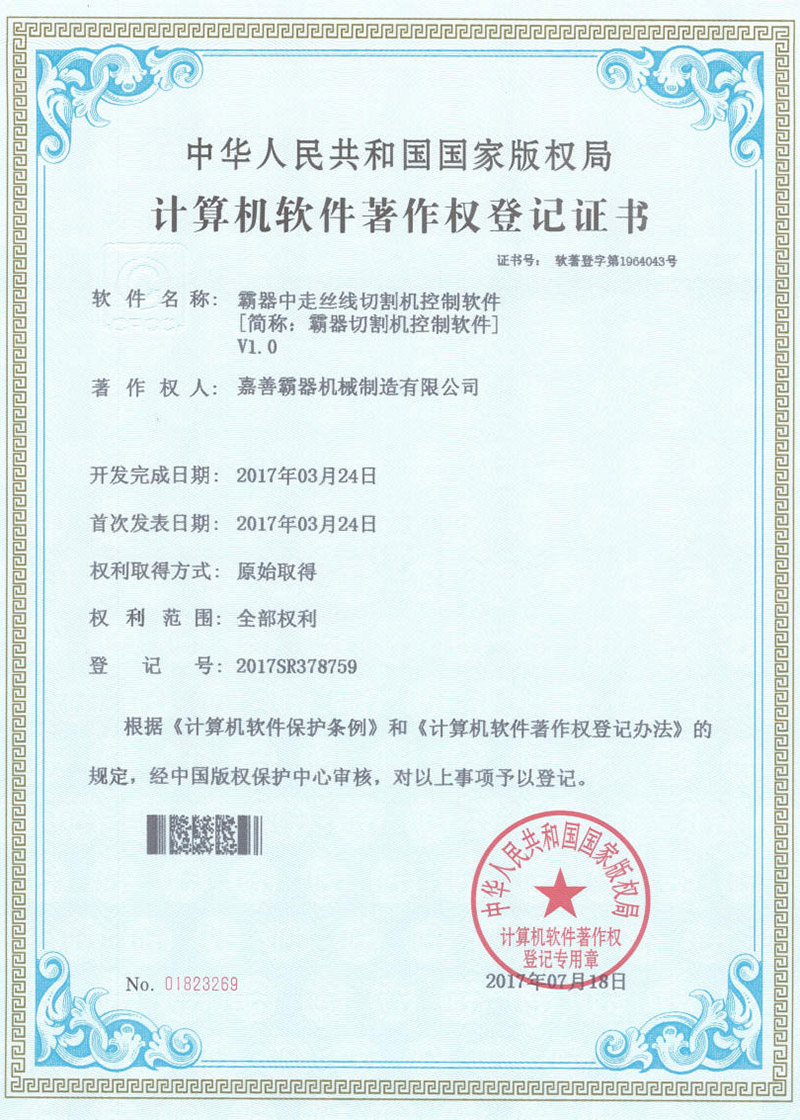 CNC Software V1.0
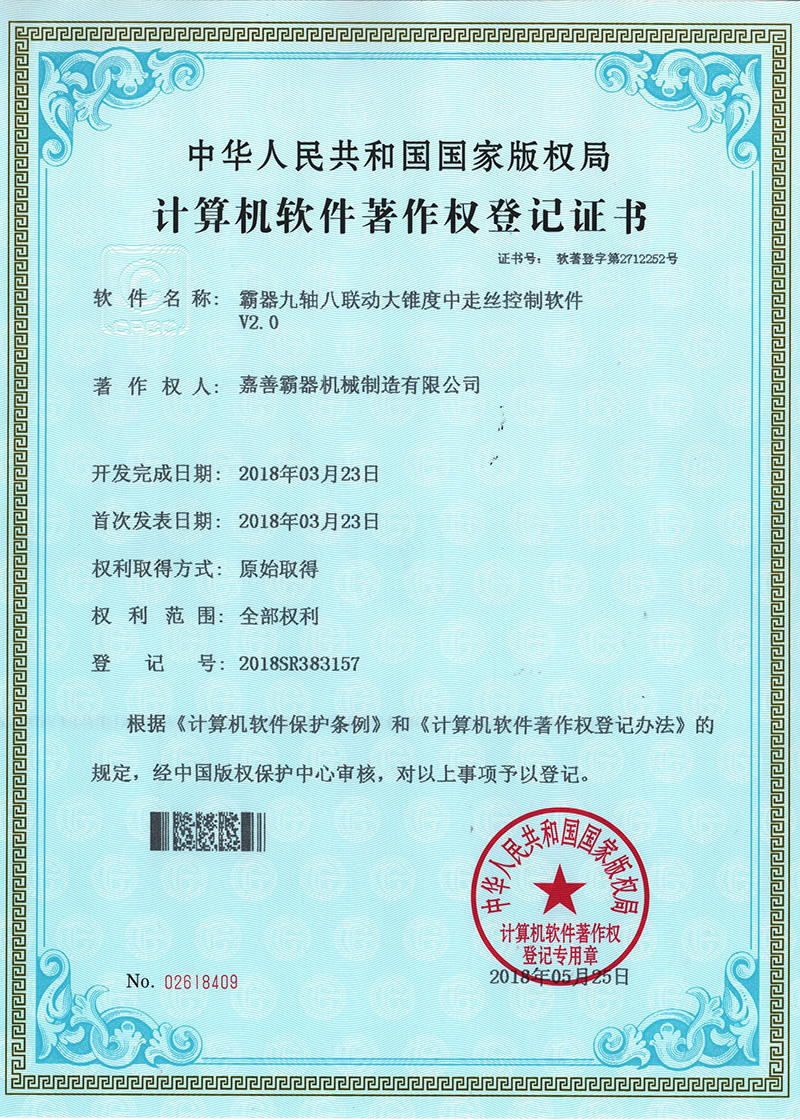 CNC Software V2.0
Tracking cutting-edge developments in multi-axis linkage wire EDM, intelligent software, and sustainable machining policies.
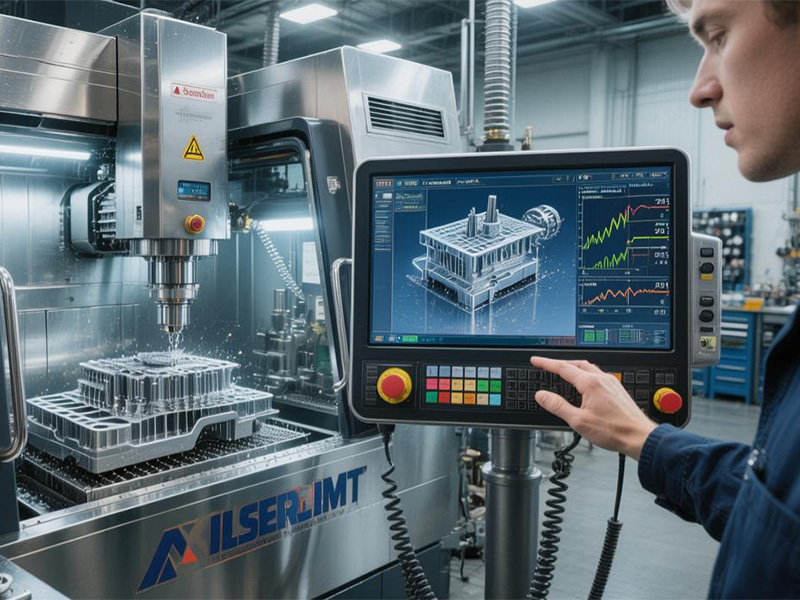
A transformative leap in adaptive discharge control, delivering self-learning pulse algorithms that slash cycle times by 30% while eliminating wire breakages in deep aeronautic cavities.
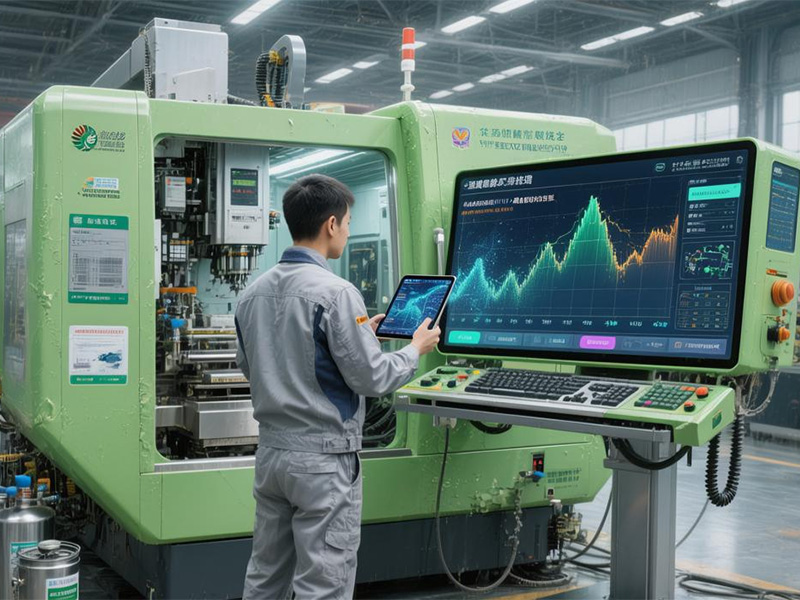
How modern machine tool builders are meeting international ESG aerospace benchmarks through closed-loop filtration, non-toxic dielectric solutions, and reduced kilowatt-per-cut ratios.
Engineered explicitly for next-generation rocket nozzles, complex blisks, and large-angle aero vanes requiring synchronous multi-degree-of-freedom non-contact electrical discharge cutting.
Our mission is to make their choices firm and correct, to create greater value for customers and to realize their own value.
Explore our complete series of 5-axis and 10-axis medium-speed CNC wire cutting EDM machine tools built for high-precision aeronautical engineering.
Direct answers to core procurement and machining inquiries regarding aerospace superalloys, thermal control, and multi-axis linkage.
Nickel-based superalloys (Inconel 718, Waspaloy) work-harden immediately upon mechanical shear stress, accelerating cutting tool wear and risking micro-fractures in thin blade edges. Wire EDM operates non-contact via controlled electrical spark discharge, creating zero mechanical cutting force and ensuring completely burr-free aerofoil geometries.
Complex aerodynamic components like centrifugal impellers and variable-pitch guide vanes feature intricate compound angles. A 10-axis synchronized linkage integrates dual-rotary tilting tables (A/B axes) with independent upper and lower guide arm heads (X, Y, U, V, Z), allowing up to ±60° extreme taper swings without wire breakage.
Through multi-stage trimming cycles and high-frequency finishing pulse generators, the white layer (recast zone) is systematically reduced below 3–5 micrometers (µm). This falls comfortably within standard aerospace non-destructive testing (NDT) and fatigue life criteria.
Big CNC beds (such as 2000 mm travels) are subject to thermal expansion. Our machines utilize heavy Meehanite cast structures, isolated electrical cabinets, and high-flow temperature-regulated dielectric filtration systems, maintaining geometric precision of ±0.003 mm across multiday continuous runs.