
Medical Industry
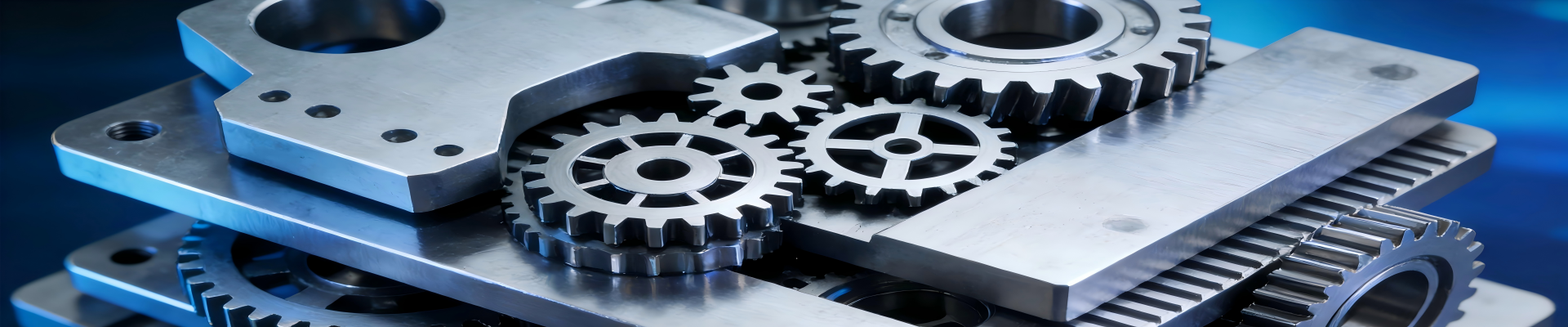
The application of wire cutting in the medical industry is a typical extension of its precision machining capabilities. Medical devices (especially implants and surgical instruments) have stringent requirements for materials, precision, and surface integrity, which are precisely the areas where wire cutting excels.

1. Core Processing Characteristics (Medical Perspective)
From the perspective of the healthcare industry, its core characteristics are primarily reflected in the following aspects:
◈ Wide material adaptability: Capable of processing not only stainless steel but also excels in cutting difficult-to-machine materials such as medical-grade titanium alloys, cobalt-chromium alloys, and nickel-titanium memory alloys, with machining quality unaffected by material hardness.
◈ Macro Stress-Free Machining: As it is a non-contact process, the workpiece is not subjected to cutting forces, which is particularly important for machining slender or thin-walled components with poor rigidity, such as thin-walled tubes and minimally invasive surgical forceps, ensuring perfect shape and dimensional accuracy.
◈ High Precision and Clean Surface: Capable of achieving micron-level accuracy to meet implantation fit requirements. Additionally, the surface formed by electrical discharge machining is free of microscopic burrs, which is highly beneficial for the cleanliness and biocompatibility of medical devices.
2. Specific Application Advantages
◈ Implant manufacturing (e.g., orthopedic and dental) such as titanium alloy trabecular structures for hip and knee joints, dental implants, etc. Wire cutting can efficiently create mesh or groove structures that promote bone tissue ingrowth on irregular curved surfaces or cylindrical surfaces, which is difficult to achieve with traditional machining.
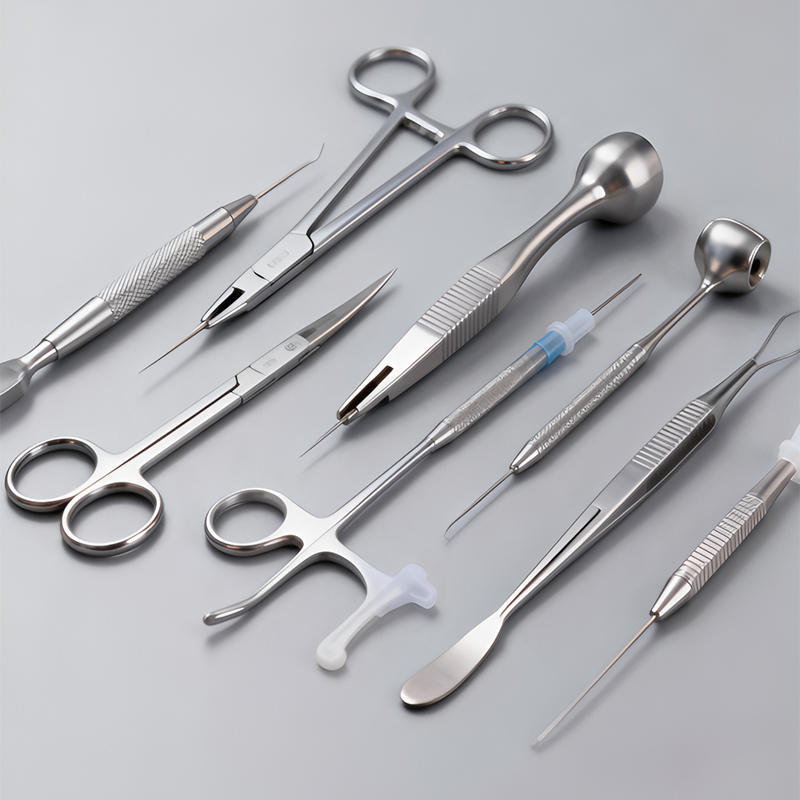
◈ Surgical Instrument Manufacturing, such as laparoscopic forceps and bone suturing needles. Wire cutting can simultaneously produce complex inner and outer shapes of jaws on a single material piece, ensuring precise interlocking and enabling the machining of miniature hooks, needles, and their mounting slots with diameters less than 0.5 millimeters, far surpassing manual grinding in efficiency.
◈ Interventional medical devices, such as nickel-titanium alloy microtubes for vascular stents. Wire cutting can produce precise mesh-like hollow structures with extremely narrow cuts and minimal heat-affected zones, ensuring the flexibility and reliable expansion of the stents.
◈ Biocompatibility Assurance: Non-contact machining avoids introducing foreign particles such as iron filings, while the surface processed by electrical discharge machining can more easily form a stable oxide layer through subsequent treatment, which is crucial for implants.
◈ Integrated Complex Structures: Capable of combining and machining multiple precision components, this reduces the assembly steps of medical devices and facilitates product miniaturization.
◈ Rapid Prototyping and Customization: No need for complex molds, direct cutting based on CAD data, ideal for personalized customization and R&D prototyping in the medical field.

NEED CUSTOM Products?
At FlexMod Conveyor, our culture drives innovation, excellence, and trust
moving your business forward with every solution.