
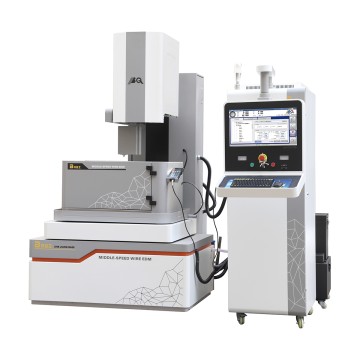
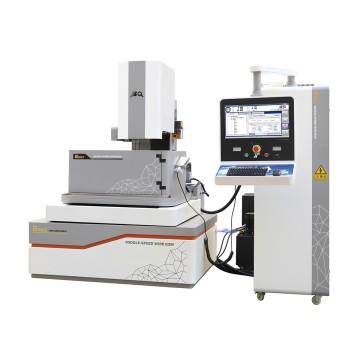
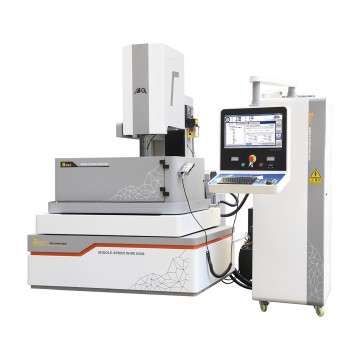
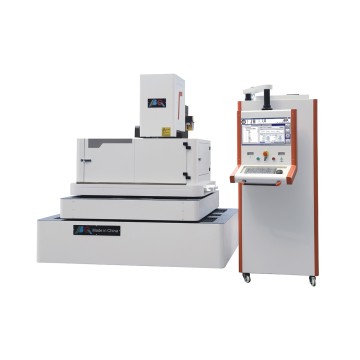
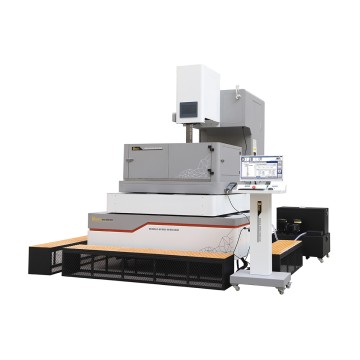
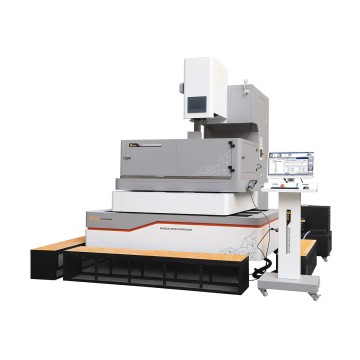
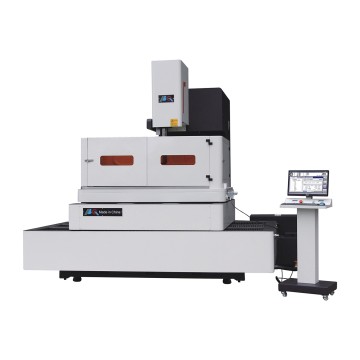
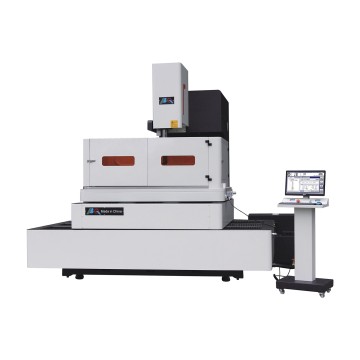
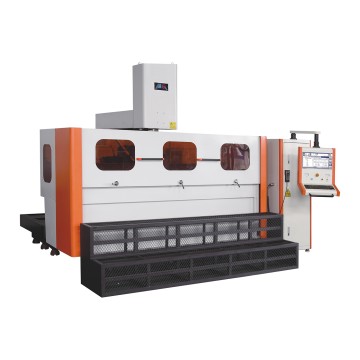
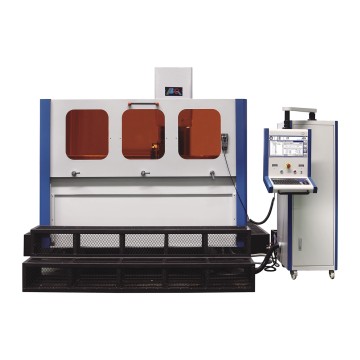
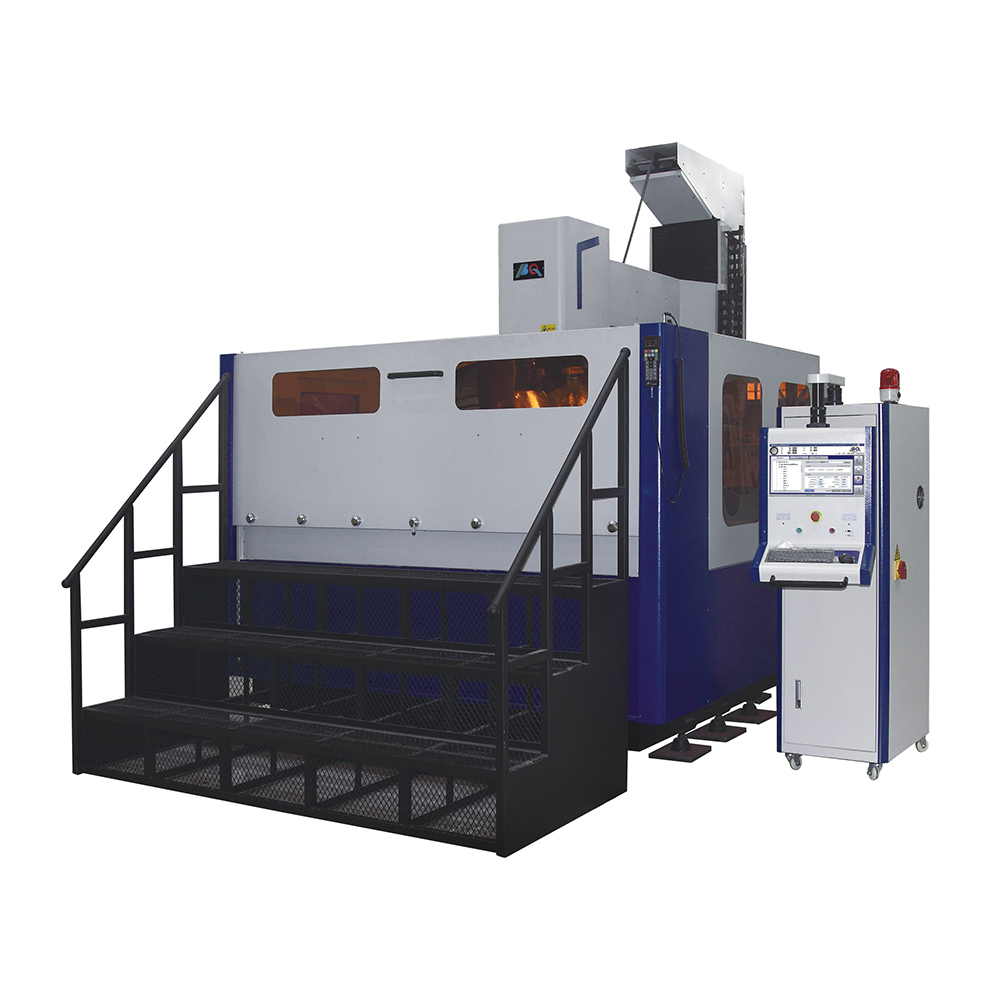
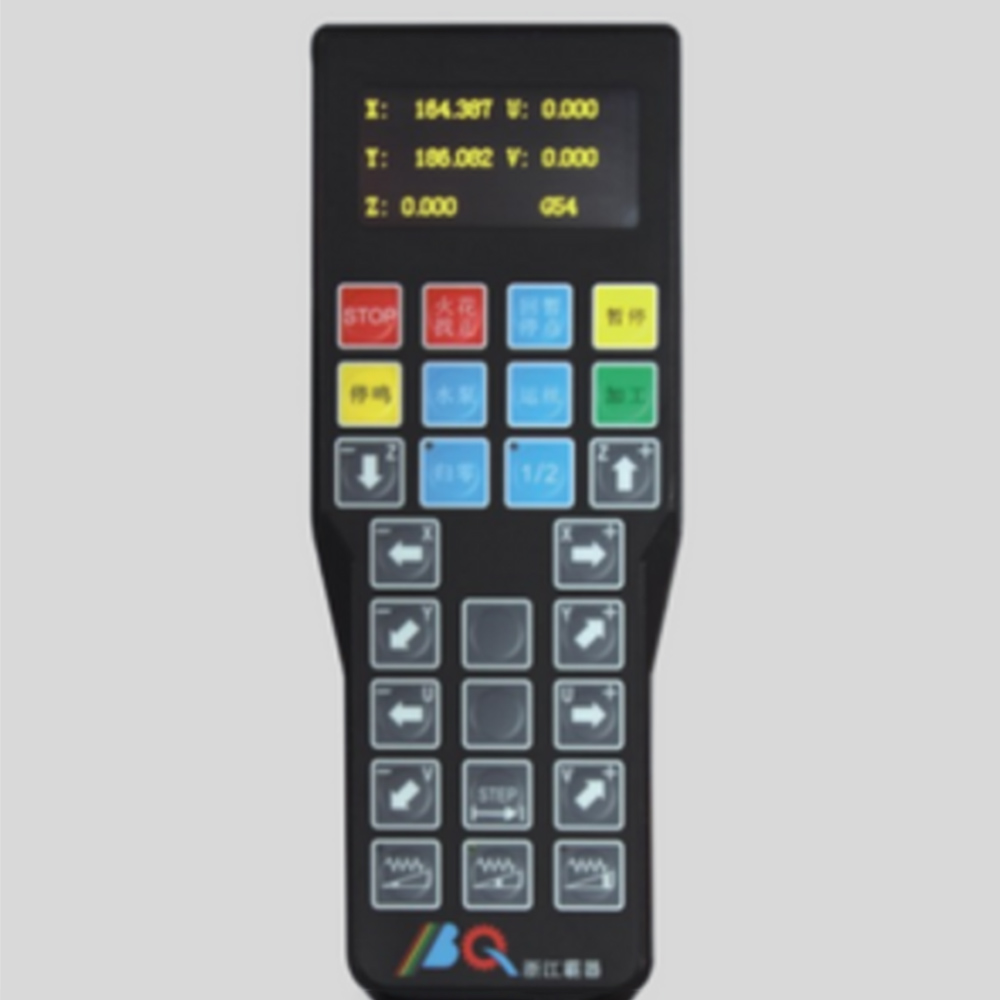
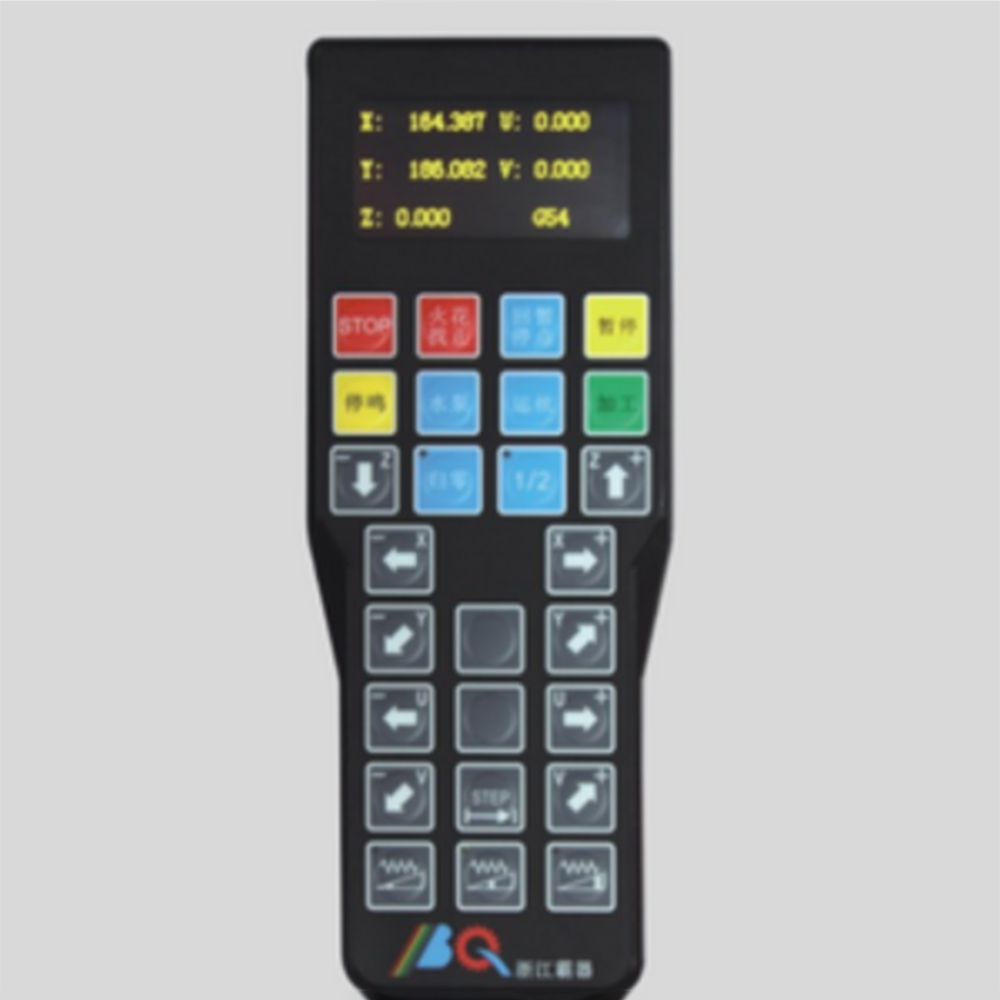
10 Axis linkage BQ2012DYB Medium-Speed CNC Wire cutting EDM Machine (Big Swing)
Share to:


Model |
BQ2012DYB |
|
Table travel |
Worktable size(mm) |
2500×1300 |
X/Y travel (mm) |
2000×1200 |
|
Max work piece size(mm) |
2800×1600 |
|
Max cutting thickness (mm) |
1000 |
|
Max load weight (kg) |
7000 |
|
X/Y min.directive unit(mm) |
0.001 |
|
Taper and Z-axis travel |
Taper U/V travel (mm) |
360×360 |
Max cutting taper (mm) |
±30°/80 mm |
|
U/V min.command unit(mm) |
0.001 |
|
Transmission control |
Control method |
X,Y,U,V,UAa,UAa-1,UBa,UBa-1,VAb,VBb,Z,eleven axis servo drive |
Z axis drive |
Numerical control |
|
Simultaneously controlled axes |
X,Y,U,V,UAa,UAa-1,UBa,UBa-1,VAb,VBb,ten axis |
|
Wire drum |
Max travel of wire drum(mm) |
200 |
Wire diameter(mm) |
①0.1-Φ0.2 (Standard 0.18) |
|
Wire speed(m/s) |
1-11.4 variable frequency |
|
Max.wire storage length (m) |
330 |
|
Machining parameters |
Reposition accuracy(mm) |
≤±0.015 |
Max cutting efficiency(mm²/min) |
≥300 |
|
Roughness/Ra(μm)cut 1 trim 2 |
0.8-1.4 |
|
Working liquid tank |
Liquid tank capacity |
150L |
Filtering method |
3 Layer filtration |
|
Others |
Power supply |
Three phase 380V AC/5OHz |
Control System |
Baqi system |
|
Total power consumption (kw) |
3.5 |
|
Max machining current(A) |
10 |
|
Machine gross weight(kg) |
18000 |
|
Machine size(mm) |
5000x4500×3600 |
|
Machine noise |
≤70dB |
|
Top-bottom irregular cutting |
Yes |
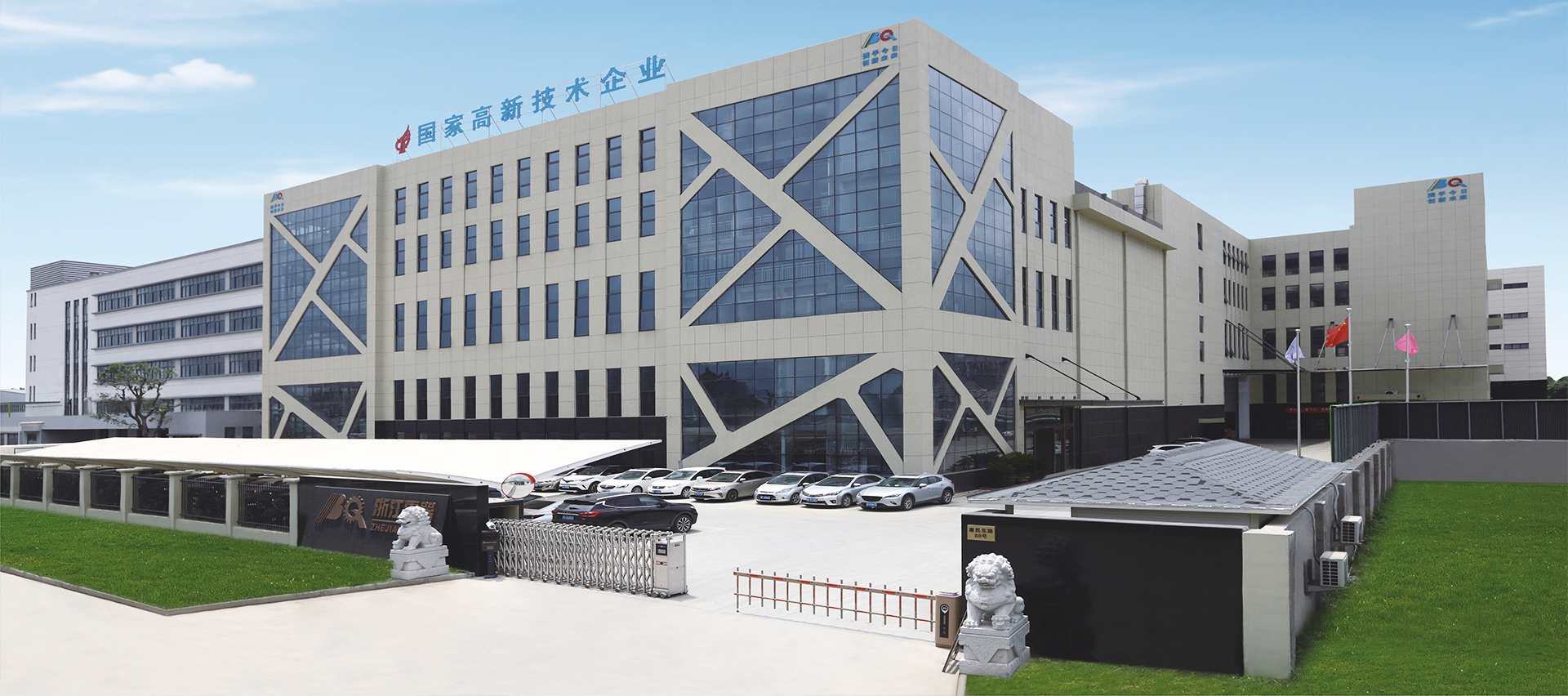
Baqi Intelligent's Medium-Speed Molybdenum Wire EDM are widely used in various fields such as mold and tooling, medical industry, aerospace, automotive parts, machining, military defense, and more. Let's explore the application characteristics and advantages of medium-speed wire cutting machines in different industries:
Application of Medium-Speed Molybdenum Wire EDM Machines in the UAV Industry
Medium-speed molybdenum wire EDM machines (medium-speed wire EDM machines) are deeply used in the manufacturing of UAV fuselage frames, motor mounts, gimbal systems, propeller molds, and precision navigation and control parts due to their core advantages of stress-free precision machining, micron-level accuracy, compatibility with high-strength aerospace materials, and one-time molding of complex lightweight structures. They are key precision machining equipment for achieving lightweight, high rigidity, high stability, and long endurance in industrial and consumer UAVs.
Main Application Scenarios in the UAV Industry
1. UAV Body and Core Structural Components
● Fuselage frame, arm, landing gear: Adapted to 7075 aviation aluminum, titanium alloy, magnesium alloy hollow/thin-walled structure, can process parts with a wall thickness of 0.3–1mm, to achieve no deformation, high strength, and lightweight requirements
● Motor base and ESC mount: can process special-shaped mounting holes, heat dissipation runners, positioning grooves, with a position accuracy ≤± 0.003mm, effectively ensuring motor coaxiality and power stability
● Body Connectors, Buckles, Reinforcing Blocks: Machining miniature high-strength structural components to achieve stress-free, burr-free, precise assembly, and impact resistance
2. UAV Gimbals and Aerial Photography Systems (Core Application)
● Gimbal bracket, joint, shock absorber seat: can process titanium alloy/aluminum alloy complex special-shaped structure, 0.5mm ultra-thin wall, spherical curved surface, no deformation after processing, to ensure that the gimbal work without jitter
● Gimbal transmission parts: precision gear, worm gear, bearing housing processing, tooth shape accuracy ≤± 0.005mm, to ensure the smooth rotation of the gimbal
● Camera mount and lens mount: can process micro-holes, narrow slits, and positioning grooves, with a coaxiality ≤ 0.005mm to ensure stable imaging
3. Propellers and Power System Molds / Parts
● Propeller injection molding/die-casting mold: It can process blade cavities, twisted surfaces, and cooling waterways with an accuracy of ±0.003mm to ensure the dynamic balance accuracy of the paddles
●Motor rotor/stator piece, heat dissipation fins: can process 0.2–0.5mm ultra-thin parts, array micro-holes, special-shaped profiles, no burrs and no deformation after processing
● ESC Heat Sinks, Conductive Terminals: Machining miniature conductive structures and dense micropores to ensure efficient heat dissipation and stable conductivity
4. Navigation, Flight Control, and Precision Functional Components
● GPS/IMU sensor brackets and shielding covers: capable of processing ultra-thin walls (0.2–0.4mm), micro-hole arrays, and irregularly shaped cavities, achieving stress-free operation and interference resistance.
● Flight Control Board Mounting Brackets, Wiring Terminals: Machining miniature positioning holes, buckles, and conductive springs to ensure precise assembly and reliable contact
● Waterproof Sealing Grooves, Quick-Release Structural Components: Machining precise fit clearances and irregularly shaped sealing surfaces to achieve waterproofing, dustproofing, and smooth disassembly/assembly
5. High-End Materials and Special Structure Machining
● It is suitable for 7075/6061 aluminum alloy, TC4 titanium alloy, magnesium alloy, cemented carbide, stainless steel and other mainstream high-strength materials for UAVs
● It can stably process special structures that are difficult to achieve with traditional processes, such as irregular shapes, tapers, deep grooves, oblique holes, micro-array holes, and complex curved surfaces.
Core Advantages and Features in the UAV Industry
1. Stress-Free Processing, Ensuring That Lightweight Structures Do Not Deform.
Utilizing the principle of non-contact electrical discharge machining, this method eliminates mechanical cutting forces, ensuring complete freedom from deformation and chipping when machining ultra-thin-walled, deep-cavity, and hollowed-out parts (up to 0.3mm thick). The machined parts exhibit no residual stress, and the drone remains structurally stable and deformation-free under conditions of high-speed flight, severe vibration, and temperature fluctuations. This effectively addresses industry pain points in traditional CNC machining of high-strength aluminum/titanium alloys, such as susceptibility to thermal deformation, significant tool wear, and chatter in thin-walled parts.
2. Micron-Level Precision, Improving Flight Stability and Lifespan.
Machining dimensional accuracy can reach ±0.003–0.005mm, and surface roughness Ra≤0.7–1.4μm. The coaxiality, flatness, and hole position accuracy of the motor base, gimbal, and propeller molds are extremely high, which can effectively reduce flight vibration, improve power efficiency, and extend endurance. The surface of the machined parts is burr-free, resulting in less fluid resistance during flight, no scratches on components during assembly, and more reliable sealing performance.
3. Perfectly Compatible with Aerospace-Grade High-Strength Materials.
It can stably cut 7075 aluminum, TC4 titanium, magnesium alloy, cemented carbide and other high-hardness, high-strength, high-toughness materials, with optimized pulse power supply design, the processing process can prevent overheating, material embrittlement, anti-discoloration, and maintain the original strength of the material to the greatest extent. Compared with the five-axis milling process, the machining cost of titanium alloy can be reduced by 40%, and the machining efficiency can be increased by more than 30%.
4. One-Time Molding of Complex Lightweight Structures.
Supports 4-axis/5-axis simultaneous machining, enabling the processing of irregular shapes, tapers, oblique holes, curved surfaces, and deep grooves in a single setup. It supports the processing of ultra-large frames exceeding 1.5 meters in length, and is also compatible with the production of micro-precision parts, adapting to the needs of different drone product specifications. Lightweight structures such as hollowed-out, honeycomb, and ultra-thin walls can be efficiently formed, helping to reduce the weight of drone parts by 20-40%, while significantly improving structural rigidity.
5. High Efficiency, Low Cost, and Suitable for Mass Production.
Molybdenum wire can be reused, and the consumable cost is only 1/5–1/3 of that of slow wire EDM, and the equipment investment cost is only 1/3–1/2 of that of slow wire EDM, showing outstanding cost-effectiveness. Adopting a rough cutting + fine finishing process, it can achieve 24-hour unmanned continuous production with a yield rate >99.5%, perfectly adapting to the multi-variety, small-batch, and rapid iteration production mode of UAVs.
6. Intelligent, Highly Stable, and Adaptable to High-End Manufacturing
Equipped with automatic tension, heat deformation compensation, wire loss compensation, and AI adaptive parameter adjustment functions, ensuring stable and reliable long-term processing accuracy. Supports visual positioning, automatic alignment, and one-click programming, enabling fast product changeover and low operational difficulty. It can be integrated with an MES system to achieve full-process monitoring and quality traceability, ensuring batch product consistency.
Supporting Explanatory Images
Figure 1: Precision parts for UAV motor mounts/fuselage frames, showcasing the 7075 aluminum/titanium alloy hollow structure, irregular mounting holes, and heat dissipation channels, demonstrating the characteristics of no deformation, high precision, and lightweight.
Figure 2: UAV gimbal/propeller mold parts, showcasing the ultra-thin gimbal bracket, ball joints, and tortuous cavity of the propeller mold, demonstrating the characteristics of complex curved surfaces, microstructures, and high surface quality.
Figure 3: On-site processing of UAV parts using a medium-speed wire EDM machine, showcasing the medium-speed wire EDM machine, workbench, and batch processing of UAV frames/motor mounts, demonstrating the characteristics of high efficiency, stability, and large-scale production.
Summary
The medium-speed molybdenum wire EDM machine is a core process equipment for precision manufacturing of drones, comprehensively covering the processing of parts across the entire chain, including fuselage structure, gimbal system, power mold, and navigation and flight control. Its comprehensive advantages—stress-free deformation, micron-level precision, compatibility with high-strength aerospace materials, one-time molding of complex lightweight structures, and high efficiency and low cost—perfectly match the industry demands of lightweight, high rigidity, high stability, long endurance, and rapid iteration in drone manufacturing. It can significantly improve product precision, performance, lifespan, and yield, reducing overall manufacturing costs for enterprises. It is a key tool for drone companies to upgrade technology, improve quality, and enhance market competitiveness.
Product advantages and applicable industries
-
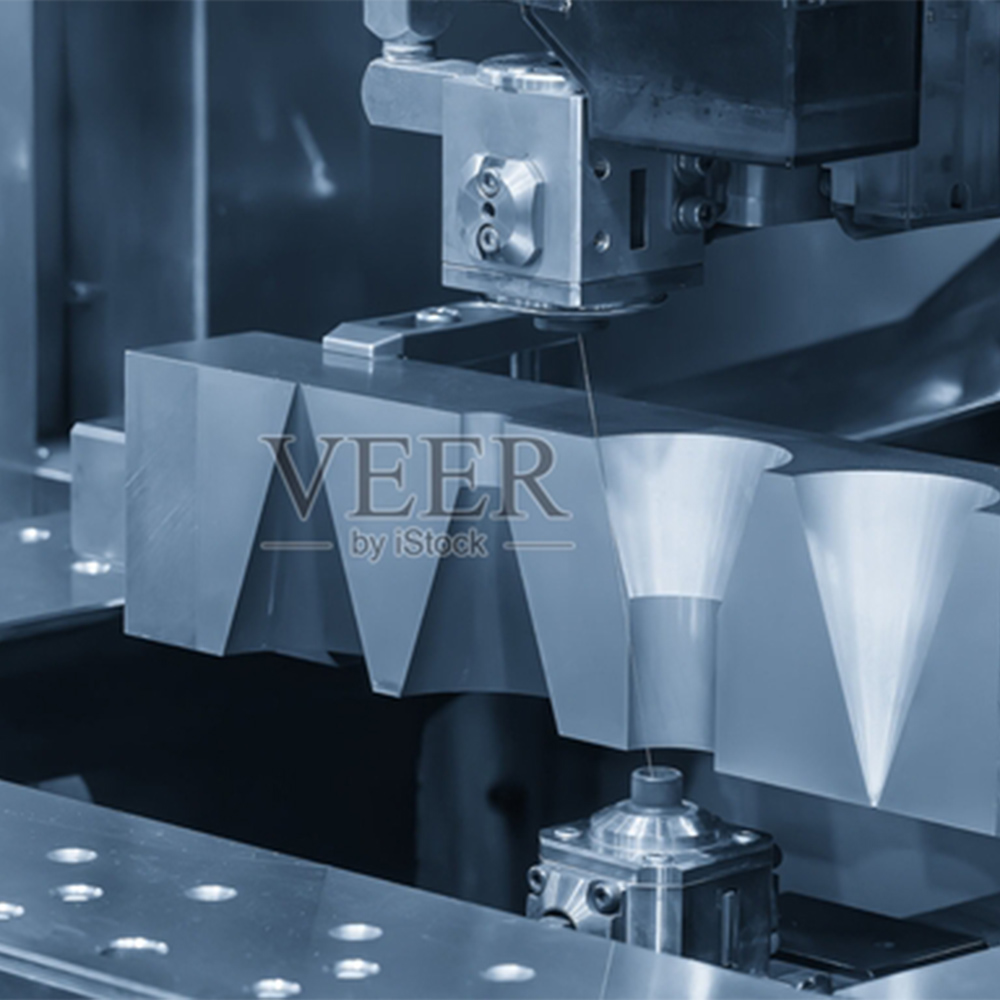
Wire cutting machine tool processing stamping die on site
-
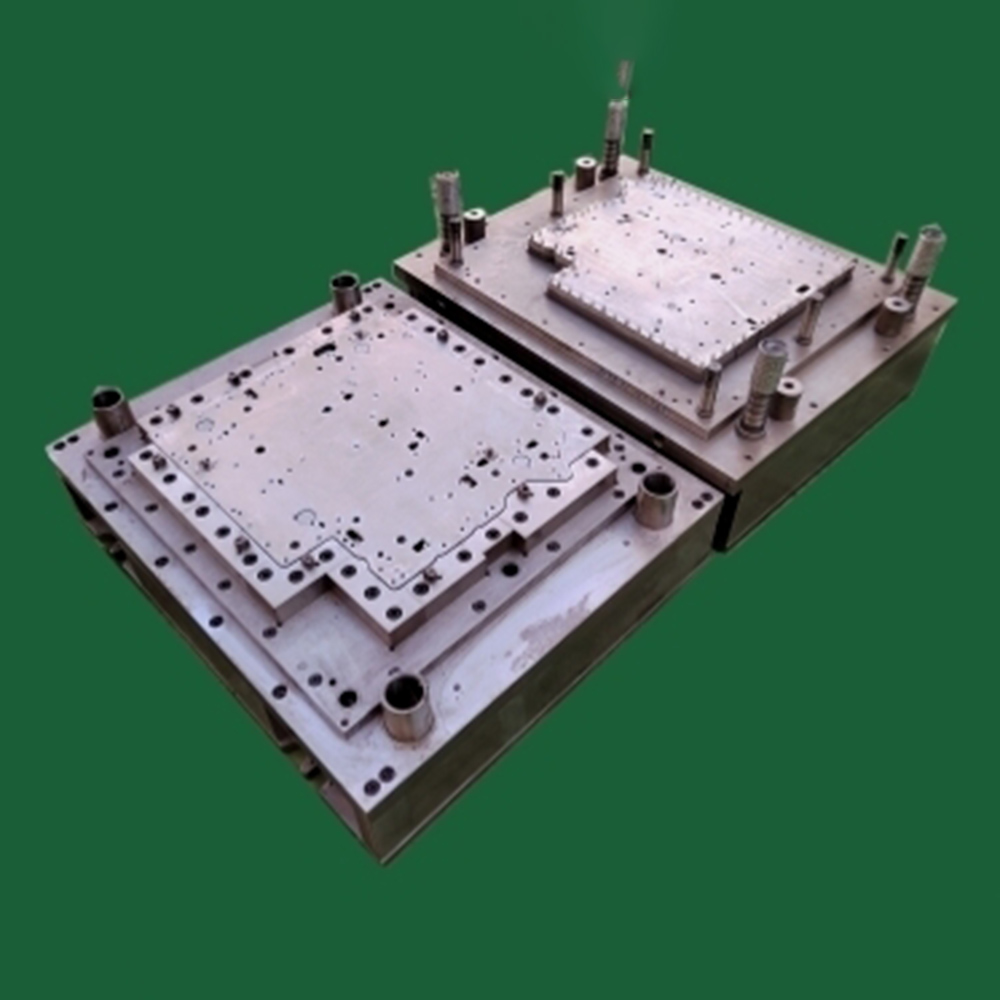
Multi-station continuous stamping die (integrated wire cutting)
-
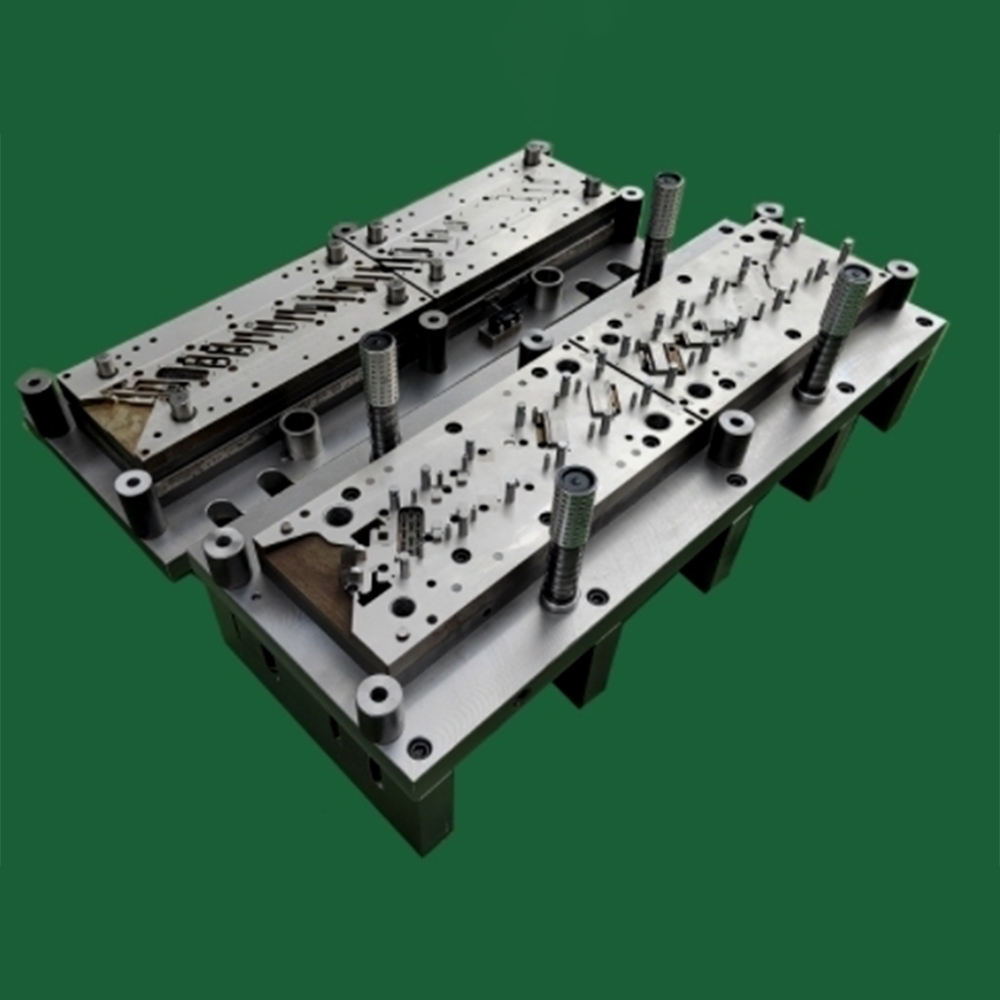
terminal progressive die (typical product of wire cutting)
-
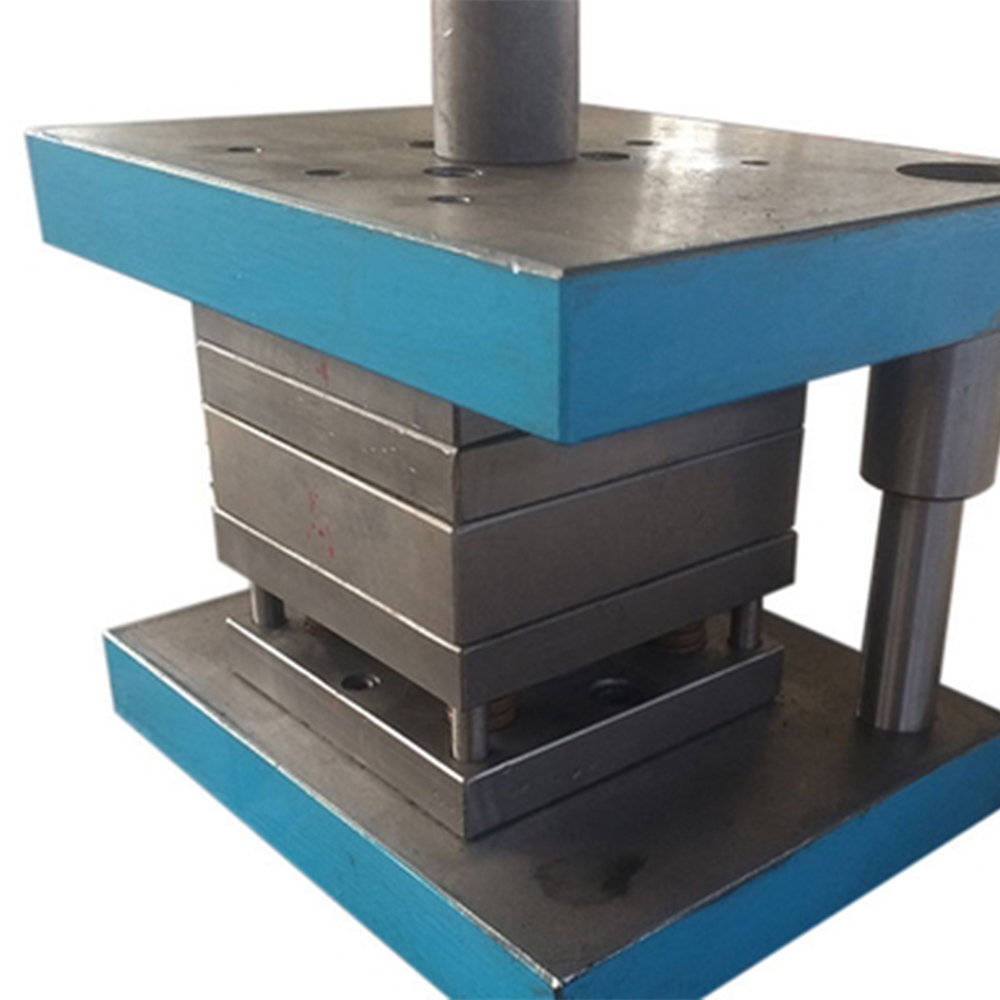
Motor silicon steel sheets, stator and rotor stamping molds (areas where wire cutting excels)