
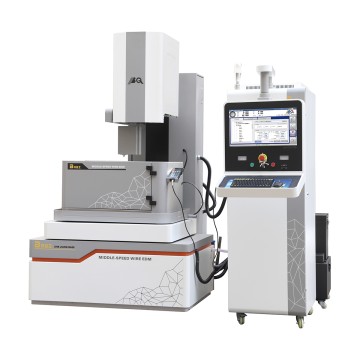
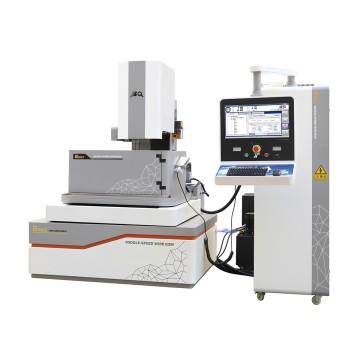
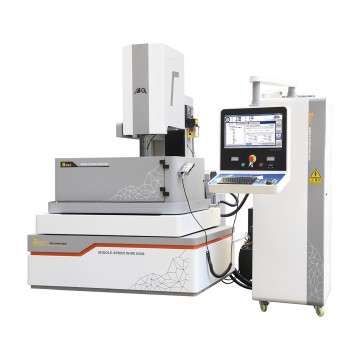
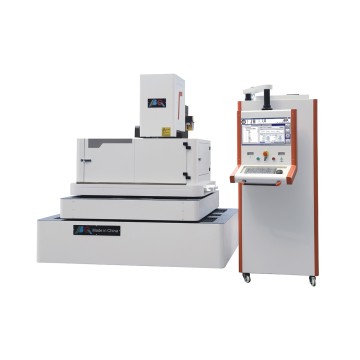
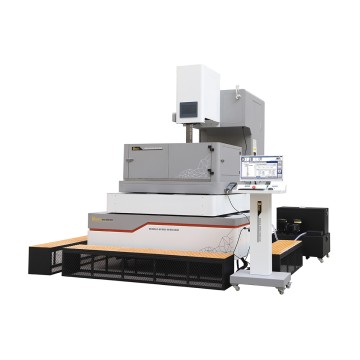
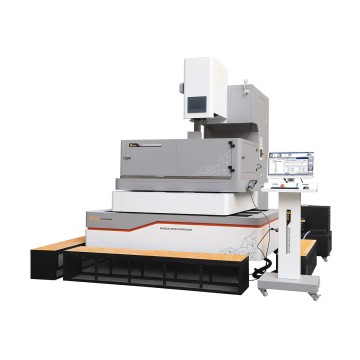
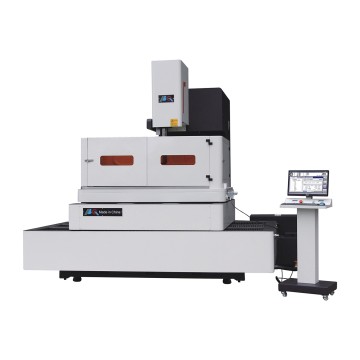
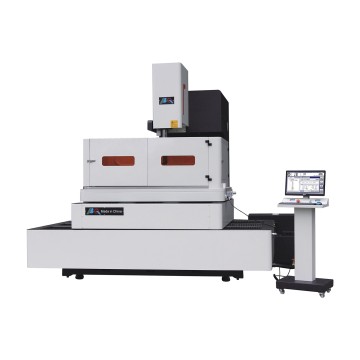
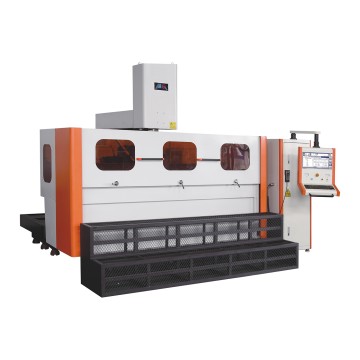
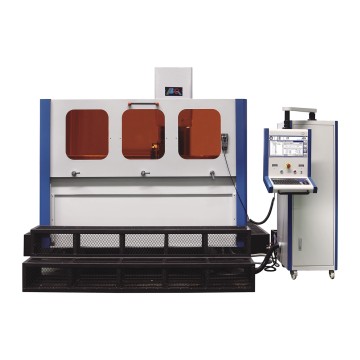
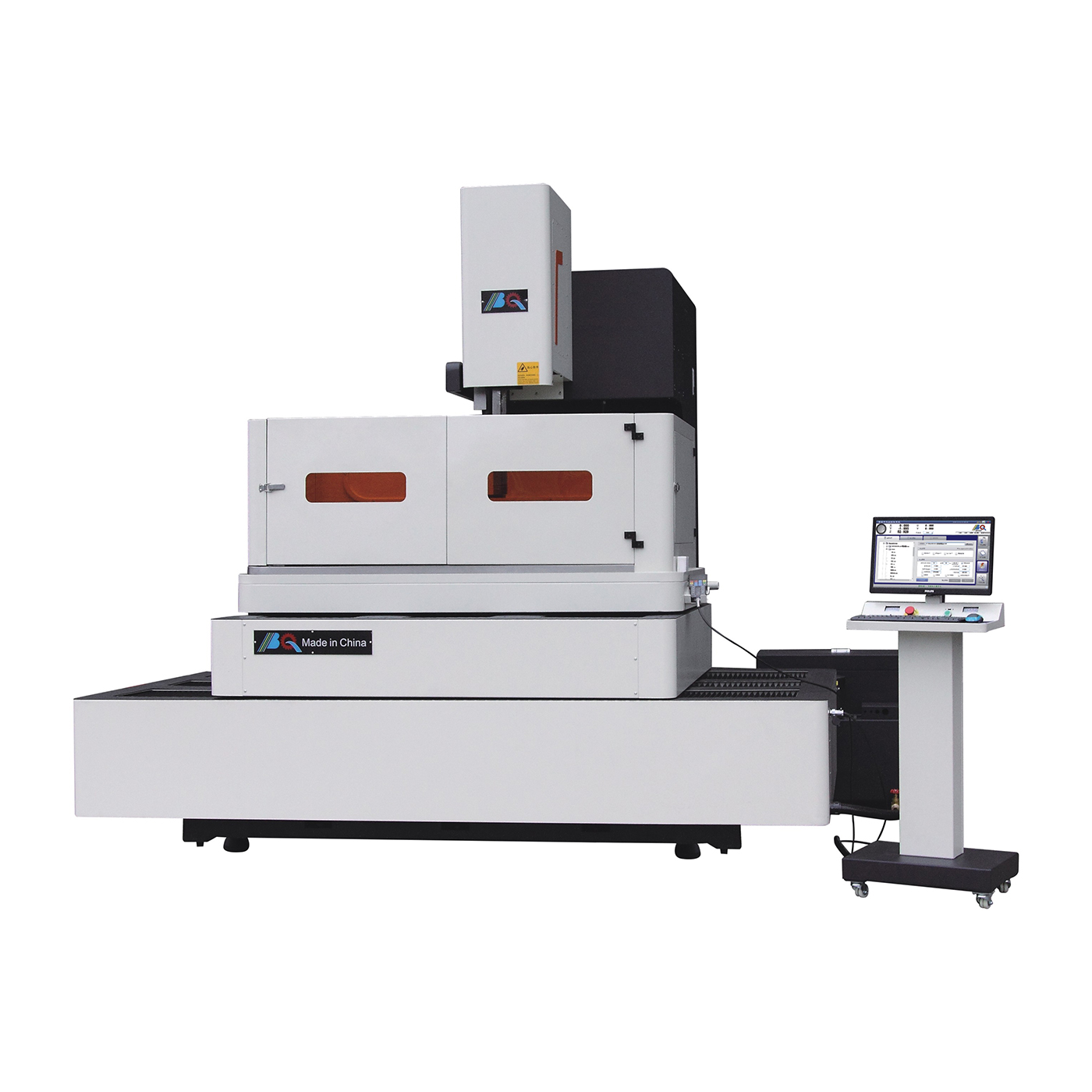
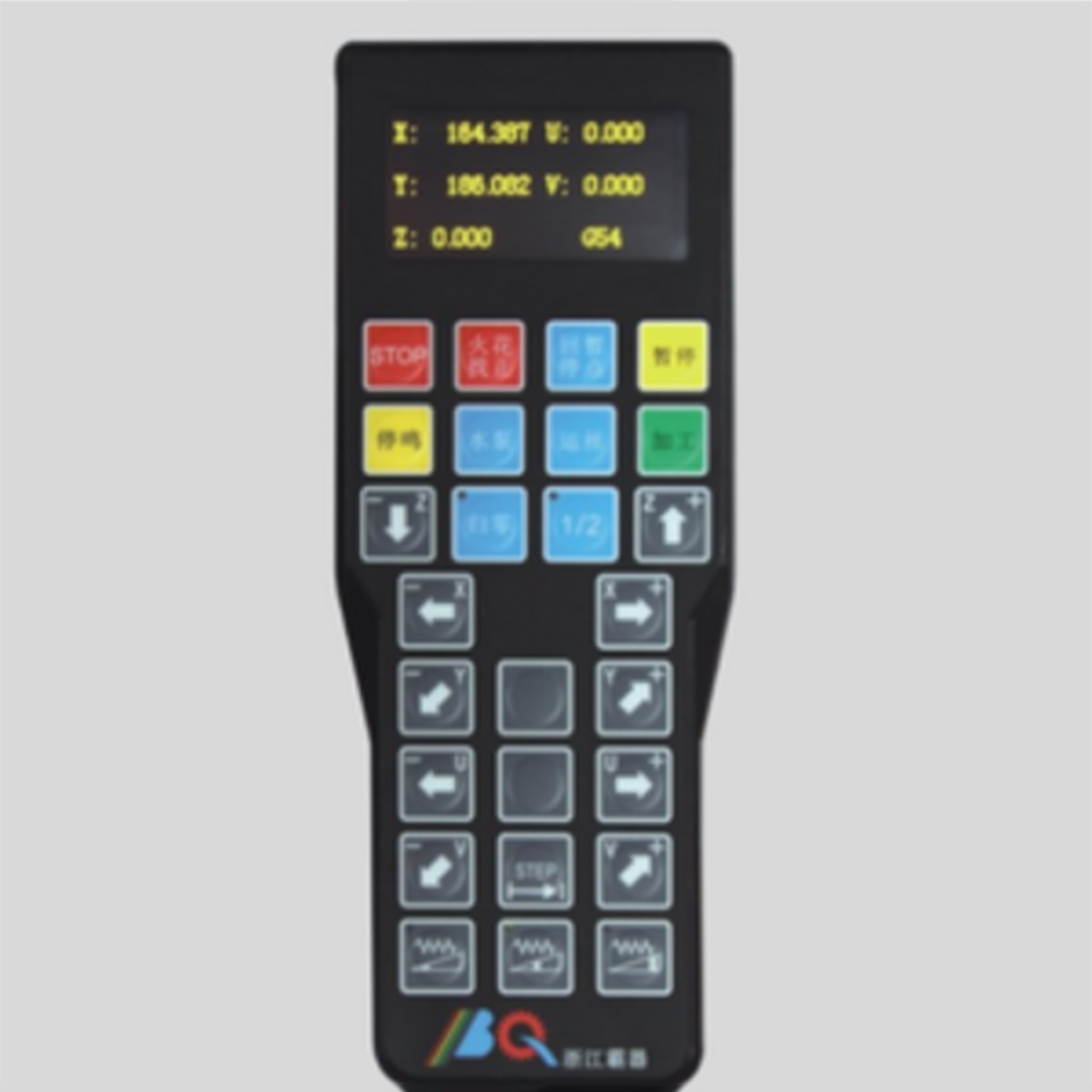
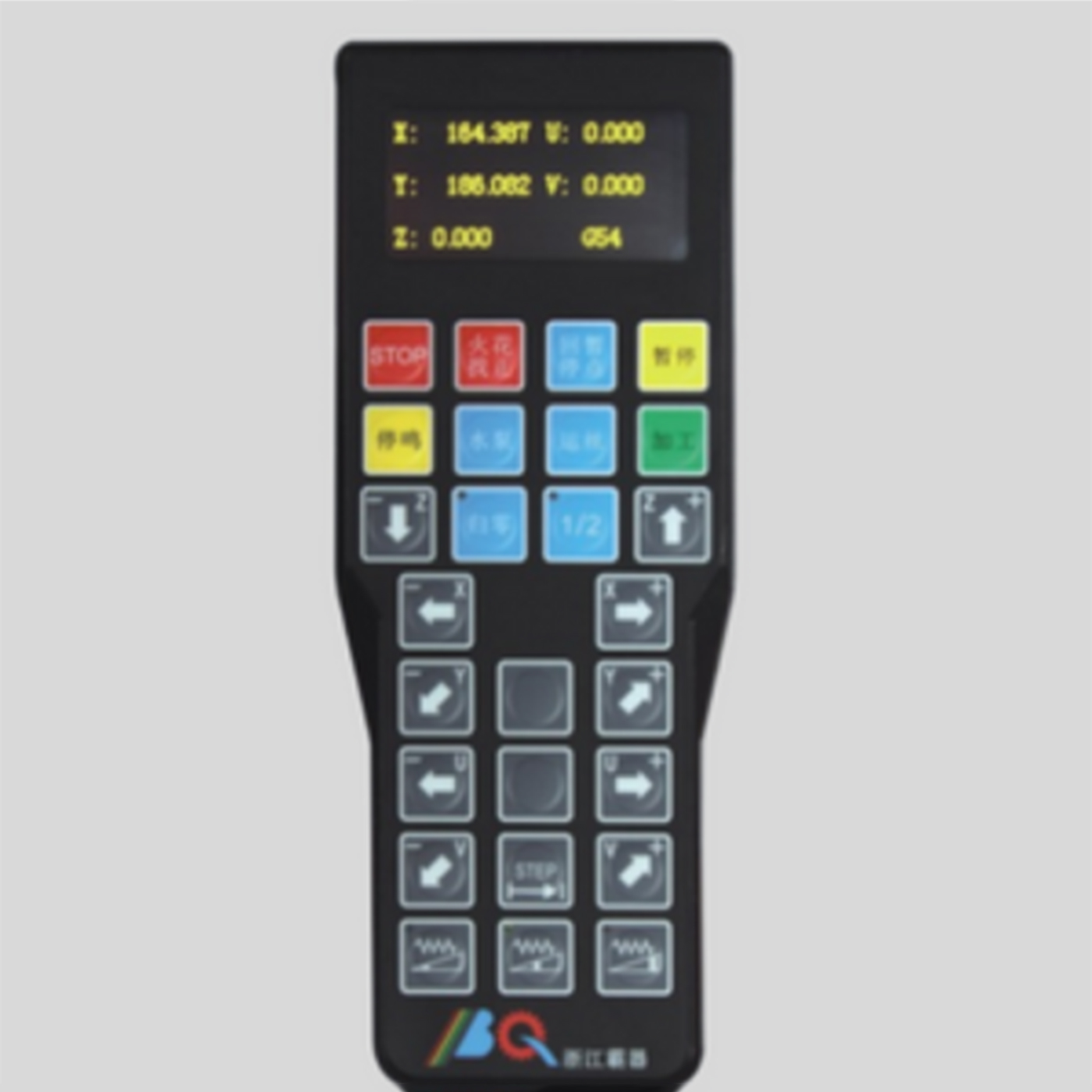
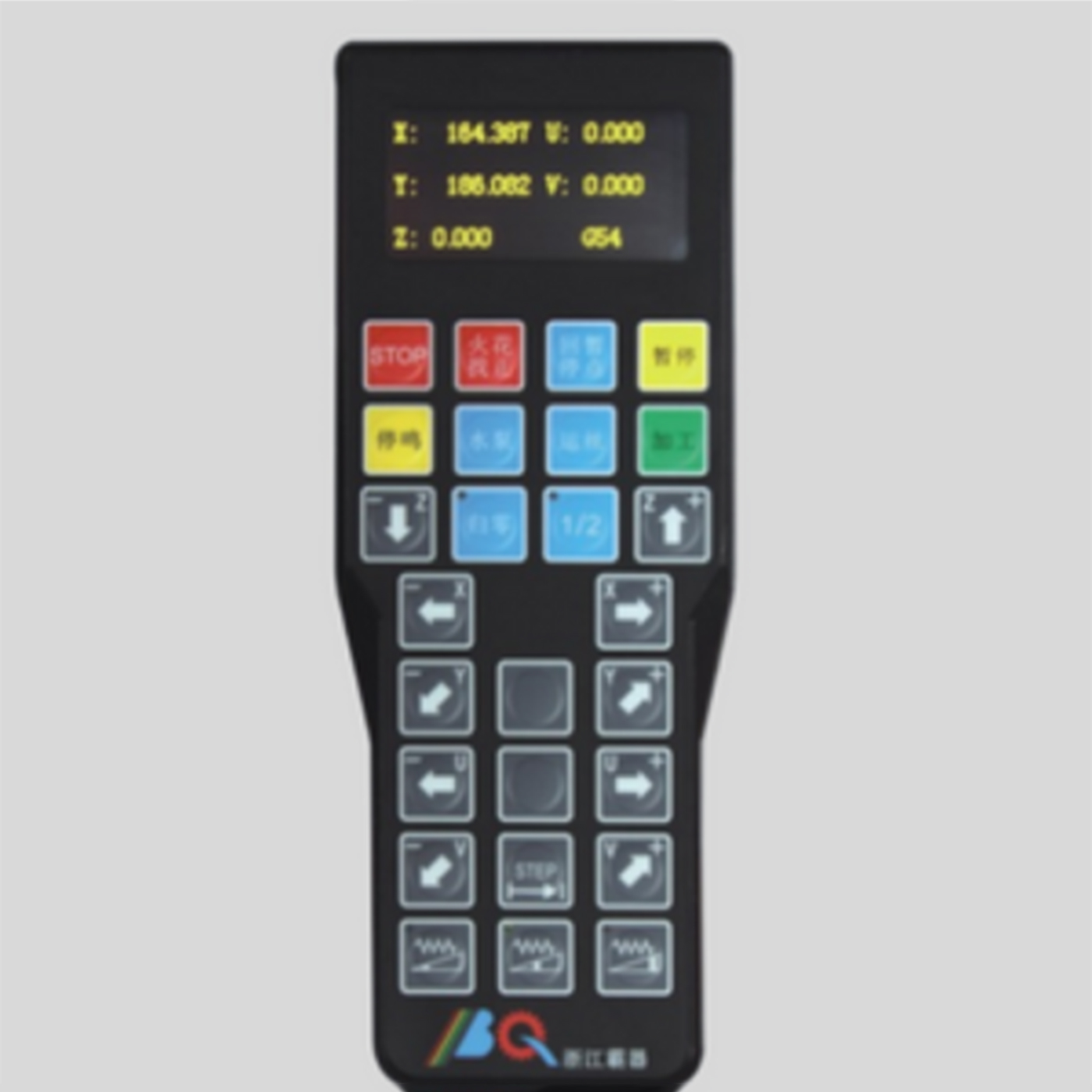
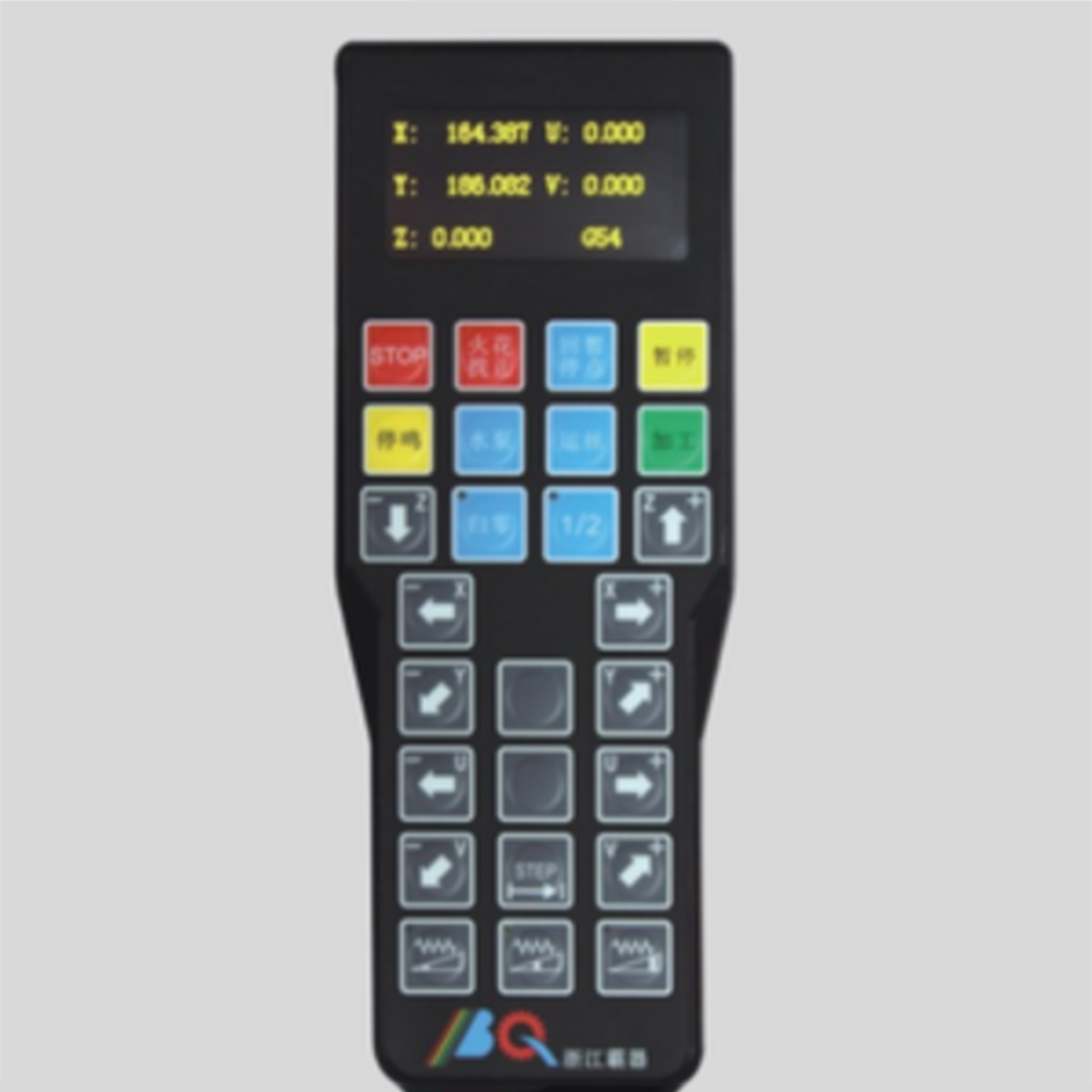
10 Axis linkage BQ1280DYB Medium-Speed CNC Wire cutting EDM Machine (Big Swing)
Share to:


Model |
BQ1280DYB |
|
Table travel |
Worktable size(mm) |
1620×970 |
X/Y travel (mm) |
1200×800 |
|
Max work piece size(mm) |
1950×1092 |
|
Max cutting thickness (mm) |
800 |
|
Max load weight (kg) |
2600 |
|
X/Y min.directive unit(mm) |
0.001 |
|
Taper and Z-axis travel |
Taper U/V travel (mm) |
360×360 |
Max cutting taper (mm) |
±30°/80 mm |
|
U/V min.command unit(mm) |
0.001 |
|
Transmission control |
Control method |
X,Y,U,V,UAa,UAa-1,UBa,UBa-1,VAb,VBb,Z,eleven axis servo drive |
Z axis drive |
Numerical control |
|
Simultaneously controlled axes |
X,Y,U,V,UAa,UAa-1,UBa,UBa-1,VAb,VBb,ten axis |
|
Wire drum |
Max travel of wire drum(mm) |
200 |
Wire diameter(mm) |
①0.1-Φ0.2 (Standard 0.18) |
|
Wire speed(m/s) |
1-11.4 variable frequency |
|
Max.wire storage length (m) |
300 |
|
Machining parameters |
Reposition accuracy(mm) |
≤±0.005 |
Max cutting efficiency(mm²/min) |
≥300 |
|
Roughness/Ra(μm)cut 1 trim 2 |
0.7-1.4 |
|
Working liquid tank |
Liquid tank capacity |
130L |
Filtering method |
3 Layer filtration |
|
Others |
Power supply |
Three phase 380V AC/5OHz |
Control System |
Baqi system |
|
Total power consumption (kw) |
3.5 |
|
Max machining current(A) |
10 |
|
Machine gross weight(kg) |
9000 |
|
Machine size(mm) |
3200x3400×2900 |
|
Machine noise |
≤70dB |
|
Top-bottom irregular cutting |
Yes |
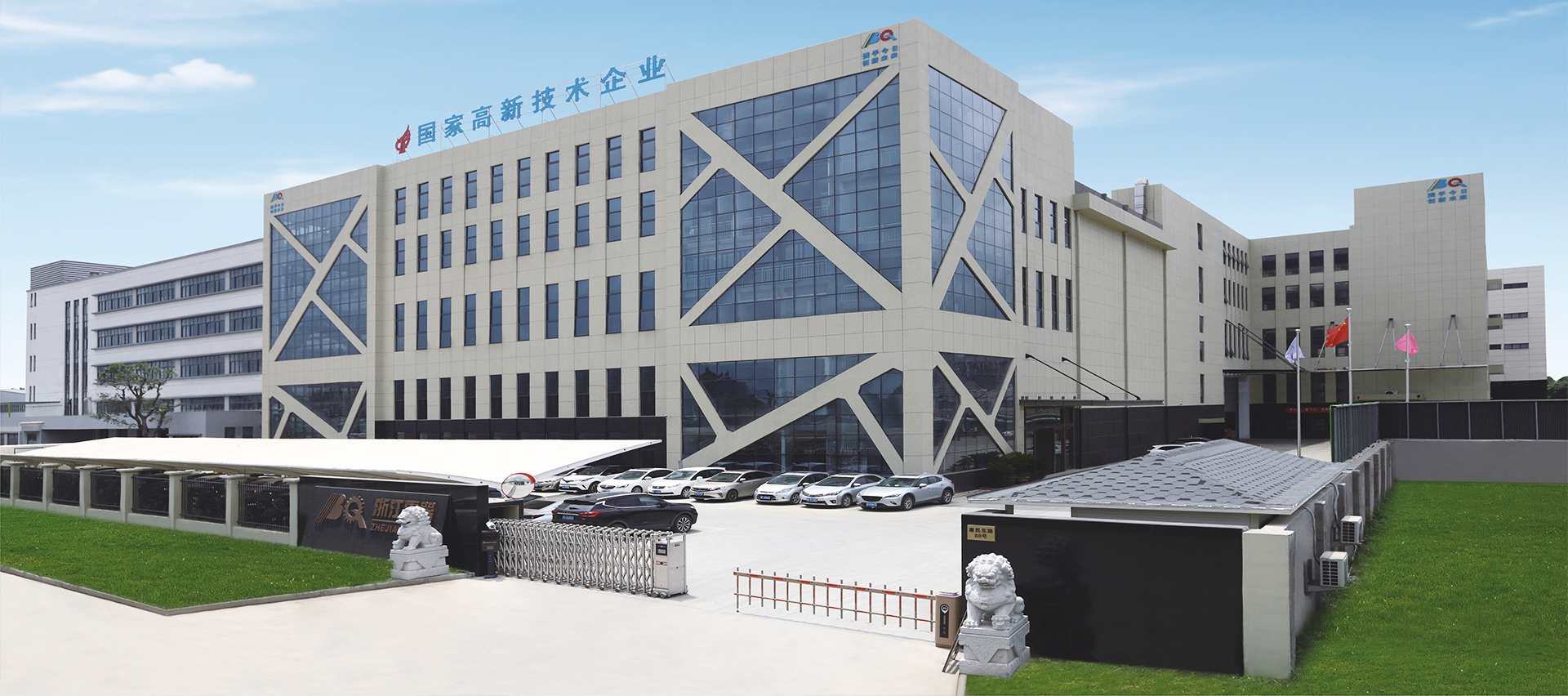
Baqi Intelligent's Medium-Speed Molybdenum Wire EDM are widely used in various fields such as mold and tooling, medical industry, aerospace, automotive parts, machining, military defense, and more. Let's explore the application characteristics and advantages of medium-speed wire cutting machines in different industries:
Application Analysis of Medium-Speed Molybdenum Wire EDM Machine in the Textile Industry
Medium-speed molybdenum wire EDM machine (referred to as medium-speed wire EDM) has become an indispensable and important precision machining equipment in the field of modern textile equipment and wear parts manufacturing, due to its comprehensive advantages of high precision, micro-machining, burr-free operation, wear-resistant mold processing, high efficiency and low cost. It is widely used in key links of textile manufacturing such as textile machinery parts, chemical fiber spinnerets, syringe needle cores, textile molds, blades, and precision tooling.
Main Application Scenarios in the Textile Industry
1. Precision Machining of Parts for Chemical Fiber, Non-Woven Fabric, and Spinning Equipment
● Undertakes precision machining tasks for micro-holes and narrow slits of spinnerets, melt distribution plates, and irregularly shaped spinnerets
● Completes machining of various high-precision structural parts such as chemical fiber components, filter elements, guide plates, and distribution sleeves
● Machining characteristics: Uniform hole diameter after machining, burr-free cut surface, no filament blockage during use, smooth and stable filament output, ensuring the quality stability of spun products from the source
2. Machining of Key Parts Such as Needles, Needle Barrels, Needle Cores, and Sinkers for Textile Machines
● Covers the machining of molds and finished parts for needle barrels, needle cores, grooved needles, latch needles, and sinkers for circular knitting machines, flat knitting machines, sock knitting machines, and warp knitting machines
● Achieves one-time forming of micro-grooves, narrow grooves, and high-precision positioning grooves, without the need for secondary grinding and finishing
● Processing characteristics: Smooth, burr-free surface of parts, does not damage yarn or break threads during actual use, and is wear-resistant and durable, extending the replacement cycle of parts.
3. Processing of Textile Blades, Cutters, and Slitting Knives
● Adapts to the processing needs of various cutting tools such as fabric slitting knives, chemical fiber cutting knives, blade molds, toothed knives, and circular knives.
● Processing characteristics: Sharp blades without chipping, good dimensional consistency between different batches of tools, stable actual cutting process, and longer overall tool life.
4. Precision Structural Parts and Tooling Processing for Textile Machinery
● Covers the processing of positioning parts, connecting rods, sliders, buckles, and adjusting plates for equipment such as doubling machines, winding machines, warping machines, and water jet looms, as well as the fabrication of fixtures, jigs, testing templates, and positioning tooling for automated equipment.
● Processing characteristics: High processing accuracy, good part fit accuracy, stable equipment operation, and lower overall failure rate.
5. Textile Mold Manufacturing (core Application Scenario)
● Applied to the processing and manufacturing of various textile molds such as needle core molds, syringe molds, spinneret molds, chemical fiber accessory stamping molds, and textile plastic parts molds.
● Processing characteristics: Supports direct cutting after heat treatment of high-hardness mold steel, high processing precision, long mold life, and good consistency of parts produced in different batches.
Core Advantages and Characteristics in the Textile Industry.
1. Outstanding Micro-Precision Processing Capability.
Medium-speed wire EDM can stably process complex structures such as microholes, narrow slits, microgrooves, and extremely small gaps. The dimensional accuracy can be controlled within the range of ±0.003~0.005mm, which fully meets the high-precision processing requirements of textile core parts such as spinning spinnerets and knitting needle cylinders, and can adapt to the strict standards of the textile industry for the consistency of part dimensions.
2. Burr-Free, Stress-Free, and Does Not Damage Yarn.
The wire EDM process adopts the non-contact electrical discharge machining principle. There is no cutting force during the processing, and the parts will not deform after processing. The cut surface is smooth and flat, with virtually no residual burrs. In actual use, yarns and chemical fiber filaments will not experience problems such as scraping, breakage, or fuzz when passing through the surface of the processed parts, effectively improving the yield of downstream textile products.
3. Adaptable to High-Hardness Material Processing, Extending the Life of Molds and Parts
Medium-speed molybdenum wire EDM can directly cut high-hardness materials such as quenched mold steel, cemented carbide, and stainless steel. It supports processing after heat treatment of parts. The processing will not cause deformation of parts. The molds and blades after forming are more wear-resistant and have a longer service life. Enterprises replace parts less frequently, effectively reducing long-term operating costs.
4. Complex Structures Can Be Formed in One Go
Medium-speed wire EDM supports tapered processing, processing of upper and lower irregular structures, processing of multi-hole arrays, and processing of deep and narrow grooves. All processing steps can be completed in one clamping. It not only has high processing accuracy but also high production efficiency and good consistency of parts processing, perfectly adapting to the industry characteristics of complex textile parts structures and large production batches.
5. High Processing Efficiency and Low Overall Cost, Suitable for Mass Production Needs
Medium wire EDM adopts a processing mode of reciprocating molybdenum wire, and the material cost is much lower than that of slow wire EDM equipment; the overall equipment investment is only 1/3 to 1/2 of that of slow wire EDM equipment, which reduces the initial investment threshold for enterprises; at the same time, the equipment has strong stability and can support 24-hour continuous processing, which is fully suitable for the production requirements of large-scale, low-cost and fast delivery of textile accessories.
Suggested Supporting Images
Image Type |
Display Content |
Display Purpose |
Chemical Fiber Spinneret / Micro-orifice Part Image |
Showcasing the microstructure of the spinneret's micro-orifices, narrow slits, and uniform arrangement |
Visually demonstrating the high precision and burr-free characteristics of wire yarn processing |
Finished Product Image of Knitting Needles / Needle Cylinders / Textile Blades |
Showcasing the finished forms of needle grooves, sinkers, slitting knives, and irregularly shaped blades |
Demonstrating the precision, wear resistance, and burr-free advantages of the processed parts |
On-site Processing Image of Wire Yarn Equipment |
Showcasing the entire wire yarn machine, workbench, and production scene of processing textile molds / accessories |
Demonstrating the equipment's stable, efficient, and mass production adaptability |
Summary
Medium-speed molybdenum wire EDM machines are key precision machining equipment in the textile equipment and parts manufacturing industry. They are currently widely used in multiple core production processes, including spinning spinnerets, knitting needle cylinders, textile blades, precision structural components, and mold tooling. They possess outstanding advantages such as micro-precision machining, burr-free operation without damaging yarn, adaptability to high-hardness materials, and high efficiency at low cost. They effectively help textile parts manufacturers improve product precision, stability, and lifespan, while reducing production costs. Therefore, they are the ideal processing equipment for textile machinery and parts companies to achieve quality improvement, efficiency enhancement, and cost reduction.
Product advantages and applicable industries
-
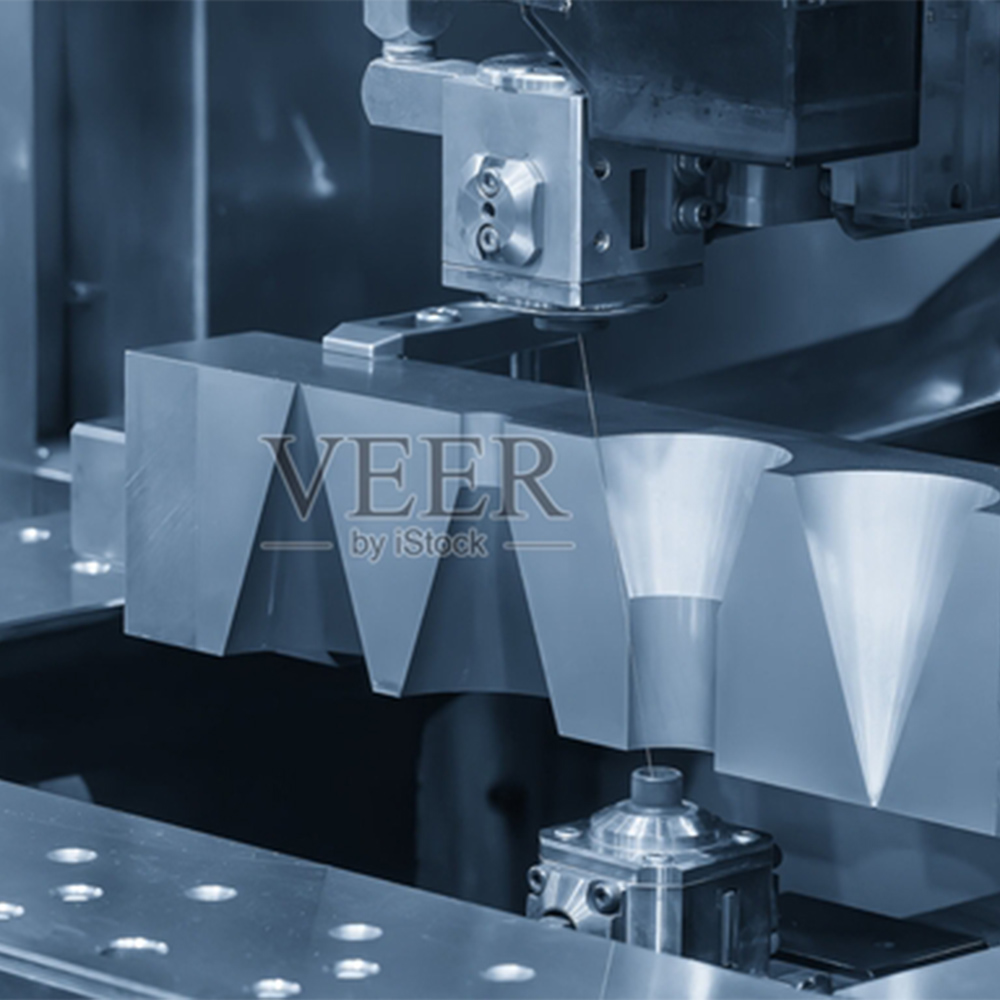
Wire cutting machine tool processing stamping die on site
-
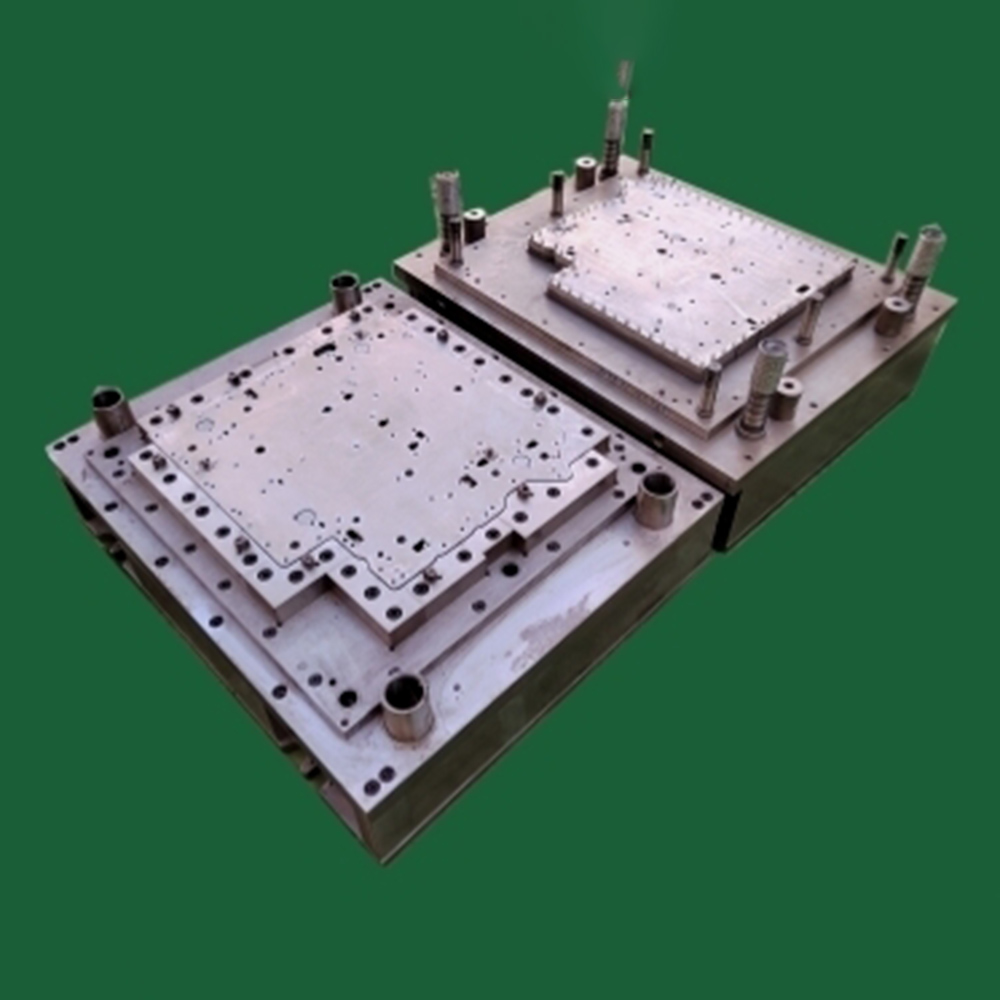
Multi-station continuous stamping die (integrated wire cutting)
-
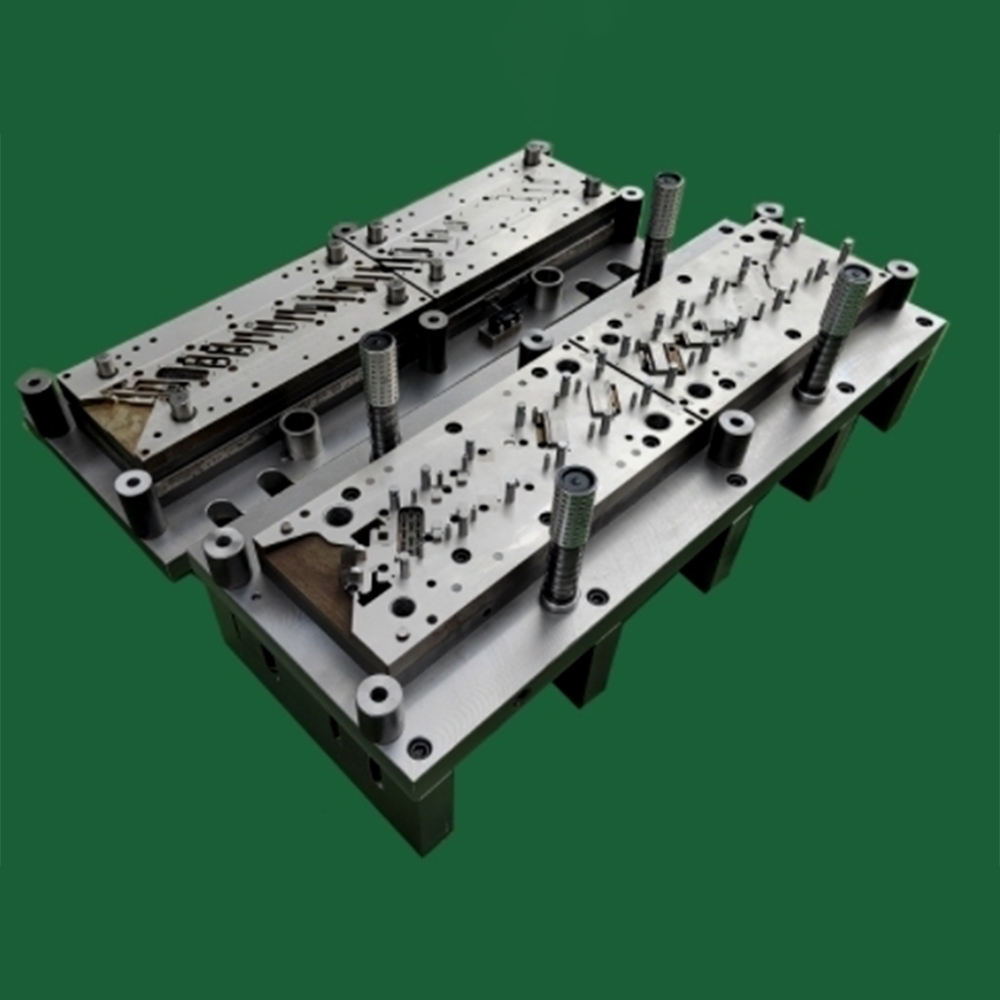
terminal progressive die (typical product of wire cutting)
-
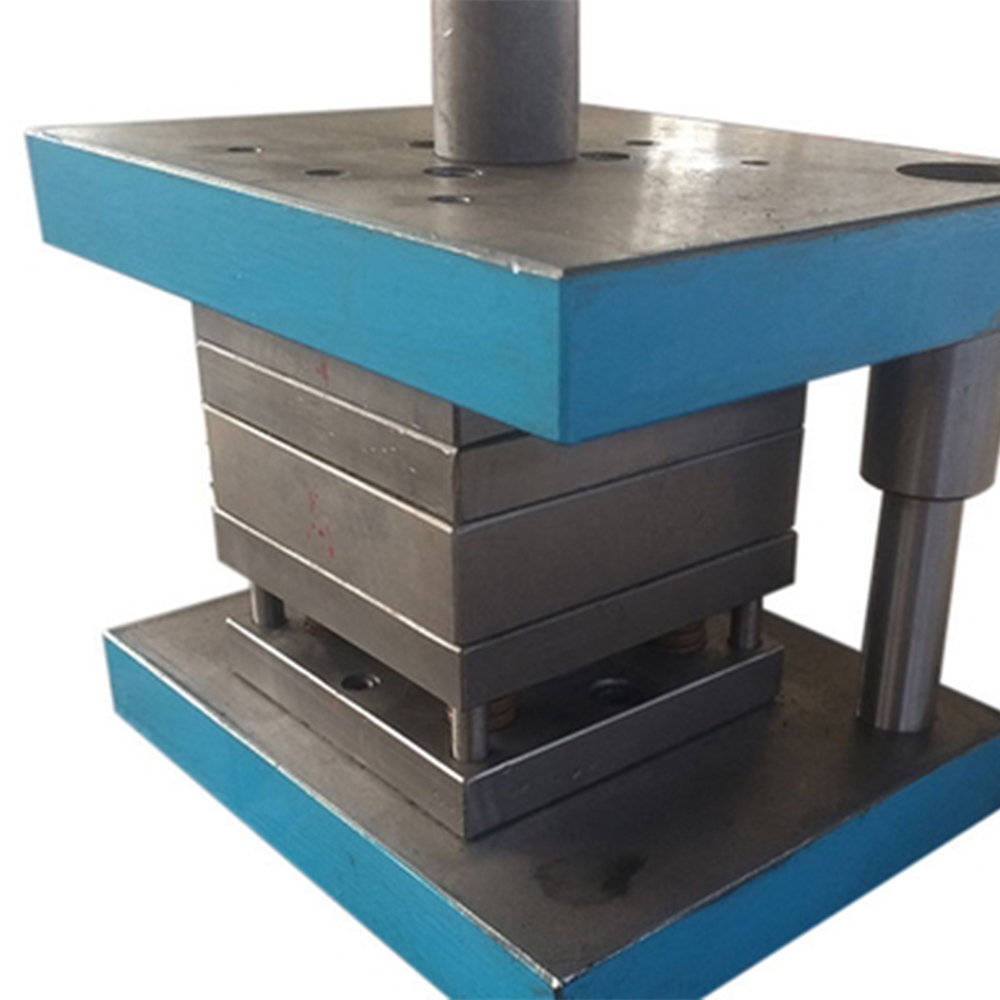
Motor silicon steel sheets, stator and rotor stamping molds (areas where wire cutting excels)