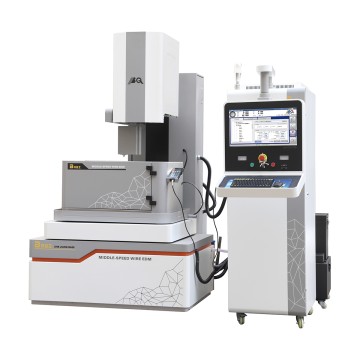
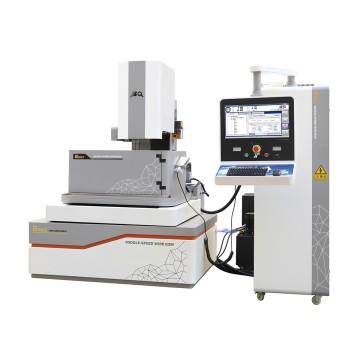
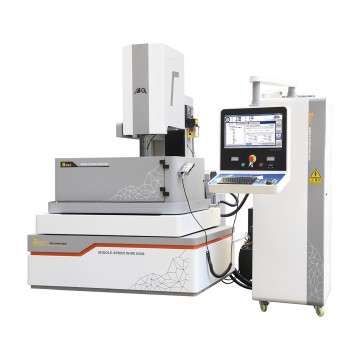
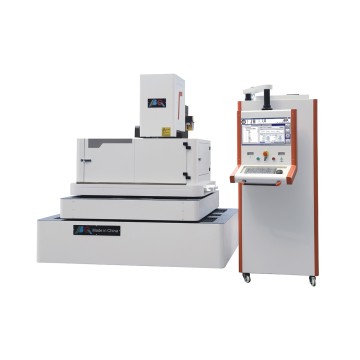
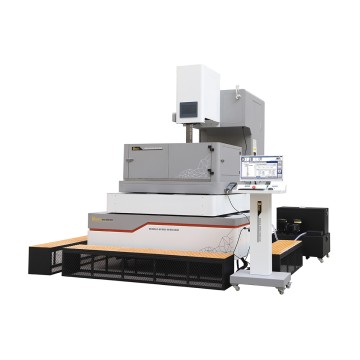
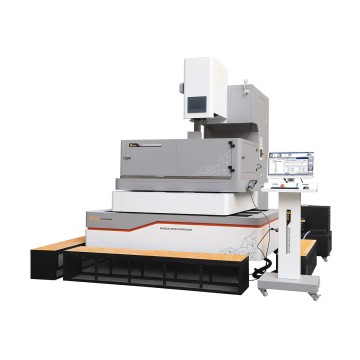
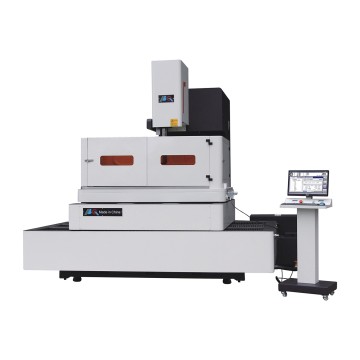
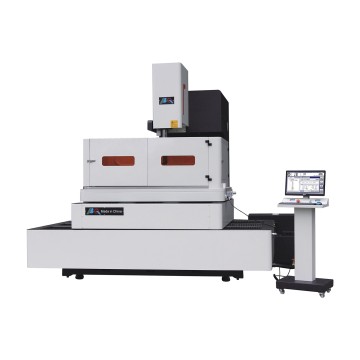
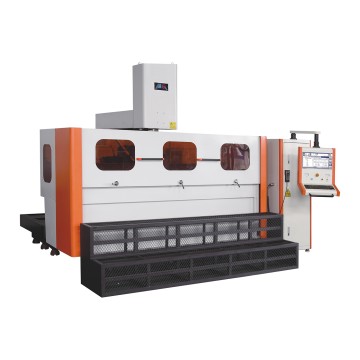
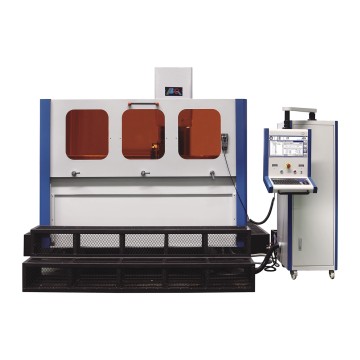
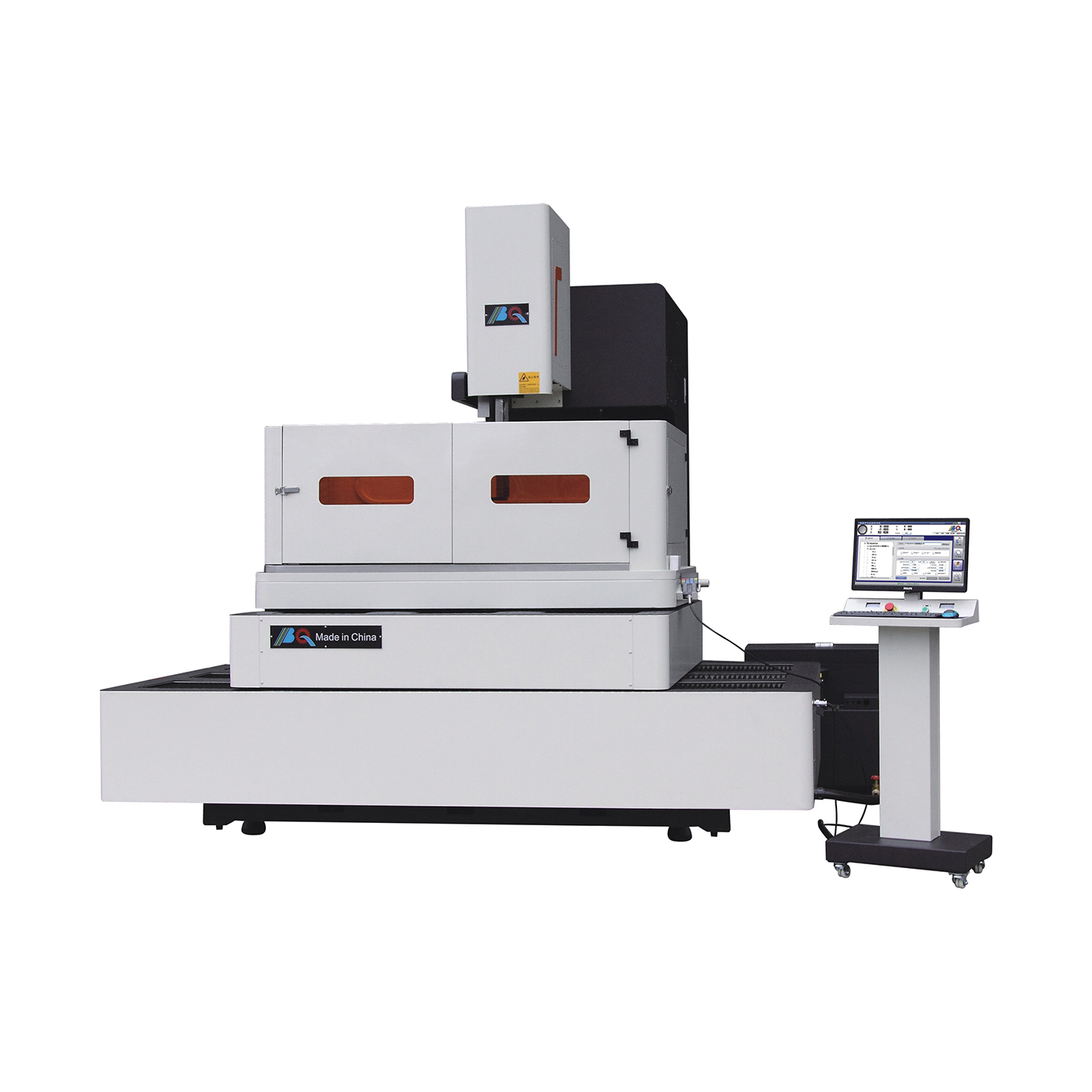
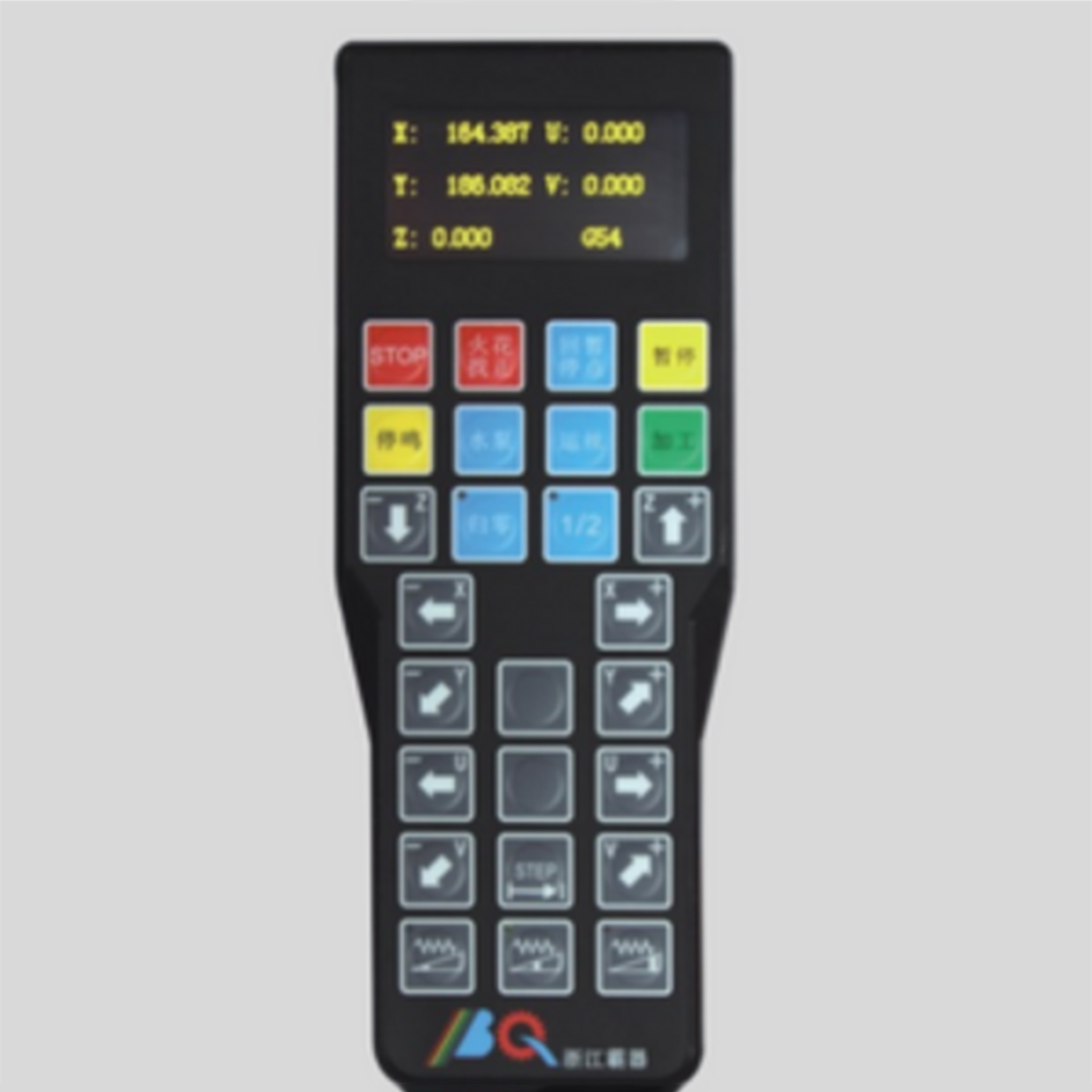
10 Axis linkage BQ1080DYB Medium-Speed CNC Wire cutting EDM Machine (Big Swing)
Share to:


Model |
BQ1080DYB |
|
Table travel |
Worktable size(mm) |
1450×970 |
X/Y travel (mm) |
1000×800 |
|
Max work piece size(mm) |
1800×1092 |
|
Max cutting thickness (mm) |
800 |
|
Max load weight (kg) |
2600 |
|
X/Y min.directive unit(mm) |
0.001 |
|
Taper and Z-axis travel |
Taper U/V travel (mm) |
360×360 |
Max cutting taper (mm) |
±30°/80 mm |
|
U/V min.command unit(mm) |
0.001 |
|
Transmission control |
Control method |
X,Y,U,V,UAa,UAa-1,UBa,UBa-1,VAb,VBb,Z,eleven axis servo drive |
Z axis drive |
Numerical control |
|
Simultaneously controlled axes |
X,Y,U,V,UAa,UAa-1,UBa,UBa-1,VAb,VBb,ten axis |
|
Wire drum |
Max travel of wire drum(mm) |
200 |
Wire diameter(mm) |
①0.1-Φ0.2 (Standard 0.18) |
|
Wire speed(m/s) |
1-11.4 variable frequency |
|
Max.wire storage length (m) |
300 |
|
Machining parameters |
Reposition accuracy(mm) |
≤±0.005 |
Max cutting efficiency(mm²/min) |
≥300 |
|
Roughness/Ra(μm)cut 1 trim 2 |
0.7-1.4 |
|
Working liquid tank |
Liquid tank capacity |
130L |
Filtering method |
3 Layer filtration |
|
Others |
Power supply |
Three phase 380V AC/5OHz |
Control System |
Baqi system |
|
Total power consumption (kw) |
3.5 |
|
Max machining current(A) |
10 |
|
Machine gross weight(kg) |
8800 |
|
Machine size(mm) |
3200x3400×3300 |
|
Machine noise |
≤70dB |
|
Top-bottom irregular cutting |
Yes |
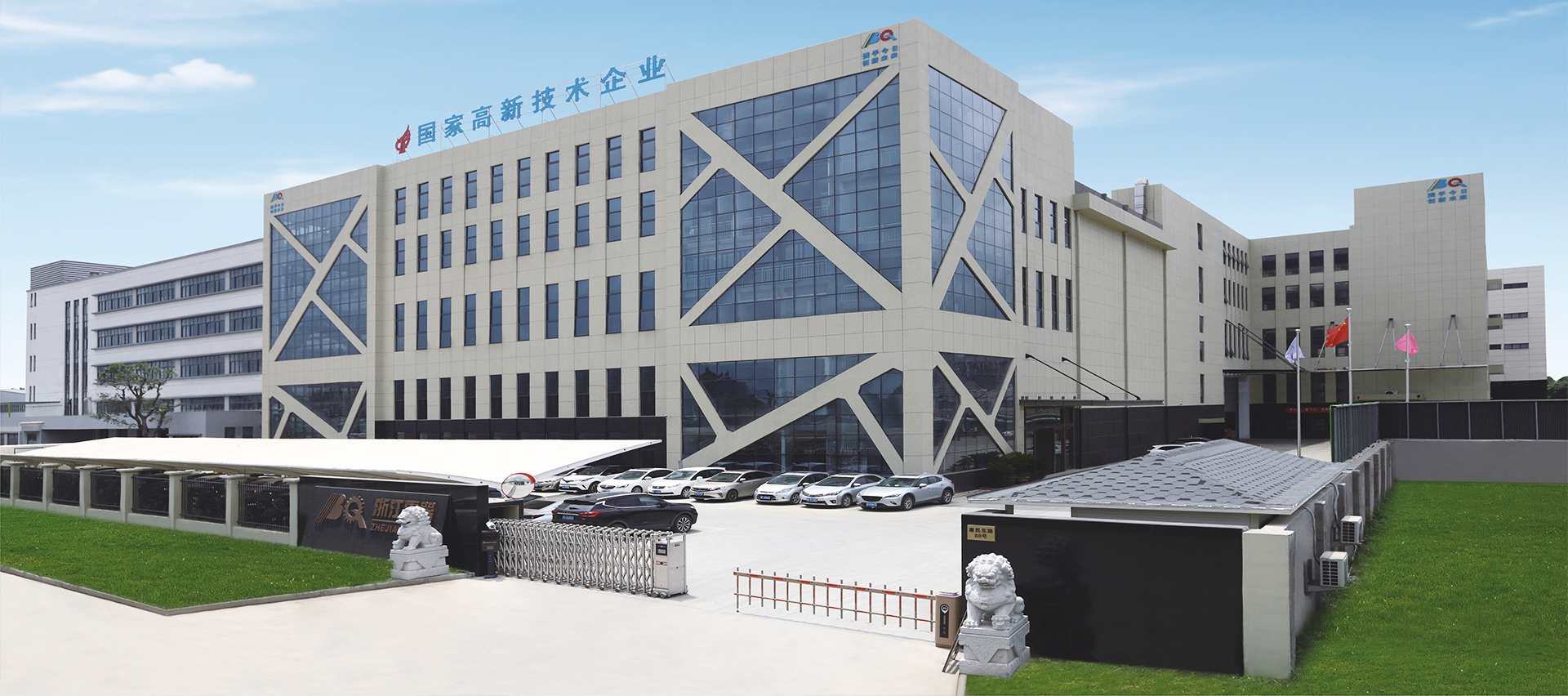
Baqi Intelligent's Medium-Speed Molybdenum Wire EDM are widely used in various fields such as mold and tooling, medical industry, aerospace, automotive parts, machining, military defense, and more. Let's explore the application characteristics and advantages of medium-speed wire cutting machines in different industries:
Application Analysis of Medium-Speed Molybdenum Wire EDM Machine in Scientific Research and Experimentation
Medium-speed molybdenum wire EDM machine (also known as medium-speed wire cutting) has become an important precision machining platform in universities, research institutes, key laboratories, and new material research and development fields due to its outstanding advantages such as stress-free operation, high precision, ability to process any conductive material, and flexible small-batch processing. It is widely used in various scenarios such as sample preparation, microstructure processing, experimental tooling, new material trial production, and precision component research and development. It is a key supporting equipment connecting scientific research experiments from "design" to "physical object".
Main Application Scenarios in Scientific Research and Experimentation
1. Precision Preparation of New Material Samples
In the field of new material research and development, the quality of sample preparation directly determines the accuracy of subsequent performance test data. Medium-speed molybdenum wire EDM machines can meet the sample processing needs of various new metals, alloys, composite materials, hard alloys, conductive ceramics, high-temperature alloys, and other materials. Specific applications include:
● Precise cutting of tensile, impact, and fatigue samples, with no deformation or burrs after processing, and dimensional accuracy meeting experimental standards.
● Rapidly completing one-time forming processing of thin sheets, micro-sheets, narrow strips, and irregularly shaped samples of new materials, without the need for multiple secondary processing steps.
● Achieving non-destructive cutting of high-temperature, high-hardness, and brittle materials, without damaging the original microstructure of the material during processing, and preserving the original performance characteristics of the material.
2. Processing of Microstructures and Experimental Components
Scientific experiments often require customized microstructure components and special experimental components. Medium-speed wire EDM machines can flexibly adapt to the processing needs of various complex structures. Typical applications include:
● Precision microstructure processing such as microchannels, micro-hole arrays, micro-sensor bases, and micro-elastic components, meeting micron-level precision requirements.
● Customized processing of laboratory-specific fixtures, positioning tooling, test brackets, probe holders, and other experimental auxiliary components, adapting to the installation size requirements of different experimental devices.
● Rapid processing of small-batch prototypes, irregularly shaped structural parts, and core components of prototype devices for scientific research devices, supporting principle verification and functional testing.
3. University Teaching and Experimental Training
In university practical teaching, the medium-speed molybdenum wire EDM machine is an important teaching equipment in the field of precision machining. Its main application scenarios include:
● Supporting teaching and practical training and course experiments in mechanical engineering, materials science, precision manufacturing, and mold design, allowing students to intuitively grasp the principles and processes of EDM.
● Quickly completing the production of prototypes for student course design, graduation projects, and various innovation competitions, shortening the processing cycle of practical projects.
● The equipment is simple to operate, safe and stable, and its operation requirements are suitable for ordinary laboratory environments. Its low cost makes it more suitable for long-term, high-frequency teaching use in universities.
4. Scientific Mold and Special Tooling Processing
Scientific experiments often require various special molds and tooling. Medium wire EDM can flexibly meet customized processing needs:
● Processing small forming molds, pressing molds, and sampling molds for experiments, suitable for small-batch material forming experiments.
● Processing high-precision fixtures, positioning blocks, and calibration parts for inspection, assembly, and testing, ensuring the accuracy and stability of experimental tests.
● Completing the processing of customized structural parts, wear replacement parts, and equipment repair parts for non-standard experimental devices, without relying on external outsourcing, ensuring experimental progress.
Advantages and Characteristics in the Scientific Research Industry.
Advantages and Characte1. Stress-Free Processing, Without Damaging the Intrinsic Properties of the Sample and Material.
Medium-speed molybdenum wire EDM employs a non-contact electrical discharge machining principle. The machining process eliminates the cutting forces and mechanical stresses inherent in traditional machining. When machining brittle, thin, micro, and high-hardness materials, it ensures that the sample does not deform, chip, or crack, and avoids work hardening, preserving the original material structure and properties to the greatest extent possible. This guarantees the reliability of experimental data from the machining end, preventing performance interference introduced during machining from deviating from experimental conclusions.
2. Compatible with Almost All Conductive Materials, Extremely Versatile
The machining principle of medium-speed wire EDM is not limited by the material's hardness, strength, or brittleness parameters. It can stably machine various materials that are difficult to handle with traditional machine tools, including stainless steel, copper, aluminum, titanium alloys, high-temperature alloys, cemented carbide, tungsten, molybdenum, conductive ceramics, and multiphase composite materials. For special research materials that traditional machine tools cannot cut, are prone to chipping, or are easily deformed, medium-speed molybdenum wire EDM can easily and stably machine them, adapting to the processing needs of various materials in the field of new material research and development.
3. High Processing Precision, Meeting the Micron-Level Processing Requirements of Scientific Research
The current mainstream medium-speed molybdenum wire EDM machine can achieve a dimensional accuracy of ±0.005mm and a surface finish of Ra0.6~1.6μm. It can stably achieve the processing of narrow slits, micro-holes, thin walls, deep grooves, and complex irregular contours, fully meeting the high-precision processing needs of precision experiments, microstructure devices, micro sensors and other fields, and supporting the development and verification of high-level scientific research results.
4. Adaptable to Small-Batch, Multi-Variety Processing Modes, Flexible and Rapid Response
Medium-speed wire EDM eliminates the need for complex, specialized tooling. Simply import CAD design drawings into the equipment to begin processing quickly, perfectly suited to the characteristics of scientific research work, such as single-piece prototyping, small-batch production, customized development, and frequent modifications. Compared to traditional machining, medium-speed wire EDM has an extremely short cycle time, with most samples and components available on the same day, helping researchers quickly verify design schemes and shorten the R&D cycle.
5. Low Overall Cost, Easy Maintenance, Suitable for Laboratory Application Environments
From the perspective of equipment procurement investment, the investment cost of medium-speed molybdenum wire EDM is only 1/3 to 1/2 of that of slow wire EDM, significantly reducing the equipment procurement pressure on scientific research institutions. The molybdenum wire can be reused during processing, resulting in extremely low consumable costs, and the long-term operating cost is far lower than other precision processing equipment. At the same time, the equipment is simple to operate, occupies a small area, has good operational stability, a low failure rate, and is easy to maintain, making it very suitable for long-term use in scientific research institutions, university laboratories, and teaching centers.ristics in the Scientific Research Industry.
Suggested Supporting Images
Image Theme |
Display Content Requirements |
Scientific Research Samples / Finished Products of New Material Processing |
Display various metal samples, thin sheets, microstructures, narrow slits, and microholes, highlighting the characteristics of no deformation and no chipping after processing, reflecting high-precision processing capabilities |
Scientific Experiment Tooling / Fixtures / Sample Components |
Display finished products of laboratory-specific fixtures, test supports, micro-components, and prototype parts, reflecting customized and precision processing characteristics |
Laboratory Installation and Usage Scene Images |
Display the operation scene of the medium-speed molybdenum wire EDM machine in a laboratory environment, including real-world usage scenes such as teaching training and independent scientific research processing |
Summary
Medium-speed molybdenum wire EDM machines are highly practical precision machining platforms in scientific research and experimentation. They are currently widely used in various scenarios, including new material sample preparation, microstructure processing, experimental tooling fabrication, university teaching and training, and research prototype development. Their core characteristics—stress-free machining, high-precision adaptation, full conductive material coverage, flexible and efficient operation, and low cost—perfectly match the core needs of scientific research work: small-batch, multi-variety, high-precision, and rapid verification. Therefore, they are the ideal precision machining equipment for universities, research institutes, and laboratories to improve research efficiency and ensure experimental quality at this stage.
Product advantages and applicable industries
-
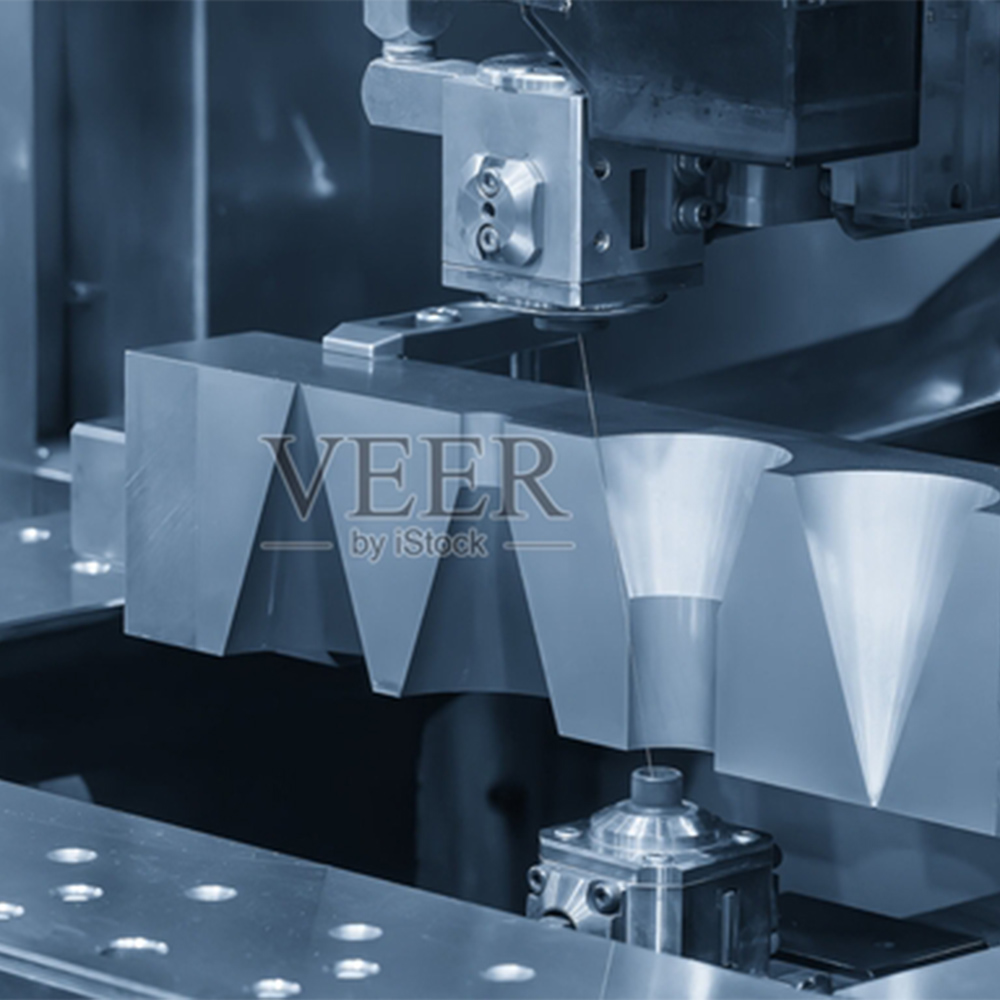
Wire cutting machine tool processing stamping die on site
-
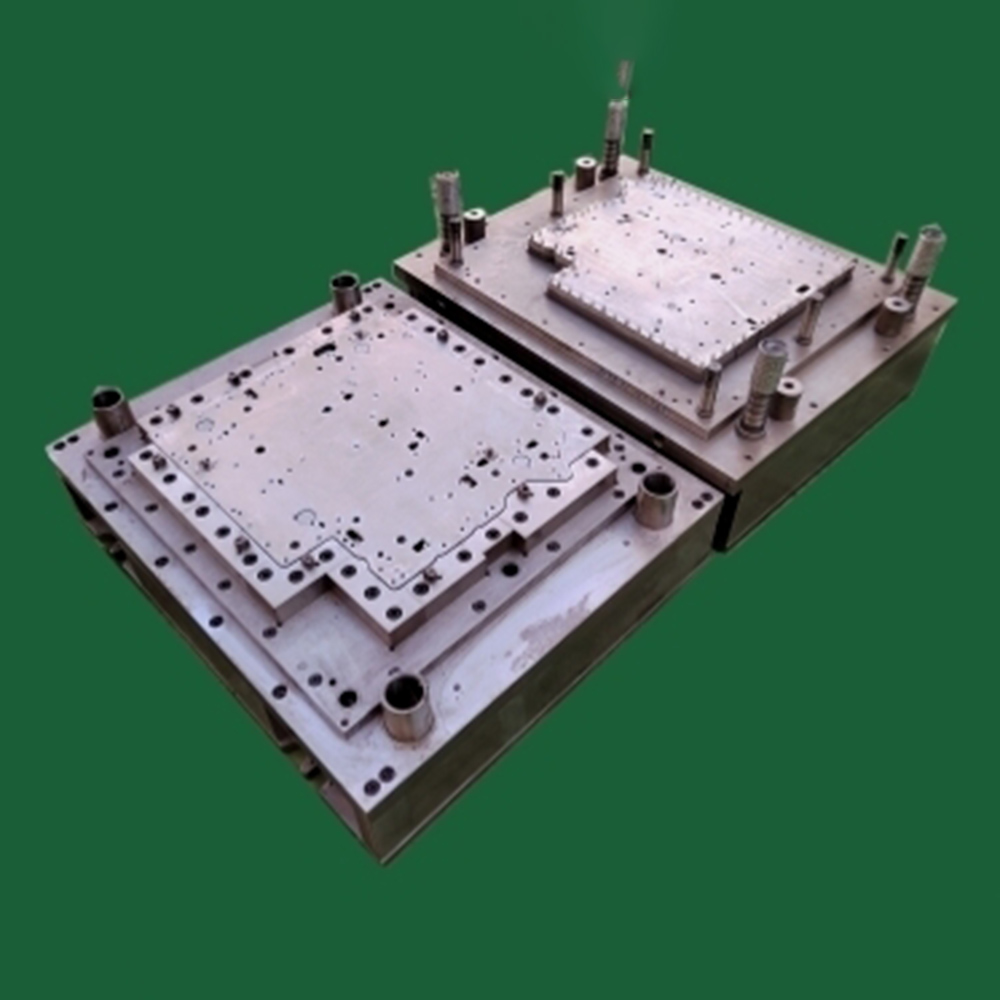
Multi-station continuous stamping die (integrated wire cutting)
-
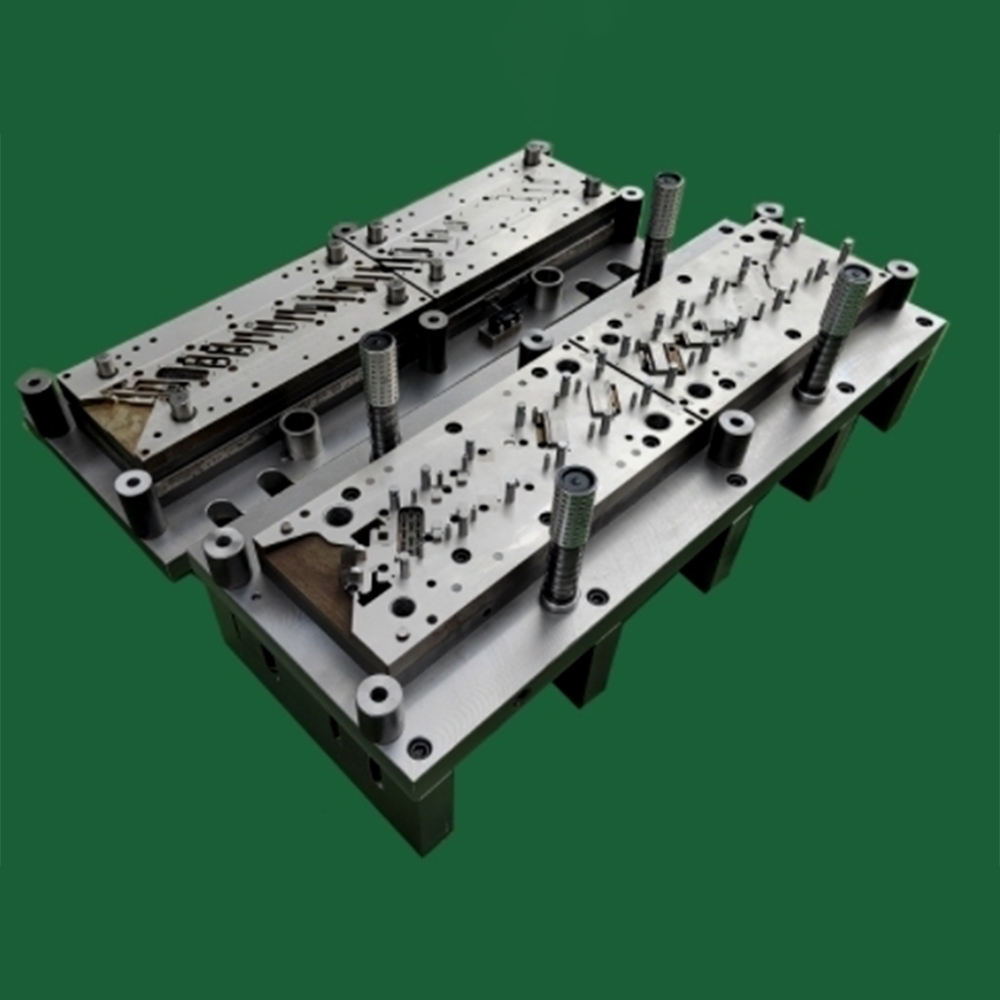
terminal progressive die (typical product of wire cutting)
-
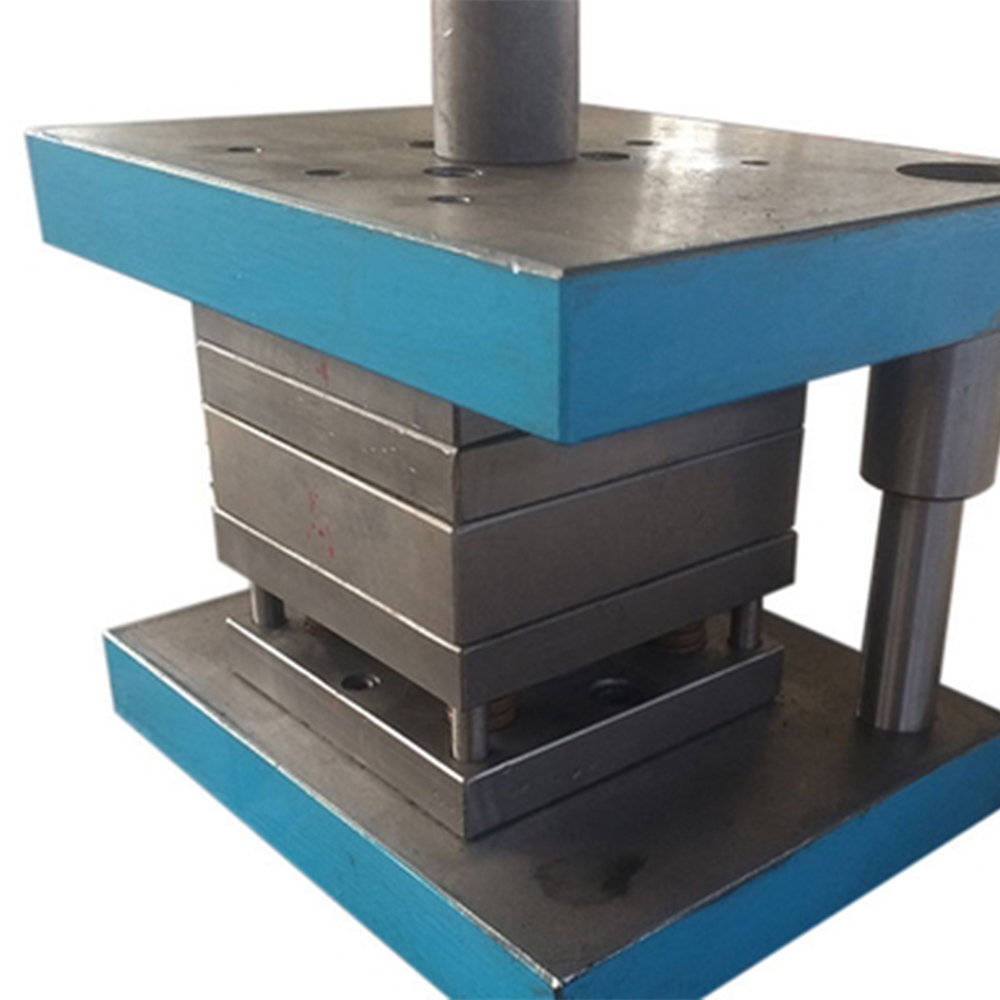
Motor silicon steel sheets, stator and rotor stamping molds (areas where wire cutting excels)